To prevent chafing, choose moisture-wicking fabrics like nylon, polyester, or specialized activewear blends that draw sweat away from your skin. Opt for seamless or flatlock designs to reduce irritation caused by seams and friction. Make certain your clothing fits well—snug but not tight—to keep fabric in place without bunching. Longer coverage, like extended shirts or leggings, adds protection to key areas. If you want to learn how these choices enhance comfort further, keep exploring more tips.
Key Takeaways
- Choose moisture-wicking fabrics like nylon, polyester, or specialized activewear to keep skin dry and prevent irritation.
- Opt for seamless or flatlock seams to minimize friction and hotspots during prolonged activity.
- Ensure clothing fits snugly but comfortably to stay in place and reduce fabric shifting that causes chafing.
- Select longer garments such as shirts and leggings to provide additional skin coverage and reduce skin-to-skin contact.
- Prioritize high-quality, purpose-built anti-chafe gear for enhanced comfort, durability, and long-term prevention of skin irritation.
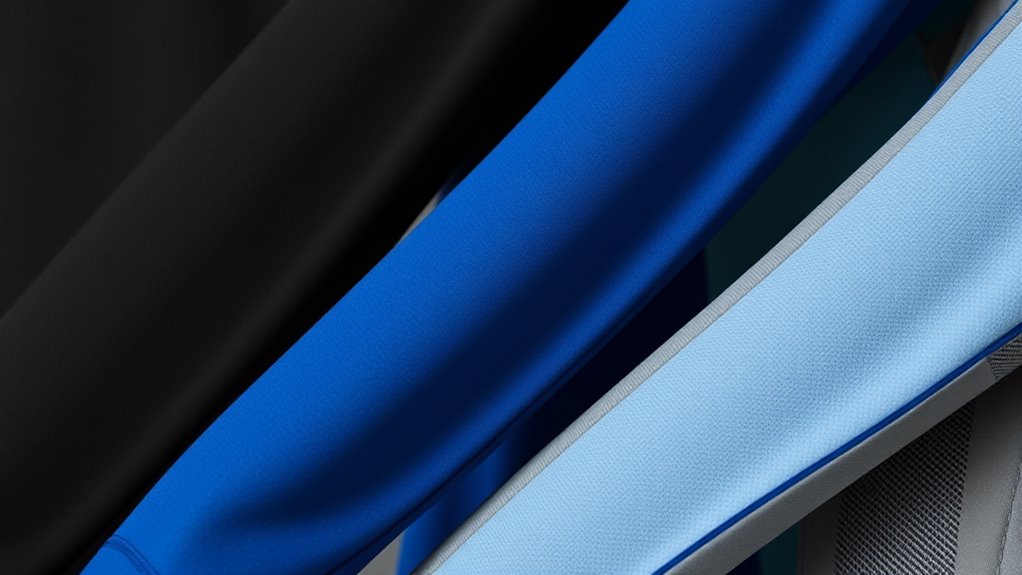
Chafing can turn an active day into an uncomfortable ordeal, but choosing the right clothing can make all the difference. The key lies in selecting fabrics that minimize friction and keep your skin dry. Moisture wicking fabrics are your best allies here. These materials draw sweat away from your skin, helping to prevent irritation and chafing. Look for technical fabrics like nylon, polyester, or specialized blends designed for activewear—they’re engineered to move moisture away from your body quickly. When you wear clothing made from these fabrics, you reduce the chances of skin becoming damp and sticky, which are prime conditions for chafing to develop.
Moisture-wicking fabrics help keep your skin dry and prevent chafing during active days.
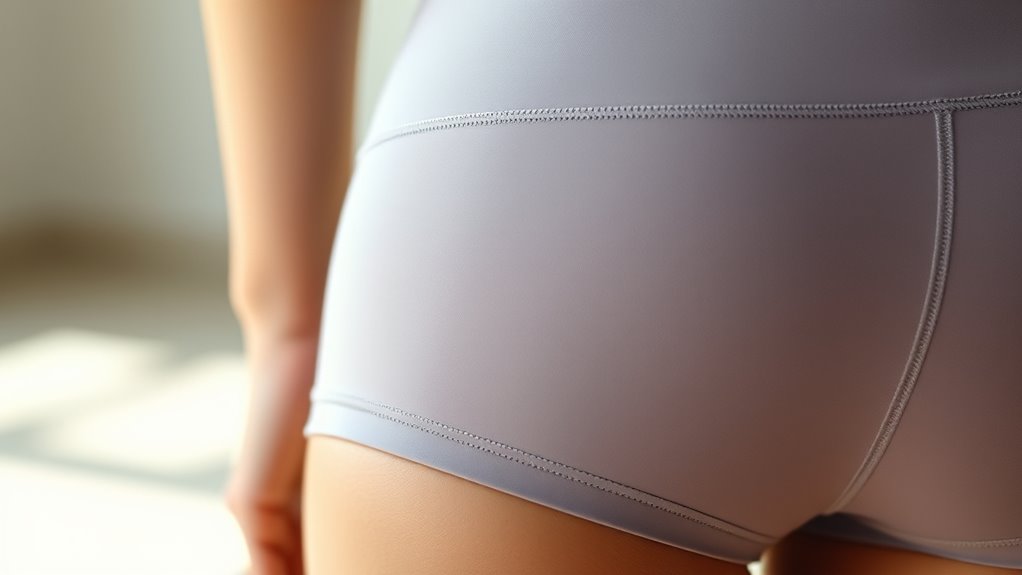
Another crucial factor is the design of your clothing. Seamless designs are highly effective because they eliminate the seams that can cause chafing by rubbing against your skin. Traditional clothing with bulky or rough seams often creates hotspots, especially during prolonged physical activity. Seamless or flatlock-seamed garments provide a smooth surface that glides over your skin effortlessly. This design reduces friction and prevents irritation, making your workout or outdoor adventure much more comfortable. It’s worth investing in clothing that emphasizes flatlock stitching or seamless construction, especially in areas prone to chafing, like the thighs, underarms, or waistline.
Fit also plays a essential role. Ill-fitting clothes—either too tight or too loose—can increase friction or cause chafing due to constant rubbing and movement. You want clothing that fits snugly but isn’t restrictive. Proper fit ensures that the fabric stays in place, minimizing shifting and friction during activity. Pay attention to sizing and choose garments that contour to your body without squeezing or bunching up. When your clothing fits well, it moves with you, reducing the chances of chafing caused by fabric bunching or excessive movement.
Additionally, consider the length and coverage of your clothing. Longer shirts or leggings can act as a barrier, preventing skin-to-skin contact and reducing friction in areas where chafing is common. Combining moisture wicking fabrics, seamless designs, and a proper fit creates a complete strategy to keep chafing at bay. Remember, the right clothing isn’t just about comfort; it’s also about enabling you to stay active longer and enjoy your activities without distraction or discomfort. Investing in high-quality, purpose-built anti-chafe gear pays off in the long run, ensuring you stay comfortable no matter how intense your workout or outdoor adventure gets. Incorporating innovative fabrics like those used in Nike Tech apparel can further enhance moisture management and durability, providing an extra layer of protection against chafing.
Frequently Asked Questions
How Do I Prevent Chafing During Hot and Humid Weather?
To prevent chafing during hot and humid weather, you should wear clothing made from breathable fabrics like moisture-wicking polyester or nylon, which help keep sweat away from your skin. Make certain your clothes fit properly— snug enough to prevent rubbing but not tight enough to cause friction. Applying anti-chafe balms or powders can also provide extra protection. Stay hydrated and take breaks to minimize skin irritation and discomfort.
Are There Specific Fabrics Best for Sensitive Skin?
Think of sensitive skin fabrics as your gentle allies against irritation. You should look for hypoallergenic materials like organic cotton, bamboo, or silk, which are soft and less likely to cause reactions. These fabrics act like a soothing breeze, reducing chafing and discomfort. Selecting clothing made from these sensitive skin fabrics guarantees your skin stays happy and irritation-free, especially in hot, humid weather when your skin’s more vulnerable.
How Often Should I Wash Anti-Chafe Clothing?
You should wash your anti-chafe clothing after every few wears, especially if you notice any odor or discomfort. Proper fabric maintenance helps maintain its effectiveness and odor control, preventing bacteria buildup. Use gentle soap and cold water to preserve the fabric’s integrity and fit. Avoid fabric softeners, as they can diminish moisture-wicking properties. Regular washing keeps your clothing fresh, comfortable, and ready for your next activity.
Can Anti-Chafe Clothing Be Worn for Swimming or Water Sports?
You can wear anti-chafe clothing for swimming or water sports, but choose waterproof materials or buoyant fabrics designed for aquatic activities. Remarkably, over 60% of water sport enthusiasts prefer specialized gear to prevent chafing and improve comfort. These fabrics resist water absorption and dry quickly, ensuring you stay comfortable and chafe-free. Just ensure your gear is explicitly designed for water use to avoid damage and maximize performance.
What Are the Signs That My Clothing Is Causing Chafing?
If your clothing causes fabric irritation or fit discomfort, you’ll notice redness, raw spots, or itching on your skin. You might also feel a burning sensation or see chafing marks where the fabric rubs against your body. Often, these signs appear after physical activity or prolonged wear. To prevent this, choose well-fitting, moisture-wicking fabric and avoid clothing that’s too tight or loose, which can increase friction and irritation.
Conclusion
Choosing the right anti-chafe clothing can make all the difference—especially when over 70% of runners experience chafing at some point. By selecting breathable fabrics and a proper fit, you’ll stay comfortable and focused on your activity. Remember, investing in quality anti-chafe gear isn’t just about comfort; it’s about boosting your confidence and performance. So, next time you gear up, prioritize fabrics and fit to keep chafing at bay and enjoy your movement hassle-free.