To use HRV readiness scores wisely, monitor your trends over several days rather than reacting to single readings. Pay attention to external factors like sleep, stress, and caffeine that can affect scores. Adjust your training intensity based on whether your HRV is high or low to prevent overtraining or promote recovery. Incorporate stress management techniques to boost your scores, and stay consistent with tracking. If you continue exploring, you’ll uncover more strategies to optimize your recovery and performance.

Get workout gear delivered free with Prime
- Fast, free delivery on millions of items
- Prime Video, Amazon Music and more included
- Member-only deals all year
Key Takeaways
- Track HRV trends over multiple days to identify genuine changes rather than reacting to single low scores.
- Consider external factors like sleep, caffeine, and stress to contextualize HRV fluctuations accurately.
- Use HRV scores alongside other wellness indicators for a comprehensive view of recovery and readiness.
- Adjust training intensity based on HRV data to prevent overtraining and optimize performance.
- Incorporate stress management techniques to improve HRV and support overall health and resilience.
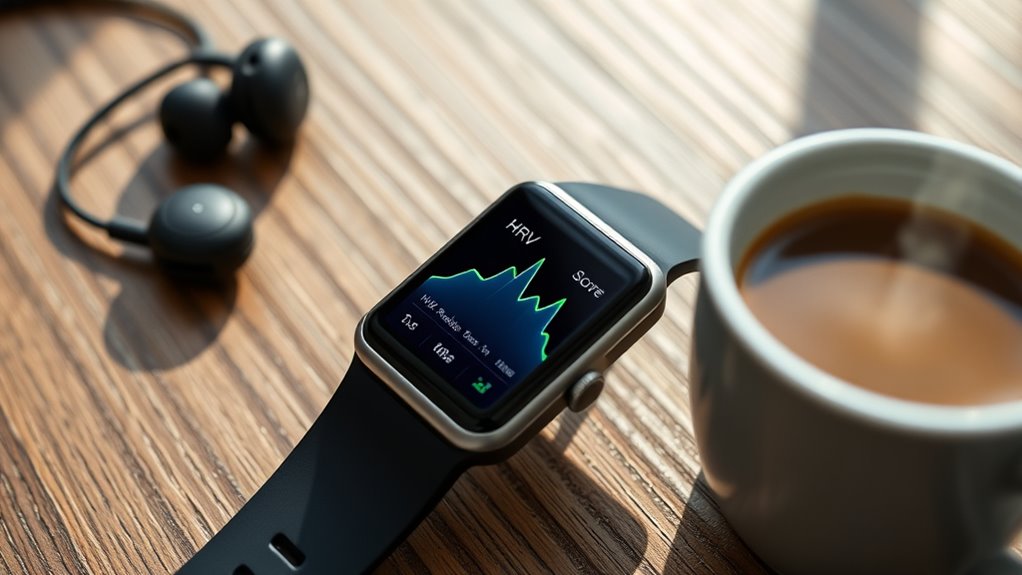
Heart Rate Variability (HRV) readiness scores have become a popular tool for monitoring recovery and optimizing performance, but understanding how to use them effectively is key. When you track your HRV, you’re gaining insight into how well your nervous system is functioning and how prepared your body is for training. These scores can guide you in making smart training adjustments that prevent overtraining and reduce injury risk. For example, if your HRV scores drop below your typical baseline, it signals that your body may be under stress, and you should consider scaling back or taking a rest day. Conversely, high HRV readings suggest you’re ready for more intense workouts. This dynamic approach allows you to fine-tune your training plan based on real-time data, rather than sticking to a rigid schedule that might not match your current state.
Monitoring HRV helps tailor training and prevent overtraining for optimal performance and recovery.
In addition to guiding training adjustments, HRV scores are invaluable for stress management. Elevated stress levels—whether from intense training, lack of sleep, or personal life challenges—tend to lower HRV. Recognizing these fluctuations enables you to implement recovery strategies like meditation, deep breathing exercises, or yoga, which can help restore balance and improve your HRV. Managing stress effectively not only boosts your physical recovery but also enhances your mental resilience. When you respond promptly to HRV signals, you’re actively preventing burnout and building a sustainable routine. It’s about listening to your body and respecting its signals, rather than pushing through fatigue that could lead to longer-term setbacks.
Using HRV scores isn’t about relying solely on the numbers; it’s about interpreting them within context. If you notice a consistent decrease over several days, it may be time to prioritize active recovery or focus more on stress management techniques. Remember that external factors like caffeine, alcohol, illness, or even changes in sleep patterns can influence HRV, so consider these elements when making decisions. Also, avoid making drastic changes based on a single low reading—look for trends instead. By doing so, you ensure your training adjustments are thoughtful and effective.
Additionally, understanding the benefits of Glycolic Acid exfoliating products can help you optimize your skincare routine for healthier skin, which complements your overall wellness. Ultimately, the key to using HRV readiness scores wisely lies in consistency and patience. Track your scores regularly, develop a baseline, and learn what your normal fluctuations look like. This way, you can respond proactively to signs of stress or fatigue, optimize your recovery, and enhance your performance over time. When you integrate HRV insights into your daily routine, you empower yourself to make smarter choices—balancing effort with recovery, and maintaining a healthy, sustainable approach to training.
As an affiliate, we earn on qualifying purchases.
Frequently Asked Questions
How Often Should I Check My HRV Readiness Scores?
You should check your HRV readiness scores daily to maintain effective frequency monitoring. Daily consistency helps you spot trends and understand how your body responds to stress, training, or recovery. By keeping a regular check, you’ll develop a clearer picture of your overall readiness and can adjust your activities accordingly, ensuring peak performance and avoiding overtraining. Remember, consistent monitoring is key to making the most of your HRV data.
Can HRV Scores Predict Long-Term Health Outcomes?
HRV scores have limited predictive validity for long-term health outcomes, but they do show some health correlations, like stress levels and cardiovascular health. You can’t rely solely on HRV to predict your future health, but tracking trends can help you identify early warning signs. By monitoring your scores regularly, you gain insights that support healthier choices, even if HRV isn’t a definitive predictor of long-term health.
What Factors Can Falsely Influence HRV Readings?
Falsely, HRV readings can be influenced by sensor accuracy issues and environmental factors. If your sensor isn’t properly calibrated or has poor contact, it may give inaccurate results. External factors like temperature, humidity, noise, or even your posture can also skew HRV readings. To get reliable data, verify your device is accurate, follow consistent testing conditions, and minimize environmental disruptions during measurements.
Is It Better to Take HRV Readings at the Same Time Daily?
Yes, it’s better to take HRV readings at the same time daily. This guarantees consistent timing, reducing variability caused by daily fluctuations. When you measure your HRV at the same time each day, you get more accurate insights into your body’s readiness and stress levels. Make this a routine, ideally in the morning, to track trends effectively and make better-informed decisions about your training and recovery.
How Should I Adjust Training Based on HRV Readiness Scores?
You should adjust your training based on HRV readiness scores by tailoring intensity and volume to support ideal recovery and training adaptation. When your HRV is high, consider pushing harder; if it’s low, prioritize rest or lighter workouts. This approach helps prevent overtraining, enhances recovery, and maximizes gains. Consistently monitor your scores, listen to your body, and modify your plan to guarantee you’re training smart for long-term progress.
Conclusion
By understanding and using HRV readiness scores wisely, you become the captain of your own health ship, steering clear of storms and calm seas alike. These scores are your compass, guiding you to optimize training and recovery. Remember, they’re not just numbers but signals from your body’s own language. Listen closely, trust your instincts, and let your HRV journey be the steady wind that propels you toward better balance and performance every day.
Halloween Picks
halloween
As an affiliate, we earn on qualifying purchases.