
Fatty muscle composition can significantly impact your heart health. A small increase in intermuscular fat can raise your risk of heart disease and heart attacks by 7%. Even if you seem fit based on your weight, high levels of intermuscular fat may still threaten your cardiovascular wellbeing. It's essential to focus on building lean muscle and managing stress to safeguard your heart. Discover more about how to improve your muscle quality and protect your health.

Get workout gear delivered free with Prime
- Fast, free delivery on millions of items
- Prime Video, Amazon Music and more included
- Member-only deals all year
Key Takeaways
- High levels of intermuscular fat significantly increase the risk of heart disease and heart attacks.
- A 1% rise in fatty muscle fraction correlates with a 7% increase in heart disease risk.
- Traditional metrics like BMI can be misleading, as they often overlook harmful fatty muscle composition.
- Strength training and stress management are vital for improving muscle quality and reducing intermuscular fat.
- Understanding muscle composition empowers individuals to make healthier lifestyle choices for better cardiovascular health.
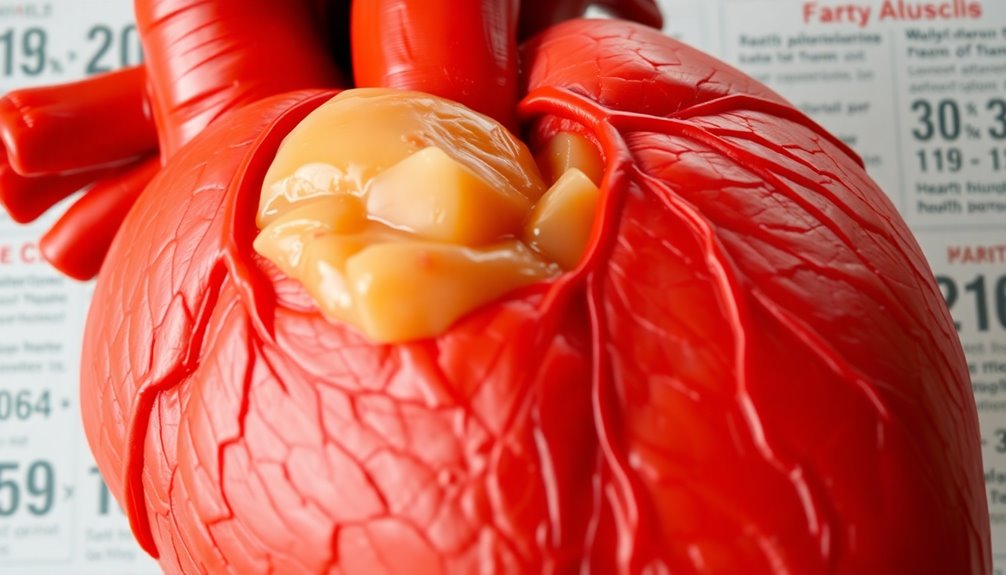
As you strive for better health, you mightn't realize that the composition of your muscles plays a crucial role in your heart's well-being. You may focus on losing weight or improving your cardiovascular endurance, but understanding the impact of intermuscular fat is vital for your overall cardiovascular health.
Research shows that high levels of intermuscular fat can significantly increase your risk of heart disease. In fact, for every 1% increase in fatty muscle fraction, there's a staggering 7% rise in the risk of serious heart disease.
This isn't just about aesthetics; it's about the serious implications for your heart. Studies have found that even if you don't have obstructive coronary artery disease, high intermuscular fat can still pose a risk for heart-related issues. The connection between fatty muscle and coronary microvascular dysfunction is particularly alarming. Every 1% rise in intermuscular fat correlates with a 2% increase in this dysfunction, which is closely tied to the risk of heart attacks.
If you think you're in the clear because you maintain a healthy weight, you might want to reconsider. Lean muscle is a protective factor against heart disease. It helps regulate body composition and can improve insulin sensitivity, lowering the risk of insulin resistance.
When you have more lean muscle, you're essentially giving your heart an advantage. This highlights the importance of focusing not just on losing weight, but also on nurturing the right kind of muscle in your body.
Traditional metrics like body mass index (BMI) can be misleading. They often fail to account for the dangers posed by fatty muscle. You might appear fit on the outside, but a deeper understanding of your body composition reveals a different story.
Recognizing the importance of muscle quality over quantity can help you make better health choices. Incorporating strength training and focusing on building lean muscle can be transformative. Stress management techniques can further enhance your cardiovascular health by reducing cortisol levels that contribute to fat accumulation.
By actively working to reduce intermuscular fat, you can mitigate your risk of heart disease and improve your overall cardiovascular health. It's time to pay attention to what's happening beneath the surface; your heart will thank you for it.
Being informed about the relationship between fatty muscles and heart health can empower you to make choices that contribute to a longer, healthier life. Understanding how fatty muscles impact heart health can lead to lifestyle changes, such as improved diet and regular exercise, which are crucial for maintaining a healthy cardiovascular system. Recent heart health secrets survey findings suggest that individuals who prioritize physical fitness and balanced nutrition tend to experience lower risks of heart disease. By staying educated and proactive about these factors, you can significantly enhance your overall well-being and longevity.
As an affiliate, we earn on qualifying purchases.
Conclusion
In conclusion, understanding the link between fatty muscles and heart health is crucial for your well-being. By recognizing the risks associated with excess fat in your muscles, you can take proactive steps to improve your heart health. Incorporating regular exercise, a balanced diet, and monitoring your body composition can make a significant difference. Don't underestimate the power of small lifestyle changes; they could be the key to preventing heart attacks and leading a healthier life.
Fall Picks
fall essentials
As an affiliate, we earn on qualifying purchases.