To complete your first 10K in 10 weeks, follow a structured plan that mixes easy runs, interval workouts, and rest days. Increase your mileage gradually by about 10% each week and incorporate cross-training like cycling or swimming for extra fitness. Focus on proper gear, nutrition, and hydration to stay comfortable and energized. Stick to your schedule, listen to your body, and celebrate milestones — if you continue, you’ll find even more tips to keep you motivated and prepared.
Key Takeaways
- Follow a gradual 10-week schedule increasing weekly mileage by about 10%.
- Incorporate easy runs, interval training, and rest days to build endurance safely.
- Prioritize proper gear, hydration, and nutrition to enhance comfort and prevent injuries.
- Track progress regularly and celebrate milestones to stay motivated throughout training.
- Include cross-training and stretching for overall fitness and injury prevention.

Thinking about running your first 10K? It’s an exciting goal, and with the right plan, you can make it a rewarding experience. The key is to prepare properly, focusing not only on your running but also on your training gear and nutrition strategies. These elements will help you stay motivated, avoid injury, and perform at your best on race day.
First, invest in good training gear. Comfortable running shoes that fit well and support your arches are essential. Don’t skimp on quality—your shoes should suit your foot type and be designed for running. Wear moisture-wicking clothes to prevent chafing and keep you dry during longer runs. A good sports watch or fitness tracker can help you monitor your pace and progress. Consider getting a hydration belt or handheld bottle, especially for longer sessions, so you stay hydrated without hassle. Layer your clothing wisely, especially if you’re training early in the morning or in variable weather. Having the right gear boosts confidence and comfort, making your training sessions more effective and enjoyable.
Alongside gear, nutrition strategies play a crucial role in your training. Fuel your body with balanced meals rich in carbs, lean proteins, and healthy fats. Carbohydrates are your main energy source, so include foods like oats, bananas, and whole grains before runs. Hydrate well throughout the day, not just during workouts. Proper nutrition helps prevent fatigue and recovery issues, so pay attention to what you eat post-run—protein helps repair muscles, while carbs replenish glycogen stores. On longer training days, consider carrying small snacks like energy gels or chews to maintain your energy levels. Avoid trying new foods or supplements close to race day to prevent stomach issues.
To further optimize your training, consider incorporating cross-training activities such as cycling or swimming to improve overall fitness and reduce the risk of overuse injuries. This 10-week guide will gradually build your endurance, focusing on consistent training sessions and listening to your body. Incorporate easy runs, interval workouts, and rest days to allow recovery and avoid burnout. Stick to a weekly schedule that increases your mileage gradually—about 10% per week—to reduce injury risk. Rest days are just as important as running days; use them to stretch, foam roll, or do light cross-training. By integrating the right training gear and solid nutrition strategies into your routine, you’ll set yourself up for success. Keep track of your progress, stay motivated, and celebrate small victories along the way. Remember, completing your first 10K isn’t just about crossing the finish line; it’s about enjoying the journey and feeling proud of what you’ve accomplished.
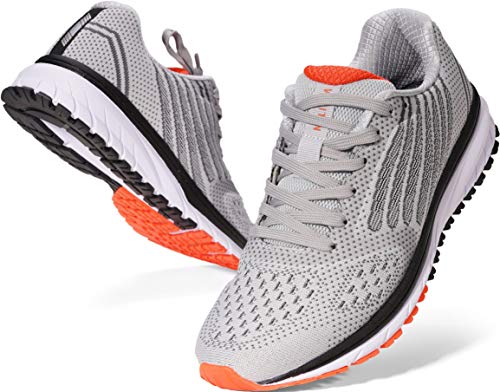
Joomra Whitin Mens Lightweight Tennis Shoes Arch Supportive Running Walking Fitness Size 12 Cushioned Cross Training Footwear for Man Runny Athletic Workout Sneakers Gray 46
Slightly structured engineered knit upper
As an affiliate, we earn on qualifying purchases.
As an affiliate, we earn on qualifying purchases.
Frequently Asked Questions
What Should I Eat Before Long Runs?
Before long runs, you should focus on nutrition tips that fuel your body without causing discomfort. Aim to eat a light, carbohydrate-rich meal about 1-3 hours before your run, such as a banana with peanut butter or toast with honey. Proper meal timing guarantees you have enough energy without feeling weighed down. Stay hydrated, and avoid high-fat or high-fiber foods that might upset your stomach during the run.
How Do I Prevent Injuries During Training?
To prevent injuries during training, make certain you wear proper footwear that offers support and fits well. Incorporate regular stretching routines before and after runs to improve flexibility and reduce strain. Listen to your body—don’t push through pain—and gradually increase your mileage to avoid overtraining. Staying hydrated and maintaining good nutrition also help keep your muscles strong and resilient, lowering your risk of injury.
Can I Modify the Plan for Different Paces?
Yes, you can modify your plan for different paces. Adjust your training paces based on your current fitness level and goals, ensuring you still follow the overall structure. Make plan adjustments by slowing down or speeding up your runs as needed, but keep the weekly mileage and intensity balanced. This way, you stay on track while accommodating your individual pace, reducing injury risk and improving performance.
What Gear Is Essential for Training?
Did you know that proper gear can reduce injury risk by up to 30%? For your training, you’ll need reliable running shoes to support your feet and moisture-wicking apparel to keep you dry and comfortable. These essentials help you perform your best and stay injury-free. Invest in quality gear, and you’ll find your training more effective and enjoyable, making it easier to stay motivated throughout your 10-week journey.
How Do I Stay Motivated Throughout 10 Weeks?
To stay motivated through 10 weeks, focus on motivation boosters like celebrating small wins and setting achievable goals. Surround yourself with accountability partners who encourage and support you, making it harder to give up. Keep track of your progress, visualize your success, and remind yourself why you started. Regularly invigorating your routines and rewarding yourself can also help maintain your enthusiasm and commitment throughout the journey.

MAGCOMSEN Sun Protection Shirts for Women Long Sleeve UV Lightweight Moisture Wicking Summer T Shirt for Running Workout
Polyester Material, Lightweight, Quick Dry, Moisture Wickingand Comfortable
As an affiliate, we earn on qualifying purchases.
As an affiliate, we earn on qualifying purchases.
Conclusion
Remember, crossing that 10K finish line isn’t just about training; it’s about proving to yourself that you can overcome challenges and push your limits. Some believe the mind holds the true power over physical endurance, and recent studies suggest mental resilience can boost performance even more than training alone. So stay motivated, trust your journey, and believe in your strength—you’re capable of more than you think. Your 10K victory is within reach.

LIVIKEY Fitness Tracker Watch with Heart Rate Monitor, Activity Tracker with Pedometer, Sleep Monitor, Calories & Step Counter, IP68 Waterproof Smart Watches for Women Men Fitness Watch for Sports
Heart Rate and Sleep Monitoring: The Fitness Tracker monitors your heart rate automatically all day, and you can…
As an affiliate, we earn on qualifying purchases.
As an affiliate, we earn on qualifying purchases.

AiRunTech Hydration Running Belt with Bottles Zero Bounce Design for Running, Triathlon, Marathon, 10K, 5K, Trail Fit for Most Smartphones(2 * 10OZ bottle)
ANTI-SLIP TECHNOLOGY FOR ULTIMATE FIT AND FRICTION-FREE COMFORT : AiRunTech Upgraded run belt hook&loop tape's in place nicely…
As an affiliate, we earn on qualifying purchases.
As an affiliate, we earn on qualifying purchases.