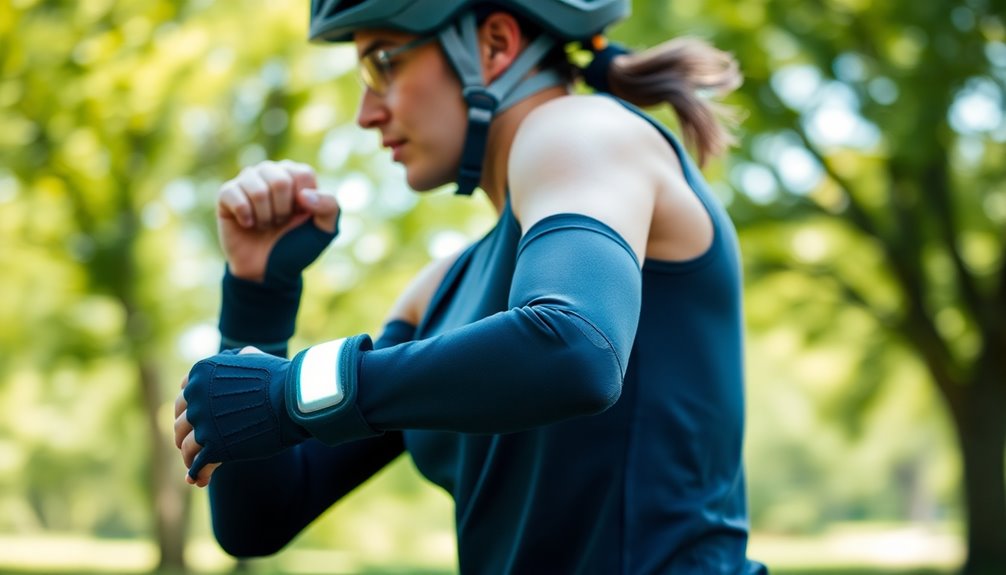

Choosing the right safety accessories can significantly reduce injury risk while maintaining peak performance. In 2026, three standout options dominate the market: the Q-Collar, the SOCCERBEE X-Vest, and the Forcefield Impact Headband. Each caters to different athlete needs, from additional head safety to body tracking, but they all balance protection with comfort. The main tradeoffs involve effectiveness, compatibility, and cost, making it essential to match the product to your specific sport and safety priorities.

Get workout gear delivered free with Prime
- Fast, free delivery on millions of items
- Prime Video, Amazon Music and more included
- Member-only deals all year
Complete the kit
Key Takeaways
- The Q-Collar offers noninvasive head protection compatible with various helmets but lacks specific efficacy data.
- The SOCCERBEE X-Vest provides lightweight, unisex body tracking for outdoor sports, though it doesn’t include a GPS device.
- The Forcefield Impact Headband delivers impact protection in a breathable, comfortable design, suitable for less intense sports.
- Each product has distinctive tradeoffs: effectiveness, usability, and price vary significantly depending on athlete needs.
- Matching the accessory to your sport and safety focus is crucial for optimal protection and performance.
| Q-Collar: Protective Gear for Athletes in Football, Soccer, Lacrosse, Hockey & More |  | Best for Head Safety Enhancement | Endorsements: Super Bowl Champion Drue Tranquill, Tony Pollard, Jeremy Ebobisse, Meghan Klingenberg | Use: Football, soccer, lacrosse, hockey, basketball, and more | Features: Lightweight, durable, easy to wear, compatible with helmets and padding | VIEW ON AMAZON | See Our Full Breakdown |
| SOCCERBEE X-Vest – Chest-Open GPS Tracker Vest for Outdoor Team Sports Athletes | 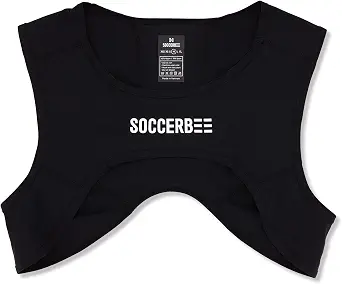 | Best for Outdoor Performance Tracking | Fabric: 87% Polyester, 13% Spandex | Care Instructions: Hand wash only, do not use a dryer | Closure: Pull-on | VIEW ON AMAZON | See Our Full Breakdown |
| Protective Headgear for Teens and Adults Ultra Protective Headband by Forcefield |  | Best for Impact Absorption in Less Contact-intensive Sports | Material: 70% Neoprene, 25% nylon, 5% polyester | Core: ventilated polymeric | Made in: USA | VIEW ON AMAZON | See Our Full Breakdown |
More Details on Our Top Picks
Q-Collar: Protective Gear for Athletes in Football, Soccer, Lacrosse, Hockey & More
The Q-Collar stands out for providing an added layer of safety without altering existing helmets or gear. Its noninvasive design makes it suitable for athletes in high-impact sports like football, hockey, and lacrosse. Unlike bulky helmets or invasive headgear, this collar uses gentle pressure to potentially reduce brain movement during impacts, which could lower injury risk. However, the lack of specific effectiveness data and the need for proper fitting are notable tradeoffs. Compared with the impact-tested headbands, the Q-Collar offers a more integrated, less intrusive solution, but it might not replace traditional helmets in high-impact situations.
Pros:- Provides an extra layer of safety without affecting performance
- Noninvasive and safe with no reported adverse events
- Easy to wear, compatible with existing helmets and pads
Cons:- Specific effectiveness data is not publicly available
- May not replace traditional protective gear in high-impact sports
- Proper fitting is essential for safety benefits
Best for: Athletes seeking to add head safety without sacrificing comfort or performance, especially in sports already requiring helmets.
Not ideal for: Those who need proven injury reduction data or participate in sports where helmet replacement is necessary for safety.
- Endorsements:Super Bowl Champion Drue Tranquill, Tony Pollard, Jeremy Ebobisse, Meghan Klingenberg
- Use:Football, soccer, lacrosse, hockey, basketball, and more
- Features:Lightweight, durable, easy to wear, compatible with helmets and padding
Our verdict“A practical, noninvasive safety addition ideal for athletes in helmeted sports looking for extra protection without performance compromise.”
SOCCERBEE X-Vest – Chest-Open GPS Tracker Vest for Outdoor Team Sports Athletes
The SOCCERBEE X-Vest offers a lightweight, harness-style design that suits athletes in outdoor team sports like soccer, football, and lacrosse. Its unisex fit and breathable fabric make it comfortable during intense activity. While it excels in providing a durable, unobtrusive way to carry tracking devices—ideal for coaches and trainers—the vest does not include a GPS tracker, requiring an additional purchase. Compared to protective headgear, the X-Vest emphasizes performance monitoring over impact protection, making it less suitable for high-impact collision sports. Its care instructions, which involve hand washing, may also be inconvenient for some athletes.
Pros:- Lightweight and comfortable for active sports
- Unisex, suitable for both men and women
- Durable polyester-spandex fabric
Cons:- GPS tracker not included, adds extra cost
- Requires careful maintenance with hand washing
- Limited impact protection features
Best for: Coaches and athletes who want to monitor performance metrics in outdoor team sports without sacrificing comfort.
Not ideal for: Athletes requiring integrated impact protection or who prefer machine washable gear.
- Fabric:87% Polyester, 13% Spandex
- Care Instructions:Hand wash only, do not use a dryer
- Closure:Pull-on
- Design:Chest-open harness style
- Origin:Imported
Our verdict“A streamlined, durable vest designed for performance tracking, best suited for outdoor team sports where monitoring outweighs impact safety needs.”
Protective Headgear for Teens and Adults Ultra Protective Headband by Forcefield
The Forcefield Ultra Protective Headband provides impact mitigation in a lightweight, ventilated design suitable for casual or moderate-contact activities. Made from a combination of neoprene, nylon, and a ventilated polymer core, it offers a comfortable fit that can be worn under other gear or alone. While it meets standards from ASTM, FIFA, and CEII, its protective capacity is more limited compared to full helmets or specialized impact gear, making it better suited for activities like running, cycling, or recreational sports. The design might not appeal to all due to limited color options and a less aggressive look, but it excels in breathability and moisture-wicking comfort.
Pros:- Lightweight and moisture-wicking for comfort
- Impact tested and safety certified
- Adjustable fit with velcro closure
Cons:- Limited protection for high-impact sports
- Design may not appeal to all users
- Color options are limited
Best for: Athletes in sports where impact protection is desirable but full helmets are unnecessary, such as running or casual sports.
Not ideal for: High-impact sports like football or hockey requiring maximum impact absorption and helmet-level protection.
- Material:70% Neoprene, 25% nylon, 5% polyester
- Core:ventilated polymeric
- Made in:USA
- Standards:ASTM, FIFA, CEII
Our verdict“A comfortable, impact-absorbing headband suited for moderate-impact activities, not a replacement for full protective helmets in contact sports.”

How We Picked
Our selection process focused on integrated safety accessories that enhance athlete protection without compromising performance. We prioritized recent innovations that combine comfort, durability, and compatibility with existing gear across a range of sports. Effectiveness, user-friendliness, and safety certifications played a key role, alongside reviews of real-world use and tradeoffs like cost and ease of maintenance. The final picks reflect options suitable for different athlete profiles, from contact sports to outdoor training.
Factors to Consider When Choosing Integrated Safety Accessories For Athletes
When selecting integrated safety accessories for athletes, it’s essential to consider the specific risks associated with your sport, your comfort preferences, and whether added protection or performance monitoring is your priority. The best gear should seamlessly integrate with your existing equipment while providing confidence that you’re better protected without hindering your movement or performance. Understanding these factors will help you choose the right product that balances safety, usability, and cost-effectiveness.
Assess Your Sport and Safety Needs
Different sports pose varying injury risks, so it’s vital to match your safety gear to your activity. Contact sports like football or hockey demand impact-resistant gear, while outdoor running or cycling may benefit more from impact-absorbing accessories or monitoring devices. Clarify whether your goal is injury prevention, performance tracking, or both, to select the most suitable option.
Evaluate Compatibility and Comfort
Look for gear that fits comfortably under or over your existing equipment. Noninvasive options like the Q-Collar are easy to wear without affecting performance, whereas harness-style vests can add bulk. Comfort features such as breathability, adjustability, and ease of use are critical to ensure you actually wear the gear consistently during activities.
Consider Safety Certifications and Proven Effectiveness
Safety certifications from recognized standards organizations provide peace of mind about a product’s protective qualities. While some accessories, like impact headbands, are impact-tested, others may lack conclusive effectiveness data. Weigh the importance of proven safety versus innovative design based on your risk profile and sport requirements.
Balance Cost and Features
More advanced protective gear often comes at a higher price. Consider whether the added protection or tracking features justify the investment. For example, the X-Vest’s tracking capabilities might be worth it for coaches, but casual athletes may prefer simpler, less costly options like the headband or collar. Always compare the features against your specific safety priorities and budget.
Frequently Asked Questions
Are integrated safety accessories effective for preventing injuries?
Many integrated safety accessories are designed to complement traditional protective gear or provide additional layers of safety. While some, like impact headbands, are impact-tested and certified, others may lack extensive efficacy data. It’s important to match the gear to your sport’s injury risks and recognize that no accessory can eliminate injury entirely. Proper fitting and consistent use are crucial for maximizing their protective benefits.
Can I wear these accessories with my existing protective gear?
Most of these accessories are designed for compatibility with existing equipment. For example, the Q-Collar is lightweight and fits under helmets or padding, while the X-Vest is meant to be worn over or under jerseys. Always check the product specifications for compatibility and ensure that wearing additional gear doesn’t hinder your movement or comfort during play.
Are these products suitable for all age groups?
Suitability varies by product. The Q-Collar is generally suitable for athletes of all ages engaged in helmeted sports, but proper fitting is essential. The Forcefield headband is designed for teens and adults, with adjustable features. The X-Vest’s unisex design makes it versatile for different body types but requires careful fitting for younger athletes. Always follow manufacturer guidelines regarding age and size recommendations.
How do I choose between impact protection and tracking features?
Deciding whether to prioritize impact protection or performance tracking depends on your activities and safety concerns. If injury prevention in contact sports is your goal, impact protection accessories like the headband or collar are better suited. For outdoor training or coaching, tracking devices like the X-Vest provide valuable data but offer less impact mitigation. Sometimes, combining both approaches offers the best overall safety strategy.
What maintenance is required for these safety accessories?
Maintenance varies by product. The X-Vest requires hand washing to preserve fabric integrity, while the headband is lightweight and typically washable in a machine if specified. The Q-Collar generally needs minimal cleaning, mostly wiping down for hygiene. Regular inspection for wear and proper fitting will help maintain safety and comfort over time.
Conclusion
For athletes prioritizing head safety in helmeted sports, the Q-Collar offers a noninvasive, comfortable enhancement. Those involved in outdoor team sports focused on performance monitoring should consider the SOCCERBEE X-Vest, despite its extra maintenance needs. Athletes in recreational or less impactful activities seeking impact absorption might find the Forcefield Headband to be an effective, lightweight solution. Matching your specific sport, safety requirements, and comfort preferences will ensure you select the accessory that best supports your athletic endeavors in 2026.
Fall Picks
fall essentials
As an affiliate, we earn on qualifying purchases.