
Searching for the best running cookbooks in 2026? The right cookbook can make a big difference in your training—offering recipes that boost energy, aid recovery, and fit into your busy schedule. The Runner’s World Meals on the Run stands out as the best overall pick for its quick, energy-packed recipes, while Run Fast. Cook Fast. Eat Slow. is ideal for athletes who want nourishing meals that don’t take hours to prepare. A common tradeoff in this category is balancing comprehensive nutrition advice against quick, easy recipes. Keep reading for a detailed breakdown of these options to find the best fit for your running goals.
Complete the kit


Key Takeaways
- Top-ranked cookbooks balance quick prep with nutritional depth, catering to busy athletes.
- Plant-based options like ‘Running on Veggies’ offer excellent fuel but may lack some traditional macronutrients for intense training.
- More comprehensive meal plans often come with a higher price or complexity, suited for dedicated runners.
- The best cookbooks for beginners focus on simple, straightforward recipes, avoiding overly technical ingredients.
- Specialized titles like marathon or ultra-distance cookbooks provide tailored nutrition strategies, but may be less versatile for casual runners.
| Runner’s World Meals on the Run: 150 Energy-Packed Recipes in 30 Minutes or Less: A Cookbook |  | Best Quick-Fix Recipes for Runners on a Tight Schedule | Number of recipes: 150 | Preparation time: 30 minutes or less | Focus: Energy-boosting, quick meals | VIEW ON AMAZON | See Our Full Breakdown |
| Rise and Run: Recipes, Rituals and Runs to Fuel Your Day: A Cookbook |  | Best for Holistic Runners Seeking Rituals and Mindful Eating | Number of recipes: 80 | Focus: Holistic wellness and rituals | Target audience: Mindful runners and wellness seekers | VIEW ON AMAZON | See Our Full Breakdown |
| The Runner’s Kitchen: 100 Stamina-Building, Energy-Boosting Recipes, with Meal Plans to Maximize Your |  | Best for Endurance and Stamina-Focused Runners | Number of recipes: 100 | Meal plans: Yes, detailed | Focus: Endurance and stamina | VIEW ON AMAZON | See Our Full Breakdown |
| Run Fast. Cook Fast. Eat Slow.: Quick-Fix Recipes for Hangry Athletes: A Cookbook |  | Best for Athletes Needing Fast, Filling Meals After Running | Number of recipes: 80 | Preparation time: Under 30 minutes | Focus: Post-run recovery | VIEW ON AMAZON | See Our Full Breakdown |
| The Endurance Training Diet & Cookbook: The How, When, and What for Fueling Runners and Triathletes to Improve Performance |  | Best for Serious Endurance Athletes and Triathletes | Number of recipes: 120 | Meal timing guidance: Yes | Focus: Performance and endurance | VIEW ON AMAZON | See Our Full Breakdown |
| Running on Veggies: Plant-Powered Recipes for Fueling and Feeling Your Best |  | Best for Plant-Based Runners Seeking Energy and Recovery | Focus: Plant-based, whole foods | Recipe count: Over 80 recipes | Dietary focus: Vegetarian, vegan options | VIEW ON AMAZON | See Our Full Breakdown |
| The Ultimate Recipes for Runners Cookbook: 100+ Pre-Run and Post-Run Recipes with Nutrition Strategies and a 7-Day Meal Plan |  | Best for Runners Who Want a Clear Performance-Focused Meal Plan | Recipe count: Over 100 recipes | Meal plan: 7-day structured plan | Focus: Pre- and post-run nutrition | VIEW ON AMAZON | See Our Full Breakdown |
| The Ultimate Cookbook for Runners: Delicious Recipes for Optimal Performance and Endurance – Perfect for Marathon and Ultra Runners – One-Stop Kitchen … and Faster You (Run to Eat, Eat to Run!) |  | Best for Endurance Athletes Seeking Performance Recipes | Recipe count: Over 150 recipes | Focus: Endurance, flavor | Diet type: Performance-oriented, flexible | VIEW ON AMAZON | See Our Full Breakdown |
| Marathon Diet Cookbook For Beginners: High-Performance Recipes to Prepare, Train, and Recover for Marathon and Long-Distance Running |  | Best for New Marathon Runners Starting Their Nutrition Journey | Recipe count: Over 80 recipes | Focus: Training, recovery | Dietary considerations: General, beginner-friendly | VIEW ON AMAZON | See Our Full Breakdown |
| Meal Prep Cookbook for Runners: Healthy Meals to Prepare, Grab, and Go |  | Best for Busy Runners Who Value Convenience and Nutrition | VIEW ON AMAZON | See Our Full Breakdown | |||
| The Runner’s World Cookbook: 150 Ultimate Recipes for Fueling Up and Slimming Down |  | Best Overall Runner’s Cookbook | Number of recipes: 150 | Focus: Fueling and weight loss | Suitable for: Beginners to intermediate runners | VIEW ON AMAZON | See Our Full Breakdown |
| Skratch Labs Feed Zone Portables Cookbook |  | Best for On-the-Go Nutrition | Number of recipes: 75 | Dietary options: Vegetarian, gluten-free | Format: Hardcover | VIEW ON AMAZON | See Our Full Breakdown |
| Run Fast. Eat Slow.: Nourishing Recipes for Athletes: A Cookbook | 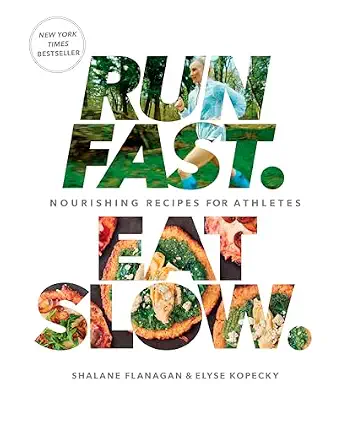 | Best for Nourishing, Whole-Food Focus | Focus: Whole foods and nourishment | Recipe count: Various | Suitable for: Athletes interested in mindful eating | VIEW ON AMAZON | See Our Full Breakdown |
| Run Fast Cook Fast Eat Slow Cookbook: Quick recipes for hungry athletes |  | Best for Fast, Easy Meals | Recipe speed: Quick | Number of recipes: Various | Focus: Fast recovery meals | VIEW ON AMAZON | See Our Full Breakdown |
| running cookbook | Focus | Number of recipes | Preparation time |
|---|---|---|---|
| Runner’s World Meals on the Ru | Energy-boosting, quick meals | 150 | 30 minutes or less |
| Rise and Run: Recipes | Holistic wellness and rituals | 80 | — |
| The Runner’s Kitchen: 100 Stam | Endurance and stamina | 100 | Varies, often longer |
| Run Fast. Cook Fast. Eat Slow. | Post-run recovery | 80 | Under 30 minutes |
| The Endurance Training Diet & | Performance and endurance | 120 | — |
| Running on Veggies: Plant-Powe | Plant-based, whole foods | — | 15-45 minutes per recipe |
| The Ultimate Recipes for Runne | Pre- and post-run nutrition | — | 20-60 minutes per recipe |
| The Ultimate Cookbook for Runn | Endurance, flavor | — | 20-60 minutes |
| Marathon Diet Cookbook For Beg | Training, recovery | — | 15-30 minutes |
| Meal Prep Cookbook for Runners | — | — | — |
| The Runner’s World Cookbook: 1 | Fueling and weight loss | 150 | — |
| Skratch Labs Feed Zone Portabl | — | 75 | — |
| Run Fast. Eat Slow.: Nourishin | Whole foods and nourishment | — | — |
| Run Fast Cook Fast Eat Slow Co | Fast recovery meals | Various | — |
More Details on Our Top Picks
Runner’s World Meals on the Run: 150 Energy-Packed Recipes in 30 Minutes or Less: A Cookbook
This cookbook stands out for its focus on delivering energy-packed recipes that can be prepared in 30 minutes or less, making it ideal for busy runners. Compared to Run Fast. Cook Fast. Eat Slow., which emphasizes nourishing meals for athletes, this book prioritizes speed and convenience, though it sacrifices some complexity in flavor and variety. The recipes are straightforward, designed to fit into a hectic running routine, but they might lack gourmet appeal or deep nutritional customization. Its strength lies in helping runners stay fueled without long prep times, but it may not satisfy those looking for gourmet or specialized meal plans.
Pros:- 150 recipes designed for rapid preparation
- Focus on energy-boosting ingredients
- Ideal for busy mornings or post-run refueling
Cons:- Limited variety for those wanting diverse cuisines
- Some recipes may lack depth in flavor or complexity
Best for: Runners with busy schedules who need quick, energy-boosting meals on the go
Not ideal for: Home cooks seeking gourmet recipes or detailed meal planning beyond quick meals
- Number of recipes:150
- Preparation time:30 minutes or less
- Focus:Energy-boosting, quick meals
- Cuisine styles:Varied, mostly simple
- Meal type:Breakfast, snacks, post-run
- Target audience:Busy runners
Our verdict“This cookbook is best for runners needing fast, reliable fuel options during hectic days.”
Rise and Run: Recipes, Rituals and Runs to Fuel Your Day: A Cookbook
Compared with The Runner’s Kitchen, which emphasizes stamina-building recipes, Rise and Run uniquely integrates meal ideas with daily rituals and mindfulness practices, appealing to runners who see nutrition as part of a broader lifestyle. While it may lack the volume of recipes found in The Runner’s Kitchen, its approach offers more personalized rituals that can enhance motivation and consistency. However, its recipes tend to be more focused on holistic wellness rather than high-performance nutrition, so serious athletes might find it less comprehensive for intense training phases. It’s a good pick for runners who want to combine nutrition with mental and ritualistic routines.
Pros:- Blends recipes with rituals and mindfulness practices
- Focus on overall well-being and balanced energy
- Suitable for runners new to mindful eating
Cons:- Less emphasis on rapid meal prep
- Fewer high-energy recipes for intense training days
Best for: Runners interested in integrating nutrition with mindfulness and daily rituals
Not ideal for: Competitive athletes seeking highly specific, performance-focused meal plans
- Number of recipes:80
- Focus:Holistic wellness and rituals
- Target audience:Mindful runners and wellness seekers
- Includes:Rituals, routines, recipes
- Meal planning:Flexible, lifestyle-oriented
- Training focus:General wellness, not performance
Our verdict“This book suits runners seeking a holistic approach that combines nutrition with daily mindfulness routines.”
The Runner’s Kitchen: 100 Stamina-Building, Energy-Boosting Recipes, with Meal Plans to Maximize Your
This book is a strong choice for runners who prioritize stamina and endurance, offering 100 recipes designed to boost energy levels and support long-distance training. Unlike Run Fast. Cook Fast. Eat Slow., which emphasizes quick meals for athletes, The Runner’s Kitchen dives deeper into meal plans that align with endurance goals, making it ideal for marathoners or ultra runners. Its detailed meal plans help structure nutrition around training cycles, but the focus on stamina may come at the expense of variety or quick prep options. It’s perfect for dedicated endurance runners willing to spend more time on meal planning and preparation.
Pros:- 100 stamina-boosting recipes
- Includes detailed meal plans
- Designed to support long-distance training
Cons:- Meal plans may be complex or time-consuming
- Less suitable for quick, everyday meals
Best for: Endurance athletes looking to optimize stamina with structured meal plans
Not ideal for: Casual runners or those needing fast, simple meals for daily runs
- Number of recipes:100
- Meal plans:Yes, detailed
- Focus:Endurance and stamina
- Training type:Long-distance, marathon
- Preparation time:Varies, often longer
- Audience:Endurance-focused runners
Our verdict“Ideal for long-distance runners who want a structured, stamina-focused nutrition plan.”
Run Fast. Cook Fast. Eat Slow.: Quick-Fix Recipes for Hangry Athletes: A Cookbook
This book excels at providing quick, satisfying recipes designed to feed athletes immediately after intense runs, aligning well with Run Fast Cook Fast Eat Slow, but with a sharper focus on quick-fix solutions for hungry runners. Its recipes tend to be straightforward, hearty, and suitable for recovery, yet it may lack the broader nutritional planning or variety found in The Runner’s Kitchen. Compared with the speed-oriented Runner’s World Meals on the Run, this book emphasizes flavor and satiety, making it a great choice for hungry athletes who want fast, comforting meals without sacrificing nutrition. However, it may fall short for those seeking detailed training nutrition strategies.
Pros:- Quick, easy recipes for immediate post-run refueling
- Focus on satisfying, hearty meals
- Suitable for athletes with little time to cook
Cons:- Limited focus on pre-run or training nutrition
- Less variety in dietary customization
Best for: Runners who need quick, hearty meals to satisfy post-run hunger
Not ideal for: Runners seeking detailed meal plans or performance-specific nutrition strategies
- Number of recipes:80
- Preparation time:Under 30 minutes
- Focus:Post-run recovery
- Cuisine style:Hearty, simple
- Target:Hungry athletes
- Meal type:Post-run, recovery
Our verdict“Perfect for runners seeking fast, filling meals to recover quickly after workouts.”
The Endurance Training Diet & Cookbook: The How, When, and What for Fueling Runners and Triathletes to Improve Performance
This comprehensive guide is tailored for athletes engaged in intense, long-duration training, offering detailed advice on when and what to eat to maximize performance. Unlike The Runner’s Kitchen, which provides stamina-focused recipes, this book emphasizes timing and strategic fueling, making it ideal for triathletes or marathoners in peak training phases. Its detailed meal timing charts and performance-driven recipes can be overwhelming for casual runners or those seeking simple meal ideas. Still, for dedicated endurance athletes, this resource offers actionable insights to improve race day performance and recovery, though it requires more effort to implement.
Pros:- In-depth guidance on fueling strategies
- Includes detailed meal timing and nutrition plans
- Focus on performance optimization and recovery
Cons:- Complex and time-consuming to follow
- Primarily suited for serious training phases
Best for: Advanced runners and triathletes aiming to optimize race-day performance through precise nutrition
Not ideal for: Casual or recreational runners seeking straightforward, everyday meal plans
- Number of recipes:120
- Meal timing guidance:Yes
- Focus:Performance and endurance
- Target audience:Serious runners and triathletes
- Complexity:High
- Training phase:Peak, race preparation
Our verdict“This book is best for endurance athletes committed to detailed, performance-oriented nutrition strategies.”
Running on Veggies: Plant-Powered Recipes for Fueling and Feeling Your Best
While many running cookbooks focus on traditional or protein-heavy diets, Running on Veggies makes a compelling case for plant-based fueling. It excels at offering flavorful, nutrient-dense recipes that prioritize vegetables, grains, and legumes, which can be especially beneficial for runners looking to reduce processed foods. Compared with the more performance-focused The Ultimate Recipes for Runners Cookbook, this book emphasizes whole foods and sustainability, though it may lack the specific pre- and post-run meal strategies some athletes seek. The recipes are straightforward, but those with dietary restrictions outside vegetarianism might find it less adaptable. Tradeoffs involve a narrower focus on plant nutrition, which might require supplementing with other cookbooks for complete performance plans.
Pros:- Emphasizes whole, nutrient-rich plant foods
- Offers flavorful, easy-to-make recipes
- Supports sustainability and reduced environmental impact
Cons:- Limited focus on performance-specific nutrition strategies
- May require additional sources for high-protein needs
Best for: Vegans or vegetarians who want to optimize their running diet with plant-based meals
Not ideal for: Runners seeking high-protein or meat-inclusive recipes for muscle recovery
- Focus:Plant-based, whole foods
- Recipe count:Over 80 recipes
- Dietary focus:Vegetarian, vegan options
- Meal types:Breakfast, lunch, dinner, snacks
- Preparation time:15-45 minutes per recipe
- Additional features:Nutritional tips, meal prep ideas
Our verdict“Ideal for plant-based runners who prioritize nutrition and sustainability over detailed performance meal plans.”
The Ultimate Recipes for Runners Cookbook: 100+ Pre-Run and Post-Run Recipes with Nutrition Strategies and a 7-Day Meal Plan
This cookbook stands out for its comprehensive approach, combining over 100 tailored recipes with detailed nutrition strategies and a structured 7-day meal plan. It’s better suited to runners seeking an all-in-one guide to optimize endurance and recovery than the more general Run Fast. Cook Fast. Eat Slow., which emphasizes quick recipes without structured plans. However, it falls short on specific dietary restrictions or preferences, making it less ideal for those with allergies or specific diet needs. The focus on pre- and post-run meals, along with performance-oriented nutrition advice, makes it a practical choice for serious runners, though the lack of detailed ingredient lists might challenge those with specialized diets.
Pros:- Includes a detailed 7-day meal plan for consistency
- Offers a variety of pre- and post-run recipes
- Focuses on enhancing endurance and recovery
Cons:- Limited info on dietary restrictions or ingredient specifics
- No detailed nutritional breakdowns for each recipe
Best for: Intermediate to advanced runners looking for a structured, performance-oriented meal plan
Not ideal for: Beginners or runners with restrictive diets needing tailored recipes or ingredient details
- Recipe count:Over 100 recipes
- Meal plan:7-day structured plan
- Focus:Pre- and post-run nutrition
- Dietary considerations:General, no specific restrictions
- Additional features:Nutrition strategies, tips
- Preparation time:20-60 minutes per recipe
Our verdict“Best suited for runners who want a comprehensive, plan-based approach to fueling and recovery.”
The Ultimate Cookbook for Runners: Delicious Recipes for Optimal Performance and Endurance – Perfect for Marathon and Ultra Runners – One-Stop Kitchen … and Faster You (Run to Eat, Eat to Run!)
This book makes a strong case for combining taste with endurance needs, offering a broad selection of recipes designed specifically for marathon and ultra runners. Compared with Marathon Diet Cookbook For Beginners, it provides a wider variety of options and emphasizes flavor and enjoyment alongside performance. However, its focus on speed and endurance may dilute the detailed nutritional guidance that more specialized books aim to provide, making it less suited for beginners or those with specific dietary restrictions. The recipes are crafted for sustained energy, but some users might find the ingredient list overwhelming or costly.
Pros:- Tailored for long-distance endurance athletes
- Offers a variety of flavorful, energy-boosting recipes
- Designed to support both training and recovery
Cons:- Less detailed on nutritional breakdowns
- May require specialty ingredients
Best for: Experienced marathon and ultra runners wanting flavorful, endurance-focused recipes
Not ideal for: Beginners or runners with limited pantry resources needing simple, quick meals
- Recipe count:Over 150 recipes
- Focus:Endurance, flavor
- Diet type:Performance-oriented, flexible
- Suitable for:Marathoners, ultramarathoners
- Preparation time:20-60 minutes
- Additional features:Energy-boosting tips
Our verdict“Ideal for seasoned endurance runners who want flavorful, performance-enhancing recipes without complex meal plans.”
Marathon Diet Cookbook For Beginners: High-Performance Recipes to Prepare, Train, and Recover for Marathon and Long-Distance Running
Designed with newcomers in mind, this cookbook offers straightforward, high-performance recipes aimed at helping beginners prepare for the marathon. It excels at demystifying the complex nutrition needed for long-distance running, unlike more advanced books like The Runner’s Kitchen. While the recipes are easy to follow and practical, the book’s focus on beginners means it might lack the depth or variety experienced runners seek. It also provides limited guidance on dietary restrictions, which could be a drawback for some. Still, its simplicity and targeted advice make it a solid starting point for those new to marathon training.
Pros:- Simple, easy-to-follow recipes
- Focuses on high-performance nutrition
- Great for beginners establishing good habits
Cons:- Limited recipe variety for seasoned athletes
- Lacks detailed dietary customization options
Best for: First-time marathon runners needing simple, effective nutrition plans
Not ideal for: Experienced runners looking for gourmet recipes or advanced nutrition strategies
- Recipe count:Over 80 recipes
- Focus:Training, recovery
- Dietary considerations:General, beginner-friendly
- Meal types:Main meals, snacks
- Preparation time:15-30 minutes
- Additional features:Training tips, beginner guidance
Our verdict“Perfect for novice marathoners seeking a straightforward introduction to performance nutrition.”
Meal Prep Cookbook for Runners: Healthy Meals to Prepare, Grab, and Go
This cookbook is especially helpful for athletes juggling a busy schedule, providing practical meal prep recipes that emphasize health and convenience. It shines for those who want to ensure consistent, nutritious intake without daily cooking, standing out compared to more recipe-heavy books like The Ultimate Recipes for Runners. However, its focus on grab-and-go meals means it may lack the variety or complexity some runners prefer for flavor or culinary exploration. The absence of detailed ingredient lists or reviews also limits its appeal for those with dietary restrictions or ingredient sensitivities.
Pros:- Provides easy, healthy meal prep recipes
- Ideal for busy schedules and convenience
- Encourages consistent healthy eating habits
Cons:- Limited recipe variety and complexity
- No detailed ingredient or nutrition info
Best for: Time-constrained runners needing nutritious, ready-to-eat meals
Not ideal for: Athletes seeking gourmet cooking experiences or detailed nutritional info
Our verdict“Best for athletes who prioritize convenience and consistent nutrition over gourmet variety.”
The Runner’s World Cookbook: 150 Ultimate Recipes for Fueling Up and Slimming Down
This cookbook stands out for offering a comprehensive collection of 150 recipes tailored specifically for runners who want to fuel their workouts without sacrificing flavor. Compared with ‘Run Fast. Eat Slow.’, it emphasizes weight management alongside performance, making it ideal for those focused on slimming down while staying energized. The recipes are practical and straightforward, though the lack of detailed nutritional info or step-by-step instructions could leave some cooks guessing. Its wide variety makes it suitable for both beginner and seasoned runners, but those seeking precise macros might find it incomplete.Pros:- Large collection of recipes tailored for runners’ nutritional needs
- Focus on flavor and healthy ingredients
- Supports weight loss and active lifestyles
Cons:- No detailed nutritional information included
- Some recipes lack comprehensive cooking instructions
Best for: Runners seeking a balanced mix of fuel and weight control, especially beginners or intermediate athletes.
Not ideal for: Advanced athletes needing detailed nutritional breakdowns or gourmet-level recipes, as it emphasizes simplicity over precision.
- Number of recipes:150
- Focus:Fueling and weight loss
- Suitable for:Beginners to intermediate runners
- Nutritional info:Not specified
- Format:Print
Our verdict“This cookbook is perfect for runners who want a versatile, approachable collection of fueling recipes that support weight management.”
Skratch Labs Feed Zone Portables Cookbook
This pick excels for athletes who need portable, nutritious snacks, making it the ideal companion to the more comprehensive ‘The Runner’s World Cookbook’. Compared with that, it offers 75 quick recipes designed for busy, active days, with detailed nutritional data and colorful photography that motivate quick prep. Its focus on portability and specific dietary needs like vegetarian and gluten-free options makes it less suitable for those seeking full meal plans or gourmet recipes. The hardcover format might be less convenient for cooking on the trail or at the gym, but its focus on convenience and nutrition makes it a standout for on-the-move athletes.Pros:- 75 nutritious, easy-to-make portable recipes
- Includes vegetarian and gluten-free options
- Full-color photos and nutritional data
Cons:- Hardcover format limits portability
- Some recipes require specialized ingredients
Best for: Runners and triathletes who prioritize portable, nutritious snacks for training and racing.
Not ideal for: Home cooks seeking full meals or those looking for recipes with a broader dietary scope, as this is primarily snack-focused.
- Number of recipes:75
- Dietary options:Vegetarian, gluten-free
- Format:Hardcover
- Included photos:Yes
- Nutritional info:Provided for each recipe
Our verdict“This cookbook is perfect for athletes needing quick, healthy snacks to fuel their busy training days and races.”
Run Fast. Eat Slow.: Nourishing Recipes for Athletes: A Cookbook
This book makes a compelling case for wholesome, nutrient-dense eating that supports both performance and recovery, making it an excellent complement or alternative to the more performance-centric ‘Run Fast Cook Fast Eat Slow’. Compared to quick recipes, it emphasizes slow, mindful cooking with whole ingredients, which might appeal to athletes who prioritize quality over speed. While it boasts appealing, nourishing recipes, it may not cater well to those needing rapid meal prep or ultrafast fueling options. Its focus on whole foods and mindful eating suits athletes looking for deeper dietary engagement, though it might feel too slow for tight training schedules.Pros:- Focus on whole, nutrient-dense ingredients
- Supports long-term health and recovery
- Appeals to those interested in mindful eating
Cons:- Less suited for quick meal prep
- May require more cooking skills and time
Best for: Runners seeking nourishing, whole-food recipes that support long-term health and recovery.
Not ideal for: Athletes who need quick, easy meals or snacks to eat on the run, as the recipes tend to require more preparation time.
- Focus:Whole foods and nourishment
- Recipe count:Various
- Suitable for:Athletes interested in mindful eating
- Prep time:Longer
- Format:Hardcover / Print
Our verdict“Ideal for runners who want nourishing, flavorful recipes that prioritize health and recovery over speed.”
Run Fast Cook Fast Eat Slow Cookbook: Quick recipes for hungry athletes
This cookbook is crafted for athletes who need quick, satisfying meals after intense training sessions, making it a stark contrast to ‘Run Fast. Eat Slow.’, which focuses on slower, nourishing dishes. Its strength lies in rapid, straightforward recipes designed to get food on the table fast, ideal for busy athletes pressed for time. However, this focus on speed might compromise flavor complexity or nutritional depth, making it less ideal for those seeking more gourmet or balanced meals. It’s perfect for athletes with hectic schedules who prioritize convenience but might fall short for those wanting more culinary variety.Pros:- Quick, simple recipes for hungry athletes
- Designed for post-workout recovery
- Ideal for busy schedules
Cons:- Limited complexity and nutritional detail
- May lack variety for everyday meal planning
Best for: Time-constrained runners and athletes needing rapid, filling meals post-workout.
Not ideal for: Athletes looking for slow-cooked, nourishing recipes or detailed meal plans, as this emphasizes speed over depth.
- Recipe speed:Quick
- Number of recipes:Various
- Focus:Fast recovery meals
- Suitable for:Hectic schedules
- Format:Print
Our verdict“This cookbook is perfect for athletes who need fast, filling meals after training, with minimal fuss.”

How We Picked
These running cookbooks were evaluated based on several key factors: recipe simplicity, nutritional balance, time efficiency, and usability for runners of various levels. We prioritized books with clear, practical meal plans that support different training intensities and distances. The selection also considers build quality—recipes should be reliable and easy to follow—and overall value, balancing cost against the quality and breadth of content. Books with a focus on plant-based or specialized diets were included to reflect different nutritional philosophies. The ranking reflects a combination of versatility, depth, and accessibility for a broad range of runners.Factors to Consider When Choosing Running Cookbooks
Choosing the right running cookbook depends on your training level, dietary preferences, and schedule. Beyond just looking at recipes, consider how well a book supports your specific running goals, whether it’s marathon prep, injury recovery, or maintaining energy on a busy schedule. The following factors will help you identify the best fit for your needs, avoiding common pitfalls like overly complex recipes or lacking nutritional guidance.Recipe Simplicity and Time Commitment
For runners with tight schedules, recipes that can be prepared in 30 minutes or less are essential. Avoid cookbooks that focus on complicated dishes or require rare ingredients, as they can become barriers to consistent use. Simplicity doesn’t mean sacrificing nutrition—look for books that balance ease with performance-boosting ingredients. If you’re new to cooking, a book with step-by-step instructions and minimal prep will promote more regular use.
Nutritional Focus and Customization
Some cookbooks emphasize high carbohydrate intake for endurance, while others focus on plant-based or low-fat options. Think about your specific needs: do you need recovery meals, pre-run snacks, or long-term fuel strategies? The best books offer flexible recipes that can be adjusted to your caloric and macronutrient targets, helping you optimize performance without feeling restricted. Beware of books that lack clear nutritional information or don’t account for dietary restrictions.
Meal Planning and Long-Term Use
Look for cookbooks that provide meal plans, shopping lists, or batch cooking ideas if you want sustained results. These features can help streamline your weekly routine, saving time and reducing decision fatigue. However, some plan-heavy books may feel overwhelming or too rigid, so consider whether you prefer flexible recipes or structured meal schemes. A balanced approach offers guidance without sacrificing variety or spontaneity.
Dietary Preferences and Dietary Restrictions
Whether you’re vegan, vegetarian, gluten-free, or have other dietary needs, ensure the cookbook accommodates these preferences. Some titles are tailored to plant-based diets, providing a wealth of energy-boosting recipes without animal products, while others focus on high-protein, meat-inclusive meals. Choosing a book aligned with your diet ensures better adherence and more satisfying results, but be mindful that some specialized diets might limit recipe variety.
Cost and Content Depth
Price varies widely among running cookbooks, but more expensive options often offer comprehensive meal plans, detailed nutritional info, and extensive recipe collections. Cheaper books may provide good starter recipes but might lack depth or variety. Decide how much guidance you need—if you’re a seasoned athlete, investing in a detailed, premium book might pay off, while beginners may prefer more straightforward, budget-friendly options. Remember, a higher price doesn’t always guarantee better quality, so weigh content against your specific needs.
Frequently Asked Questions
Should I choose a cookbook focused on plant-based recipes or one with more traditional ingredients?
The choice depends on your dietary preferences and performance goals. A plant-based cookbook like ‘Running on Veggies’ offers excellent energy and recovery options, often emphasizing whole foods and antioxidants. However, if you require higher protein levels for strength or muscle building, a more traditional or mixed diet cookbook may be more suitable. Consider how each approach aligns with your taste preferences and nutritional needs, and look for options that allow flexibility so you can adapt recipes over time.
Are detailed meal plans necessary, or should I focus on recipes I can customize?
Meal plans can be incredibly helpful for establishing routines and ensuring balanced nutrition, especially during intense training phases. However, they can also feel restrictive if you prefer variety or spontaneity. If you’re new to cooking or running, a book with structured meal plans might provide valuable guidance. More experienced athletes might prefer recipe collections that allow for customization, giving them flexibility to adapt ingredients and portions based on daily needs or personal preferences.
How important is it for a running cookbook to include recovery-focused recipes?
Recovery is a critical part of any training regimen, and a cookbook with dedicated post-run or recovery recipes can make a noticeable difference in performance and injury prevention. Look for cookbooks that emphasize nutrient-dense ingredients like lean proteins, healthy fats, and anti-inflammatory foods. Including such recipes can help you repair muscles, replenish glycogen stores, and reduce soreness, making recovery meals a worthwhile feature in your selection process.
Should I prioritize cookbooks with quick recipes or more elaborate meal options?
This depends on your schedule and cooking comfort level. If you’re often pressed for time, quick recipes that can be prepared in 30 minutes or less will be more practical. Conversely, if you enjoy cooking and have more leisure time, more elaborate recipes might offer variety and culinary satisfaction. The key is balancing convenience with nutritional quality, ensuring your meals support your training without becoming a chore.
Can I rely solely on a cookbook to meet my nutritional needs as a runner?
While a well-chosen cookbook can significantly improve your diet, it shouldn’t be your only source of nutrition guidance. Combining recipes with personalized meal planning, hydration strategies, and possibly consulting with a sports nutritionist can help tailor your diet to your specific training demands. Use cookbooks as a foundation to build balanced, enjoyable meals rather than a complete, standalone plan, especially during peak training periods or if you have specialized dietary requirements.
Conclusion
For most runners, the Runner’s World Meals on the Run offers a versatile, quick, and energy-focused solution that suits busy lifestyles. Run Fast. Cook Fast. Eat Slow. stands out for athletes seeking nourishing, wholesome meals that can be prepared in advance or on busy days, making it ideal for intermediate to advanced runners. Beginners or those on a tight budget might find more value in straightforward, less expensive options that emphasize simplicity and consistency. For long-distance or specialized training, consider cookbooks like The Endurance Training Diet & Cookbook or Marathon Diet Cookbook for Beginners for tailored strategies. Ultimately, your choice should reflect your training level, dietary preferences, and how much time you want to dedicate to meal prep—each type offers distinct benefits for different runner profiles.