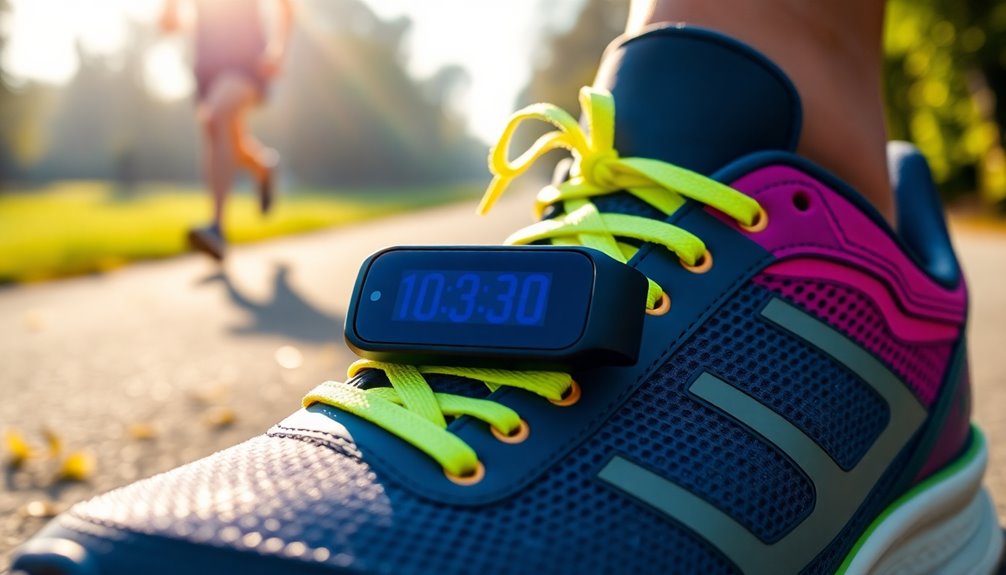

For runners, a reliable wireless fitness monitor can transform training by providing real-time data on heart rate, pace, and recovery. The Garmin vívosmart 5 stands out as the best overall for its accuracy, ease of use, and comprehensive health metrics. If you want affordability without sacrificing core features, the Fitness Tracker with Heart Rate, Blood Pressure, Sleep & Step Tracking offers solid value. For those seeking precise heart rate data during intense runs, the Wahoo TICKR FIT Heart Rate Armband excels with its accuracy and durability. Tradeoffs in this category often involve balancing ease of use with detailed metrics or choosing between wrist-based trackers and armbands. Keep reading to see how these options compare and which one fits your running needs best.
Complete the kit

Key Takeaways
- Top-performing devices combine heart rate accuracy with ease of wear, favoring armbands for precision and wristbands for convenience.
- Budget options can deliver essential features like step counting and sleep tracking, but may lack advanced metrics or durability.
- Premium models often include multi-sport modes, better water resistance, and longer battery life, ideal for serious runners.
- Compatibility with smartphones and fitness apps varies; choosing a device that syncs smoothly enhances the user experience.
- Tradeoffs between comfort, data depth, and price are common; understanding your priorities is key to making the right choice.
| Garmin vívosmart 5 Health & Fitness Tracker, S-M, Black | 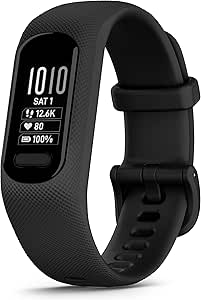 | Best Overall for Versatile Fitness & Health Tracking | Supported Applications: Heart Rate Monitor, Sleep Monitor, GPS, Fitness Tracker, Contacts, Messages, Calendar | Connectivity Technology: Bluetooth | Battery Life: Up to 7 days | VIEW ON AMAZON | See Our Full Breakdown |
| Fitness Tracker with Heart Rate, Blood Pressure, Sleep & Step Tracking |  | Best Value for All-in-One Health Monitoring | VIEW ON AMAZON | See Our Full Breakdown | |||
| Zeacool Fitness Tracker with 24/7 Heart Rate, Blood Oxygen Sleep Monitor, 123 Sports Modes Calories Smart Watch,IP68 Waterproof Step Counter Activity Trackers Health Pedometer for Women Men |  | Best for All-Day Health & Activity Tracking with Waterproofing | Display: 1.47 inch AMOLED HD Touch | Waterproof Rating: IP68 | Supported Sports Modes: 123 | VIEW ON AMAZON | See Our Full Breakdown |
| Heart Rate Monitor Armband, Bluetooth 5.0/ANT+ IPX6 Waterproof |  | Best for Precise Heart Rate Monitoring During Intense Workouts | Connectivity: Bluetooth 5.0 & ANT+ | Battery Life: 110 hours | Waterproof Rating: IPX6 | VIEW ON AMAZON | See Our Full Breakdown |
| Fitbit Charge 2 Heart Rate + Fitness Wristband, Black, Large (US Version) |  | Best for Continuous Heart Rate and Sleep Monitoring with Smart Notifications | Heart Rate Monitoring: PurePulse continuous | Water Resistance: Splash proof | Display: OLED | VIEW ON AMAZON | See Our Full Breakdown |
| Smart Watch Fitness Tracker with Heart Rate, Blood Oxygen, Blood Pressure, Sleep Monitoring, 120 Sports Modes, IP68 Waterproof for Android & iPhone |  | Best Overall Fitness Tracker for Runners Who Value Versatility | Display: 1.58-inch high-resolution | Health Monitoring: Heart rate, blood oxygen, blood pressure, sleep tracking | Exercise Modes: 120+ modes | VIEW ON AMAZON | See Our Full Breakdown |
| Scosche Rhythm+ 2.0 Heart Rate Monitor Armband |  | Best Heart Rate Monitor for Accurate, Continuous Training Data | Battery Life: Up to 24 hours | Connectivity: Bluetooth Smart, ANT+ | Waterproof: IP68 | VIEW ON AMAZON | See Our Full Breakdown |
| Fitness Tracker for Men and Women with Heart Rate, Blood Pressure, Sleep Monitoring, IP68 Water Resistance, and Dual Bands |  | Best Long-Battery Life Tracker with Extensive Workout Options | Workout Modes: 170+ | Sensors: Heart rate, blood oxygen, blood pressure, HRV, stress | Water Resistance: IP68 | VIEW ON AMAZON | See Our Full Breakdown |
| Wahoo TRACKR Heart Rate Monitor |  | Best Dedicated Heart Rate Sensor for Endurance Training | Battery Life: Over 100 hours | Connectivity: ANT+ and Bluetooth | Fit: Slim, soft, secure | VIEW ON AMAZON | See Our Full Breakdown |
| Garmin Forerunner 165 Running Smartwatch, 43mm, Black |  | Best Smartwatch for Runners Focused on Navigation and Training | Size: 43 mm | Display: AMOLED touchscreen | Battery Life: Up to 11 days in smartwatch mode, 19 hours in GPS mode | VIEW ON AMAZON | See Our Full Breakdown |
| Wahoo TICKR FIT Heart Rate Armband, Bluetooth, ANT+ | 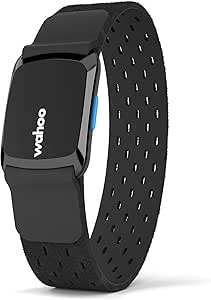 | Best for Accurate Optical Heart Rate Tracking During Intense Workouts | Connectivity: Bluetooth, ANT+ | Battery Life: Up to 30 hours | Water Resistance: Yes | VIEW ON AMAZON | See Our Full Breakdown |
| MorePro Fitness Tracker with Heart Rate, Blood Pressure, Blood Oxygen, Sleep Monitoring, and Activity Tracking |  | Best for All-in-One Health Monitoring and Versatile Activity Tracking | Heart Rate Monitoring: 24/7 | Blood Pressure Monitoring: Yes | Blood Oxygen Monitoring: Yes | VIEW ON AMAZON | See Our Full Breakdown |
| Garmin HRM 200 Heart Rate Monitor |  | Best for Precise, Long-Lasting Heart Rate Data in the Garmin Ecosystem | Battery Life: Up to 1 year | Water Resistance: 3 ATM | Strap Sizes: XS–S and M–XL | VIEW ON AMAZON | See Our Full Breakdown |
| wireless fitness monitors for runner | Battery Life |
|---|---|
| Garmin vívosmart 5 Health & Fi | Up to 7 days |
| Fitness Tracker with Heart Rat | — |
| Zeacool Fitness Tracker with 2 | 10-14 days |
| Heart Rate Monitor Armband | 110 hours |
| Fitbit Charge 2 Heart Rate + F | — |
| Smart Watch Fitness Tracker wi | — |
| Scosche Rhythm+ 2.0 Heart Rate | Up to 24 hours |
| Fitness Tracker for Men and Wo | 20-30 days |
| Wahoo TRACKR Heart Rate Monito | Over 100 hours |
| Garmin Forerunner 165 Running | Up to 11 days in smartwatch mode, 19 hours in GPS mode |
| Wahoo TICKR FIT Heart Rate Arm | Up to 30 hours |
| MorePro Fitness Tracker with H | Up to 7 days |
| Garmin HRM 200 Heart Rate Moni | Up to 1 year |
More Details on Our Top Picks
Garmin vívosmart 5 Health & Fitness Tracker, S-M, Black
The Garmin vívosmart 5 earns its place at the top due to its large, bright display and comprehensive health monitoring features that go beyond basic activity tracking. Compared with the Fitbit Charge 2, it offers a more detailed view of metrics like stress and hydration, making it ideal for runners who want deeper insights. While the device provides smart notifications and swim-proof durability, the pulse ox feature isn’t available everywhere, and the fit may be restrictive for some wrists since it only comes in S-M size. Its long battery life and touchscreen interface make it convenient for everyday use without frequent charging. This model is best suited for runners seeking an all-in-one, easy-to-read tracker that monitors a wide range of health metrics but don’t mind needing a smartphone for full functionality.
Pros:- Large, bright display for easy reading during runs
- Comprehensive health monitoring including stress and hydration
- Supports smart notifications and swim-proof design
Cons:- Pulse Ox not available in all countries, limiting some health insights
- Requires smartphone for full app functionality
- Limited to S-M size, which may not fit all wrists comfortably
Best for: Runners who prioritize detailed health insights and a bright display in a comfortable, swim-proof device.
Not ideal for: Those with very small or very large wrists, since only S-M size is available, or runners who want standalone GPS without smartphone dependence.
- Supported Applications:Heart Rate Monitor, Sleep Monitor, GPS, Fitness Tracker, Contacts, Messages, Calendar
- Connectivity Technology:Bluetooth
- Battery Life:Up to 7 days
- Water Resistance:Swim-proof
- Display:Brighter, bigger touchscreen
- Size:S-M
- Color:Black
Our verdict“A well-rounded choice for runners seeking a durable, feature-rich tracker with a clear display and broad health metrics.”
Fitness Tracker with Heart Rate, Blood Pressure, Sleep & Step Tracking
This tracker stands out for combining multiple vital measurements—heart rate, blood pressure, blood oxygen, and sleep—making it a versatile option for health-conscious runners who want all-in-one monitoring. Unlike the Garmin vívosmart 5, it doesn’t specify water resistance, which could be a drawback for swimmers or those caught in rain. Its 1.1-inch AMOLED touch screen ensures clear visibility and easy navigation, and supporting 25 sports modes, it caters well to varied athletic needs. The long battery life with fast charging reduces downtime, but the device’s compatibility is limited to Android 5.0+ and iOS 9.0+, which may exclude some users. This pick makes the most sense for runners seeking an affordable, feature-packed device that monitors multiple health metrics but don’t need waterproof capabilities or advanced smart features.
Pros:- Includes heart rate, blood pressure, and blood oxygen monitoring
- Supports 25 sports modes for versatile activity tracking
- Long battery life with quick recharge
Cons:- Lacks explicit waterproof or water-resistant features
- Compatibility limited to Android 5.0+ and iOS 9.0+
- No detailed app interface description, which may affect usability
Best for: Budget-conscious runners who want extensive health data across multiple metrics in a single device.
Not ideal for: Swimmers or those needing waterproof features, as water resistance isn’t specified, or users with incompatible smartphones.
Our verdict“Ideal for runners seeking a comprehensive, affordable health tracker without the need for waterproof features or standalone GPS.”
Zeacool Fitness Tracker with 24/7 Heart Rate, Blood Oxygen Sleep Monitor, 123 Sports Modes Calories Smart Watch,IP68 Waterproof Step Counter Activity Trackers Health Pedometer for Women Men
The Zeacool Fitness Tracker offers a high level of customization with 123 sports modes and detailed health metrics, making it a strong choice for runners who want in-depth data and waterproofing. Its 1.47-inch AMOLED HD color screen provides vibrant visuals, and the device supports real-time heart rate, blood oxygen, and sleep tracking. Compared to the Garmin vívosmart 5, it provides more sports modes and a slightly larger display, but the extensive feature set comes with less brand recognition and potentially more complexity. Its IP68 rating allows for swimming and diving, unlike the Heart Rate Monitor Armband that’s only water-resistant for splashes. The device’s battery life of 10-14 days is decent, but the numerous functions may drain battery faster with heavy use. It’s best suited for runners who want a multi-function, waterproof tracker for varied outdoor activities and daily health monitoring.
Pros:- Supports 24/7 heart rate, blood oxygen, and sleep monitoring
- Impressive 123 sports modes for detailed activity tracking
- IP68 waterproof rating for swimming and diving
Cons:- Complex interface may be overwhelming for beginners
- Battery life can vary with extensive use of multiple features
- Mixed reviews on overall accuracy and durability
Best for: Runners who want a feature-rich, waterproof device with extensive sports mode options and broad health tracking.
Not ideal for: Those who prefer a simpler, lightweight device or are concerned about brand reliability and user interface complexity.
- Display:1.47 inch AMOLED HD Touch
- Waterproof Rating:IP68
- Supported Sports Modes:123
- Sleep Monitoring:Yes
- Battery Life:10-14 days
- Connectivity:Smartphone app compatible
Our verdict“Best suited for runners seeking a highly customizable, waterproof activity tracker with extensive sports and health features.”
Heart Rate Monitor Armband, Bluetooth 5.0/ANT+ IPX6 Waterproof
The Heart Rate Monitor Armband is designed primarily for precision, offering ±1 BPM accuracy that outperforms many wrist-based devices. Its long 110-hour battery life makes it ideal for extended training sessions, and the dual Bluetooth 5.0 and ANT+ connectivity ensures compatibility with most fitness apps and devices, including GPS bike computers. Compared to wrist-based trackers like the Garmin vívosmart 5, this armband provides more consistent heart rate data, crucial for serious runners tracking calorie burn and effort levels. However, it lacks water resistance for swimming and has mixed reviews—some users find the fit less secure or the pairing process cumbersome. It’s best for runners who need high-precision heart rate tracking during intense outdoor or indoor sessions but don’t plan to swim with it.
Pros:- Highly accurate heart rate with ±1 BPM precision
- Long-lasting 110-hour battery life
- Dual connectivity via Bluetooth 5.0 and ANT+
Cons:- Not suitable for swimming or water-based activities
- Customer rating indicates mixed reviews and potential fit issues
- Requires specific charging cable, which may be less convenient
Best for: Serious runners and athletes requiring pinpoint heart rate accuracy during high-intensity workouts.
Not ideal for: Swimmers or runners who want an all-in-one wrist device, as it’s not waterproof for swimming and lacks activity tracking features.
- Connectivity:Bluetooth 5.0 & ANT+
- Battery Life:110 hours
- Waterproof Rating:IPX6
- Compatibility:Smartphones, GPS bike computers, sports watches
- Weight:Lightweight
- Size Range:Arm circumference 21–37 cm
Our verdict“Best suited for athletes prioritizing precise heart rate data over additional activity tracking or water resistance.”
Fitbit Charge 2 Heart Rate + Fitness Wristband, Black, Large (US Version)
The Fitbit Charge 2 offers continuous heart rate monitoring and basic activity tracking, making it a solid pick for runners who want a straightforward device that combines fitness data with smart features. Its silent vibrating alarm and guided breathing sessions add wellness value, while connected GPS provides pace and distance info without built-in GPS. Compared with the Garmin vívosmart 5, it’s less comprehensive in health metrics but more accessible for casual users. Its splash-proof design suits daily wear, yet it isn’t suitable for showering or swimming, and some users report accuracy variability depending on fit and activity type. This device is best for runners who want reliable, continuous heart rate data and sleep insights with easy smartphone notifications but aren’t focused on water-based activities or detailed health metrics.
Pros:- Continuous heart rate monitoring for accurate calorie tracking
- Includes sleep tracking and guided breathing exercises
- Smartphone notifications keep you connected
Cons:- Not suitable for showering or swimming
- Accuracy can be affected by device placement and physiology
- Limited water resistance for water-based activities
Best for: Casual runners seeking a simple, reliable wristband for heart rate, sleep, and basic activity insights with notifications.
Not ideal for: Swimmers or runners needing detailed health metrics like blood oxygen or hydration, as these are not supported.
- Heart Rate Monitoring:PurePulse continuous
- Water Resistance:Splash proof
- Display:OLED
- Notifications:Call, text, calendar
- Sleep Tracking:Yes
- Guided Breathing:Yes
- Connected GPS:Yes
Our verdict“A practical choice for runners wanting continuous heart rate data and basic activity tracking in a lightweight band.”
Smart Watch Fitness Tracker with Heart Rate, Blood Oxygen, Blood Pressure, Sleep Monitoring, 120 Sports Modes, IP68 Waterproof for Android & iPhone
This smartwatch stands out for combining a vibrant 1.58-inch high-resolution display with a broad array of health metrics, including heart rate, blood oxygen, blood pressure, and sleep tracking. Its extensive 120+ exercise modes make it suitable for a wide range of activities, rivaling the Garmin Forerunner 165 in versatility but offering a more customizable display and notifications. However, its battery life isn’t specified, which could mean more frequent charging—an inconvenience for long-distance runners. While the smart notifications and IP68 waterproof rating support outdoor and swim workouts, the abundance of features might overwhelm users seeking simplicity. Compared with the Garmin Forerunner 165, it sacrifices some battery longevity for a larger screen and more health data options.
Pros:- Vibrant high-resolution display with customizable watch faces
- Comprehensive health and activity tracking including sleep and multiple exercise modes
- Smart notifications for calls and messages
- IP68 waterproof design suitable for swimming and outdoor activities
Cons:- Battery life details are not specified, potentially requiring frequent charging
- Large feature set can be overwhelming for users seeking simplicity
- Dependent on a compatible smartphone for full functionality
Best for: Runners who want a feature-rich smartwatch with comprehensive health tracking and a colorful display.
Not ideal for: Serious ultra-distance runners who prioritize battery life above all or those preferring a minimalistic device.
- Display:1.58-inch high-resolution
- Health Monitoring:Heart rate, blood oxygen, blood pressure, sleep tracking
- Exercise Modes:120+ modes
- Waterproof:IP68
- Compatibility:Android 4.4 / iOS 8.4 or above
- Features:Notifications, menstrual reminder, breath training, weather, remote camera, music control, GPS
Our verdict“This smartwatch is ideal for runners who want a versatile, feature-packed device with excellent display quality and health tracking capabilities.”
Scosche Rhythm+ 2.0 Heart Rate Monitor Armband
The Scosche Rhythm+ 2.0 focuses solely on delivering precise real-time heart rate data, making it a strong choice for runners who prioritize accuracy over additional features. Its support for both Bluetooth and ANT+ connectivity ensures compatibility with most fitness apps and devices, much like the Wahoo TICKR but with a more comfortable armband design. Its 24-hour battery life surpasses most chest strap monitors, reducing charging interruptions during long runs. However, without built-in GPS or activity tracking, it relies on paired devices to provide context—unlike the Garmin Forerunner 165, which integrates tracking and navigation. For those who want pinpoint heart rate data without bulk, this armband offers a streamlined, durable option, but it isn’t suitable for users seeking an all-in-one smartwatch.
Pros:- Highly accurate real-time heart rate monitoring
- Supports Bluetooth and ANT+ for broad device compatibility
- Long battery life of up to 24 hours
- Waterproof and durable for intense workouts
Cons:- Requires pairing with compatible fitness apps for full use
- Lacks built-in activity or GPS tracking
Best for: Runners who need highly accurate heart rate data and prefer a lightweight, comfortable armband for training.
Not ideal for: Runners looking for an all-in-one device with built-in GPS and activity tracking, as this is purely a heart rate sensor.
- Battery Life:Up to 24 hours
- Connectivity:Bluetooth Smart, ANT+
- Waterproof:IP68
- Included Components:Fitness tracker, band, charger
- Model Number:Rhythm+ 2.0
- UPC:033991086012
Our verdict“This armband is best suited for runners who want precise heart rate data without extra bells and whistles.”
Fitness Tracker for Men and Women with Heart Rate, Blood Pressure, Sleep Monitoring, IP68 Water Resistance, and Dual Bands
This minimalist, screenless fitness tracker excels at providing long-term health monitoring with up to 30 days of battery life, making it ideal for runners who dislike frequent charging. Its 170+ workout modes and sensors for heart rate, blood oxygen, blood pressure, HRV, and stress monitoring set it apart from basic devices like the Fitbit Charge 2, which offers fewer metrics. Its IP68 water resistance and interchangeable straps add to its durability and comfort during diverse activities. The tradeoff lies in its lack of a display—users must check data via the companion app, which might be inconvenient during runs. Compared to the Garmin Forerunner 165, it offers a more extended battery life but sacrifices on immediate data access and smartwatch features.
Pros:- Long-lasting battery life up to 30 days
- Extensive health and workout monitoring features
- IP68 water resistance suitable for outdoor use
- Interchangeable straps for customization
Cons:- No display screen, limiting quick data checks during exercise
- Requires smartphone app for full data access
- Less immediate feedback compared to smartwatch options
Best for: Runners seeking a highly durable, extended-use device with comprehensive health metrics and no need for quick data viewing.
Not ideal for: Users who want instant data access during runs or prefer a device with a display for quick glances.
- Workout Modes:170+
- Sensors:Heart rate, blood oxygen, blood pressure, HRV, stress
- Water Resistance:IP68
- Battery Life:20-30 days
- Compatibility:Android 5.0+ / iOS 10.0+
- Straps:2 nylon straps
Our verdict“This tracker is perfect for runners who prioritize long battery life and comprehensive health insights over immediate data visibility.”
Wahoo TRACKR Heart Rate Monitor
The Wahoo TRACKR emphasizes precision and endurance with over 100 hours of battery life and a slim, soft strap that stays secure during intense runs. Its simple design focuses solely on heart rate data, making it a streamlined choice for runners who want to avoid the bulk of multi-sensor devices like the Scosche Rhythm+ 2.0. The long battery life surpasses most chest straps, reducing the need for frequent charges over months of training. However, it requires pairing with compatible devices, and some may find the LED indicators distracting during runs. Unlike the Garmin Forerunner 165, it doesn’t provide activity tracking or GPS, so it’s best as a complementary device rather than an all-in-one smartwatch.
Pros:- Over 100 hours of battery life
- Accurate real-time heart rate data
- Compatible with multiple devices and apps
- Slim, comfortable, secure fit
Cons:- Requires pairing with other devices for data viewing
- LED indicators may be distracting during workouts
Best for: Runners seeking a highly accurate, long-lasting heart rate monitor to use alongside their GPS watch or smartphone.
Not ideal for: Those wanting an integrated fitness device with activity tracking and display—this is purely a sensor.
- Battery Life:Over 100 hours
- Connectivity:ANT+ and Bluetooth
- Fit:Slim, soft, secure
Our verdict“This monitor is suited for runners who need a dedicated, reliable heart rate sensor with exceptional endurance.”
Garmin Forerunner 165 Running Smartwatch, 43mm, Black
The Garmin Forerunner 165 combines a bright AMOLED touchscreen with built-in GPS, making it ideal for runners who want navigation and detailed activity tracking without sacrificing style or battery life. Its 11-day battery life in smartwatch mode supports multi-day training plans, outperforming many competitors like the Wahoo TICKR FIT, which lacks a display altogether. The wrist-based heart rate sensor and personalized workout suggestions help optimize training, but it requires a smartphone connection for notifications and safety features like incident detection. Its focus on performance metrics makes it less suitable for users seeking a minimalist or solely health-focused device. Compared to the basic fitness trackers, it offers a more comprehensive running experience, though with a higher price and setup complexity.
Pros:- Bright AMOLED display with touch controls
- Built-in GPS and wrist-based heart rate monitoring
- Long battery life for a GPS watch (up to 19 hours in GPS mode)
- Personalized training plans and safety features
Cons:- Requires smartphone for notifications and safety features
- Some features may need setup and connectivity
- Higher price point compared to basic fitness trackers
Best for: Serious runners who want a GPS-enabled smartwatch with advanced training features and a clear display.
Not ideal for: Casual runners who prefer simple devices or those who want a long battery life without GPS features.
- Size:43 mm
- Display:AMOLED touchscreen
- Battery Life:Up to 11 days in smartwatch mode, 19 hours in GPS mode
- Features:Built-in GPS, wrist-based HR, incident detection, smart notifications, Garmin Pay
Our verdict“This watch is best for runners who want a feature-rich device with navigation and detailed training insights in a sleek package.”
Wahoo TICKR FIT Heart Rate Armband, Bluetooth, ANT+
The Wahoo TICKR FIT stands out for its precise optical heart rate measurements and seamless connectivity via Bluetooth and ANT+. Compared to the Garmin HRM 200, it offers real-time data without requiring a compatible Garmin device, making it more flexible for users with varied setups. However, its lack of a display means you need a smartphone or app to view metrics, which could be a drawback during runs. The adjustable strap and water resistance make it suitable for vigorous activities, but the 30-hour charging cycle requires planning for longer sessions. This armband excels for runners who prioritize accurate heart rate data and don’t mind charging regularly. It’s less ideal for those who want on-device metrics or a more traditional wrist-based monitor.Pros:- Accurate optical heart rate measurement
- Compatible with multiple apps and devices via Bluetooth and ANT+
- Water-resistant and comfortable for intense workouts
- Long battery life of up to 30 hours
Cons:- Requires charging every 30 hours, which may disrupt continuous tracking
- Limited to forearm placement, not suitable for all users
- No built-in display or real-time metrics on the device
Best for: Runners seeking accurate, on-the-fly heart rate data during high-intensity workouts
Not ideal for: Users who prefer a wrist-worn device with a display or longer battery life without frequent charging
- Connectivity:Bluetooth, ANT+
- Battery Life:Up to 30 hours
- Water Resistance:Yes
- Included Bands:Small and Large adjustable bands
- Material:Advanced performance material strap
Our verdict“This pick is best for runners who value accurate heart rate data and are comfortable with an armband form factor.”
MorePro Fitness Tracker with Heart Rate, Blood Pressure, Blood Oxygen, Sleep Monitoring, and Activity Tracking
The MorePro Fitness Tracker offers a comprehensive view of health metrics, making it ideal for those wanting more than just running data. Unlike the Garmin HRM 200, which focuses solely on heart rate, the MorePro tracks blood pressure, oxygen saturation, and sleep, providing a broader health picture. Its support for over 120 sports modes makes it adaptable for various activities, not only running. The tradeoff is that it isn’t suited for medical diagnosis, and some features require app synchronization, which might be inconvenient for quick access during runs. Its long battery life of up to 7 days allows for extended use without frequent charging. This device suits runners who want detailed health insights and multi-sport tracking in a single device. It may fall short for those needing medical-grade accuracy or seamless integration with non-mobile platforms.Pros:- Tracks blood pressure, oxygen saturation, and sleep
- Supports over 120 sports modes
- Long battery life up to 7 days
- Customizable watch faces and notifications
Cons:- Not designed for medical diagnosis or treatment
- Limited compatibility with tablets and PCs
- Some features depend on app synchronization
Best for: Health-conscious runners who want extensive activity and health monitoring in one device
Not ideal for: Users requiring medical-grade data or those who prefer a simple, lightweight monitor solely for heart rate
- Heart Rate Monitoring:24/7
- Blood Pressure Monitoring:Yes
- Blood Oxygen Monitoring:Yes
- Sleep Tracking:Deep sleep, light sleep, wake-ups
- Sports Modes:120+
- Waterproof:IP68
- Battery Life:Up to 7 days
- Compatibility:Android 7.0+, iOS 13.0+
Our verdict“This device fits runners seeking detailed health insights and versatile activity tracking in a single, user-friendly wearable.”
Garmin HRM 200 Heart Rate Monitor
The Garmin HRM 200 is an excellent choice for dedicated Garmin users who want reliable, real-time heart rate data. Its battery can last up to a year, reducing worries about frequent charging, unlike the Wahoo TICKR FIT. However, it requires a compatible Garmin device or app, which limits its use for those outside the Garmin ecosystem. Its durability and water resistance make it suitable for all-weather running, but the lack of features beyond heart rate data might make it less appealing for those seeking comprehensive health tracking. This monitor is ideal for serious runners committed to Garmin’s platform and seeking a long-lasting, straightforward heart rate strap. It’s less suitable for casual users or those who prefer standalone or multi-device compatibility.Pros:- Very accurate real-time heart rate data
- Battery lasts up to one year, no frequent charging needed
- Water-resistant and durable for outdoor activities
- Adjustable strap for comfort across sizes
Cons:- Requires Garmin-compatible devices or apps
- Limited to heart rate data, no additional health metrics
- No display or standalone functionality
Best for: Dedicated Garmin users who want a reliable, long-lasting heart rate monitor for running and training
Not ideal for: Users not invested in Garmin devices or those seeking additional health metrics beyond heart rate
- Battery Life:Up to 1 year
- Water Resistance:3 ATM
- Strap Sizes:XS–S and M–XL
- Washable:Yes
Our verdict“This monitor suits committed Garmin users looking for a simple, durable, and long-lasting heart rate strap for running.”
How We Picked
Products were evaluated based on accuracy of health and activity metrics, ease of use, build quality, battery life, compatibility with popular fitness apps, and overall value. Devices that offered a good balance between advanced features and user-friendly interfaces ranked higher. We also considered versatility for different running styles and environments, such as waterproofing and multi-sport support. The ranking reflects which monitors best serve runners seeking reliable, actionable data without unnecessary complexity or cost. This ensures that each pick fills a specific role, from budget-friendly solutions to premium, feature-rich options.Factors to Consider When Choosing Wireless Fitness Monitors For Runners
Choosing the right wireless fitness monitor for running involves balancing several factors. Beyond basic features, consider how the device fits into your training routine, whether it provides accurate data, and how easy it is to use during runs. Understanding these aspects can prevent common pitfalls, like buying a device that’s uncomfortable or incompatible with your phone. Below, I break down key considerations to help you make an informed decision that aligns with your running goals.Accuracy and Metrics
For runners, precise heart rate monitoring and reliable pace tracking are essential. Devices with integrated optical sensors or armband sensors tend to provide more consistent data, especially during high-intensity workouts. Be cautious of cheaper models that may sacrifice accuracy for a lower price, as inaccurate data can lead to misguided training decisions. Consider devices that offer multiple metrics, such as blood oxygen levels or recovery status, if you want a more comprehensive picture of your health and performance.
Comfort and Fit
Comfort during long runs is often overlooked but critical. Wrist-based monitors are generally more convenient and less intrusive, but some runners find armbands or chest straps more accurate for heart rate data. If you plan extended training sessions or races, opt for a lightweight, adjustable device that stays secure without chafing. Remember, a bulky or uncomfortable device can become a distraction and diminish your motivation to train regularly.
Battery Life and Charging
Battery longevity varies widely, from a day to several weeks. Devices with longer battery life reduce the hassle of frequent charging, especially during multi-day events or long-distance training. Fast-charging features are a bonus, allowing quick top-ups if needed. Think about your typical training schedule and choose a monitor that can keep up without becoming a maintenance burden.
Water Resistance and Durability
Running often exposes devices to sweat, rain, and sometimes accidental splashes. Water resistance ratings like IP68 or higher provide peace of mind during outdoor runs in various conditions. If you swim or run in wet environments regularly, prioritize models with robust waterproofing. Cheaper or less durable devices may fail prematurely if exposed to moisture, so investing in a water-resistant monitor can save money and frustration.
Compatibility and App Ecosystem
Most fitness monitors sync with smartphone apps, but not all are equally compatible with popular platforms like iOS or Android. A seamless connection allows for easy data transfer, detailed analysis, and integration with other health apps. Check whether the device supports your preferred fitness ecosystem and whether the app interface is intuitive. Compatibility issues can lead to data loss or frustration, especially during critical training phases.
Frequently Asked Questions
Can I use a wrist-based monitor for accurate heart rate during high-intensity runs?
Wrist-based monitors use optical sensors that can sometimes lag or be less precise during rapid movements or sweat. For more accurate heart rate data during intense efforts, armband or chest strap monitors tend to perform better because they maintain consistent contact with the skin. However, many modern wrist-based devices have significantly improved accuracy, making them suitable for most runners, especially if you prefer convenience. Consider your comfort and the level of precision you need for your training intensity.
Are waterproof fitness monitors reliable for swimming or rainy runs?
Yes, devices with a rated water resistance of IP68 or higher are designed to withstand swimming and rain. These monitors are tested to resist water ingress in various conditions, making them suitable for outdoor running in wet weather or even pool swimming. Keep in mind that water resistance ratings vary, so check the specific standard and user reviews for real-world performance. Properly rated devices can last years, but cheaper models may deteriorate over time if they aren’t truly waterproof.
How important is app compatibility for tracking my running metrics?
App compatibility is vital if you want to analyze your data in detail or sync with other health platforms. A good fitness monitor should seamlessly connect with your smartphone and support popular apps like Strava, Garmin Connect, or Apple Health. Compatibility issues can lead to missed data or complicated transfers, disrupting your training insights. Before purchasing, verify that the device’s app ecosystem supports your preferred analysis tools and offers easy-to-understand reports.
Should I prioritize battery life over additional tracking features?
It depends on your training schedule and preferences. If you run multiple days in a row or participate in long-distance events, longer battery life minimizes interruptions. However, if you want detailed metrics like blood oxygen monitoring or multi-sport modes, you may need to accept shorter battery life for richer data. Balance your needs: for casual runners, extended battery life might be more convenient, while serious athletes might prioritize advanced features despite more frequent charging.
Is it worth paying more for a premium fitness monitor?
Premium devices often provide more accurate sensors, better durability, and additional features like multiple sport modes or advanced health metrics. If you are a dedicated runner or training at a competitive level, investing in higher-end options can pay off through more reliable data and improved durability. For casual runners or beginners, more affordable models often suffice, delivering essential features at a lower cost. Consider your training frequency and goals when deciding how much to invest.
Conclusion
For casual runners or those new to tracking, the Fitness Tracker with Heart Rate, Blood Pressure, Sleep & Step Tracking offers solid value with straightforward features. Serious athletes or those training intensely should consider the Garmin vívosmart 5 or Garmin Forerunner 165 for their precision and multi-sport support. Budget-conscious runners will find the Wahoo TICKR FIT Heart Rate Armband provides excellent accuracy without a hefty price tag. Those seeking durability and advanced health metrics might prefer premium options like the Smart Watch Fitness Tracker with Blood Oxygen and 120 Sports Modes. Ultimately, your choice should align with your training intensity, comfort preferences, and budget to ensure consistent, data-driven progress.