To improve your running form, start with simple drills like focused breathing, which helps you match your rhythm for better oxygen use and relaxes your upper body. Practice diaphragmatic breathing to increase stamina and reduce tension. Pay attention to your foot strike, whether heel, midfoot, or forefoot, and try impact-conscious drills like barefoot running on soft surfaces. Perfecting posture and integrating these techniques can lead to more efficient running—keep going to discover even more ways to optimize your stride.
Key Takeaways
- Practice diaphragmatic breathing to improve oxygen intake and promote relaxed, efficient running.
- Develop foot strike awareness by identifying and gently adjusting from heel to midfoot for better impact distribution.
- Incorporate barefoot or soft-surface drills to enhance foot awareness and natural landing patterns.
- Maintain proper posture with relaxed shoulders, upright head, and engaged core to support efficient movement.
- Use controlled drills to integrate breathing, foot strike, and posture adjustments for overall running form improvement.

Improving your running form can substantially boost your efficiency and reduce the risk of injury. One of the key areas to focus on is your breathing techniques, which directly impact your stamina and overall performance. When you breathe properly, you supply your muscles with oxygen more effectively, helping you run longer and smoother. Try to adopt a rhythm that matches your stride, inhaling deeply through your nose or mouth, then exhaling fully. Practice diaphragmatic breathing by expanding your belly as you breathe in, which allows for greater oxygen intake. Controlling your breathing not only enhances endurance but also helps relax your shoulders and arms, preventing unnecessary tension that can slow you down or cause fatigue.
Enhance your running efficiency by mastering proper breathing techniques and diaphragmatic breathing.
Another vital aspect of enhancing your running form is your foot strike pattern. Your foot strike pattern influences how much shock your body absorbs and how efficiently you propel forward. Whether you’re a heel striker, midfoot, or forefoot striker, understanding your pattern allows you to make adjustments that can minimize injury and improve speed. For most runners, a midfoot strike is ideal because it distributes impact forces evenly and encourages a natural, efficient gait. If you tend to land on your heels, try to gently shift towards a midfoot strike by focusing on landing softly under your hips rather than in front of them. This adjustment can reduce stress on your knees and hips. If you’re already a forefoot striker, confirm your cadence is high enough to avoid overloading your calves and Achilles tendons.
Practicing drills like gentle barefoot running or running on softer surfaces can help you become more aware of your foot strike. Incorporate short drills where you focus on landing softly and quickly transitioning to the next stride. These drills can help retrain your muscles to adopt ideal foot strike patterns naturally. Along with foot strike, pay attention to your overall posture—keep your head up, shoulders relaxed, and core engaged. Proper posture combined with mindful breathing and the right foot strike pattern makes your running more efficient and comfortable.
Incorporating these elements into your routine isn’t difficult, but consistency is key. As you practice, you’ll develop better awareness of how your body moves and responds. Over time, improving your breathing techniques and foot strike patterns will become second nature, leading to more enjoyable runs and fewer injuries. Focus on small, deliberate adjustments, and you’ll notice significant improvements in your running efficiency and overall performance.

Flutter Valve, Breathing Exercise Device for Lungs, Adjustable Resistance Clearance Device for Natural Removal, Breathing Trainer
Effective Mucus Clearance & Lung Strengthening – This flutter valve device for lungs uses targeted oscillating airflow to…
As an affiliate, we earn on qualifying purchases.
As an affiliate, we earn on qualifying purchases.
Frequently Asked Questions
How Often Should I Do Running Form Drills Weekly?
You should do running form drills about two to three times a week for ideal training frequency. Maintaining drill consistency is key to improving your running efficiency and preventing injury. Incorporate these drills into your regular running routine, making sure not to overdo it, especially if you’re new. Consistent practice helps your body adapt, so stick with a manageable schedule to see steady progress and enjoy the benefits of better running form.
Can Running Form Drills Prevent Injuries?
Like a wise sage guiding your path, running form drills can indeed help prevent injuries. They boost muscle activation, ensuring your muscles work harmoniously, reducing strain on joints and tendons. By refining your running mechanics, you lower the risk of overuse injuries and imbalances. Incorporate these drills regularly, and you’ll build a resilient, injury-resistant stride, much like a well-oiled machine, ready to conquer any distance with grace and strength.
Are Running Form Drills Suitable for All Fitness Levels?
Yes, running form drills are suitable for all fitness levels. They help with technique correction, making your running more efficient and reducing injury risk. Whether you’re a beginner or experienced athlete, these drills can be adjusted to match your ability. By practicing proper form consistently, you’ll improve your posture, stride, and overall running mechanics, which enhances injury prevention and boosts your confidence in every run.
What Are Common Mistakes to Avoid During Drills?
To guarantee drill effectiveness and maintain proper technique, avoid common mistakes like overdoing intensity or rushing through drills. Don’t neglect warming up beforehand, as it can cause injury. Focus on controlled movements and correct posture, listening to your body. Avoid distractions, and don’t sacrifice form for speed. By staying mindful and attentive, you’ll get the most benefit from each drill while minimizing the risk of injury.
How Long Does It Take to See Improvement?
Coincidentally, improvement varies with your training consistency and focus on injury prevention. Typically, you’ll notice progress within a few weeks, especially if you stick to your drills regularly. Consistent practice helps correct form flaws and builds muscle memory, reducing injury risk. Keep at it, and within a month or two, you’ll likely experience smoother running, better efficiency, and fewer aches, making your efforts truly worthwhile.

ASITVO Wide Men's Barefoot Zero Drop Sole Minimalist Width Toe Box Walking Shoes Sneakers Size 12 TPU No-Sew Upper Cross-Trainer Trail-Running Shoes Black 46
Zero drop sole, keep your feet close to the ground, promote a natural posture puts less stress on…
As an affiliate, we earn on qualifying purchases.
As an affiliate, we earn on qualifying purchases.
Conclusion
Remember, practice makes perfect. Incorporate these running form drills into your routine to see steady improvement and prevent injuries. Consistency is key—don’t wait for perfect conditions to start. As they say, “A journey of a thousand miles begins with a single step,” so take that first step today. Keep your focus, stay committed, and you’ll notice your running becoming more efficient and enjoyable in no time. Happy running!
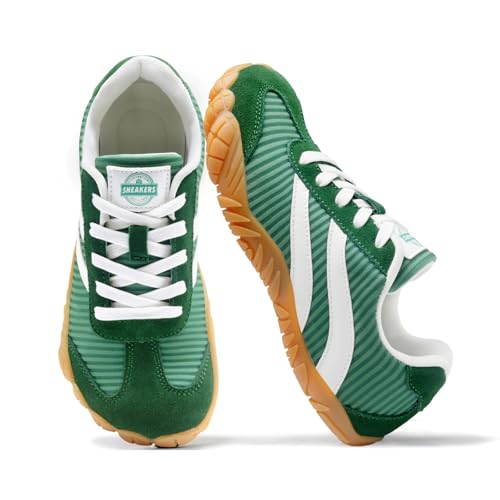
Barefoot Shoes Women Casual Sneakers,Wide Toe Box Shoes Women Zero Drop Barefoot Shoe Men,Minimalist Trail Running Shoe,Non-Slip Lightweight Breathable Comfortable Fashion Walking Hiking Shoes Unisex
【Barefoot Comfort】Women's zero-drop sneakers with a wide toe box for barefoot-like comfort
As an affiliate, we earn on qualifying purchases.
As an affiliate, we earn on qualifying purchases.

FvaPemm Posture Corrector for Women Men, Copper Upper Back Brace, Back Straightener Support Correcting Hunchback and Bad Posture, Back Pain Relief for Neck, Shoulder, Clavicle, Black, L/XL
Enjoy Confident and Healthy Life! Our back support posture corrector provides back support and appropriate shoulder tension, helping…
As an affiliate, we earn on qualifying purchases.
As an affiliate, we earn on qualifying purchases.