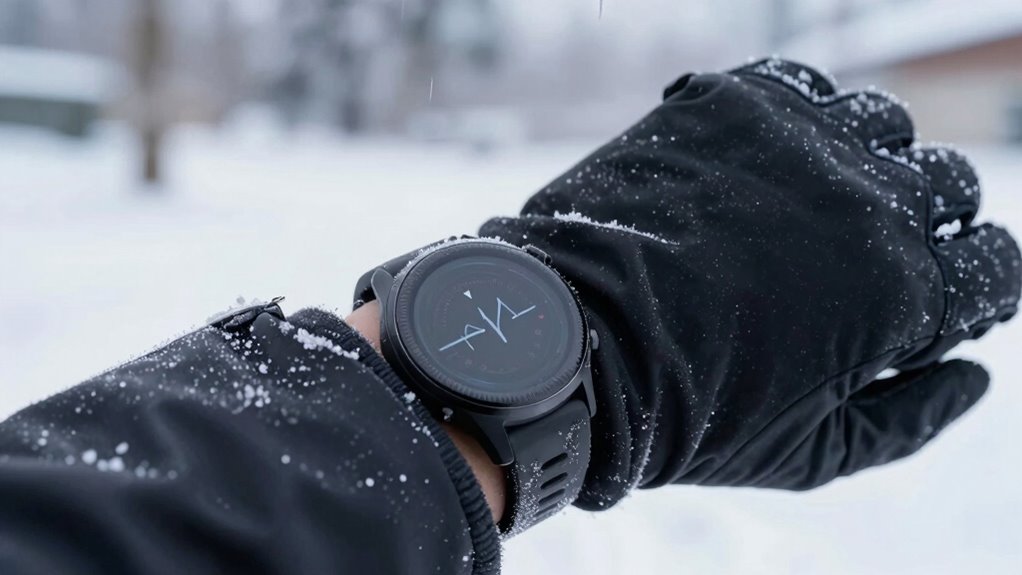

To improve your watch’s heart rate accuracy in cold weather, first make certain the device is properly calibrated and snugly fitted around your wrist. Warm your wrist before activity by gently massaging or doing light movements to boost blood flow. Make sure there’s good contact between the sensor and your skin, and wear tight-fitting clothing to reduce gaps. Staying consistent with device maintenance and exploring additional tips can help you get more reliable readings in cold conditions.
Key Takeaways
- Ensure your device is properly calibrated and update firmware if necessary for accurate readings.
- Wear snug, moisture-wicking clothing and adjust straps for firm contact with your wrist.
- Warm your wrist with gentle massage or movement before activity to improve blood flow.
- Keep the sensor area clean and free from sweat or dirt to maintain signal quality.
- Use temperature compensation features and avoid bulky gloves that hinder sensor contact.
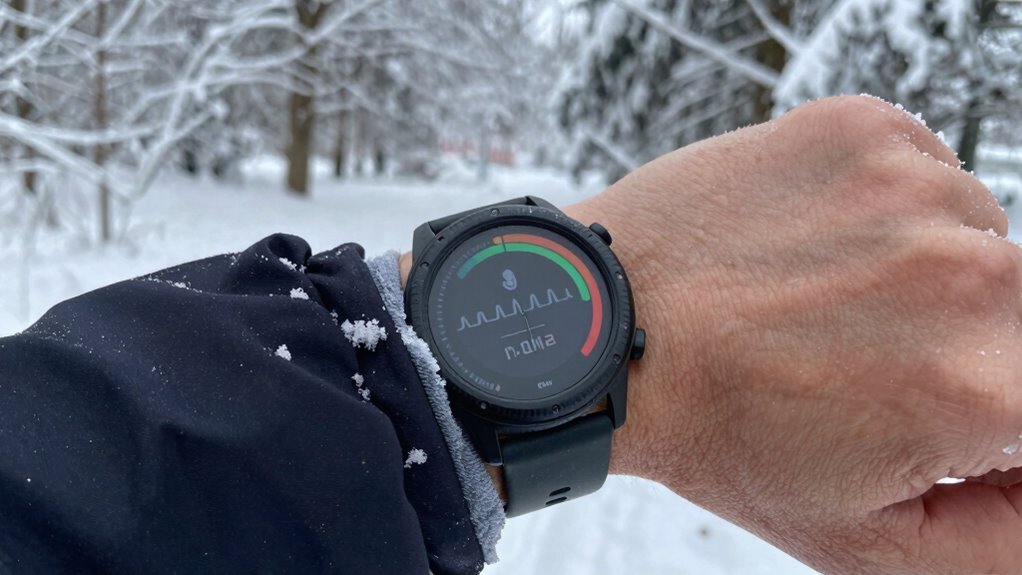
Cold weather can cause your watch’s heart rate readings to become less accurate, but there are simple steps you can take to improve their precision. When temperatures drop, your skin’s temperature decreases, which can interfere with the optical sensors in your device. These sensors rely on detecting blood flow beneath the skin, but cold conditions can cause blood vessels to constrict, reducing blood flow and making readings less reliable. To counteract this, start by guaranteeing your watch’s sensor calibration is correct. Many devices offer a calibration feature or allow you to update firmware to optimize sensor performance. Proper calibration ensures that the device’s algorithms interpret sensor data accurately, even in colder temperatures. Check your user manual or app to see if recalibration is recommended or possible, and follow the instructions closely to keep your readings as precise as possible.
In addition to sensor calibration, clothing adjustments play a vital role. Wearing tight-fitting clothing around your wrist helps keep the watch snug against your skin, ensuring consistent contact with the sensor. Loose sleeves or bulky layers can create gaps that hinder the sensor’s ability to detect blood flow accurately. Opt for lightweight, form-fitting accessories or consider wearing your watch directly on your wrist with minimal layers between the device and skin. Some people find that using a sweatband or a thin, stretchy strap over the watch can improve contact without sacrificing comfort. Keep in mind that gloves, especially thick ones, can interfere with your watch’s readings if they cover the device or prevent proper contact. Removing gloves or adjusting them so your watch remains exposed can help maintain accurate measurements. Additionally, understanding that sensor calibration and external factors like skin temperature are crucial for accuracy can motivate you to regularly check and maintain your device settings.
Another helpful step is to warm your wrist before activity. Warming increases blood flow, making it easier for the sensor to detect your heart rate. You might gently massage your wrist or do some light movement to encourage blood circulation. If your watch supports it, enabling any built-in temperature compensation features can also help. These features adjust the readings based on external conditions, improving accuracy during cold weather. Remember, the combination of proper sensor calibration and clothing adjustments creates a more stable environment for your watch’s sensors to work effectively. Regularly cleaning the sensor area and ensuring it’s free from dirt or sweat buildup can also improve signal quality.
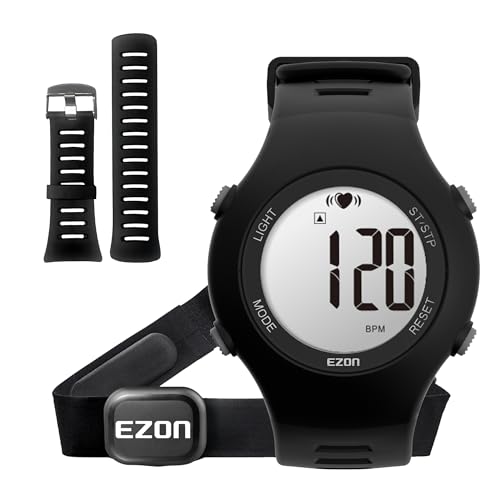
EZON Heart Rate Monitor Chest Strap and Digital Watch T037,5ATM Waterproof Fitness Tracker with HRM,Calories Burned,Stopwatch and Hourly Chime (Watch Band Included)
Precise Heart Rate Monitoring:The chest strap delivers precise and reliable heart rate monitoring across various exercises, from treadmill…
As an affiliate, we earn on qualifying purchases.
As an affiliate, we earn on qualifying purchases.
Frequently Asked Questions
Can Wearing Multiple Watches Improve Heart Rate Accuracy?
Wearing multiple watches can improve heart rate accuracy, especially if you guarantee proper wrist positioning and sensor calibration on each device. By comparing readings from different watches, you can identify inconsistencies caused by poor sensor contact or wrist placement. This helps you adjust each device for better fit and positioning, ultimately providing more reliable heart rate data during cold weather or intense activities.
Does Skin Color Affect Watch Heart Rate Readings?
Skin color can influence watch heart rate readings because skin pigmentation may affect sensor accuracy. Darker skin tones sometimes reduce the light absorption needed for optical sensors to measure blood flow accurately, leading to less precise results. To improve accuracy, make sure your device fits snugly, keep your skin clean, and consider using models designed to work well across various skin tones. Regularly calibrate your watch for better reliability.
Are There Specific Watch Brands Better Suited for Cold Weather?
Some watch brands are better suited for cold weather, especially those with durable watch band materials like silicone or rubber that resist cold and moisture. Look for models with adjustable display brightness, so you can enhance visibility in low-light, cold conditions. Brands like Garmin, Fitbit, and Apple offer options with these features, helping you maintain accurate heart rate readings and clear displays even when temperatures drop.
How Does Altitude Impact Cold Weather Heart Rate Accuracy?
Altitude effects can impact your cold weather heart rate accuracy because higher elevations reduce oxygen levels, causing your heart to work harder. This can lead to calibration issues with your watch, making readings less reliable. To improve accuracy, you should regularly calibrate your device at different altitudes and be aware that your heart rate naturally increases at higher elevations. This way, your watch better accounts for altitude effects in cold conditions.
Does Humidity Influence Watch Sensor Performance?
Imagine tracking your heart rate during a humid summer run, only to see inconsistent readings. Humidity can cause moisture interference with your watch sensor, reducing accuracy. It’s essential to regularly calibrate your sensor and keep it dry to prevent moisture buildup. High humidity levels may temporarily impair performance, so wipe your device and verify it’s properly calibrated after exposure to moisture, helping you get reliable heart rate data.

Fitness Trackers Smart Wristband With Hidden Screen(Wrist-Raise Screen Activation)Activity & Sleep Tracker with Heart Rate/HRV/Blood Oxygen, Vibration Alerts, Free APP (Black, Universal Size)
【24/7 Multi-Dimensional Health Real-Time Monitoring】 Equipped with advanced sensors and intelligent algorithms, it delivers non-stop active detection of…
As an affiliate, we earn on qualifying purchases.
As an affiliate, we earn on qualifying purchases.
Conclusion
By following these tips, you’ll help your watch’s heart rate readings stay steady, even when the cold tries to sneak in. Think of your device as a loyal companion, gently adjusting to the chilly whispers of winter. With a little care, your watch will continue to paint a clear picture of your heart’s quiet rhythm. Embrace the cold, knowing your efforts keep your health insights as true as a warm sunrise on a frosty morning.

IVAPPON Sport Watch Band, Hook and Loop Nylon Strap, 18mm Width, Drop Prevention Design, Black & Black Plastic Buckle,Extended size
1️⃣ DROP-PREVENTION DESIGN: Engineered with an innovative safety feature that keeps your watch securely attached even if one…
As an affiliate, we earn on qualifying purchases.
As an affiliate, we earn on qualifying purchases.

POLAR Unite – Fitness Watch, 24/7 Activity Tracker, Automatic Sleep Tracking, Connected GPS, Smart Daily Workout Guidance, Recovery Measurement, 130 Sports Profiles, Wrist-Based Heart Rate Monitor
Lightweight fitness tracking smartwatch to help keep you active
As an affiliate, we earn on qualifying purchases.
As an affiliate, we earn on qualifying purchases.