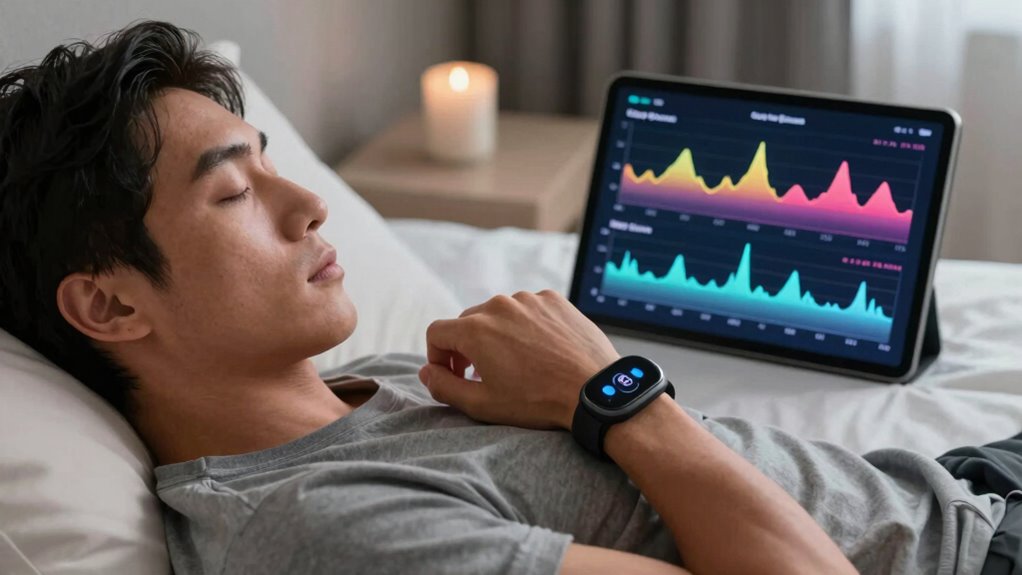

To optimize your recovery, focus on three key sleep data points: sleep duration, sleep efficiency, and HRV. Sleep duration shows how much rest you get, while sleep efficiency reveals how well you sleep during that time. HRV indicates your body’s recovery status and readiness to train. Monitoring these metrics helps you make smarter decisions about training and rest. Keep exploring to unveil how these insights can boost your athletic performance.
Key Takeaways
- Focus on sleep efficiency and the percentage of time spent in restorative sleep stages like deep and REM sleep.
- Monitor heart rate variability (HRV) to gauge recovery readiness and overall stress levels.
- Track resting heart rate to identify signs of fatigue, overtraining, or inadequate recovery.
- Observe sleep duration combined with quality data for a comprehensive view of recovery status.
- Analyze sleep interruptions and consistency to optimize routines and improve overall sleep health.
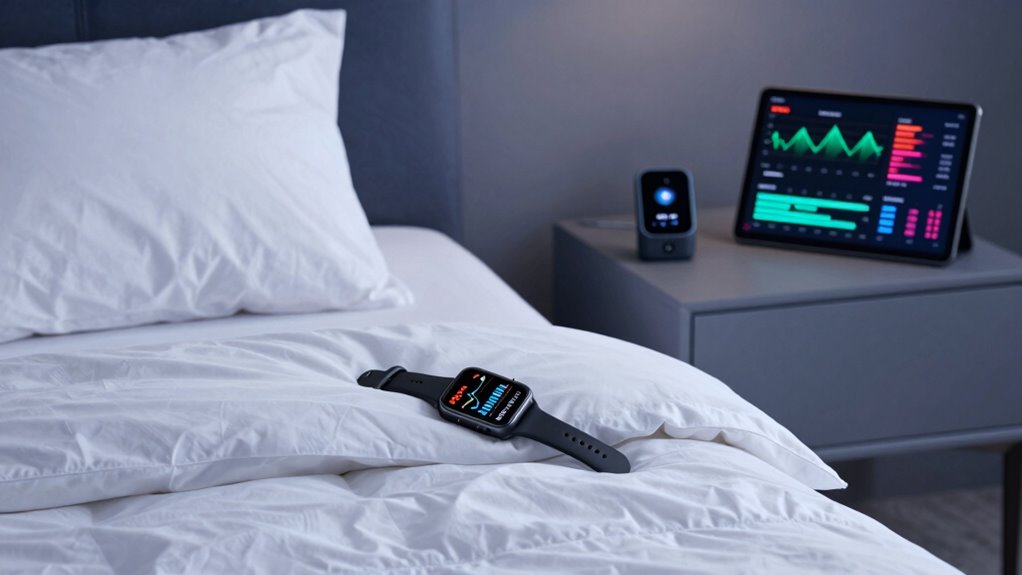
Getting enough quality sleep is essential for athletes aiming to perform at their best, and sleep tracking has become an indispensable tool to help you understand and optimize your rest. By monitoring your sleep, you gain valuable insights into your sleep quality, which directly impacts your recovery, performance, and overall health. Sleep tracking devices and apps analyze various data points to give you a clear picture of how well you’re resting, allowing you to make informed adjustments to your routines.
Monitoring your sleep quality helps athletes optimize recovery and performance effectively.
One of the key data points to focus on is sleep quality. This encompasses more than just the number of hours you sleep; it includes factors like sleep efficiency, the amount of time spent in different sleep stages, and interruptions during the night. High-quality sleep means you spend sufficient time in deep and REM sleep phases, which are critical for physical and mental recovery. When your sleep quality improves, you’ll notice better energy levels, quicker reaction times, and enhanced focus during training and competitions.
Recovery metrics are another essential aspect you should keep an eye on. These metrics provide a thorough view of how well your body is recuperating from daily stress and strenuous workouts. Common recovery indicators include heart rate variability (HRV), resting heart rate, and sleep duration. For example, a higher HRV typically signals your body is well-rested and ready for intense activity, while a rising resting heart rate might suggest fatigue or overtraining. Tracking these metrics over time helps you identify patterns and adjust your training intensity or recovery strategies accordingly.
Your sleep tracking data can also reveal trends that inform your lifestyle choices. For instance, consistent disruptions or poor sleep quality may be linked to factors like stress, diet, or screen time before bed. Recognizing these patterns enables you to implement targeted changes, such as establishing a relaxing bedtime routine, reducing caffeine intake, or creating a more conducive sleep environment. Small adjustments can profoundly improve your sleep quality, leading to better recovery and athletic performance.
In addition, understanding the role of sleep technology can help you maximize the benefits of your sleep data by providing more accurate and comprehensive insights. Ultimately, integrating sleep tracking into your routine offers a proactive approach to managing your health and optimizing your training. By paying close attention to sleep quality and recovery metrics, you empower yourself to make smarter decisions about rest, fueling your athletic pursuits with the restorative power of good sleep. This data-driven approach ensures you’re not just training hard but also recovering smarter, giving you the best chance to reach your goals.

Zeacool Fitness Tracker with 24/7 Heart Rate, Blood Oxygen Blood Pressure Sleep Monitor, Activity Trackers 5 ATM Waterproof,Step Calorie Counter Pedometer Health Smart Watch for Women Men (Black)
24/7 Heart Rate Monitor :This blood pressure watch supports real-time dynamic heart rate, blood oxygen, blood pressure ,Sleep…
As an affiliate, we earn on qualifying purchases.
As an affiliate, we earn on qualifying purchases.
Frequently Asked Questions
How Does Sleep Quality Directly Impact Athletic Performance?
When you experience poor sleep quality, sleep deprivation, and disrupted dream cycles, your athletic performance suffers. Sleep deprivation reduces your reaction time, strength, and focus, making you more prone to injury. Disrupted dream cycles hinder your recovery and mental clarity, essential for peak performance. Prioritizing deep, restorative sleep helps enhance endurance, coordination, and decision-making, giving you a competitive edge. Better sleep quality directly translates to improved athletic results and overall well-being.
What Are the Best Sleep Tracking Devices for Athletes?
You’ll want the best sleep tracking device to revolutionize your athletic game. The Fitbit Sense and Garmin Vivosmart 4 top the list, offering unmatched sleep hygiene insights and seamless wearable compatibility. These devices don’t just track sleep—they decode your rest patterns, helping you optimize recovery. With their advanced features, you’ll unleash peak performance every day. Don’t settle for less—gear up with these game-changing sleep trackers now!
How Can Athletes Improve Their Sleep Based on Tracking Data?
To improve your sleep, focus on maintaining sleep consistency by going to bed and waking up at the same times daily. Use your tracking data to identify patterns and adjust your schedule accordingly. Additionally, explore dream analysis insights from your device to understand sleep quality. Prioritize relaxing routines before bed and minimize screen time, which helps enhance overall sleep quality and recovery for athletic performance.
Are There Specific Sleep Stages Crucial for Athletic Recovery?
You should focus on REM cycles and sleep efficiency, as they’re vital for athletic recovery. REM sleep helps your brain process memories and recover mentally, while high sleep efficiency indicates you’re getting restorative rest. Tracking these data points reveals if you’re reaching enough REM cycles and sleeping deeply enough for maximum recovery. Prioritize consistent sleep schedules and good sleep hygiene to improve these stages and boost your athletic performance.
How Often Should Athletes Review Their Sleep Data?
You should review your sleep data weekly to maintain sleep consistency and spot trends. Regular checks help you identify fluctuations that could affect recovery. Pay attention to your dream analysis, as vivid or restless dreams might signal stress or fatigue. Consistent reviews allow you to make timely adjustments to your sleep habits, ensuring ideal recovery and performance. Stay proactive, and use your insights to fine-tune your sleep routine effectively.
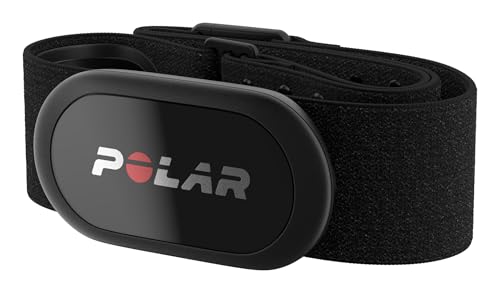
Polar H10 Heart Rate Monitor Chest Strap – ANT + Bluetooth, Waterproof HR Sensor for Men and Women, Black, M-XXL
WORKS WITH EVERYTHING: Polar HRM works with ALL HRM compatible Equipment.
As an affiliate, we earn on qualifying purchases.
As an affiliate, we earn on qualifying purchases.
Conclusion
Now that you know the three key sleep data points, imagine what revealing this insight could do for your performance. Are you truly maximizing your recovery? The real breakthrough lies ahead—there’s one critical detail you haven’t yet considered. Stay tuned, because understanding this secret could be the game-changer you’ve been searching for. Don’t settle for average sleep—your peak potential is just a data point away. Are you ready to discover it?

CCHEEN Smart Bracelet, Subscription-Free 24/7 Health Tracking, Heart Rate, SpO2, HRV & Sleep Tracker with IPX8 Waterproof, Wearable Activity & Fitness Tracker, 7-Day Battery, 2 Bands (Black)
Precision Health Tracking, No Monthly Fees: Get accurate, continuous monitoring of your heart rate, HRV, SpO2, and stress…
As an affiliate, we earn on qualifying purchases.
As an affiliate, we earn on qualifying purchases.

Innovo Deluxe iP900AP Fingertip Pulse Oximeter Blood Oxygen Saturation Monitor with Alarm, Plethysmograph and Perfusion Index
Accurate and Reliable – The Innovo iP900AP Finger Pulse Oximeter is a premium model with an improved LED…
As an affiliate, we earn on qualifying purchases.
As an affiliate, we earn on qualifying purchases.