
Understanding IPX ratings helps you pick sweatproof devices that can handle your runs. IPX codes show how resistant a device is to water, with higher numbers meaning more protection. For example, IPX4 resists splashes, while IPX7 can handle immersion up to a meter. Knowing these ratings guarantees your gear survives sweat and rain. If you want to find out what each level truly means for your workouts, keep exploring to stay protected.
Key Takeaways
- IPX ratings indicate a device’s level of water resistance, helping runners understand protection against sweat and light moisture.
- IPX4 shields against splashes from any direction, suitable for running in rain or heavy sweating.
- Higher ratings like IPX7 or IPX8 mean devices can withstand immersion, offering extra protection during intense outdoor activities.
- Water resistance standards are not equal; always check the specific IPX rating to match your running conditions.
- Combining IPX ratings with durability features ensures your gear withstands sweat, rain, and outdoor impacts during runs.
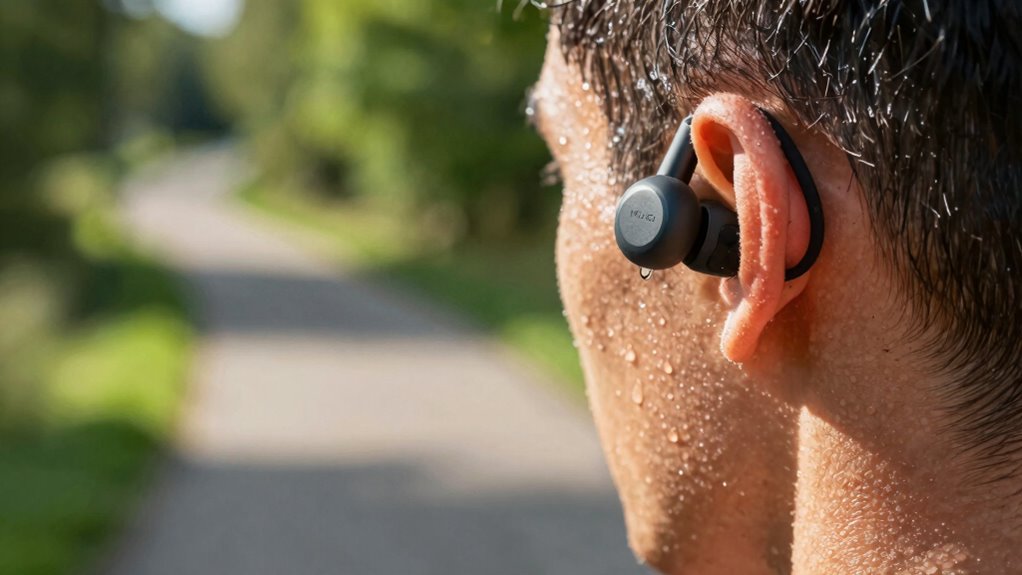
Have you ever wondered what those sweatproof ratings really mean when shopping for earbuds or watches? It’s easy to get overwhelmed by the numbers and symbols, but understanding water resistance and durability standards helps you choose gear that truly stands up to your active lifestyle. These ratings, especially the IPX scale, are designed to indicate how well your device handles exposure to water, sweat, and other elements during your runs or workouts.
Water resistance is a key factor because it tells you whether your device can survive sweat, rain, or accidental splashes. Not all devices are created equal, though. Some might claim to be waterproof, but that usually means they can handle immersion to a certain depth or duration. Others are only resistant to light splashes or sweat. That’s where durability standards come into play. These standards are set by international organizations and define specific testing procedures, making it easier for you to compare and trust the ratings you see on packaging or product descriptions.
Water resistance varies; some devices handle splashes, others withstand immersion—check standards for real protection.
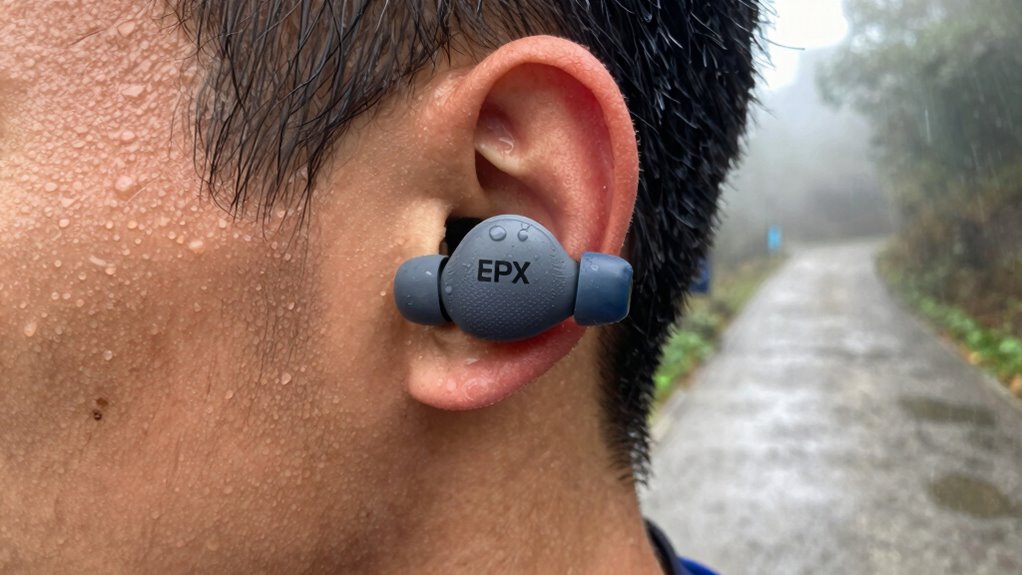
The IPX rating system is the most common way manufacturers communicate water resistance. For example, an IPX4 rating means the device can handle splashes from any direction, making it suitable for workouts where sweat or light rain is involved. If you see an IPX7 rating, it indicates the device can be submerged in water up to one meter deep for about 30 minutes without damage. This level of water resistance is great if you’re caught in the rain or accidentally drop your earbuds in water. However, understanding what each IPX level entails helps you avoid damaging your gear unexpectedly. Additionally, some devices are tested for impact resistance, ensuring they can withstand drops and bumps during active use.
When it comes to durability standards, it’s not just about water resistance. Many devices are tested for impact, dust, and even temperature extremes. These standards ensure your gear can withstand the rigors of outdoor activities. For runners, this means your earbuds or smartwatch won’t break or malfunction after a few drops or exposure to dirt and sweat. Knowing the specific durability standards a product meets gives you confidence that it can handle your daily runs, trail adventures, or gym sessions without failing.
In essence, understanding water resistance and durability standards helps you make smarter choices. It’s not just about what the device looks like or how many features it has; it’s about whether it can keep up with your active lifestyle. So, next time you’re shopping for sweatproof gear, check the IPX rating and understand the standards behind it. That way, you’ll pick equipment that truly supports your running, keeps up with your sweat, and survives the elements.
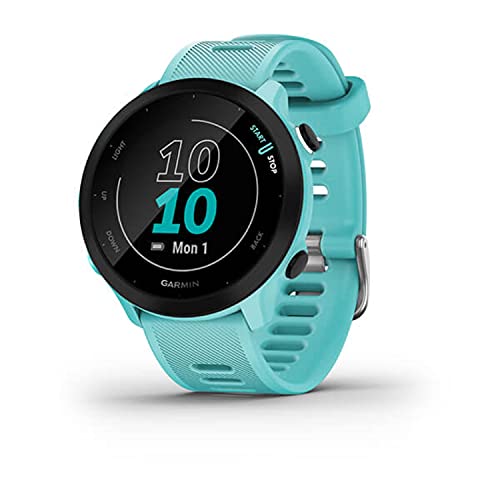
Garmin Forerunner 55, GPS Running Watch with Daily Suggested Workouts, Up to 2 Weeks of Battery Life, Aqua
Easy-to-use running watch monitors heart rate (this is not a medical device) at the wrist and uses GPS...
As an affiliate, we earn on qualifying purchases.
Frequently Asked Questions
How Often Should I Replace Sweatproof-Rated Devices?
You should replace sweatproof-rated devices every 1 to 2 years, depending on water resistance and longevity considerations. Regular exposure to sweat and moisture can degrade seals and internal components over time, reducing effectiveness. If you notice water resistance decreasing, or the device shows signs of damage or malfunction, it’s time to replace it. Proper maintenance and storage can extend its lifespan, but don’t ignore signs of wear that compromise water resistance.
Do Sweatproof Ratings Differ Between Brands?
Yes, sweatproof ratings can differ between brands because of variations in testing standards and brand consistency. Some brands may use stricter testing methods, resulting in higher IPX ratings, while others might have more lenient standards. To guarantee you’re getting the right protection, check the specific testing standards a brand follows and look for consistent ratings across their products. This way, you can confidently choose devices that truly meet your sweatproof needs.
Can Sweatproof Devices Handle Heavy Rain or Just Sweat?
When it comes to rain, sweatproof devices can handle heavy rain if they’re rated high on water resistance, like IPX7 or IPX8. Don’t push your luck, though—these ratings protect against water intrusion, boosting device longevity. Keep in mind, some models are better suited for sweat, while others can brave downpour conditions. It’s a case of testing the waters carefully before trusting your device in heavy rain.
Are There Maintenance Tips to Preserve Sweatproof Ratings?
To preserve sweatproof ratings, you should follow a proper cleaning routine and focus on corrosion prevention. After workouts, gently clean your device with a damp cloth and avoid harsh chemicals that can damage seals. Make sure to dry it thoroughly before storing. Regularly inspect for signs of wear or corrosion, and keep vents or ports free of debris. Proper maintenance guarantees your device stays protected against sweat and moisture.
Do Sweatproof Ratings Affect Device Durability Over Time?
Yes, sweatproof ratings impact your device’s durability over time. Water resistance, indicated by these ratings, helps protect your device during intense workouts. However, durability testing shows that prolonged exposure to sweat can still cause wear and tear. To maintain water resistance, avoid exposing your device to excessive moisture or harsh conditions, and follow manufacturer guidelines. Proper care guarantees your device stays protected and functions well longer.

Garmin Forerunner® 255, GPS Running Smartwatch, Advanced Insights, Long-Lasting Battery, Slate Gray
Built with a slim design and an always-on, full-color display that’s light on the wrist and easy to...
As an affiliate, we earn on qualifying purchases.
Conclusion
So, next time you see an IPX rating, don’t just assume it’s weatherproof. Ironically, those sweatproof ratings can be pretty misleading—your shiny new gear might handle a light drizzle but crumble at your sweatiest run. It’s like buying an umbrella that’s only good for drizzle. Remember, knowing what IPX actually means helps you pick gear that won’t leave you high and dry—or soaked—when you least expect it. Stay smart, stay dry, or at least try to.
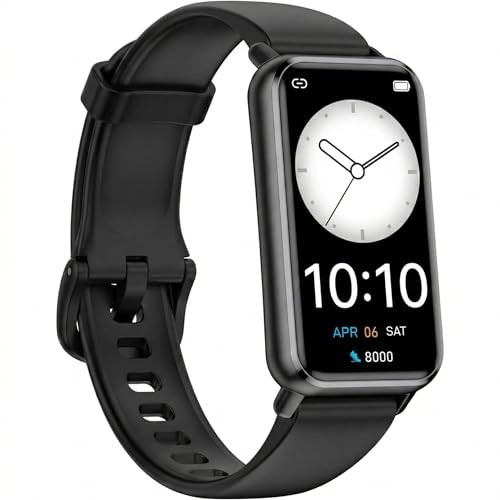
Long Battery Pedometer Watch 14 Days Battery Life, Slim Design No App/Phone Required Fitness Tracker, 50 Meters Waterproof Smart Watch, Heart Rate & Blood Oxygen Monitor Step Counter for Men Women
【𝐍𝐨 𝐀𝐩𝐩 & 𝐏𝐡𝐨𝐧𝐞 𝐑𝐞𝐪𝐮𝐢𝐫𝐞𝐝】This fitness tracker doesn't require any App or smartphone connections! It's as simple to...
As an affiliate, we earn on qualifying purchases.

Smart Watch for Women Men Fitness: 1.85" Smart Watch with 30 Days+ Battery Life Make/Recive Call Heart Rate SpO2 Sleep Monitor 120+ Sport IP68 Waterproof Fitness Tracker Watch for iPhone Android
30 Days+ Battery Life:Smart watches for men women features a massive 1000mAh battery, offering 30 days of use...
As an affiliate, we earn on qualifying purchases.