

To choose your training paces, start by evaluating your current fitness level and using tools like GPS watches or heart rate monitors to gauge effort. Focus on maintaining appropriate zones such as easy, tempo, or interval paces, and listen to how your body responds during each run. As you progress, gradually adjust these paces to match your improving fitness and recovery needs. Keep exploring these strategies to refine what works best for you.
Key Takeaways
- Use tools like GPS watches or heart rate monitors to identify your current effort zones.
- Start with slower paces and gradually increase intensity as your fitness improves.
- Focus on perceived exertion or breathing patterns to gauge appropriate effort levels.
- Incorporate different training zones (easy, tempo, interval) based on your goals and fitness level.
- Continuously monitor and adjust your paces based on how your body responds during workouts.

Selecting Training Paces
Choosing Training Paces
Selecting the right training paces is vital for making progress and avoiding injury. When you choose appropriate paces, you set yourself up for consistent improvement without overtraining or risking burnout. One effective way to structure your workouts is through interval training, where you alternate between high-intensity efforts and recovery periods. By incorporating interval training into your routine, you challenge your cardiovascular system and build speed, but it’s essential to do so at the right intensity. If your pace is too fast during these intervals, you risk injury or exhaustion; too slow, and you won’t gain the desired benefits. To find the right effort, use your perceived exertion or a heart rate monitor to stay within your target zones. This guarantees you push yourself enough to improve but not so much that your body can’t recover.
Choosing appropriate training paces prevents injury and promotes steady progress through targeted effort zones.
Tempo runs are another powerful component of choosing training paces. These runs involve maintaining a steady, comfortably hard pace that’s slightly faster than your normal easy run but sustainable for an extended period. When you incorporate tempo runs into your training, you increase your lactate threshold, allowing you to run faster for longer without fatigue. To determine your tempo pace, start with a pace you could hold for about an hour in a race situation, generally around 75-85% of your maximum effort. It should feel challenging but manageable, where you can speak in short sentences but not hold a conversation easily. Consistently running at this pace helps your body adapt to higher intensities and improves your overall endurance. Additionally, paying attention to how your body responds during different paces helps refine your training zones over time.
Choosing your training paces also involves listening to your body and understanding your current fitness level. If you’re new to running or returning after a break, start with slower paces and gradually increase intensity. Using tools like GPS watches, heart rate monitors, or perceived effort scales makes it easier to stay in the correct zones. Remember, the goal isn’t to push to the maximum every session but to be consistent with effort over time. Incorporating interval training and tempo runs at appropriate paces guarantees your workouts are both effective and sustainable. It’s about finding that sweet spot where you challenge yourself enough to see progress but not so much that your body can’t recover.
Ultimately, selecting the right training paces is a continuous process of adjustment and listening to your body. As you improve, your paces will naturally become faster, but always make sure to incorporate adequate rest and recovery. Being aware of your training zones and how they relate to your fitness level can significantly enhance your progress. By paying attention to how you feel during each workout and sticking to well-planned training zones, you’ll optimize your progress while keeping injury at bay.

Smart Watch Fitness Tracker with 24/7 Heart Rate, Blood Oxygen Blood Pressure Monitor Sleep Tracker 120 Sports Modes Activity Trackers Step Calorie Counter IP68 Waterproof for Andriod iPhone Women Men
【Superb Visual Experience & Effortless Operation】Diving into the latest 1.58'' ultra high resolution display technology, every interaction on…
As an affiliate, we earn on qualifying purchases.
As an affiliate, we earn on qualifying purchases.
Frequently Asked Questions
How Often Should I Reassess My Training Paces?
You should reassess your training paces every 4 to 6 weeks to guarantee your training plan adjustments stay effective. Regularly calibrate your pacing zones by doing time trials or race simulations, which help fine-tune your pace. Keep an eye on how you feel during workouts and races, and if you notice progress or fatigue, it’s time to recalibrate your paces to stay on track and prevent plateaus.
Can I Mix Different Training Paces in One Workout?
Yes, you can mix different training paces in one workout to boost your fitness. Incorporate interval training by alternating between faster and slower paces, which adds pace variation and keeps your workout engaging. This approach not only improves your speed and endurance but also prevents boredom. Just make certain you balance high-intensity segments with recovery periods, listening to your body to avoid overtraining.
What if I Experience Pain During Certain Paces?
If you feel pain during certain paces, stop running immediately, just like Sarah did when her knee ached during speed work. Pain indicates potential running injuries, so don’t ignore it. Use pain management strategies such as rest, ice, or gentle stretching, and consider consulting a healthcare professional. Adjust your pace or take a break to prevent aggravating injuries, ensuring safe and sustainable training progress.
How Do Weather Conditions Affect My Training Paces?
Weather conditions markedly affect your training paces. When temperatures rise, your body works harder to cool down, slowing your pace due to temperature effects. High humidity impacts your ability to regulate body heat, making you tire more quickly. Conversely, cooler, dry days can help you maintain your ideal pace. Always listen to your body, adjust your pace accordingly, and stay hydrated to counteract these weather influences effectively.
Are There Specific Paces for Different Race Distances?
Imagine your running journey as a symphony, with each race distance requiring a different melody. For shorter races, you’ll push into higher training zones, embracing pace variation that boosts speed and power. Longer distances call for steady, sustainable paces, allowing your body to conserve energy. By tailoring your paces to each race’s demands, you create harmony in your training, ensuring you’re prepared for every note on race day.
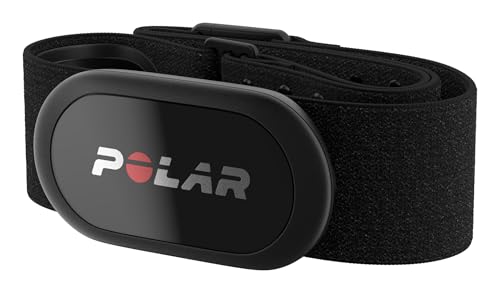
Polar H10 Heart Rate Monitor Chest Strap – ANT + Bluetooth, Waterproof HR Sensor for Men and Women, Black, M-XXL
WORKS WITH EVERYTHING: Polar HRM works with ALL HRM compatible Equipment.
As an affiliate, we earn on qualifying purchases.
As an affiliate, we earn on qualifying purchases.
Conclusion
Remember, selecting your training paces is like tuning a musical instrument—you need to find the right pitch that challenges you without breaking. Trust your body’s signals and listen carefully as you experiment. When you strike the perfect balance, your progress will harmonize beautifully, turning each run into a symphony of growth and achievement. Keep adjusting, stay patient, and soon you’ll compose a training rhythm uniquely yours.
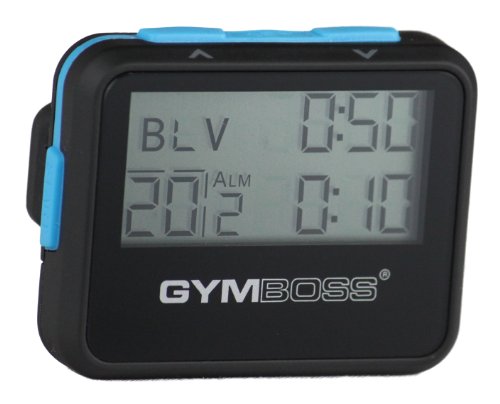
Gymboss Interval Timer and Stopwatch – Black/Blue SOFTCOAT
Compact interval timer times one or two intervals between two seconds and 99 minutes.
As an affiliate, we earn on qualifying purchases.
As an affiliate, we earn on qualifying purchases.

Gone For a Run Inspirational Socks – Fun Running Socks – 13.1 – Running Gifts & Half Marathon Gifts – Baby Blue
RUNNING SOCKS MADE FOR HALF MARATHON PRIDE: Celebrate the 13.1 journey with socks that speak directly to runners….
As an affiliate, we earn on qualifying purchases.
As an affiliate, we earn on qualifying purchases.