To care for your feet and toenails as a runner, make sure your shoes fit well and wear moisture-wicking socks to prevent blisters and fungal infections. Keep your toenails trimmed straight across with clean, sharp clippers, and dry your feet thoroughly after each run. Regularly check for signs of damage or infection, and maintain good hygiene to avoid issues like ingrown toenails or fungal growth. Keep your foot care routine consistent to stay comfortable and injury-free—there’s more to learn to keep your feet in top shape.
Key Takeaways
- Wear properly fitted shoes and moisture-wicking socks to prevent blisters and reduce friction.
- Trim toenails straight across, avoiding cuts too short to prevent ingrown nails and injury.
- Keep feet and toenails clean and dry to prevent fungal infections and maintain overall foot health.
- Use protective products like anti-friction balm or tape on vulnerable areas during runs.
- Regularly inspect toenails for signs of damage, discoloration, or infection, and seek podiatric care if needed.
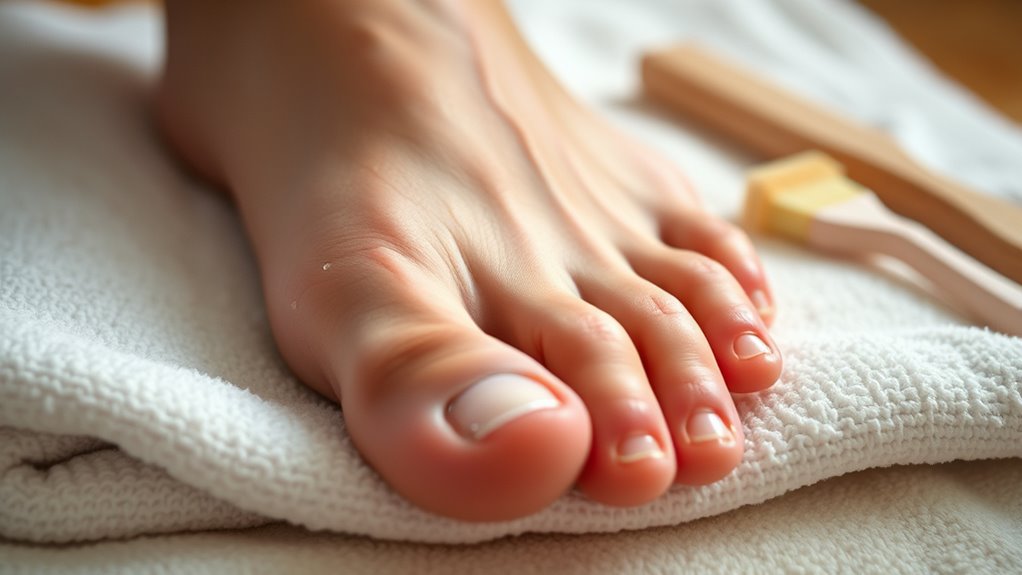
Whether you’re a seasoned marathoner or a casual jogger, taking proper care of your feet and toenails is essential to prevent injuries and stay comfortable during runs. One of the most common issues runners face is blisters, which can quickly turn a good run into a painful experience. To prevent blisters, make sure your shoes fit well—neither too tight nor too loose. Moisture can worsen blister formation, so wearing moisture-wicking socks and changing them if they become damp is paramount. Applying a blister prevention product, like anti-friction balm or tape on vulnerable areas, can also help reduce friction. Pay attention to hotspots during your run; if you notice a spot starting to rub, address it immediately by adjusting your socks or lacing.
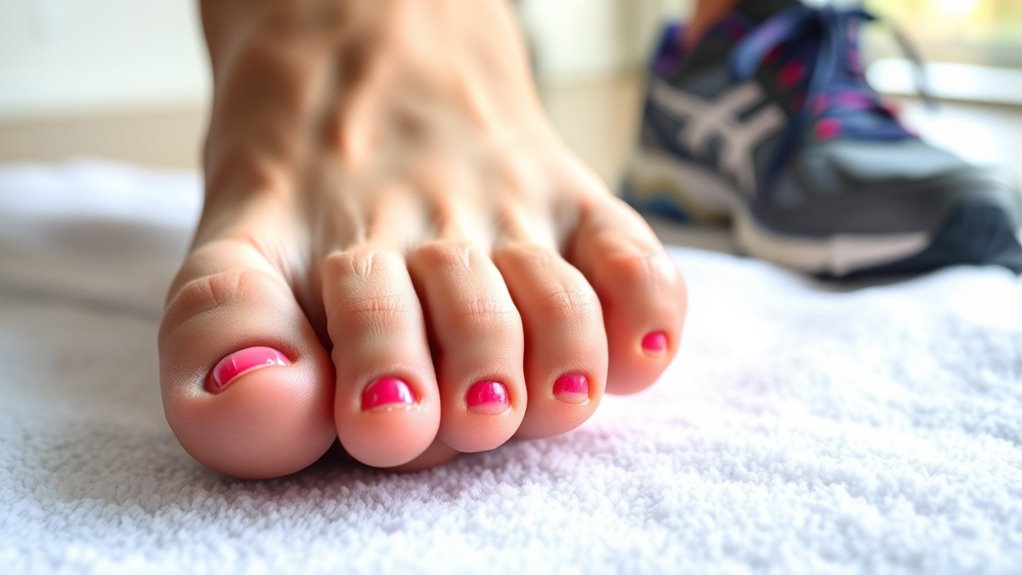
Toenail health is equally important, and proper toenail trimming techniques play a significant role in preventing injuries like ingrown toenails or toenail trauma. When trimming your toenails, cut straight across rather than rounding the edges, which helps prevent ingrown nails from developing into painful issues. Use clean, sharp nail clippers suited for toenails, and avoid cutting too short—leave a tiny margin to prevent the nail from growing into the skin. Regularly check your toenails for signs of damage or infection, especially after long runs or races. If you notice discoloration, thickening, or pain, it might be time to consult a podiatrist.
Keeping your toenails clean and dry is another critical step. Wet or dirty nails can harbor fungi and bacteria, increasing the risk of infections like athlete’s foot or fungal nails. After your run, take a moment to gently wash your feet and dry them thoroughly, paying attention to the spaces between your toes. This routine not only helps prevent infections but also keeps your nails in good shape. If you have any issues like ingrown toenails or persistent discomfort, don’t ignore them—early intervention can save you from more serious problems down the line.
Consistently practicing blister prevention strategies along with proper toenail trimming techniques sets a foundation for healthier, more comfortable running experiences. By paying close attention to your feet’s care, you’ll reduce pain, avoid setbacks, and enjoy your runs more fully. Remember, your feet are your most essential tools for running, so give them the attention they deserve to keep moving forward injury-free. Additionally, understanding proper toenail trimming techniques can significantly reduce the likelihood of toenail injuries.
As an affiliate, we earn on qualifying purchases.
Frequently Asked Questions
How Often Should I Replace My Running Shoes for Foot Health?
You should replace your running shoes every 300 to 500 miles, depending on your shoe’s lifespan and how often you run. Pay attention to signs of wear like decreased cushioning or worn-out soles, which indicate it’s time for running shoe replacement. Regularly evaluating your shoes helps prevent injuries and keeps your feet healthy. Don’t wait too long, as worn-out shoes can lead to discomfort and foot problems.
Can Specific Exercises Improve My Foot and Toenail Health?
Absolutely, you can dramatically boost your foot and toenail health with specific exercises! Engaging in foot strengthening moves and stretching toe flexibility can transform your feet from fragile to fortress-like. By dedicating just a few minutes daily to these exercises, you enhance circulation, prevent injuries, and promote healthier nails. It’s like giving your feet a superhero suit—making them stronger, more flexible, and ready to conquer any running challenge!
Are There Natural Remedies for Toenail Fungus?
Yes, you can try natural home remedies like tea tree oil, which has antifungal properties, or apple cider vinegar soaks to combat toenail fungus. Over-the-counter antifungal treatments are also effective if used consistently. Make sure to keep your feet dry, trim nails properly, and wear breathable shoes. Combining these natural remedies with proper hygiene can help clear up the fungus and prevent future infections.
Should I Wear Socks Made of Special Materials?
Yes, wearing socks made of special materials can help you stay comfortable and prevent foot issues. Moisture-wicking socks draw sweat away from your skin, reducing the risk of fungal infections and blisters. Look for socks with anti-blister materials that provide added cushioning and minimize friction during runs. By choosing the right socks, you keep your feet dry, comfortable, and protected, helping you perform better and avoid common foot problems.
When Is a Podiatrist Visit Necessary for Runners?
Imagine your foot as a delicate machine—when injury symptoms or chronic foot pain persist, it’s time to see a podiatrist. You should visit if you notice swelling, numbness, or sharp pain that doesn’t improve with rest. Don’t ignore persistent discomfort, as it could lead to more serious issues. A podiatrist can diagnose underlying problems early, helping you stay on your feet and prevent long-term damage.
Conclusion
Taking good care of your feet and toenails keeps you comfortable and injury-free on every run. Regularly clean, trim, and moisturize your nails, and always choose proper footwear. Are you willing to neglect your feet and risk missing out on your favorite runs? Remember, healthy feet are the foundation of every great run. Prioritize foot care today, so you can keep moving forward with confidence and comfort tomorrow.