To tolerate gels and drinks during endurance events, you should gradually condition your gut through consistent practice. Incorporate familiar flavors and similar liquid textures into your training, starting with small amounts and slowly increasing intake over time. Avoid overwhelming your digestive system by systematically exposing it to the nutrition you’ll use in races. Patience and regularity help your gut adapt, making fueling easy and reliable when it matters most. Continue exploring how to optimize your gut health for peak performance.
Key Takeaways
- Gradually expose your gut to familiar flavors and textures to build tolerance and reduce gastrointestinal discomfort during events.
- Practice with the same consistency as race nutrition, gradually increasing concentration to prevent bloating and digestion issues.
- Incorporate consistent, familiar gels and drinks in training to help your body recognize and accept these sources during competition.
- Use small, incremental steps in your gut training routine to systematically adapt your digestive system to nutritional demands.
- Focus on patience and regularity to create a reliable, stress-free fueling routine that supports sustained endurance performance.

Have you ever wondered if your gut can be trained like your muscles? The truth is, it can. When it comes to endurance sports, especially during long runs or rides, your digestive system often becomes your limiting factor. One way to improve this is through gut training, which involves gradually exposing your digestive system to the types of foods and drinks you’ll rely on during competition. This process helps your gut adapt to handling a consistent intake of calories, fluids, and electrolytes, reducing the risk of discomfort or gastrointestinal distress when it matters most.
Your gut can be trained to handle nutrition during endurance events, reducing discomfort and improving performance.
A key aspect of gut training is understanding flavor adaptation. Your taste buds and digestive response can be sensitive to unfamiliar flavors or overly strong tastes, which might make you hesitant to consume gels or drinks during activity. By repeatedly consuming the same flavored gels or drinks in training, your gut begins to recognize these flavors as safe and non-threatening. Over time, this reduces the likelihood of nausea or rejection when you need to take them during a race. Consistency in flavor helps your body anticipate and accept these nutritional sources, making it easier to stick to your fueling plan without stress or hesitation.
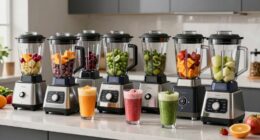
Another essential element is the liquid consistency of gels and drinks. Some athletes struggle with thicker or overly concentrated products because they feel unpalatable or cause stomach upset. During gut training, you want to practice with the same consistency you’ll use during your event. If your race nutrition is a liquid or semi-liquid, gradually incorporate similar textures into your training. This helps your stomach adapt to the flow and volume, minimizing the chances of bloating or discomfort. Drinking slightly diluted versions initially can ease your system into accepting the full-strength solution, so your digestive tract becomes accustomed to processing it efficiently. Over time, this ensures that, during competition, your gut can handle the liquid consistency smoothly, without causing cramping or delays in digestion.
Consistency is key in gut training. By regularly practicing with the same flavors and liquid textures, you train your gut to become more tolerant and efficient. This process isn’t about forcing yourself to consume things you dislike but rather about systematically exposing your digestive system to the nutrition you’ll rely on in race conditions. Small, incremental steps will help your gut adapt without overwhelming it. Remember, your goal is to create a reliable digestion process that supports your performance, not to surprise your stomach with unfamiliar or overly complex products at the last minute. With patience and consistency, you’ll find that tolerating gels and drinks becomes a seamless part of your endurance routine.
endurance gel flavor variety pack
As an affiliate, we earn on qualifying purchases.
As an affiliate, we earn on qualifying purchases.
Frequently Asked Questions
How Long Before Race Should I Start Gut Training?
You should start gut training about 4 to 6 weeks before your race. This allows you to experiment with nutrition timing and hydration strategies, helping your body adapt to gels and drinks during exercise. Gradually increase intake during your long training sessions to build tolerance. This way, you’ll identify what works best, avoid gastrointestinal issues on race day, and make sure your stomach handles nutrition smoothly when it matters most.
Can I Train My Gut Without Consuming Gels or Drinks?
Imagine your gut as a fortress, ready to defend against surprises. Yes, you can train it without gels or drinks by practicing alternative fueling methods like solid foods or natural options. Focus on nutrition timing, gradually introducing new fuels during training runs. This way, you build confidence and resilience, allowing your gut to adapt without relying solely on commercial gels, making your race day experience smoother and more reliable.
What Are Signs of Gut Distress During Training?
You might notice signs of gut distress during training like bloating, cramping, nausea, or diarrhea. These symptoms often indicate your hydration strategies or carbohydrate absorption aren’t working well, causing discomfort. Pay attention to how your stomach feels and adjust your intake accordingly. Properly training your gut can improve how it handles fluids and carbs, helping you avoid distress and perform better during your workouts.
Should I Vary Gel Flavors During Training?
Yes, you should vary gel flavors during training to find what works best for you. Mixing up flavors helps prevent flavor fatigue and keeps your taste buds engaged. Pay attention to flavor consistency and texture preferences, as some gels might feel too thick or thin. Experimenting with different flavors and textures guarantees you’re comfortable and well-prepared for race day, reducing the risk of gut distress from unfamiliar or unpalatable options.
How Do I Prevent Cramping While Consuming Gels?
To prevent cramping while consuming gels, focus on maintaining electrolyte balance and hydration strategies. Make sure you’re drinking water regularly and using electrolyte supplements if needed, especially during long efforts. Avoid overloading on gels at once; instead, consume small amounts frequently. This helps your body absorb nutrients efficiently and keeps electrolyte levels stable, reducing the risk of cramps. Proper hydration and electrolyte management are key to staying comfortable and performing well.
sports drink mix for gut training
As an affiliate, we earn on qualifying purchases.
As an affiliate, we earn on qualifying purchases.
Conclusion
As you practice gut training, you prepare your body like a sturdy vessel ready to withstand the storm. Tolerating gels and drinks becomes your armor, transforming discomfort into confidence. With each session, you build resilience, turning a fragile pipe into a resilient bridge capable of handling the rush. Soon, your gut isn’t just an obstacle—it’s a trusted ally, ready to carry you through the toughest miles, like a well-worn trail guiding you toward victory.

Huma Plus (Double Electrolytes) Chia Energy Gel, Variety Pack – Stomach Friendly, Real Food Energy Gels (6 Original and 6 Plus Gels)
PLUS = 2x NATURAL ELECTROLYTES – Sourced from Sea Salt, Fruit and Chia Seeds. Double the electrolytes of…
As an affiliate, we earn on qualifying purchases.
As an affiliate, we earn on qualifying purchases.
liquid nutrition gels for athletes
As an affiliate, we earn on qualifying purchases.
As an affiliate, we earn on qualifying purchases.