

Sleep is a powerful, often underrated tool for boosting your performance. When you prioritize quality sleep, you give your brain and body the chance to go through complete cycles, including REM, which is crucial for emotional processing, memory, and mental clarity. Disrupting these cycles hampers your resilience and focus. If you want to open your full potential, understanding how sleep enhances your health will show you just how essential it really is.
Key Takeaways
- Quality sleep restores brain function, memory, and emotional balance, directly boosting daily performance.
- Completing full sleep cycles, including REM, enhances mental clarity and creative problem-solving.
- Proper sleep reduces fatigue and stress, improving physical endurance and resilience.
- Disrupted sleep impairs cognitive processing and emotional regulation, hindering peak performance.
- Prioritizing consistent, high-quality sleep maximizes restorative benefits and overall productivity.

Have you ever wondered why sleep is essential for your health and well-being? It’s more than just a time to rest; it’s a powerful process that impacts your physical health, mental clarity, and emotional stability. When you sleep, your brain engages in complex activities like dream recovery, which helps you process emotions, consolidate memories, and clear out mental clutter. These nightly journeys through dreams are not random; they’re part of your sleep cycles, which are indispensable for restoring your mind and body. Understanding how these cycles work can help you enhance your sleep and harness its true potential as a performance enhancer.
Sleep is essential for physical, mental, and emotional health, supporting dream recovery and overall restoration.
Your sleep doesn’t happen in a single, continuous stretch. Instead, it occurs in multiple sleep cycles, each lasting about 90 minutes. These cycles include different stages: light sleep, deep sleep, and REM sleep. REM sleep, where most dreaming occurs, plays a critical role in dream recovery. During this stage, your brain is highly active, and your dreams serve as a way for your mind to process experiences, emotions, and information from the day. This process isn’t just about vivid dreams; it’s about cleaning out mental debris, strengthening neural connections, and preparing you for the day ahead. When you get enough sleep that includes several complete cycles, your brain can perform these functions efficiently, boosting your mood, creativity, and problem-solving skills.
If your sleep is disrupted or insufficient, your dream recovery suffers. You might wake up feeling groggy, forgetful, or emotionally drained. Missing out on REM stages can impair your ability to process emotions and consolidate memories, leaving you mentally foggy and less resilient to stress. Conversely, prioritizing good sleep guarantees your brain gets the full benefit of each cycle, allowing for ideal dream recovery. This helps you wake up feeling refreshed, alert, and ready to perform at your best. Sleep cycles also influence physical recovery—during deep sleep, your body repairs tissues, strengthens the immune system, and restores energy levels. When these cycles are complete and uninterrupted, you maximize the restorative power of sleep, making it a natural, effective performance enhancer.
To harness sleep’s full potential, aim for consistent sleep schedules, create a relaxing bedtime routine, and minimize disruptions. Recognize that each sleep cycle contributes to your overall well-being, especially through dream recovery and the intricate dance of sleep stages. When you prioritize quality sleep, you’re giving your body and mind the best chance to recover, refresh, and perform at a higher level every day. Sleep isn’t just a passive activity; it’s your secret weapon for peak performance.
In addition, recent research highlights the importance of sleep architecture in optimizing sleep quality and overall health.

Smart Watch Fitness Tracker with 24/7 Heart Rate, Blood Oxygen Blood Pressure Monitor Sleep Tracker 120 Sports Modes Activity Trackers Step Calorie Counter IP68 Waterproof for Andriod iPhone Women Men
【Superb Visual Experience & Effortless Operation】Diving into the latest 1.58'' ultra high resolution display technology, every interaction on…
As an affiliate, we earn on qualifying purchases.
As an affiliate, we earn on qualifying purchases.
Frequently Asked Questions
How Does Sleep Quality Affect Athletic Performance?
Your sleep quality directly impacts your athletic performance by influencing dream cycles and sleep architecture. When you get restorative sleep, especially during deep and REM stages, your body heals and your brain consolidates memory and skills. Poor sleep disrupts these cycles, leading to decreased energy, slower reaction times, and reduced endurance. Prioritizing quality sleep helps optimize your recovery, sharpen your focus, and enhance overall athletic performance.
Can Napping Improve Overall Productivity?
Yes, napping can boost your overall productivity. When you nap, your sleep environment plays a vital role in whether you experience vivid dream recall, which helps refresh your mind. Short naps of 20-30 minutes prevent grogginess, while a quiet, dark space enhances sleep quality. Better rest during naps improves focus, creativity, and energy, making you more efficient throughout the day.
What Are the Best Sleep Habits for Athletes?
To optimize your athletic performance, you should prioritize good sleep hygiene and create a restful sleep environment. Stick to a consistent sleep schedule, avoid screens before bed, and limit caffeine. Make your bedroom cool, dark, and quiet to promote deep sleep. These habits help your body recover faster, boost energy, and enhance focus during training and competitions. Proper sleep habits are essential for your athletic success.
How Does Sleep Deprivation Impact Mental Health?
Sleep deprivation effects can severely impact your mental health, increasing your risk of anxiety, depression, and mood swings. It also worsens stress resilience and impairs cognitive function. Because of the mental health stigma, you might hesitate to seek help, but understanding these effects is essential. Prioritize good sleep habits to protect your mental well-being, reduce the stigma, and enhance your overall emotional stability.
Are There Supplements That Enhance Sleep Quality?
Yes, you can improve your sleep quality with natural sleep aids and herbal supplements. Popular options include melatonin, valerian root, chamomile, and lavender. These supplements help relax your mind and body, making it easier to fall asleep and stay asleep. However, it’s best to consult a healthcare professional before trying new supplements, especially if you’re on medications or have underlying health issues. Incorporating these can boost your overall sleep health.

MZOO Luxury Sleep Eye Mask for Side Sleeper Men Women, Zero Eye Pressure 3D Sleeping Mask, Light Blocking Patented Design Night Blindfold, Soft Eye Shade Cover for Travel, Black
Zero Eye Pressure: The Deepest 13mm arc-shaped widened eye cups provide makeup-safe space and allow natural blinking
As an affiliate, we earn on qualifying purchases.
As an affiliate, we earn on qualifying purchases.
Conclusion
Don’t underestimate the power of a good night’s sleep. It’s your secret weapon for sharper focus, better mood, and improved performance. Skimping on rest is like leaving money on the table—you’re not giving yourself the full advantage you deserve. Prioritize your sleep, and watch how everything falls into place. Remember, it’s not just about quantity, but quality too. When you sleep well, you set yourself up for success—you’re only cheating yourself if you don’t.
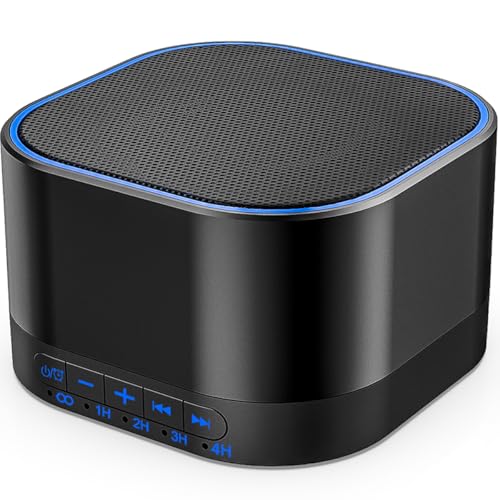
Magicteam White Noise Machine with 20 Non Looping Natural Soothing Sounds Memory Function 32 Levels of Volume Powered by AC or USB and Sleep Sound Timer Therapy for Baby Kids Adults Black
❤20 Non-Looping Sleep Sounds: White noise ,Brown noise, pink noise, blue noise, fan,brook, rain, ocean,bird and Bonfire,suitable for…
As an affiliate, we earn on qualifying purchases.
As an affiliate, we earn on qualifying purchases.

Sports Research® Sleep Complex- Melatonin-Free Vegan Capsules – with Valerian Root, GABA, L-Theanine, Magnesium & 5-HTP – 30 Servings
MELATONIN-FREE SLEEP SUPPORT: To avoid the dreaded daytime drowsiness commonly associated with melatonin, we’ve opted out of including…
As an affiliate, we earn on qualifying purchases.
As an affiliate, we earn on qualifying purchases.