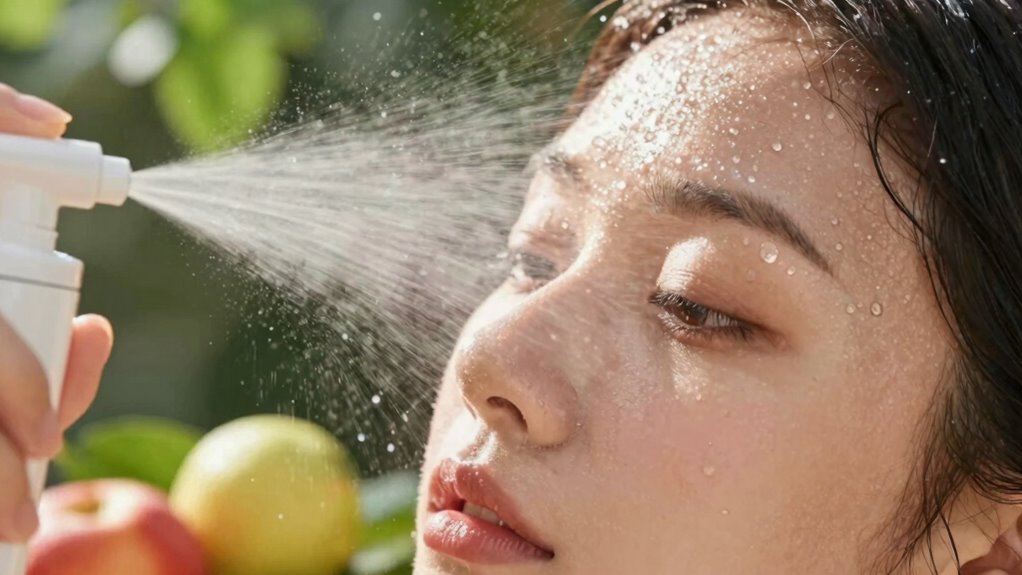

To handle warm-weather sweat loss before summer hits, start by staying well-hydrated with water and electrolyte drinks, even if you’re not thirsty. Wear lightweight, breathable clothing that helps wick moisture and keeps you cool. Plan outdoor activities during cooler times, like early mornings or late afternoons, and take frequent breaks in the shade. Using cooling towels or misting water can provide quick relief. If you want to learn more about staying comfortable and safe in the heat, keep exploring these strategies.

Get workout gear delivered free with Prime
- Fast, free delivery on millions of items
- Prime Video, Amazon Music and more included
- Member-only deals all year
Key Takeaways
- Start increasing water intake gradually to ensure proper hydration before hotter weather begins.
- Wear lightweight, moisture-wicking clothing to manage sweat and keep skin cool.
- Incorporate electrolyte drinks to replenish sodium and potassium lost through sweating.
- Plan outdoor activities during cooler parts of the day and take frequent breaks in shade.
- Use cooling accessories like towels or misting sprays for quick relief and temperature regulation.

When the weather heats up, sweating becomes inevitable as your body works to cool itself down. As temperatures rise, your body increases sweat production to regulate your internal temperature, which means you need to stay proactive about managing fluid loss. Proper hydration strategies are essential to prevent dehydration and maintain your energy levels throughout the day. Start by drinking water regularly, even if you don’t feel thirsty. Carry a reusable water bottle and take small sips frequently. Incorporate electrolyte drinks if you’re engaging in intense physical activity or sweating excessively, as they help replenish lost minerals like sodium and potassium. Avoid sugary beverages that can cause dehydration or lead to energy crashes later on. Recognize the signs of dehydration, such as dry mouth, dizziness, or dark urine, and respond promptly by hydrating more.
Clothing choices play a crucial role in how well you handle warm-weather sweat loss. Opt for lightweight, breathable fabrics that allow air to circulate and wick moisture away from your skin. Loose-fitting clothing made from natural fibers like cotton or moisture-wicking synthetics helps keep you cooler and minimizes chafing. Light-colored clothing reflects sunlight rather than absorbing it, which further helps to keep your body temperature down. When you’re outdoors, consider wearing a wide-brimmed hat and sunglasses to protect your face and eyes from direct sunlight, reducing overall heat absorption. Choosing appropriate clothing can help you sweat more efficiently, which aids in cooling your body without feeling uncomfortable or overly damp. Additionally, understanding how body cooling mechanisms work can help you develop better strategies to stay comfortable in the heat. Staying mindful of your body’s heat regulation processes ensures you respond effectively to changing conditions. It’s also helpful to be aware of how environmental factors impact your ability to stay cool and safe outdoors. Knowing how the environment influences heat can further enhance your preparedness for hot weather.
In addition to hydration strategies and clothing choices, plan your activities around the heat. Try to avoid strenuous exercise during peak sun hours, typically between 10 a.m. and 4 p.m., when the sun is strongest. If you must be outside, take frequent breaks in shaded areas or indoors with air conditioning. Using a cooling towel around your neck or misting yourself with water can provide quick relief from the heat and help regulate your body temperature. Remember, your body’s ability to cool itself depends on how well you prepare ahead of time. By staying hydrated and making smart clothing choices, you can handle warm-weather sweat loss more effectively, making your transition into summer safer and more comfortable.
moisture-wicking athletic shirts
As an affiliate, we earn on qualifying purchases.
As an affiliate, we earn on qualifying purchases.
Frequently Asked Questions
Can Sweat Loss Affect Hydration Levels During Hot Weather?
Sweat loss can definitely affect your hydration levels during hot weather. When you sweat, you lose fluids and electrolytes, which can disrupt your electrolyte balance. This imbalance may lead to dehydration, causing symptoms like fatigue or dizziness. Additionally, sweating can lead to fluid retention issues, making you feel bloated or swollen. To stay properly hydrated, drink plenty of water, and consider replenishing electrolytes through sports drinks or foods rich in minerals.
Are Certain Foods Better for Managing Sweat Loss in Summer?
Certain foods can help manage sweat loss in summer. Incorporate diet adjustments like cooling foods such as cucumbers, watermelon, and citrus fruits, which hydrate and soothe your body. These foods contain high water content and electrolytes, helping you stay balanced. Avoid spicy or greasy foods that can increase sweating. Eating these cooling foods regularly supports hydration, reduces excessive sweat, and keeps you comfortable during hot weather.
How Does Sweat Loss Impact Skin Health in Warm Weather?
Sweat loss in warm weather can impact your skin health by altering sweat composition and skin pH balance. As you sweat more, minerals and toxins are released, which can irritate your skin if not washed away properly. Excess sweat can also disrupt your skin’s natural pH, leading to dryness or breakouts. Staying hydrated, cleansing regularly, and using gentle products help maintain skin balance and reduce irritation during hot months.
Is Excessive Sweating a Sign of an Underlying Health Issue?
Excessive sweating can indicate underlying health issues like hormonal imbalances or medication side effects. If you notice you’re sweating more than usual, especially without heat or activity, it’s crucial to consult a healthcare professional. They can evaluate your symptoms, check for hormonal issues, or review your medications. Addressing these root causes can help manage your sweating better and improve your overall health. Don’t ignore persistent or severe symptoms.
Can Dehydration From Sweat Loss Lead to Summer Illnesses?
Dehydration from sweat loss can definitely lead to summer illnesses, as about 75% of Americans are chronically dehydrated. When you lose too much water, your electrolyte balance gets disrupted, increasing your risk of heat exhaustion or heatstroke. To prevent this, focus on hydration strategies like drinking plenty of water and electrolyte-rich beverages. Staying properly hydrated keeps your body functioning well and helps you avoid summer-related health issues.
Conclusion
As summer approaches, think of your body as a finely tuned engine that needs the right fuel and maintenance. Staying hydrated, wearing breathable fabrics, and managing your activity levels help you sail smoothly through the heat. Remember, sweating is your body’s way of cooling down—like a built-in air conditioner. Embrace these tips to stay comfortable and confident, turning the coming warm days into a breeze rather than a storm.
Fall Picks
fall essentials
As an affiliate, we earn on qualifying purchases.