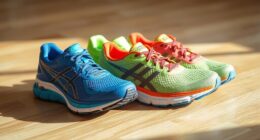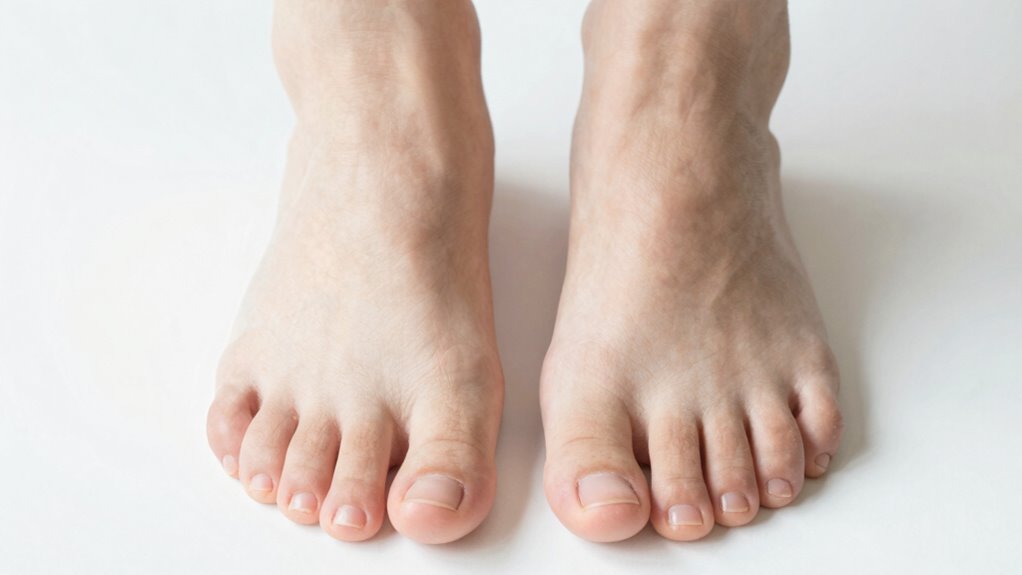
If you have wide feet, using the toe-box test can help make certain your shoes fit snugly without squeezing your toes. Try on the shoes or wear your current pair, then check if your toes sit comfortably with enough room to wiggle, ideally about a thumb’s width at the front. Avoid shoes that pinch or squeeze. To discover more tips for fitting wide feet comfortably and protecting your toenails, keep exploring this helpful guide.
Key Takeaways
- Measure both feet and choose shoes that fit the wider foot comfortably to prevent pinching and toenail issues.
- Perform the Toe-Box Test by ensuring there’s about a thumb’s width of space and no squeezing when wearing the shoes.
- Look for shoes with a wider toe box to accommodate wider feet and reduce bunion pressure.
- Walk around in shoes to check for discomfort, ensuring toes can wiggle freely without pinching.
- Regularly test shoe fit to protect toenails and prevent foot deformities, especially if you have wide feet.
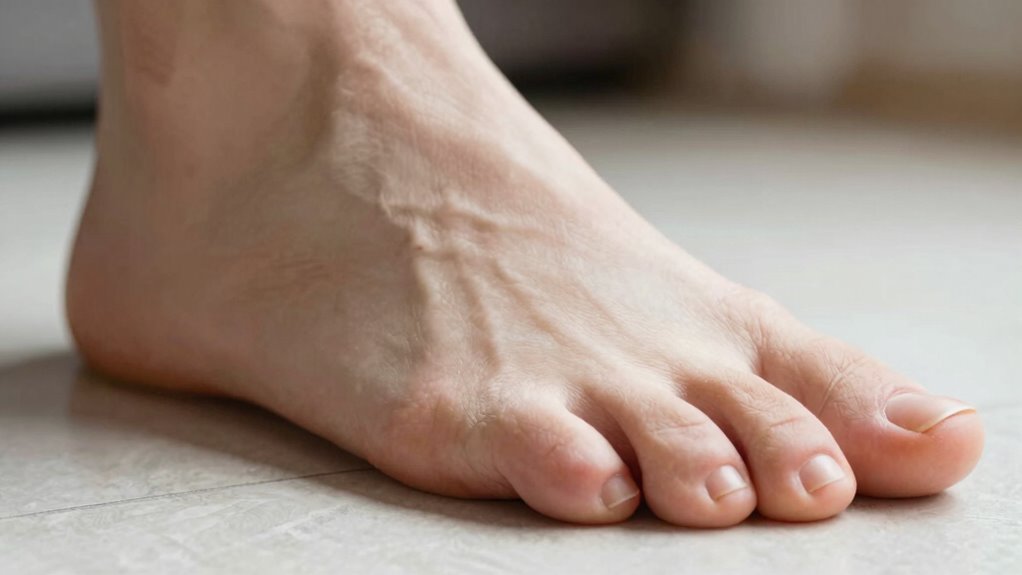
If you have wide feet, finding comfortable shoes can be a challenge. Ill-fitting footwear can lead to discomfort, blisters, and even long-term issues like bunions or hammertoes. That’s why it’s vital to guarantee your shoes provide the proper footwear fit. One simple yet effective way to do this is through the toe-box test, which helps determine if your shoes are wide enough to accommodate your foot without squeezing or pinching. Proper footwear fit isn’t just about comfort; it can also prevent problems like bunion pain and provide relief for existing bunions by reducing pressure on the affected area. When shoes fit well, your toes have enough room to move freely, decreasing the risk of aggravating bunion deformities or causing new ones to develop.
Proper shoe fit prevents bunions and ensures comfortable, healthy foot movement.
The toe-box test is straightforward. First, put on the shoes you’re considering or are already wearing. Then, look at your toes. They should sit comfortably in the toe box, with enough space to wiggle without feeling cramped. A good rule of thumb is to have about a thumb’s width of space between your longest toe and the front of the shoe. If your toes are pressing against the toe box or feel squeezed, the shoe isn’t providing an adequate footwear fit for your foot width. Too narrow shoes force your toes into unnatural positions, which can lead to discomfort, corns, and bunions over time. Conversely, shoes that are too loose might cause your foot to slide around, leading to blisters and instability.
Pay attention to how the shoe feels during the test. You shouldn’t experience pinching or pressure on the sides of your foot, especially near the ball of the foot or the bunion area. Shoes with a wider toe box prevent unnecessary pressure on bunions and can provide bunion relief by taking the stress off the joint. It’s essential to measure both feet, as one foot might be wider or longer than the other. Always choose shoes that comfortably fit the wider foot to guarantee even support. Additionally, selecting shoes with a proper fit can help improve overall foot health and comfort.
In addition to the toe-box test, consider trying on shoes later in the day when your feet tend to be more swollen. Take the time to walk around in the shoes, paying attention to any discomfort. Remember, a proper fit isn’t just about size; it’s about the overall shape and width of the shoe matching your foot’s profile. By regularly performing the toe-box test, you can find footwear that not only fits well but also helps prevent bunion progression and offers lasting comfort. Protect your toenails and your feet by choosing shoes that respect your foot’s natural width and provide ample space for healthy movement.

Barefoot Shoes Women Casual Sneakers,Wide Toe Box Shoes Women Zero Drop Barefoot Shoe Men,Minimalist Trail Running Shoe,Non-Slip Lightweight Breathable Comfortable Fashion Walking Hiking Shoes Unisex
【Barefoot Comfort】Women's zero-drop sneakers with a wide toe box for barefoot-like comfort
As an affiliate, we earn on qualifying purchases.
As an affiliate, we earn on qualifying purchases.
Frequently Asked Questions
How Often Should I Recheck My Shoe Fit?
You should recheck your shoe fit every few months, especially if you’re shoe stretching or experiencing foot changes. Regularly measuring your feet guarantees your shoes still match your current foot measurements. This helps prevent discomfort and toenail issues. If you notice any tightness, pain, or discomfort, do a quick fit check immediately. Staying proactive keeps your feet comfortable and healthy, avoiding long-term problems caused by ill-fitting shoes.
Can Insoles Improve Comfort for Wide Feet?
Yes, insoles can be a game-changer for wide feet. They act like a custom-fit hug, offering extra arch support and cushioning where you need it most. Orthotic inserts help distribute pressure evenly, reducing discomfort and preventing blisters. By choosing insoles designed for wide feet, you enhance overall comfort, making your shoes feel like a cozy second skin. Give them a try and walk with confidence!
Are Certain Brands Better for Wide Feet?
Certain brands are better for wide feet because they prioritize accurate shoe sizing and offer wide options. Do a brand comparison to find those with extensive wide sizes, like New Balance, Brooks, or Skechers, which cater specifically to wider feet. Look for shoes labeled “wide” or “extra-wide” to guarantee a comfortable fit. Choosing the right brand makes a big difference in comfort and foot health, especially if you have wide feet.
How Do I Prevent Foot Pain From Improper Shoes?
To prevent foot pain from improper shoes, choose footwear with good foot arch support to maintain proper alignment and reduce strain. Opt for shoe material options like breathable mesh or soft leather that mold comfortably to your foot, preventing pressure points. Always guarantee your shoes fit well, especially in the toe box, and avoid tight or stiff shoes. Regularly check your footwear for signs of wear and replace them when needed.
What Are Signs My Shoes Are Too Tight?
You’ll notice signs your shoes are too tight if your toes feel cramped, especially around the toe-box, which should have enough room for your foot arch and toes to move freely. Tight shoes often cause discomfort, blisters, or numbness. Check the shoe material; stiff materials can cause pressure points. If your foot arch feels compressed or your toes are pressed against the shoe edges, it’s time to size up or choose shoes with a more flexible, accommodating material.

NORTIV 8 Women's Walking Shoes Cushion Comfortable ActiveBreeze Running Tennis Shoes Non-Slip Workout Gym Sports Athletic Breathable Fashion Sneakers,Size 8,Beige/Khaki,SNWS248W
Exceptional Cushioning: These women’s walking shoes are well-cushioned. The thick EVA midsole provides a cloud-like feel, absorbing shock…
As an affiliate, we earn on qualifying purchases.
As an affiliate, we earn on qualifying purchases.
Conclusion
Now that you know the toe-box test, you can avoid the pitfalls of tight shoes and protect your toenails. Think of your shoes as the foundation of a house—if it’s too cramped, nothing stands firm. By choosing the right fit, you’re giving your feet the freedom to breathe and move, like a bird soaring through open skies. Don’t let narrow shoes clip your wings—find that perfect fit and step confidently forward.

JACKSHIBO Wide Toe Box Shoes Women Arch Support Wide Sneakers for Running Walking Athletic Tennis Orthopedic Plantar Fasciitis Workout with Thick Cushion Zero Drop Sole Width Shoes Black
Wide Toe Box: Zero Drop Platform for Natural Stride. Zero toe compression in 8-hour wear! 20% wider forefoot…
As an affiliate, we earn on qualifying purchases.
As an affiliate, we earn on qualifying purchases.
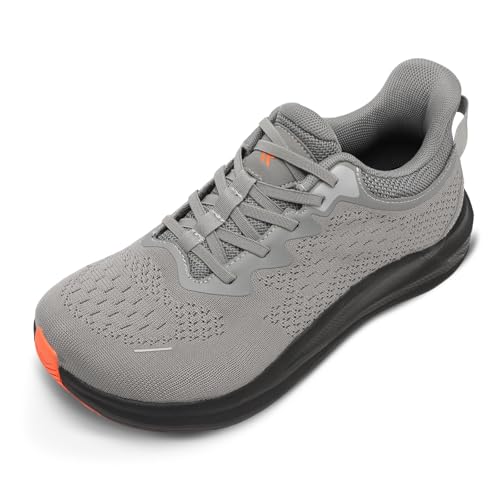
relxfeet Men’s Wide Toe Box Slip On Walking Shoes Lightweight Cushioned Sneakers for Running Tennis Gym Workout Non Slip Breathable Athletic Shoes Grey, Size 11
Wide Toe Box Comfort: Extra room at the front allows toes to spread naturally, reducing pressure for men…
As an affiliate, we earn on qualifying purchases.
As an affiliate, we earn on qualifying purchases.