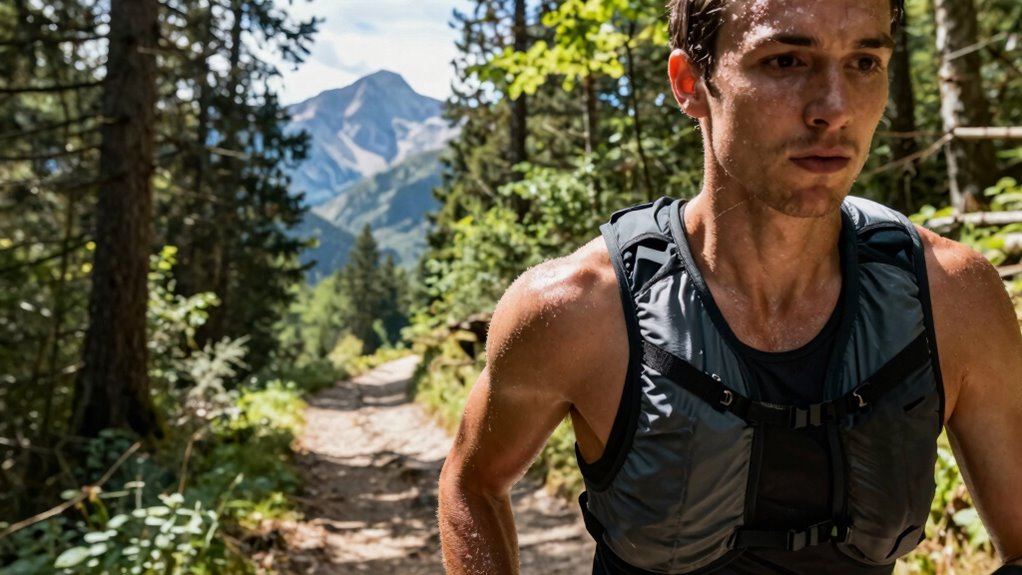

Using a weighted vest during hikes and walks can really amp up your workout intensity. It boosts your endurance and helps burn more calories while improving your overall strength and stability. Make sure you start with lighter weights and pay attention to your body, adjusting as needed. Keep an eye on uneven terrain and maintain good posture to avoid strain. Stick around to discover essential tips on weight selection and safety to maximize your benefits.

Get workout gear delivered free with Prime
- Fast, free delivery on millions of items
- Prime Video, Amazon Music and more included
- Member-only deals all year
Key Takeaways
- Use a weighted vest for hikes and walks to enhance intensity, but avoid it for easy runs to prevent strain and injury.
- Start with lighter weights and gradually increase to optimize strength gains without risking fatigue or injury.
- Always maintain good posture and engage your core to prevent back strain while using a weighted vest.
- Assess terrain carefully to prevent tripping hazards, especially when additional weight alters your balance.
- Stay hydrated and listen to your body; adjust weight as needed based on your fatigue levels.

When you’re gearing up for a hike or walk, adding a weighted vest can enhance your workout and boost endurance. These vests provide a simple way to increase resistance, making your body work harder during your activities. You’ll find that the benefits of weighted vests extend beyond just burning more calories; they can help improve strength, stability, and overall fitness levels. By wearing one, you’re effectively turning an ordinary hike into a more intense workout, allowing you to build muscle while enjoying the great outdoors.
Adding a weighted vest to your hike can transform your workout, boosting endurance and improving strength while enjoying the outdoors.
However, it’s vital to keep a few safety considerations in mind. First, make sure you choose a vest that fits snugly but isn’t too tight. A poorly fitting vest can lead to discomfort or even injury. Start with a lighter weight, especially if you’re new to using a weighted vest. Gradually increase the weight as your body adapts to the added resistance. This approach helps prevent strain on your joints and muscles, allowing you to enjoy your hike without putting your body at risk.
Another key safety consideration is your walking or hiking terrain. While a weighted vest can add a significant challenge, uneven or steep paths might increase your risk of tripping or falling. Pay attention to your footing, and be mindful of how the added weight affects your balance. When you’re on a trail, it’s important to maintain good posture; a weighted vest can sometimes cause you to lean forward. Keep your core engaged and shoulders back to prevent unnecessary strain on your back.
Remember, the goal is to enhance your hiking experience, not to make it more difficult than it needs to be. Listen to your body. If you feel fatigued or out of breath, it might be time to lighten the load or take a break. Hydration is also vital, so keep that water bottle handy. Incorporating a weighted vest into your walks and hikes can transform your routine into a more effective workout. Just be sure to prioritize safety and listen to your body as you push your limits. Proper weight selection can help you maximize benefits while minimizing risks, making your outdoor activities both safer and more productive. Additionally, understanding the importance of proper weight selection can help you maximize benefits while minimizing risks. Being aware of your body’s response to added weight is crucial for avoiding injury and ensuring sustained progress. Engaging in mindful body awareness during your activities can further enhance safety and effectiveness.
As an affiliate, we earn on qualifying purchases.
Frequently Asked Questions
Can Children Wear Weighted Vests During Hikes or Walks?
Yes, children can wear weighted vests during hikes or walks, but you should follow safety guidelines. It’s generally recommended for kids aged six and up, ensuring the vest’s weight doesn’t exceed 10% of their body weight. Monitor them closely for signs of fatigue or discomfort. Always prioritize their safety and comfort, and consider consulting with a pediatrician before starting any new physical activity that involves added weight.
How Do I Choose the Right Weight for My Vest?
Choosing the right weight for your vest isn’t rocket science—unless you’re planning to launch a space mission! Start with weight selection tips: aim for 10-20% of your body weight. If you’re feeling particularly adventurous, consider vest weight guidelines that suggest starting light and increasing gradually. You want to challenge yourself, not turn your hike into a struggle. Remember, it’s about endurance, not a weight-lifting contest in the great outdoors!
Are There Any Medical Conditions That Prohibit Using a Weighted Vest?
Yes, certain medical conditions can prohibit using a weighted vest. If you have joint issues, heart problems, or respiratory conditions, safety concerns arise. It’s essential to consult a healthcare professional before adding weight to your workouts. Instead, consider alternative training methods that suit your needs without risking your health. Always prioritize your well-being and listen to your body when deciding on fitness equipment.
How Should I Clean and Maintain My Weighted Vest?
Did you know that a well-maintained weighted vest can last up to twice as long as one that isn’t? To keep yours in top shape, use gentle cleaning techniques like hand washing with mild soap and air drying. Avoid harsh chemicals that can degrade the material. For maintenance tips, regularly check the straps and weights for wear and tear. Keeping it clean and functional guarantees you get the most out of your workouts!
Can I Wear a Weighted Vest While Cycling?
Yes, you can wear a weighted vest while cycling, but it’s important to contemplate safety. The added weight can enhance your workout, boosting strength and endurance. However, make sure it’s secure and doesn’t impede your movement or balance. Start with a lighter vest to gauge how it affects your cycling performance. Always prioritize your safety and comfort to enjoy the benefits cycling offers without risking injury.
Conclusion
Incorporating a weighted vest into your hikes and walks can transform your journey, adding resistance like a gentle breeze against your back. But remember, it’s not for those easy runs where you float like a feather. Embrace the challenge on rugged trails and steady paths, letting each step resonate with strength and purpose. So, strap on that vest, feel the weight of your determination, and let every hike be a dance between effort and enjoyment.
Fall Picks
fall essentials
As an affiliate, we earn on qualifying purchases.