Don’t let one HRV number control your week. Instead, view HRV as a tool to understand your body’s signals rather than the sole measure of your readiness. Focus on trends over time, and consider external factors like hydration and environment that impact HRV. Use it to inform decisions, but remember, your recovery and progress come from consistent, balanced effort. Keep exploring how to interpret HRV so it supports your goals without dictating your every move.
Key Takeaways
- Focus on overall HRV trends over single daily readings to gauge true recovery and stress levels.
- Use HRV as a guide, not a strict rule, adjusting your training based on patterns rather than one number.
- Incorporate external factors like hydration and environment to contextualize HRV readings effectively.
- Maintain consistent routines and hydration to stabilize HRV, reducing anxiety over daily fluctuations.
- Emphasize long-term resilience and progress instead of fixating on isolated HRV changes during the week.

Heart rate variability (HRV) is a powerful tool that runners can use to optimize training and prevent injury. When you monitor HRV, you’re tapping into your body’s subtle signals about recovery, stress, and readiness. This information can help you make smarter decisions about your workouts, ensuring that you’re training consistently without overdoing it. One key aspect to consider is maintaining training consistency, which means sticking to a regular running schedule that balances effort and recovery. HRV can guide you to identify days when your body is well-rested and ready for quality runs, or when it needs extra rest, helping you avoid the pitfalls of overtraining.
Hydration strategies play a vital role in maintaining stable HRV levels. Proper hydration keeps your cardiovascular system functioning at its best, which in turn supports a healthy autonomic nervous system. When you’re well-hydrated, your HRV tends to be higher, indicating good recovery and resilience. Conversely, dehydration can lead to lower HRV readings, signaling that your body is under stress and might not perform at its best. By paying attention to your hydration and adjusting your intake based on your activity level and environmental conditions, you can support more stable HRV readings and better overall performance.
Understanding your HRV trends over time lets you spot patterns that relate to your hydration habits and training consistency. For example, if your HRV drops consistently after certain runs or when you neglect hydration, it’s a clear sign to tweak your routine. Small adjustments, like drinking more water before, during, and after runs, can make a significant difference in how your body recovers and adapts. The goal is to keep your HRV steady or trending upward, which indicates you’re building resilience and fitness without risking burnout or injury. Additionally, tracking air quality and environmental conditions can help you understand external factors that influence your HRV and overall performance.

AUDAXFIT Treadmills for Home with 16% Incline & Handle Bar, 3.0HP Quiet Foldable Treadmill with Led Screen Up to 300lbs Capacity, 7-Layer Shock-Absorbing Walking Pad Treadmill 0.6-7.0MPH
【16% MANUAL INCLINE】The treadmills for home equipped with a manual incline between 0-16% , you can start at...
As an affiliate, we earn on qualifying purchases.
Frequently Asked Questions
Can HRV Predict Injury Risk for Runners?
HRV can help predict injury risk, but it has limitations. You shouldn’t rely solely on HRV for injury prevention since it’s just one piece of the puzzle. Variations in HRV can indicate stress or fatigue, which might increase injury chances, but it doesn’t guarantee you’ll get hurt. Use HRV alongside other indicators like sleep, training load, and recovery to better manage your risk and stay healthy.
What Is the Ideal HRV Range for Runners?
Your ideal HRV range for runners varies based on your heart rate and stress levels, but generally, higher HRV indicates better recovery and resilience. Aim for a range that reflects your personal baseline, typically between 50 to 100 milliseconds. Consistently monitor your heart rate, manage stress levels, and look for gradual increases in HRV, which signal improved fitness and readiness, rather than obsessing over a specific number.
How Does Hydration Affect HRV Readings?
Hydration impacts your HRV readings by influencing your body’s electrolyte balance, which is essential for nerve and muscle function. When you’re dehydrated, HRV can decrease, signaling stress or fatigue. Staying well-hydrated with proper electrolytes helps stabilize your HRV, giving more accurate readings. Focus on drinking water and replenishing electrolytes, especially after intense workouts, to guarantee hydration supports ideal autonomic nervous system function and reliable HRV measurements.
Should I Adjust Training Based on HRV Daily?
Think of your HRV as a dashboard light—use it to guide your training intensity, not dictate it. If your HRV drops, consider easing up, especially if your sleep quality is poor, to prevent overtraining. On high HRV days, you might push a little harder. Listen to your body, and don’t rely solely on one reading; instead, look for trends to make smarter adjustments.
Can HRV Be Used Alongside Other Recovery Metrics?
Yes, you can definitely use HRV alongside other recovery metrics like sleep quality to optimize your training. Combining HRV data with sleep patterns and perceived fatigue helps you develop effective recovery strategies, ensuring you’re well-rested and ready for your runs. This thorough approach allows you to make smarter decisions, avoid overtraining, and enhance performance. Don’t rely on one metric alone—use a holistic view for better recovery and progress.

LYAN HANS Curved Manual Treadmill, Non-Electric Curve Treadmill with 4 Resistance Levels, Self-Generated Air Runner with LCD, Commercial Motorless Treadmills for Home Gym, 450LBS Capacity, Black
Customizable 4-Level Resistance: 30-50% more calories than traditional treadmills, greatly activating the muscles inside and improving the exercise...
As an affiliate, we earn on qualifying purchases.
Conclusion
Now, imagine what could happen if you stop letting that single HRV number dictate your entire week. Instead, trust your body’s signals and embrace the journey, unpredictable as it may be. Will you access new levels of performance or stay caught in the cycle of obsession? The choice is yours. Keep listening, stay curious, and see where your runs take you—beyond the numbers, into the true rhythm of your body’s story.

XVCAS Under Desk Treadmill with Incline and Handlebar, 4-in-1 Folding Walking Pad for Home Office, Quiet Running Machine with Remote, Installation Free, Portable
Adjustable Incline: walking mat treadmill features incline adjustment via foot pads, ramping up calorie burn and workout efficiency;...
As an affiliate, we earn on qualifying purchases.
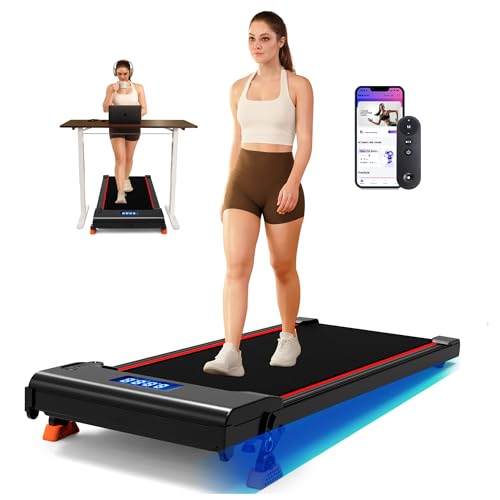
Hartwares NeoSilent Walking Pad with Incline Under Desk Treadmill 4 Level 9% and BLDC Core, Extra-Large Belt, App and Remote Control, Compact Mini Treadmills for Home Office Small Space
[Powerful & NeoSilent 2.5HP BLDC Core]Our quiet walking pad treadmill features a 2.5HP brushless motor for powerful, desk...
As an affiliate, we earn on qualifying purchases.