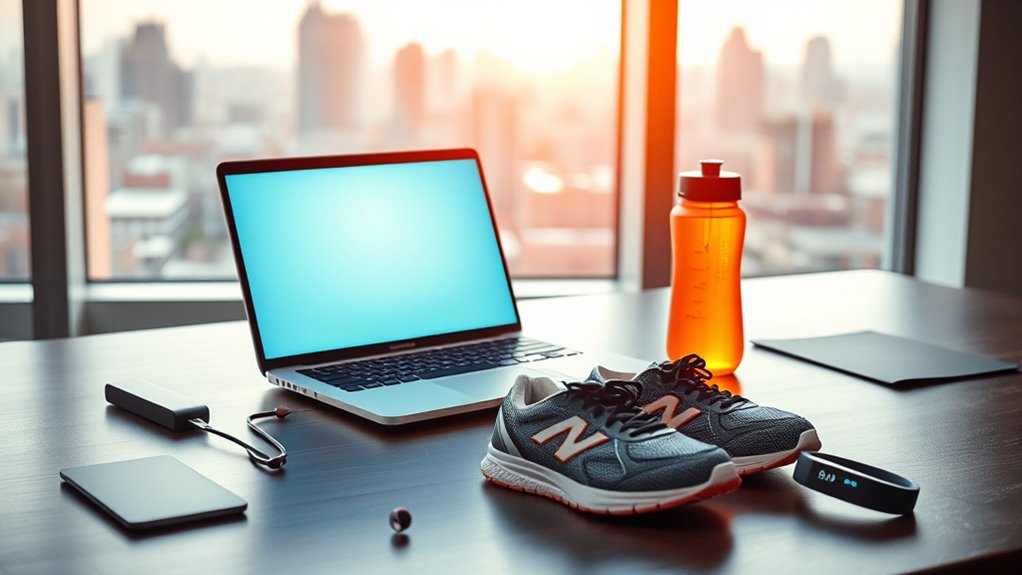

To bring running into your workday, start with simple steps like stretching and walking during breaks. Incorporate quick office stretches to loosen muscles and take brisk walks during lunch to boost your energy. Gradually add short running sessions outside, building your endurance slowly. Consistent movement throughout the day sets a strong foundation. If you keep applying these strategies, you’ll discover effective ways to seamlessly blend running into your busy schedule.
Key Takeaways
- Incorporate short stretching and walking breaks during work to gradually build movement and prepare for running.
- Use lunch breaks for brisk walks or stair climbing to increase overall activity and stamina.
- Set realistic, incremental running goals aligned with your daily activity routine to prevent overexertion.
- Track progress and celebrate small milestones to stay motivated during the transition from desk to 5K running.
- Combine office movement with outside training sessions focused on technique and endurance to ensure safe progression.

Have you ever wondered how to transform your sedentary desk job into a healthier, more active lifestyle? It might seem challenging to fit exercise into your busy workday, but small steps can make a big difference. Incorporating office stretching into your routine is a simple way to combat the stiffness that builds up from long hours sitting. Throughout the day, take a moment to stand up and stretch your arms, legs, neck, and back. These quick routines loosen tight muscles, improve circulation, and boost your energy levels. You don’t need special equipment—just a few minutes of intentional movement can refresh your body and mind, making the workday feel less draining.
Incorporate quick office stretches to ease stiffness, boost circulation, and energize your workday.
Another effective strategy is to prioritize lunch break walks. Instead of eating at your desk or sitting idly, dedicate part of your break to walking outside or around your office building. Even a brisk 10-15 minute walk can elevate your heart rate, improve your mood, and help break up prolonged periods of sitting. Walking also promotes better digestion and can clear your mind, making you more productive for the rest of the day. If walking outdoors isn’t always possible, consider pacing around your office or using stairs instead of elevators. These small changes add up over time, gradually building your stamina and preparing you for more structured running workouts. Additionally, incorporating proper extraction methods like walking or gentle stretching can further enhance your activity levels during the day.
As you start to see the benefits of these daily habits, you might feel motivated to take the next step—training for a 5K. The progression from a sedentary lifestyle to running is about consistency and gradual progress. Begin by setting realistic goals, such as running for a few minutes at a time, then gradually increasing your duration and intensity. Combine your office routines with dedicated training sessions outside of work hours, where you can focus on proper running techniques and endurance building. Remember, the key is to listen to your body and avoid overexertion, especially when you’re just starting out.
To stay motivated, keep track of your progress, celebrate small victories, and remind yourself of the health benefits you’re gaining. Incorporating office stretching and lunch break walks into your daily routine sets a strong foundation for your “Desk to 5K” journey. These habits not only improve your physical health but also make running feel more achievable and enjoyable as your stamina improves. With patience and consistency, you’ll find yourself transforming from a desk-bound worker into a confident, active runner—bringing fitness into your workday in a sustainable way.

Cubii Total Body - Compact 2-in-1 Elliptical with 12 Resistance Levels, Low-Impact Cardio & Strength Training with an Ergonomic Pulley System for a Full-Body Workout Anywhere You Sit - Adult to Senior
Full-Body Fitness: Compact 2-in-1 elliptical with an upper-body pulley system delivers low-impact cardio and strength training for a...
As an affiliate, we earn on qualifying purchases.
Frequently Asked Questions
What Are the Best Shoes for Desk-To-5k Running?
You should choose shoes with excellent cushioning and arch support for your desk-to-5K runs. Look for lightweight sneakers that absorb impact and keep your feet comfortable during short runs. Opt for shoes that fit well and support your arch, preventing fatigue and injury. Brands like ASICS, Brooks, and Saucony often have models designed specifically for versatile running and daily wear, making them perfect for shifting from desk to run.
How Can I Stay Motivated to Run During Work Hours?
Think of your motivation as a fire that needs tending. To keep it burning, tap into office camaraderie by finding coworkers who share your lunchtime challenges. Share your goals, celebrate small wins, and invite others to join you. Visualize the sense of accomplishment after each run, making it easier to lace up and hit the pavement, even during busy work hours. Your commitment builds momentum like a snowball rolling downhill.
What Are Quick Stretches to Do at My Desk?
You can do simple office stretches and quick mobility drills right at your desk to stay limber. Try shoulder rolls, neck stretches, and seated spinal twists to loosen up. Standing up, do hamstring stretches or calf raises. These quick moves boost circulation, reduce tension, and keep you energized. Incorporate them into your workday to maintain flexibility, prevent stiffness, and feel more alert throughout your busy schedule.
How Do I Prevent Injuries While Running at Work?
To prevent injuries while running at work, start with a proper warm-up to loosen your muscles and improve flexibility. Stay hydrated by drinking water before, during, and after your run to prevent cramps. Pay attention to your form, avoid overexertion, and listen to your body. Incorporate stretching and cooldown routines afterward, and gradually increase your distance to build endurance safely.
Can I Track My Progress With a Smartwatch or Fitness App?
Yes, you can definitely track your progress with a smartwatch or fitness app. These devices help with fitness tracking by recording your distance, pace, and calories burned, giving you real-time data. They also assist with progress monitoring, so you can see how you’re improving over time. Using these tools keeps you motivated and helps you adjust your running routine for better results and injury prevention.

PhysioGo2 Elliptical Exerciser Machine for Adults – 8 Adjustable Auto Speeds, Manual & Motorized Pedaling, Bi-Directional Motion, Remote Control & LED Display – Low-Impact Cardio & Recovery Trainer
● LOW-IMPACT ELLIPTICAL MOTION FOR ACTIVE ADULT MOBILITY The Nobol PhysioGo2 delivers smooth, bi-directional elliptical movement to help...
As an affiliate, we earn on qualifying purchases.
Conclusion
Incorporating running into your workday can boost your energy and focus. Did you know that just 20 minutes of brisk walking or light jogging can improve mood and productivity? So, next time you hit a lull, lace up your sneakers and take a quick break. Making these small changes can lead to big health benefits over time, helping you go from desk to 5K with ease while staying energized throughout your day.

THERUN Elliptical Machine for Home, Hyper-Quiet Elliptical Exercise Machine, Compact Elliptical Trainer w/8 Levels Adjustable Resistance, 6KG Flywheel, Pulse Sensor, LCD Monitor
【Ultra-silent and Smooth Operation】THERUN elliptical machine for home is engineered with a quiet and smooth magnetic resistance system...
As an affiliate, we earn on qualifying purchases.
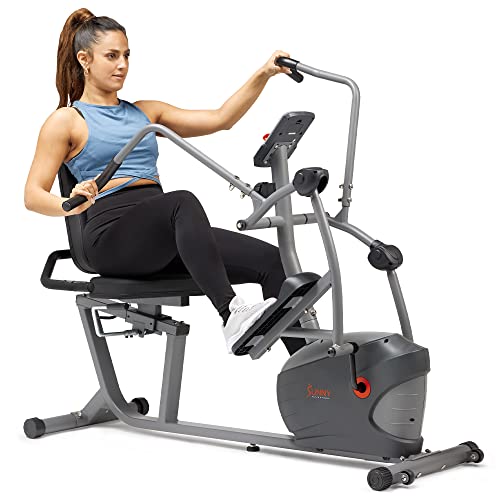
Sunny Health & Fitness Elliptical Recumbent Cardio Bike, Cross Trainer Cycle for Indoor Arm/Leg Home Exercise, Dual Stationary Handlebars Plus Easy Access Seat for Adults & Seniors w/App Connection
【LOW IMPACT DESIGN】Our recumbent elliptical bike enhances cardio health and strength while safeguarding joints. Tailored for low impact,...
As an affiliate, we earn on qualifying purchases.