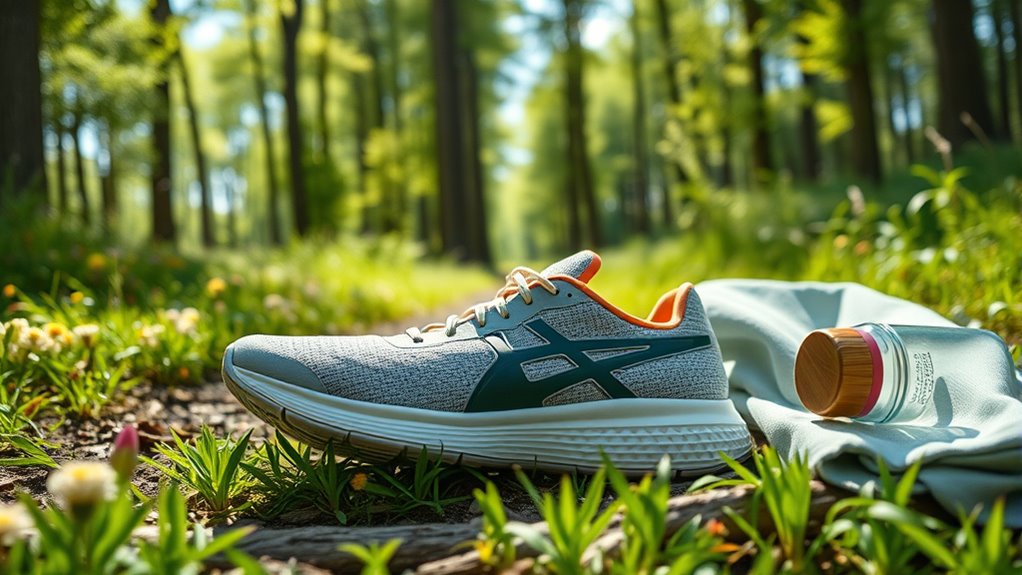

Choosing eco-friendly running gear helps you reduce environmental impact by supporting brands that use recycled materials and biodegradable fabrics. These options minimize plastic microfibers, lower pollution, and promote sustainable manufacturing practices. By selecting products designed with durability and transparency in mind, you contribute to a healthier planet while enjoying high performance. Want to discover how to make even smarter choices for your runs? Keep exploring to find out more about sustainable options that truly make a difference.
Key Takeaways
- Opt for brands that incorporate recycled plastics and waste materials into their running gear to reduce landfill waste.
- Choose biodegradable fabrics made from natural fibers like hemp, organic cotton, or Tencel for eco-friendly disposal.
- Support companies with transparent supply chains and eco-conscious manufacturing practices to promote industry-wide sustainability.
- Prioritize durable, performance-oriented gear that combines sustainability with high-quality design for long-term use.
- Look for labels highlighting the use of recycled and biodegradable materials to make informed eco-friendly choices.

As more runners seek to reduce their environmental impact, eco-friendly running gear has become an essential part of sustainable fitness. You’re likely looking for ways to minimize your carbon footprint without sacrificing performance or comfort. One effective approach is choosing gear made through innovative recycling initiatives. Many brands now incorporate recycled plastics, old garments, and other waste materials into their products, transforming what would be trash into high-quality gear. This not only keeps waste out of landfills but also reduces the demand for virgin resources. When shopping for running shoes, apparel, or accessories, look for labels that highlight their use of recycled materials. By supporting companies committed to recycling initiatives, you actively participate in a circular economy, where waste is repurposed instead of discarded. Additionally, incorporating biodegradable materials helps further reduce long-term environmental impact, ensuring that your gear decomposes naturally after use. Another critical aspect of eco-friendly running gear is the use of biodegradable materials. These materials break down naturally in the environment, greatly reducing long-term pollution. For example, some brands use biodegradable fabrics made from natural fibers like hemp, organic cotton, or Tencel, which decompose faster than conventional synthetic textiles. Shoes and accessories crafted from biodegradable components help ensure that even if your gear wears out or gets discarded, it won’t linger in ecosystems for decades. This shift towards biodegradable materials is essential because traditional synthetic fabrics, such as polyester and nylon, shed microplastics during washing, contaminating waterways and harming marine life. Choosing biodegradable options minimizes this issue and supports a healthier planet. You’ll also find that eco-friendly running gear often combines these sustainable materials with durable design, so you don’t have to compromise on quality. Many brands are innovating by creating gear that’s both environmentally responsible and built for performance, making it easier for you to integrate sustainability into your routine. Furthermore, some companies embrace transparent supply chains, ensuring that their manufacturing processes prioritize eco-conscious practices from sourcing to production. By opting for gear that emphasizes recycling initiatives and biodegradable materials, you become an active participant in reducing environmental harm. You help promote a more sustainable industry and set an example for fellow runners.

Jrysaedy Eco-Friendly Running Shoes with Cushioned EVA Sole & Moisture-Wicking Mesh Upper Flame Pattern
Premium Comfort & Durability:Featuring a lightweight EVA sole for superior cushioning and flexibility, this running shoe reduces foot…
As an affiliate, we earn on qualifying purchases.
As an affiliate, we earn on qualifying purchases.
Frequently Asked Questions
How Long Do Eco-Friendly Running Shoes Typically Last?
Eco-friendly running shoes typically last between 300 to 500 miles, depending on your shoe lifespan and how often you run. Thanks to eco innovations durability, these shoes often hold up well, but they may wear out faster if you run frequently or on rough terrain. To maximize their lifespan, rotate shoes and follow proper care routines. With good maintenance, you can enjoy eco-friendly shoes that last as long as conventional ones.
Are Sustainable Running Gear Options More Affordable?
Think of sustainable running gear as planting seeds for future savings; it often costs more upfront but grows into long-term value. While some eco-friendly brands may seem pricier, a careful cost comparison reveals many options are quite affordable. You can find eco-conscious gear that fits your budget, proving that caring for the planet doesn’t have to break the bank. Many brands now balance sustainability with brand affordability, making greener choices more accessible.
Can Eco-Friendly Materials Impact Running Performance?
Eco-friendly materials can positively impact your running performance by offering better material breathability, which keeps you cooler and more comfortable during your run. While some eco-friendly fabrics may be slightly lighter, it’s vital to take weight considerations into account, as lighter gear can enhance speed and agility. Overall, choosing sustainable options doesn’t mean sacrificing performance; in fact, the right eco-friendly gear can boost your comfort and efficiency on the run.
How Do I Identify Truly Eco-Friendly Brands?
You identify truly eco-friendly brands by checking their certification standards, scrutinizing their transparency, and evaluating their commitment to sustainability. Look for labels like OEKO-TEX, Fair Trade, or B Corp that verify eco-friendly practices. Research their supply chains, ask about material sourcing, and review their environmental policies. By comparing these factors, you guarantee you’re supporting brands genuinely dedicated to reducing environmental impact and promoting transparency in their eco-friendly claims.
Are Recycled Fabrics as Durable as Traditional Ones?
Recycled fabrics can be just as durable as traditional ones, especially when brands choose high-quality materials. While recycled fabric durability varies depending on the textile and manufacturing process, many eco-friendly textiles offer excellent longevity and resistance to wear. You can trust that sustainable fabrics are designed to provide the same performance, ensuring eco-friendly textile longevity without sacrificing durability. Always check product reviews and material details to confirm quality.

ShocSox Women's Athletic Shorts – 5" Seamless Biker Shorts for Running, Gym, Workout | Double Pockets, Recycled Material(US, Alpha, Large, Regular, Regular, Tropicali)
No-Ride Comfort for Every Workout Say goodbye to shorts that bunch, roll, or ride up. These compression running…
As an affiliate, we earn on qualifying purchases.
As an affiliate, we earn on qualifying purchases.
Conclusion
As you lace up your eco-friendly shoes and step onto the trail, feel the earth beneath your feet and the fresh air filling your lungs. Every stride you take supports a greener planet, turning your run into a movement of change. With each breath, you become part of a sustainable future, where nature and activity harmonize. Embrace these choices, and let your run be a declaration to the beauty of caring for our world—one step at a time.
biodegradable running gear
As an affiliate, we earn on qualifying purchases.
As an affiliate, we earn on qualifying purchases.
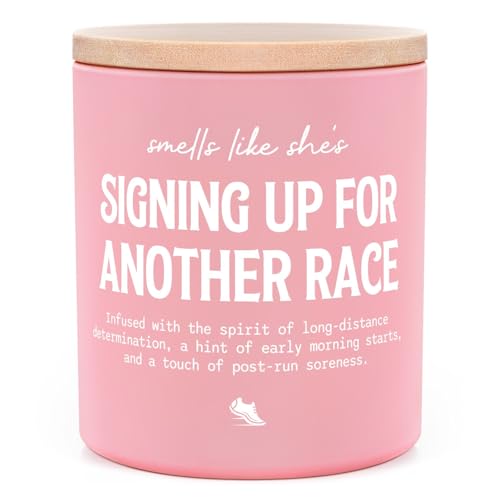
IDELTIME Gifts for Runners Women, Funny Marathon Essentials Candle 10Oz, Cross Country, Half Marathon, Track and Field Runner Gifts, Running Accessories for Women Friends, Soy Wax Scented Candle
【Perfect Running Gifts for Women】Celebrate her unstoppable spirit with this pink “Signing Up for Another Race” candle —…
As an affiliate, we earn on qualifying purchases.
As an affiliate, we earn on qualifying purchases.