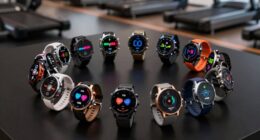
Pacing bands and wristbands started as simple tools for runners to keep their target times by displaying split markers or pacing goals. As running gained popularity, they evolved into colorful, customizable accessories that also serve as fashion statements. Inspired by medical-grade wristbands, many now prioritize safety, durability, and style. If you’re curious how these accessories blend performance and personal expression, you’ll discover how they’ve grown into versatile items that go beyond just pacing.
Key Takeaways
- Originally designed as simple tools to display race times and help runners maintain steady paces.
- Evolved to include medical-grade features for safety, durability, and reliability in sports and healthcare settings.
- Influenced by medical wristbands’ safety and identification functions, enhancing athletic wristband design.
- Became fashion accessories with customizable designs, colors, and limited editions, blending practicality with style.
- Continue to evolve, integrating health, safety, and fashion trends to serve diverse needs of active individuals.
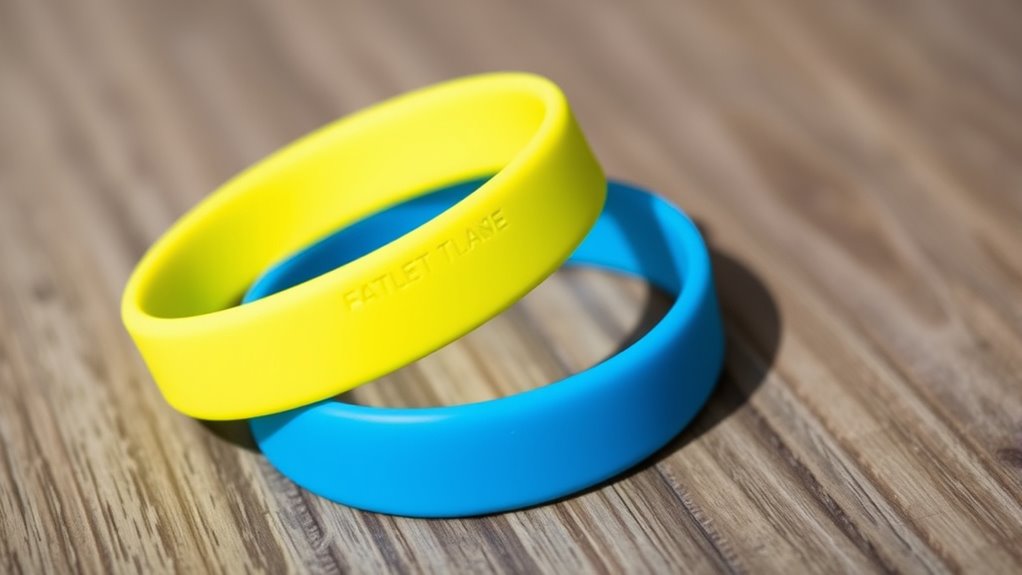
Pacing bands and wristbands are essential tools for runners aiming to hit specific finish times, providing a simple yet effective way to stay on track during a race. While their primary purpose is to help you maintain a steady pace, these bands have evolved beyond just practical tools, weaving into broader cultural and functional contexts over time. Originally, pacing bands served a straightforward role: they displayed time goals or split markers, guiding runners to stay on pace. As running grew in popularity, so did the variety and significance of these accessories.
Pacing and wristbands help runners stay on pace and have evolved into stylish, safety-focused accessories.
In recent years, pacing bands have found surprising applications beyond running. In the medical field, for example, wristbands are widely used for patient identification, medication management, and allergy alerts. This medical application of wristbands underscores their importance in safety and efficiency, which has inspired design improvements in the athletic world. Athletes and casual runners alike now look for bands that are not only functional but also durable and comfortable, reflecting a crossover influence from medical-grade wristbands known for their reliability. This blend of practicality and innovation has helped pacing bands become more than just a race accessory—they’re now seen as crucial safety tools for some runners.
Furthermore, the integration of medical-grade wristbands concepts into athletic gear emphasizes the increasing focus on safety and durability in sports accessories.
At the same time, pacing bands and wristbands have become trendy fashion statements, especially within the activewear and athleisure markets. Their colorful, customizable designs allow runners to express personal style, making them popular accessories even outside race conditions. Some brands now release limited-edition designs, turning these bands into collectibles, which boosts their popularity among fashion-conscious runners. Their presence on social media platforms further fuels this trend, where athletes showcase their stylish gear, turning functional items into fashion statements. This dual purpose—serving both practical and aesthetic needs—has helped cement their place in contemporary sports culture.
The history of pacing bands and wristbands shows their transformation from simple pacing tools to versatile accessories. They’ve adapted to meet diverse needs, integrating innovations from medical applications that emphasize safety and durability, while also following fashion trends that prioritize style and personalization. As running continues to grow in popularity, and as health and safety considerations become more prominent, these bands will likely evolve further. Whether you’re using them to hit a specific time or to complement your athletic wardrobe, pacing bands and wristbands have become integral parts of the modern runner’s toolkit. Their journey reflects a blend of function, safety, and style—making them more than just race accessories but also enduring symbols of active living.

BibBoards Marathon Pace Band Full Marathon 4:20 – Your Personal Pace Coach for Races, Training – Waterproof, Lightweight Race Pace Band to Crush Goals – Running Accessories for Half & Full Marathons
Made from High-Performance silicone: Durable yet surprisingly soft, designed to withstand daily wear and tear.
As an affiliate, we earn on qualifying purchases.
As an affiliate, we earn on qualifying purchases.
Frequently Asked Questions
How Do Pacing Bands Improve Athletic Performance?
You can improve your athletic performance by using pacing bands, as they help with heart rate monitoring and motivation enhancement. These bands provide real-time feedback, allowing you to maintain ideal heart rates during workouts. They also serve as visual cues, encouraging you to stay on pace, which boosts your motivation. By keeping your heart rate in the target zone, you enhance endurance and overall effectiveness, leading to better athletic results.
What Materials Are Commonly Used in Wristband Manufacturing?
You’d think wristbands are just fabric, but they actually use materials like polyester, nylon, and spandex, making them both durable and stretchy. Ironically, these fashion statements undergo complex manufacturing processes, blending comfort with style. From moisture-wicking fabrics to silicone or rubber accents, manufacturers craft wristbands to withstand sweat and wear. So, next time you wear one, remember it’s a carefully engineered mix of textiles designed for both function and flair.
Are There Any Health Risks Associated With Wearing Pacing Bands?
Wearing pacing bands can pose health risks like skin irritation or allergy risks, especially if you have sensitive skin or allergies to certain materials. You might experience redness, itching, or discomfort from prolonged wear or if the band isn’t breathable. To minimize these risks, make sure your bands are made from hypoallergenic, breathable materials, and remove them periodically to let your skin breathe and prevent irritation.
How Have Wristbands Evolved in Sports Over the Decades?
You’ve seen wristbands transform from simple fabric strips to high-tech gear. Over decades, sports wristbands evolved with fashion trends and manufacturing innovations, much like the shift from basic sneakers to smart athletic shoes. These changes improved comfort, durability, and performance tracking. Today, they’re integral to athlete performance and fan engagement, blending style and function seamlessly. You’re witnessing a journey from basic accessories to essential, high-tech sports tools.
What Are the Environmental Impacts of Disposable Wristbands?
You might not realize it, but disposable wristbands can substantially impact the environment. They often use non-biodegradable plastics, contributing to waste in landfills and oceans. By opting for eco-friendly materials, you can reduce this footprint. Proper waste management also plays an essential role in minimizing harm, ensuring these wristbands don’t linger in the environment. Your choices can make a difference in promoting sustainability and protecting our planet.
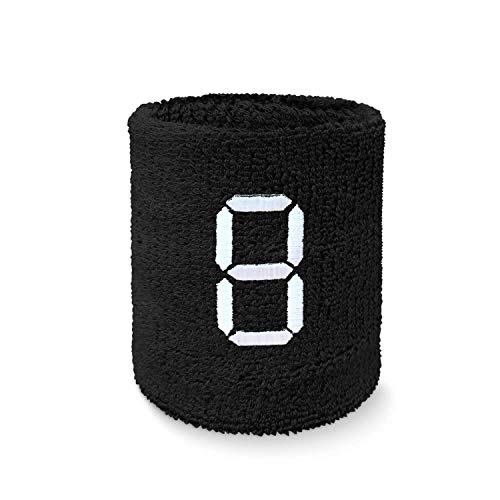
Couver Customizable Wristband Sweat Band White Number for All Sports All Purpose – Black/White Single
Mark out lines to make your number on the wristband.
As an affiliate, we earn on qualifying purchases.
As an affiliate, we earn on qualifying purchases.
Conclusion
As you reflect on the subtle evolution of pacing bands and wristbands, you realize they quietly weave into your journey, guiding you with gentle assurance. These unassuming tools, crafted with care, become silent companions that help you navigate challenges, subtly shaping your experience. Though their presence is often understated, their influence offers a comforting rhythm, reminding you that sometimes, the smallest gestures can carry the deepest meaning on your path to achievement.

XUANPAI Christmas Gifts 5 Pack Rubber Silicone Sport Medical Emergency Alert ID Bracelets Wristband for Men Women Kids (NO Needles OR BP This ARM)
YOU GET 5 BRACELETS – Get 1 each of Blue, Green ,Yellow , Red, Black
As an affiliate, we earn on qualifying purchases.
As an affiliate, we earn on qualifying purchases.

Huquary 100 Pcs Running Bracelets for Track and Field Gift Cross Country Rubber Silicone Wristbands Running Gifts Marathon Team Cheer Items Sports Prize Party Favors Supplies
Large Quantity for Events: run the extra mile at your running party with our pack of 100 multicolor…
As an affiliate, we earn on qualifying purchases.
As an affiliate, we earn on qualifying purchases.