
Running watches have come a long way, evolving from simple stopwatches to smart devices packed with features like GPS, heart rate monitoring, and personalized coaching. These advancements help you track pace, distance, and performance, making your training more effective. Whether you’re a casual runner or a seasoned athlete, choosing the right watch can boost your motivation and results. Keep exploring to discover how these tech upgrades can transform your runs and help you reach your goals.

Get workout gear delivered free with Prime
- Fast, free delivery on millions of items
- Prime Video, Amazon Music and more included
- Member-only deals all year
Key Takeaways
- Running watches have evolved from basic stopwatches to advanced smart devices with comprehensive fitness tracking.
- Modern features include GPS, heart rate monitoring, personalized coaching, and detailed performance analytics.
- The development of wearable technology has expanded the capabilities and accuracy of running watches for all skill levels.
- Brand options like Garmin, Fitbit, Suunto, and Apple offer varied features tailored to different training needs.
- Choosing the right running watch depends on individual goals, preferred features, and compatibility with other devices.
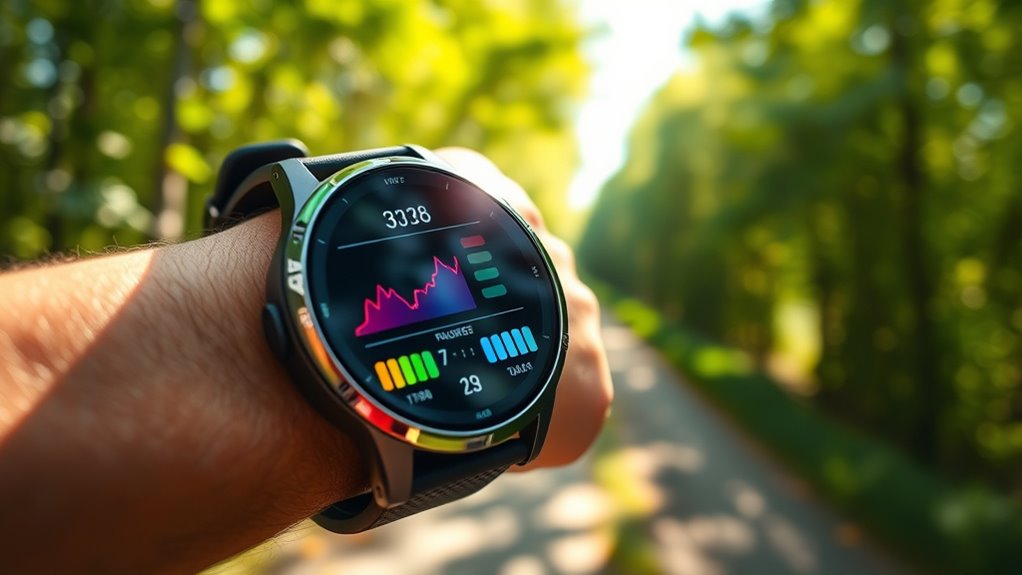
Are you looking to improve your running experience? If so, investing in a good running watch can make a significant difference. These devices have evolved from simple stopwatches to advanced smart tech, offering a range of tools to help you train smarter and reach your goals. When choosing the right running watch, it’s essential to consider the training benefits it provides as well as how different brands compare. Some models focus on basic features like timing and distance, while others incorporate heart rate monitoring, GPS tracking, and personalized coaching. Understanding these differences can help you select a device that aligns with your training style and objectives.
Training benefits are at the core of why many runners turn to modern watches. A good running watch can track your pace, distance, and time, giving you immediate feedback on your performance. Over time, this data helps you identify patterns, set realistic goals, and measure progress. Many watches also feature interval timers, heart rate zones, and VO2 max estimates, enabling you to fine-tune your training for endurance, speed, or recovery. These insights are vital for avoiding overtraining and pushing yourself just enough to improve steadily. Additionally, some watches offer training plans tailored to your fitness level, which can be especially helpful if you’re preparing for a race or trying to break a personal record.
Brand comparisons are just as important as understanding the features themselves. Major brands like Garmin, Fitbit, Suunto, and Apple each offer unique advantages. Garmin, for instance, is renowned for its accuracy, durability, and extensive range of models suited for different types of runners. Fitbit often integrates well with health tracking and offers sleek designs, making it a good choice for casual runners who also want lifestyle features. Suunto is known for its rugged build and outdoor-focused features, ideal for trail runners or those who enjoy multi-sport workouts. Apple Watch combines fitness tracking with smart notifications and seamless integration with iOS devices, making it a versatile choice for tech-savvy users. Comparing these brands involves looking at battery life, user interface, compatibility with other apps, and overall value based on your specific needs.
In the end, choosing the right running watch boils down to understanding your training benefits and how different brands meet those needs. Whether you’re a beginner aiming for consistency or an experienced runner chasing speed, the right device can boost your motivation and provide insights that drive improvement. With the variety of options available today, you’re better equipped than ever to find a running watch that enhances your performance and keeps you motivated on every run.
GPS running watch with heart rate monitor
As an affiliate, we earn on qualifying purchases.
As an affiliate, we earn on qualifying purchases.
Frequently Asked Questions
How Accurate Are GPS Tracking Features in Running Watches?
GPS accuracy in running watches generally varies based on factors like satellite signals and environmental conditions. You’ll find that in open areas with clear satellite signals, the GPS is quite reliable, providing accurate distance and pace data. However, when you’re surrounded by tall buildings or dense trees, signals can weaken, leading to slight inaccuracies. Overall, modern running watches deliver dependable GPS tracking, but expect some minor deviations depending on your surroundings.
What Is the Typical Battery Life of Advanced Running Watches?
You can expect advanced running watches to have a battery longevity of about 12 to 24 hours during active use, depending on features like GPS and heart rate monitoring. To maximize power management, you should adjust settings such as GPS accuracy and display brightness. Some models also offer battery-saving modes, helping you extend their use during long runs or multi-day activities.
Are There Specific Watches Designed for Different Types of Runners?
Yes, there are watches designed for different types of runners. You can find models with runner-specific features like GPS tracking for trail runners, heart rate monitoring for marathoners, or interval timers for sprinters. Many also offer customizable watch faces to suit your style and needs. These tailored options help you optimize your training, stay motivated, and track your progress effectively, no matter what kind of runner you are.
How Do Running Watches Integrate With Fitness and Health Apps?
You can easily connect your running watch to fitness and health apps through compatibility features. Most watches support fitness app compatibility via Bluetooth or Wi-Fi, allowing seamless data synchronization methods like automatic syncing or manual updates. This way, your workout data, heart rate, and GPS info transfer effortlessly, giving you a holistic view of your progress across devices. Keeping your stats updated helps you stay motivated and track improvements more effectively.
What Maintenance Is Required to Keep a Running Watch in Optimal Condition?
Think of your running watch as a finely tuned engine that needs regular care. You should calibrate the battery to guarantee accurate readings and replace it when needed. Adjust the strap to keep it snug but comfortable, preventing unnecessary wear. Clean the screen and sensors regularly to maintain clarity and performance. These simple maintenance steps keep your watch running smoothly, like a well-oiled machine ready to track your every stride.
Conclusion
Running watches have come a long way, transforming from basic stopwatches to advanced smart tech that tracks every detail of your run. Did you know that the global sports watch market is expected to reach $4.5 billion by 2025? With these innovations, you can now monitor your pace, heart rate, and even GPS routes with just a tap. Embrace the technology and elevate your running game — your future self will thank you!
Columbus Day / Indigenous Peoples' Day Picks
long weekend sales
As an affiliate, we earn on qualifying purchases.