

The quest to beat the two-hour marathon combines cutting-edge science, innovative technology, and intense training. Projects like Nike’s Breaking2 used advanced footwear, meticulous biomechanics analysis, and ideal pacing strategies to push human limits. Wearables and data analytics help tailor every aspect of performance, while ongoing innovations keep setting new standards. If you continue exploring, you’ll discover how science and determination are driving athletes toward even greater achievements.
Key Takeaways
- Nike’s Breaking2 project in 2017 aimed to break the two-hour marathon barrier using advanced technology and elite training.
- Future projects build on innovations like carbon-fiber shoes and data analytics to push human endurance limits further.
- Wearable devices enable real-time monitoring and personalized adjustments during training and races.
- Course selection, pacing strategies, and biomechanics analysis are critical for optimizing performance beyond Breaking2.
- The pursuit of sub-two-hour marathons increasingly combines science, technology, and exceptional athletic dedication.

In 2017, Nike’s Breaking2 project made headlines by attempting to break the two-hour marathon barrier, pushing the limits of human endurance and sports technology. You might think that such a feat is solely about physical prowess, but it’s also a testament to how advanced training methods and cutting-edge innovations come together to achieve seemingly impossible goals. The project showcased the importance of elite training, where athletes aren’t just pushing themselves harder—they’re training smarter. Coaches and sports scientists analyze every aspect of performance, from nutrition to biomechanics, ensuring runners are operating at peak capacity. This meticulous approach helps identify subtle inefficiencies and optimize every step taken during a marathon.
Elite training and innovative tech propel marathon breakthroughs beyond raw strength.
But elite training alone isn’t enough to shatter records anymore. That’s where technological innovations come into play. The Breaking2 team used state-of-the-art shoe designs equipped with carbon-fiber plates and lightweight materials, drastically improving energy return and running economy. These shoes are a prime example of how sports technology can give athletes an edge, reducing fatigue and helping maintain a consistent pace over long distances. Furthermore, the marathon course itself was carefully selected and optimized for efficiency, with considerations like elevation and weather conditions factored in to maximize the chances of success. High-tech pacing strategies, including precisely coordinated relay teams, kept runners on a strict, sustainable pace throughout the race.
You also see these technological innovations shaping future marathon efforts. Wearable devices now monitor everything from heart rate to muscle fatigue, allowing real-time adjustments to training and race strategies. Data-driven insights help athletes avoid overtraining, prevent injuries, and fine-tune their performance. The integration of biomechanics analysis and artificial intelligence further enhances elite training programs, making them more personalized and effective. Additionally, ongoing research into training optimization continues to refine how athletes prepare for and execute such grueling feats.
The Breaking2 project didn’t just challenge the limits of human endurance; it set a new standard for what’s possible when elite training meets technological innovation. As these advancements continue, you can expect future projects to push boundaries even further, narrowing the gap between human capability and technological possibility. It’s clear that breaking the two-hour marathon isn’t just a matter of willpower anymore—it’s a sophisticated blend of science, technology, and relentless dedication.
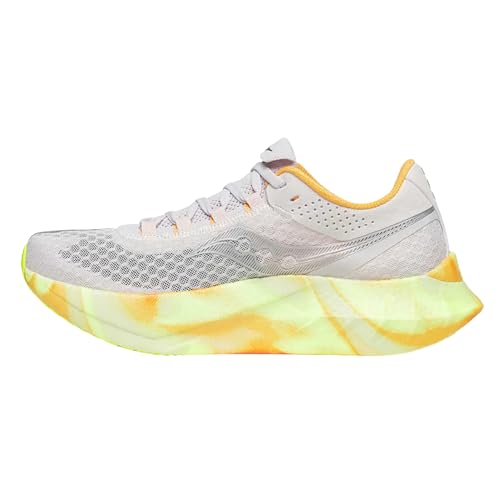
Saucony Men's Endorphin Pro 4 Sneaker, Fog/Peel, 10
Maximum Race-Day Speed with Carbon Plate – Designed for elite performance, the Saucony Endorphin Pro 4 uses SPEEDROLL…
As an affiliate, we earn on qualifying purchases.
As an affiliate, we earn on qualifying purchases.
Frequently Asked Questions
What Are the Latest Technological Innovations Aiding Marathon Runners?
You benefit from the latest technological innovations like advanced wearable technology that tracks your performance in real-time, providing valuable insights to improve your runs. Running shoe innovations now feature lighter materials, enhanced cushioning, and energy return systems that boost your efficiency and comfort. These advancements help you train smarter, stay motivated, and push your limits, making marathons more achievable and enjoyable with every stride.
How Do Weather Conditions Impact Sub-Two-Hour Marathon Attempts?
Weather impacts your marathon attempt like a fickle companion, shifting your rhythm with every gust. Wind resistance acts as an invisible hand, pushing against your stride and draining energy. Calm, cool conditions are your allies, helping you maintain momentum. Hot or humid weather saps strength, while rain can cause slipping. To succeed, you must read the weather’s mood, adapting your pace to stay in harmony with nature’s unpredictable dance.
What Injuries Are Most Common Among Elite Marathon Runners?
You’re most likely to experience injuries like stress fractures, Achilles tendinitis, or runner’s knee, often due to training setbacks and nutritional challenges. These issues can cause overuse, muscle imbalances, or inadequate recovery, increasing injury risk. To stay healthy, focus on proper nutrition, listen to your body, and avoid pushing through pain. This helps prevent common injuries and keeps you on track toward your marathon goals.
How Do Athletes Mentally Prepare for Such Extreme Endurance Challenges?
You build mental resilience by setting realistic goals and practicing visualization techniques, imagining yourself overcoming tough moments during the race. Focus on positive self-talk and stay present, which helps you manage stress and maintain motivation. You also develop a pre-race routine to reinforce confidence. These strategies prepare you mentally to push through fatigue and discomfort, ensuring you’re ready to handle the extreme endurance challenge with focus and determination.
What Future Advancements Could Make Breaking Two Hours More Achievable?
Future advancements like genetic enhancements could optimize your endurance and recovery, making it easier to push past limits. AI coaching will personalize your training, providing real-time feedback and adjustments to enhance performance efficiently. Combining these technologies, you’ll benefit from tailored strategies and biological improvements, making breaking the two-hour marathon more achievable. These innovations will help you train smarter, recover faster, and open new levels of endurance you never thought possible.

moofit HR8 Heart Rate Monitor Chest Strap, Low Energy Real-Time Heart Rate Data Bluetooth 5.0/ANT+, Longer Communication Range, IP67 Waterproof, Compatible with iOS/Android Apps, Gym Equipment, Black
Premium Heart Rate Monitor – Newly designed moofit HR8 heart rate monitor with a chest strap provides low…
As an affiliate, we earn on qualifying purchases.
As an affiliate, we earn on qualifying purchases.
Conclusion
As you reflect on the groundbreaking efforts like Breaking2, it’s clear that pushing human limits is a continuous journey. Did you know that the current marathon record stands at just over two hours and two minutes? Imagine what’s possible as technology, training, and determination evolve. The pursuit of a sub-two-hour marathon isn’t just about breaking records—it’s about inspiring future generations to redefine what’s achievable. The future of marathon running is truly exciting.

Running Rewired: Reinvent Your Run for Stability, Strength, and Speed
As an affiliate, we earn on qualifying purchases.
As an affiliate, we earn on qualifying purchases.

Garmin Forerunner® 255, GPS Running Smartwatch, Advanced Insights, Long-Lasting Battery, Slate Gray
Built with a slim design and an always-on, full-color display that’s light on the wrist and easy to…
As an affiliate, we earn on qualifying purchases.
As an affiliate, we earn on qualifying purchases.