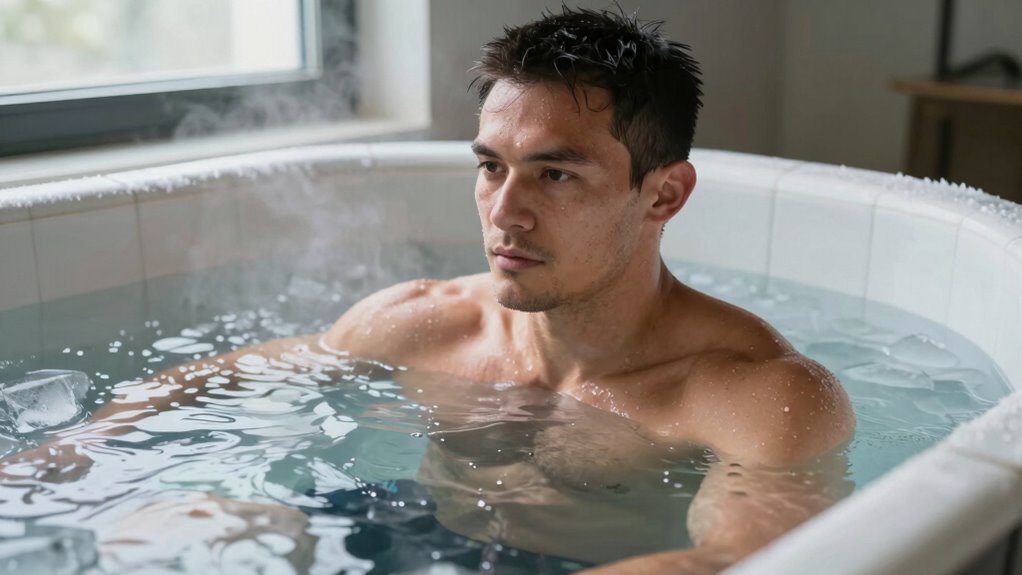

Ice baths after tough workouts can help speed up recovery, reduce soreness, and lower inflammation, especially if used within the first 24-48 hours. However, overdoing cold immersion might blunt inflammation that’s essential for muscle growth and adaptation, potentially hampering long-term progress. To optimize results, use ice baths strategically rather than after every session. Continue exploring how to balance recovery methods for your goals and prevent setbacks as you push your training further.

Get workout gear delivered free with Prime
- Fast, free delivery on millions of items
- Prime Video, Amazon Music and more included
- Member-only deals all year
Key Takeaways
- Ice baths can speed recovery and reduce soreness when used immediately after intense workouts.
- Overusing cold immersion may blunt inflammation, hindering muscle adaptation and long-term strength gains.
- Timing is crucial; post-workout ice baths help short-term recovery but may interfere with adaptation if frequent.
- Balance cold therapy with active recovery and proper nutrition to optimize both recovery and progress.
- Use ice baths selectively based on training goals to avoid impairing muscle adaptation and performance development.
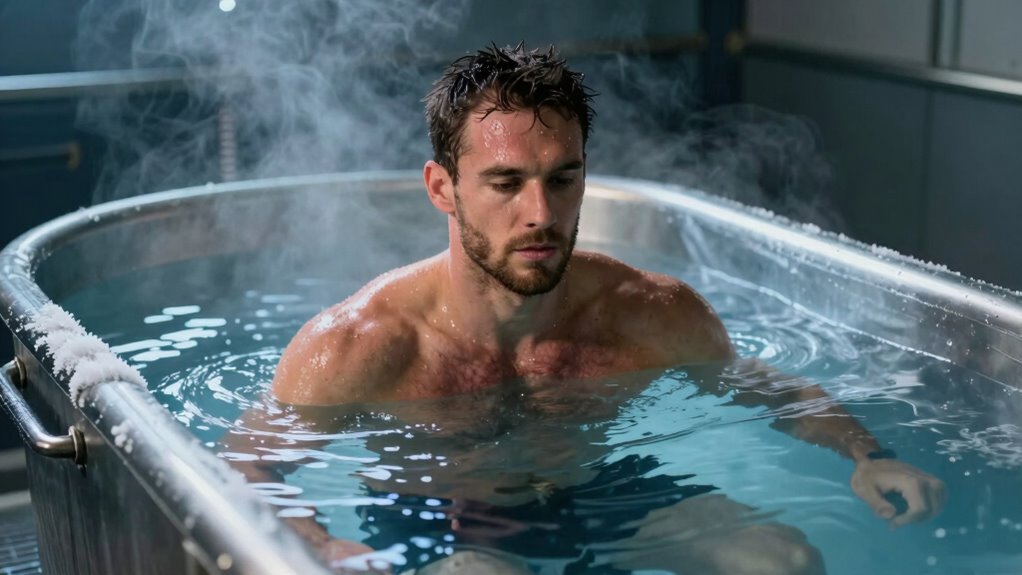
After intense workouts, many athletes turn to ice baths to help their bodies recover faster. You might have heard that submerging yourself in cold water reduces soreness and speeds up muscle recovery, allowing you to get back to training sooner. The idea is that the cold constricts blood vessels, reducing inflammation and swelling. When you get out, blood flow returns, bringing fresh nutrients and oxygen to your muscles, which can speed up the repair process. This process can be especially beneficial if you’ve pushed yourself hard, experienced significant muscle soreness, or need to perform again soon. Ice baths are often praised for their potential to enhance athletic performance by minimizing downtime and keeping you in top shape.
However, it’s important to understand that ice baths aren’t always the best choice for everyone or every situation. While they can aid muscle recovery, they might also interfere with the body’s natural adaptation process. When you perform strenuous activity, your body responds by building stronger muscles and improving endurance. This adaptation requires a certain level of inflammation and muscle stress, which ice baths can blunt. If you regularly rely on cold immersion after every session, you may inadvertently hinder your progress by preventing your muscles from fully adapting to training stimuli. In other words, if your goal is to maximize long-term athletic performance, overusing ice baths could become counterproductive.
Overusing ice baths may hinder muscle adaptation and long-term athletic progress.
Timing is vital. Using ice baths immediately after particularly intense workouts or competitions can be advantageous for quick recovery, especially if you need to train again within 24 to 48 hours. But if you’re in a phase of training focused on building strength and endurance, allowing your muscles to go through the natural inflammatory process might be more beneficial. Instead of routine cold immersion, consider using ice baths selectively, such as after very demanding sessions, rather than after every workout. It’s also worth noting that some athletes find that cold therapy can dull their mental sharpness or reduce motivation if used excessively. Additionally, recent research highlights the importance of proper recovery strategies** that include active recovery**, stretching, and nutrition, which can complement or sometimes replace cold therapy depending on your goals.
Ultimately, your decision to incorporate ice baths should depend on your specific goals and how your body responds. If you’re aiming for rapid recovery and minimizing soreness, occasional use can help. But if you’re focused on long-term adaptation and improving athletic performance, it’s wise to balance cold therapy with traditional recovery methods like active recovery, stretching, and proper nutrition. Listening to your body and adjusting your recovery strategies accordingly will help you optimize your training and avoid potential setbacks caused by overuse of ice baths.
As an affiliate, we earn on qualifying purchases.
Frequently Asked Questions
Do Ice Baths Improve Long-Term Athletic Performance?
Cold immersion can improve your recovery short-term, but it might not boost your long-term athletic performance. When you use ice baths, they help reduce inflammation and soreness, allowing you to train more consistently. However, frequent cold immersion could interfere with muscle adaptation and strength gains over time. So, if you want lasting athletic benefits, use ice baths strategically, balancing recovery with proper training and avoiding overuse.
How Soon After a Workout Should I Take an Ice Bath?
You should take an ice bath within 30 minutes of your workout to optimize recovery speed and support mental health. This timing helps reduce inflammation and muscle soreness effectively. Waiting longer might diminish these benefits, but don’t rush if you’re feeling mentally overwhelmed—taking a little extra time can boost your recovery process. Listen to your body, and aim for consistency to see the best mental and physical health benefits.
Are There Any Health Risks Associated With Ice Baths?
Think of ice baths like a double-edged sword—you could benefit or harm yourself. They can disrupt your body’s temperature regulation and may negatively impact mental health if overused. People with cardiovascular issues or cold sensitivities risk hypothermia or shock. Always listen to your body, limit exposure, and consult a healthcare professional if you’re unsure. Proper use minimizes risks and helps you recover safely.
Can Ice Baths Be Used for Injury Recovery?
Yes, ice baths can aid injury recovery by reducing inflammation and swelling through cold therapy. They help you manage pain and promote faster healing, making them effective after injuries. Incorporate cold therapy carefully, as overuse may hinder muscle adaptation. Using ice baths for injury prevention can also be beneficial, but always consult a healthcare professional to make certain it’s suitable for your specific injury or condition.
How Do Ice Baths Affect Muscle Soreness and Inflammation?
Imagine your muscles are fiery volcanoes after intense workouts—that’s how ice baths work. They drastically reduce inflammation and speed up muscle recovery by constricting blood vessels and numbing soreness. This cooling effect helps flush out waste products and calms the inflammation, giving you relief faster. But, if overused, they might hinder muscle adaptation. So, use ice baths wisely to soothe soreness without stalling your progress.
Conclusion
Ice baths can help you recover faster and reduce soreness, but only when used appropriately. They aid in inflammation control and muscle repair, yet can hinder strength gains if overused or applied at the wrong time. Listen to your body, balance ice baths with active recovery, and know when to embrace them or skip them. Ultimately, using ice baths wisely helps you heal, improve, and train smarter—so you can push harder, recover better, and reach your goals.
Halloween Picks
halloween
As an affiliate, we earn on qualifying purchases.