Footpods beat GPS when you need precise, real-time data on your running form and effort, especially in areas with signal interference like dense woods or urban canyons. They attach directly to your shoes, measure stride, cadence, and ground contact with high accuracy, giving you detailed insights GPS can struggle to capture. If you want to improve your performance and avoid errors from unreliable signals, understanding how footpods work can give you a real advantage—keep exploring to learn more.
Key Takeaways
- Footpods measure stride length, cadence, and ground contact time more accurately than GPS, especially in dense urban or wooded areas.
- They provide real-time, detailed insights into running form, enabling better training adjustments and injury prevention.
- Footpods are less affected by satellite signal issues, offering consistent data regardless of environment or obstructions.
- High-quality sensors in footpods ensure reliable and precise performance data, surpassing the accuracy of many GPS devices.
- Compatibility and calibration are crucial; well-integrated footpods deliver more accurate metrics than GPS-based tracking alone.

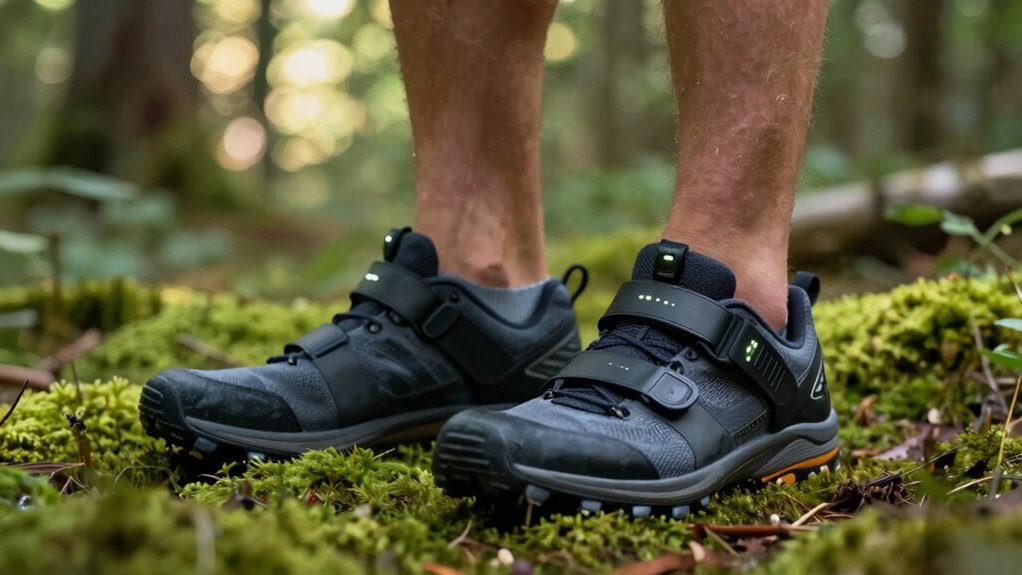
Have you ever wondered how runners track their speed and distance so accurately? If you’re serious about your training, you probably rely on devices like footpods to get precise data. Unlike GPS watches that depend on satellite signals, footpods are attached directly to your shoes, providing real-time information based on your foot movements. One of the main advantages is their sensor accuracy, which can be remarkably precise if the device is functioning correctly. They measure stride length, cadence, and ground contact time with high fidelity, giving you detailed insights into your running form that GPS sometimes struggles to capture, especially in dense urban areas or heavily wooded trails.
However, sensor accuracy isn’t always guaranteed. The quality of the sensor components within a footpod influences how dependable the data is. Cheaper models might have less accurate sensors, leading to inconsistent readings or discrepancies compared to actual performance. That’s why investing in a well-reviewed footpod can make a big difference. When the sensors are accurate, you get a clearer picture of your pace and effort, which helps you fine-tune your training and avoid overexertion or injury. But even with high-quality sensors, you need to be aware of potential compatibility issues. Not all footpods work seamlessly with every running watch or app. Some might be designed for specific brands or models, and attempting to pair incompatible devices can result in connection problems or inaccurate data transmission.
Compatibility issues can be frustrating because they limit your device’s effectiveness. For example, a footpod designed for a particular watch may not sync properly with a different brand or might require specific firmware updates. Sometimes, even with compatible hardware, software bugs or outdated firmware can interfere with sensor data. Before purchasing a footpod, it’s essential to ensure it’s compatible with your existing setup and to keep your devices updated. This way, you minimize the chance of data discrepancies and maximize the benefits of having precise, real-time metrics during your runs. Additionally, understanding the importance of market analysis can help you select the most reliable and accurate device suited to your needs.

Runn… Retrofit Smart Treadmill Sensor – Make Your Treadmill a Smart Treadmill!
𝗣𝗹𝘂𝗴 𝗮𝗻𝗱 𝗣𝗹𝗮𝘆: RUNN Links virtually any treadmill to your favorite fitness app or device
As an affiliate, we earn on qualifying purchases.
As an affiliate, we earn on qualifying purchases.
Frequently Asked Questions
Can Footpods Improve Indoor Running Accuracy?
Yes, footpods can improve indoor running accuracy. They track your stride length and pace more precisely when GPS signals are weak or unavailable, making indoor accuracy much better. The footpod benefits include consistent data on your speed, cadence, and distance, regardless of environment. So, if you want reliable indoor metrics, using a footpod guarantees you get accurate feedback without relying on GPS signals, which often struggle indoors.
Are Footpods Compatible With All Fitness Trackers?
Most footpods aren’t compatible with all fitness trackers. You need to check device compatibility before purchasing, as some footpods work only with specific brands or models. Once connected, they sync data seamlessly through Bluetooth or ANT+, allowing you to monitor your running metrics accurately. Make sure your fitness tracker supports data synchronization with the footpod to guarantee real-time updates and reliable performance tracking during your workouts.
How Do Footpods Compare in Cost to GPS Devices?
Imagine you’re in a time machine—footpods are usually more affordable than GPS devices, making them a smart choice if you’re budget-conscious. In this cost comparison, footpods generally cost less upfront and have lower maintenance costs. An affordability analysis shows they’re perfect for runners who want accurate data without breaking the bank. So, if you’re looking for budget-friendly options, footpods deliver great value compared to more expensive GPS devices.
Do Footpods Require Calibration Before Use?
Yes, footpods typically require a calibration process during initial setup. You’ll need to follow the calibration process to guarantee accurate readings, which involves walking or running a specific distance to help the device learn your stride length and pace. This initial setup is essential for precise data collection. Once calibrated, your footpod will provide reliable performance, often surpassing GPS in accuracy during indoor activities or areas with poor GPS signal.
How Long Do Footpod Batteries Typically Last?
Your footpod’s battery life typically lasts around 300 to 500 hours of use, depending on the model. To maximize its lifespan, follow replacement tips like turning it off when not in use and avoiding extreme temperatures. When the battery runs low, replace it promptly with the recommended type to guarantee continued accuracy. Regularly check the battery status in your device settings to stay ahead of any power issues.
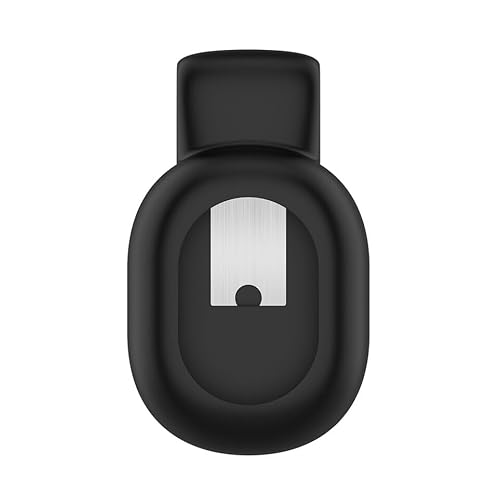
Running Sensor Steel Clip Buckle Fit for Garmin 010-12520-00 Running Dynamics Pod
Running Sensor Steel Clip Buckle Fit for Garmin 010-12520-00 Running Dynamics Pod
As an affiliate, we earn on qualifying purchases.
As an affiliate, we earn on qualifying purchases.
Conclusion
So, next time you lace up, remember footpods are like your secret sidekick, quietly tracking your pace when GPS takes a coffee break. They’re the Robin to your Batman, ensuring you stay on course even in the thick of the woods or tunnels. Just like an old friend who’s always there, footpods give you the confidence to push further, proving that sometimes, the smallest tools can deliver the biggest gains. Happy running!
high accuracy running footpod
As an affiliate, we earn on qualifying purchases.
As an affiliate, we earn on qualifying purchases.
footpod for indoor running
As an affiliate, we earn on qualifying purchases.
As an affiliate, we earn on qualifying purchases.