
Choosing between cushioning and stability on a treadmill deck impacts your joints, comfort, and workout efficiency. More cushioning absorbs shock and lessens joint strain, but can reduce stability and balance. Firmer decks promote better support and energy transfer, enhancing stability but possibly increasing impact on your joints. The right balance depends on your fitness goals and joint health. Keep exploring, and you’ll discover how these features directly influence your treadmill experience.

Get workout gear delivered free with Prime
- Fast, free delivery on millions of items
- Prime Video, Amazon Music and more included
- Member-only deals all year
Key Takeaways
- Cushioned decks absorb shock, reducing joint stress but may decrease stability and energy transfer efficiency.
- Stable, firmer decks enhance support and biomechanics but offer less impact absorption.
- Greater cushioning can lead to increased motor strain and potentially reduce treadmill longevity.
- Less stable decks improve energy transfer and workout efficiency but might compromise balance and safety.
- Choosing between cushioning and stability depends on individual joint health, workout goals, and desired performance.
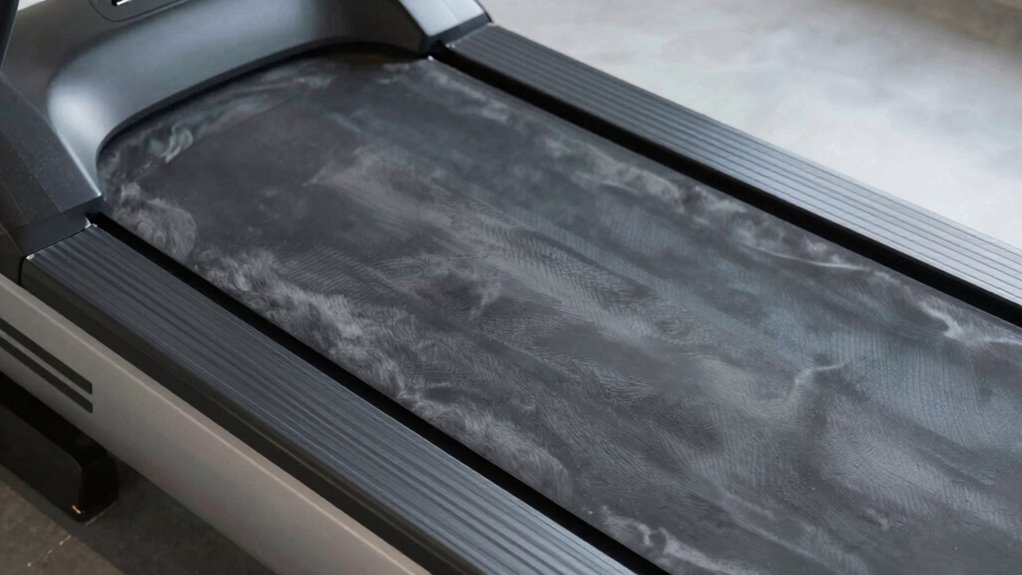
When choosing a treadmill, understanding the balance between cushioning and stability is key to finding the right deck for your workout. The deck’s shock absorption plays a crucial role in reducing impact on your joints, especially if you’re prone to injuries or recovering from an injury. A softer deck absorbs more shock, which can make your runs feel more comfortable and lessen fatigue over long distances. However, too much cushioning can sometimes compromise stability, making it feel less solid underfoot. This instability might cause you to work harder to maintain your balance, which can lead to uneven wear on your footwear and potentially increase the risk of injury.
On the other hand, a stiffer, more stable deck offers excellent support and promotes better energy transfer during each stride, making it ideal for speed training or those aiming for precise biomechanics. Stability in the deck can also help you maintain proper form, especially when pushing your pace, as it minimizes unwanted deck flexing. But keep in mind, a deck with minimal shock absorption might transfer more force back into your joints, increasing the likelihood of discomfort or injury over time. So, if you have joint issues or are sensitive to impact, you might prefer a deck with better shock absorption, even if it sacrifices some stability.
A stable deck enhances energy transfer and supports proper form during speed training but may transfer more force back into joints.
Another important aspect to think about is motor durability. A treadmill with a well-designed, cushioned deck often requires a more powerful motor to handle the additional stress from absorbing shock. If the motor isn’t durable enough, it could wear out faster, leading to costly repairs or replacement. Conversely, a treadmill with a sturdy, stable deck typically demands less from the motor in terms of shock management, allowing for a longer lifespan and consistent performance. When evaluating different models, look for treadmills with reinforced motors and high-quality shock absorption systems. This combination ensures that your treadmill can withstand regular use without compromising the motor’s longevity.
Additionally, the energy efficiency of the treadmill can be affected by the balance of cushioning and stability, impacting overall operating costs and environmental footprint. In essence, you’re balancing comfort with performance. If you prioritize joint health and longer workouts, opt for a deck with superior shock absorption but ensure the motor is built to handle the additional load. If speed and stability are your goals, a firmer deck with a durable motor will serve you better. Knowing how cushioning and stability influence shock absorption and motor durability helps you select a treadmill that aligns with your fitness needs and ensures your equipment remains reliable over time.
As an affiliate, we earn on qualifying purchases.
Frequently Asked Questions
How Does Deck Material Affect Treadmill Durability?
The deck material directly impacts your treadmill’s durability and lifespan. A high-quality, dense material like wood or composite resists wear and tear better, ensuring your treadmill stays in good shape longer. Cheaper materials may crack or warp quickly, reducing the treadmill’s lifespan. By choosing a sturdy deck material, you prevent frequent repairs and enjoy smoother workouts for years to come.
Can Deck Type Influence Running Speed Limits?
You can reach higher running speeds with a deck that offers ideal flexibility and lighter material weight. Studies show that runners utilizing lighter, more flexible decks can improve speed by up to 10%. A deck’s material influences its flexibility, directly affecting your stride and pace. If you want to push your limits, choose a treadmill with a deck designed for better flexibility and lighter weight, helping you run faster and more efficiently.
Is a Softer Deck Better for Injury Prevention?
A softer deck can help prevent injuries by offering better shock absorption, reducing the impact on your joints. This decreased impact lowers injury risk, especially if you run frequently or have joint concerns. However, overly cushioned decks might compromise stability, so find a balance that provides good shock absorption without sacrificing control. Ultimately, choose a treadmill deck that supports your running style while minimizing impact-related injuries.
Do Deck Differences Impact Treadmill Noise Levels?
Yes, deck differences do impact treadmill noise levels. A deck with more cushioning absorbs impact and reduces noise, making your workout quieter. Conversely, a deck focused on stability tends to produce less noise during use because it’s firmer and less prone to vibrations. If you prefer a quieter workout, opt for a treadmill with suitable deck cushioning that balances noise reduction and comfort, depending on your needs.
How Often Should Treadmill Decks Be Replaced or Maintained?
You should replace your treadmill deck every 5 to 8 years, depending on usage and wear. Regular maintenance, including inspecting for cracks or splinters and lubricating the deck, helps prolong its life. Follow a consistent maintenance schedule, ideally every 3 to 6 months, to prevent damage and ensure smooth performance. Prioritize deck replacement when you notice persistent noise, uneven running surface, or significant wear that can’t be remedied through maintenance.
Conclusion
Choosing between cushioning and stability on a treadmill is like walking a tightrope—you need balance. Think of cushioning as your safety net, softening your steps, while stability is your sturdy foundation, keeping you grounded. Just as Icarus needed wings that suited his flight, you need a deck that matches your stride. Ultimately, pick what aligns with your goals, so your runs soar smoothly—without falling into the pitfalls of the wrong choice.
Halloween Picks
halloween
As an affiliate, we earn on qualifying purchases.