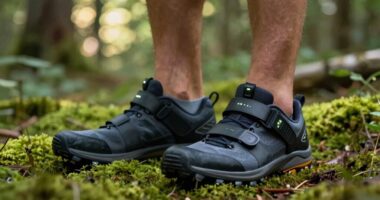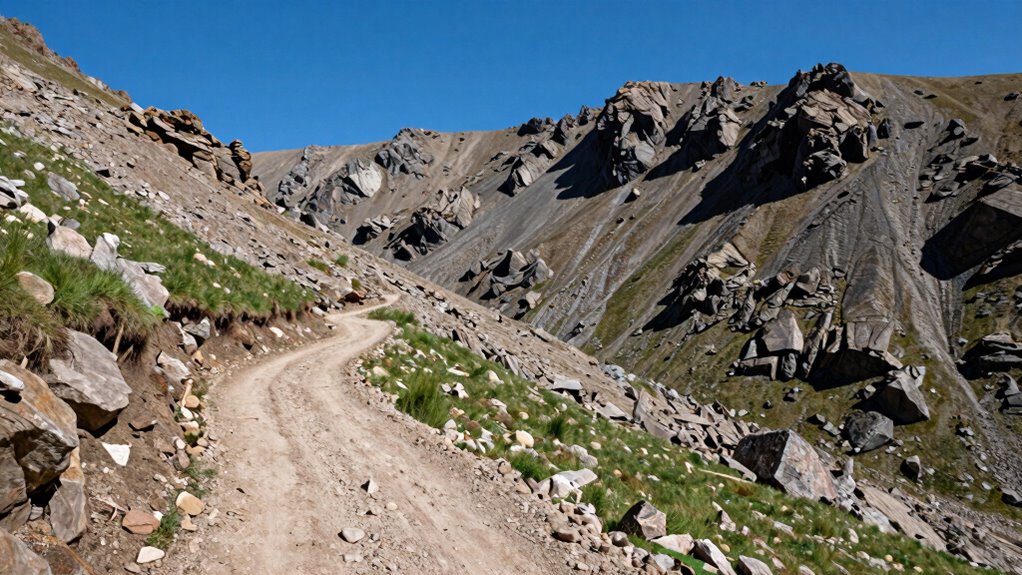

Your pace doesn’t tell the whole story because terrain profoundly affects how you experience effort and performance. Flat, paved surfaces let you maintain a steady speed, but uneven or congested routes cause fluctuations that can mask your true effort. A slower pace on rough terrain might mean you’re working harder, not tired. Recognizing how terrain influences your pace helps you set realistic goals and understand your progress better—keep exploring to learn more about these important differences.

Get workout gear delivered free — and shop member deals
- Fast, free delivery on millions of items
- Access to Prime Big Deal Days deals on October 6–7
- Prime Video, Amazon Music and more included
Key Takeaways
- Terrain type influences running efficiency, making pace less directly related to effort on uneven or varied surfaces.
- Urban environments with obstacles cause pace fluctuations that may not reflect actual exertion levels.
- Flat terrains allow pace to better indicate effort, while uneven surfaces can distort this relationship.
- Changing surfaces, like trails versus pavement, affect running economy and how pace correlates with fatigue.
- Recognizing terrain variations helps set realistic goals and strategies, as pace alone may not reflect true effort.
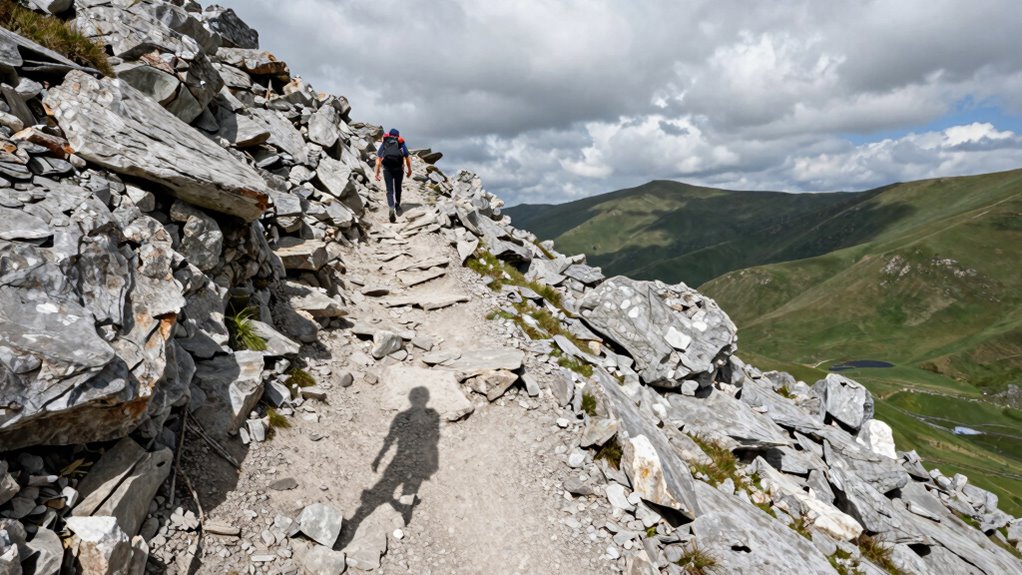
When you’re doing urban running, the meaning of your pace shifts again. Paved sidewalks, smooth streets, and flat city parks make it easier to maintain a consistent speed, so your pace primarily indicates your cardiovascular effort. But city environments come with their own obstacles—stoplights, crowded sidewalks, and uneven surfaces—that can cause frequent interruptions. These interruptions might make your pace seem slower, even if your effort remains high. Consequently, your pace in urban running reflects not just your speed but also how well you maneuver the built environment. It can be tempting to compare your pace to other runners, but you have to take into account these contextual factors. An urban run might be faster on a straight, open stretch but slower in congested areas or on uneven pavement. Recognizing how terrain influences pace helps you set realistic goals and better interpret your progress. It reminds you that a slower pace isn’t necessarily a sign of fatigue, but often a natural response to the terrain’s demands. Being aware of different surface types can also help you tailor your training and prevent injuries. Additionally, understanding the impact of terrain on your pace can motivate you to adapt your running strategies accordingly. Paying attention to changing surfaces can also improve your overall running efficiency. So, whether you’re conquering rugged mountain trails or maneuvering city streets, understanding how terrain influences your pace keeps you mindful of your effort and progress, regardless of the surface beneath your feet.
As an affiliate, we earn on qualifying purchases.
Frequently Asked Questions
How Does Altitude Affect Running Pace on Different Terrains?
Altitude effects your running pace by reducing oxygen availability, making every step feel harder. On varied terrains, this impact varies; for example, uphill sections intensify fatigue, slowing you down more. Terrain variability combined with altitude effects demands you adjust your pace, especially at higher elevations where the air is thinner. You’ll notice your speed drop, and you need to listen to your body, pacing carefully to avoid overexertion.
What Gear Is Best for Varying Terrain Types?
For varying terrains, you should choose footwear that offers versatility and support, like trail running shoes with good grip and stability. About 60% of trail runners prefer shoes with aggressive tread for uneven surfaces. Always carry trail markers or a GPS device to stay on course. Proper footwear and navigation gear guarantee safety and efficiency, helping you adapt quickly to changing terrain and maintain your pace confidently.
How Can I Train for Mixed Terrain Races?
To train for mixed terrain races, focus on trail running regularly, exposing yourself to different surfaces and elevations. Incorporate hill training into your routines to build strength and endurance on steep inclines. Vary your pace during these sessions to simulate race conditions, and include technical sections to improve agility. Consistent practice on diverse terrains helps you adapt your pace and develop confidence for any race environment.
Does Terrain Impact Hydration Needs During a Run?
Yes, terrain impacts your hydration needs during a run. As you navigate uneven or challenging surfaces, you might sweat more, making hydration strategies essential. You need to pay attention to maintaining electrolyte balance, especially on hot or hilly terrain, to prevent cramping and fatigue. Carrying water or electrolyte drinks helps you stay properly hydrated and energized, ensuring your performance remains steady regardless of the terrain you’re tackling.
How Do Weather Conditions Influence Pace on Different Terrains?
Imagine the trail as a shifting canvas—weather conditions paint a different picture each day. Seasonal variations, like heat or rain, directly influence your pace on varied trail surfaces. Hot, humid days slow you down on asphalt, while rain makes dirt trails slippery and challenging. Cold weather stiffens muscles, impacting your rhythm. Adapting to these weather shifts helps you maintain steady progress, regardless of terrain or season.
Conclusion
Just like a river carves its path through varying landscapes, your pace shapes your journey through different terrains. Each shift in ground is a twist in your story, testing your resilience and adaptability. Embrace the changes, for they transform your stride from a simple step to a meaningful voyage. Remember, it’s not just about how fast you go; it’s about how you flow with the terrain, turning every challenge into a part of your unique current.
Fall Picks
fall essentials
As an affiliate, we earn on qualifying purchases.