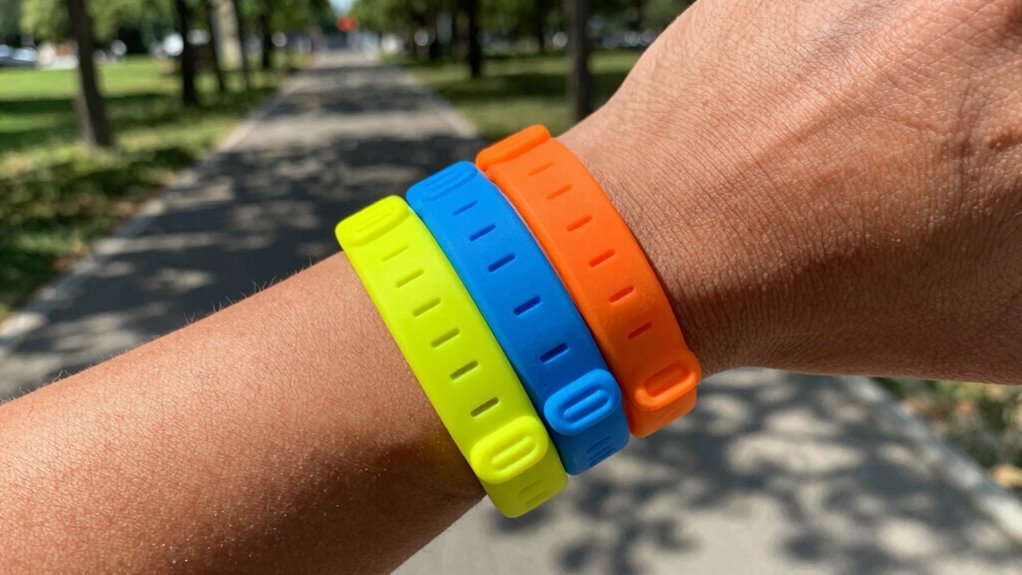

To use a pace band without getting mentally stuck, treat it as a guide, not a strict rule. Focus on it as a helpful tool that gives you direction without controlling every step. Stay flexible—if you feel strong, consider speeding up, and if you’re tired, slow down without guilt. Remember, external factors affect your pace, so maintain a positive mindset and trust your training. Keep an open attitude, and you’ll learn more ways to balance guidance with adaptability.

Get workout gear delivered free — and shop member deals
- Fast, free delivery on millions of items
- Access to Prime Big Deal Days deals on October 6–7
- Prime Video, Amazon Music and more included
Key Takeaways
- View the pace band as a flexible guide, not a strict rule, to avoid feeling trapped by exact numbers.
- Focus on overall progress and small victories rather than obsessing over specific splits.
- Practice mental resilience by embracing performance fluctuations and maintaining a positive mindset.
- Adjust your pace naturally during the race based on how you feel, rather than rigidly sticking to the band.
- Trust your training and instincts, using the pace band as support, not the sole measure of success.
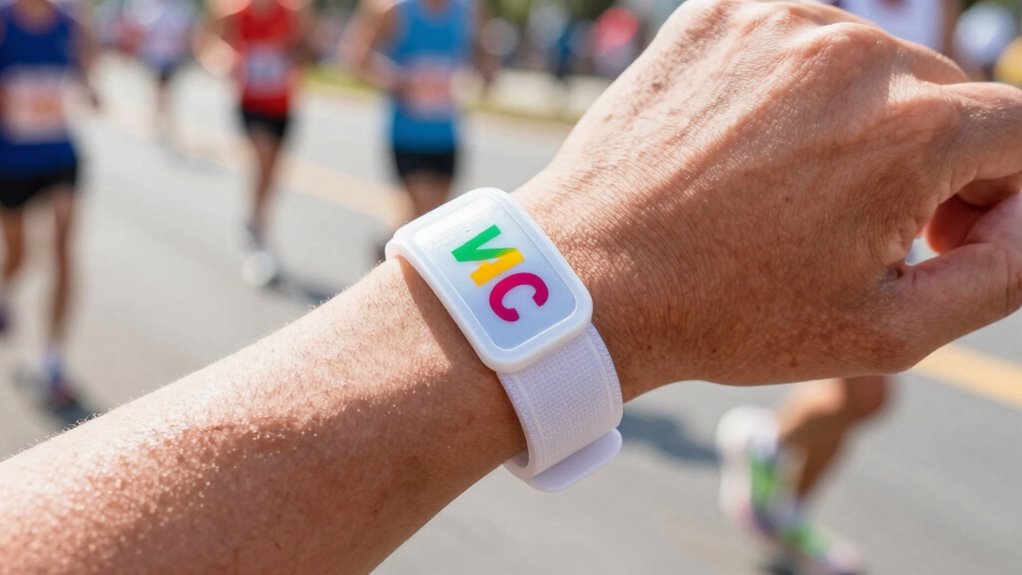
If you’re aiming to finish a race within a specific time, using a pace band can be a game-changer. It helps you stay focused and provides a clear target, but it’s crucial to avoid letting it become a source of mental stress. When you rely heavily on your pace band, you might find yourself fixating on numbers, which can lead to anxiety or frustration if things don’t go exactly as planned. To keep your runner motivation high and your pacing strategies effective, you need to approach your pace band with flexibility and confidence.
Start by viewing your pace band as a guideline, not a strict rule. It’s there to give you a sense of direction, but you shouldn’t let it control every step. If you notice yourself obsessing over every mile split or feeling discouraged when you slightly miss your target, remind yourself that races are unpredictable. Weather, terrain, and how you feel on race day all influence your performance. Instead of getting mentally stuck on hitting exact numbers, use your pace band as a motivational tool to keep moving forward. Think of it as a compass, not a dictator. Recognizing that external factors influence your performance is an important aspect of race psychology. Developing mental resilience involves understanding that performance variability is natural and unavoidable. Embracing this realistic mindset can help you stay calm and focused during unexpected changes.
View your pace band as a guiding compass, not a strict rule, and stay flexible to race unpredictability.
Another helpful strategy is to build mental resilience by practicing positive self-talk. When you feel tempted to dwell on missed splits or perceived failures, shift your focus to what you’ve achieved so far. Celebrate small victories—like maintaining a steady pace for a few miles—and remind yourself that consistency matters more than perfection. This keeps your runner motivation high, especially during challenging moments. Remember, pacing strategies are about balance: pushing yourself enough to stay on target but not so much that you burn out early. Incorporating mental training techniques can further strengthen your ability to stay adaptable and positive during the race.
It’s also beneficial to adapt on the fly. If you’re feeling strong, consider slightly speeding up, even if it means deviating from your pace band. Conversely, if fatigue sets in, slow down without guilt. Flexibility prevents mental stagnation and helps you stay positive. Keep your focus on completing the race strong rather than obsessing over every second. Visualize yourself finishing with satisfaction, regardless of small variances from your pace band.
Finally, trust your training and your instincts. Your pace band is a tool, but your confidence and mental toughness are what carry you through. When you keep a balanced mindset—viewing the pace band as support rather than a source of stress—you’ll find it much easier to stay motivated and stick to your pacing strategies without getting mentally stuck. Remember, every step is progress, and your mental resilience is just as important as your physical readiness. Recognizing the importance of maintaining a positive mindset can make all the difference in your race experience.
As an affiliate, we earn on qualifying purchases.
Frequently Asked Questions
Can I Customize My Pace Band for Different Race Distances?
Yes, you can customize your pace band for different race distances. Simply adjust the pace targets based on the specific race distance you’re tackling, like a 5K or marathon. Use pace band customization tools or templates to set your desired finish time, then print or create a new band accordingly. This guarantees your pace band aligns with your race goals and helps you stay on track, no matter the distance.
What Should I Do if I Miss My Target Pace?
If you miss your target pace, don’t let it derail you—think of it as steering a ship through changing tides. Use mental strategies like focusing on your breath or breaking the race into smaller sections. Pacing adjustments are key; slow down slightly if needed and stay flexible. Remember, adapting your pace keeps you in control and helps you finish strong, even if you start off a bit off course.
How Often Should I Check My Pace Band During the Race?
You should check your pace band every 10 to 15 minutes during the race. This frequency helps you stay aware of your progress without becoming obsessed. Use mental strategies like focusing on your breathing or positive self-talk to stay calm. If your pace is off, make small pacing adjustments smoothly, rather than overthinking. Consistent checks and mental resilience keep you confident and on track toward your goal.
Are Digital or Printable Pace Bands More Effective?
Digital pace bands offer real-time updates and easy adjustments, making them highly effective if you prefer flexibility. Printable pace bands, on the other hand, provide a tangible reference that you can review at a glance without electronic distractions. Your choice depends on your pace band design preference and comfort with technology. Consider which format helps you stay focused and motivated during the race, ensuring your pace remains steady and achievable.
How Do Weather Conditions Affect Pace Band Accuracy?
Weather impact can throw a wrench in your plans, making your pace band less accurate. As conditions change—like rain, wind, or heat—you’ll need to make pace adjustments on the fly. Keep an eye on the weather forecast and be prepared to tweak your target times. Staying flexible ensures you stay on track, even when Mother Nature throws a curveball, helping you finish strong no matter the forecast.
Conclusion
Using pace bands is like steering a ship through calm waters—you set your course, but stay flexible if the weather changes. Remember, they’re tools to guide you, not chains to bind you. Keep your focus on your journey, not just the destination, and don’t get lost in the details. Trust your training, listen to your body, and let your pace band be your compass, keeping you steady without steering you into stormy waters of mental stress.
Fall Picks
fall essentials
As an affiliate, we earn on qualifying purchases.