
When tracking training load, focus on key numbers like intensity, volume, and frequency, as these reveal how your body responds and how much stress you’re placing on yourself. Monitoring metrics such as heart rate, perceived exertion, and session duration helps you spot signs of overtraining or fatigue. By paying attention to these vital figures, you can adjust your workouts to optimize recovery and progress—if you want to learn which specific numbers to prioritize, keep exploring.
Key Takeaways
- Training volume, intensity, and frequency are core metrics that reflect overall workload and effort levels.
- Heart rate, perceived exertion, and GPS data help assess how hard you’re working during sessions.
- Persistent fatigue and soreness indicators signal overtraining, guiding necessary adjustments.
- Monitoring recovery metrics ensures training load aligns with recovery capacity to prevent injury.
- Balancing metrics with nutrition and recovery data supports sustainable progress and performance optimization.

Have you ever wondered how athletes measure their training intensity and progress? Understanding training load metrics can help you optimize your workouts and avoid overtraining. One of the key factors in managing training effectively is incorporating recovery strategies. After pushing your body through intense sessions, your muscles need time to repair and adapt. Recovery strategies aren’t just about rest; they include active recovery, stretching, foam rolling, and adequate sleep. These methods allow your body to recover faster, reducing soreness and preventing injury. When you’re diligent with recovery, you create a cycle that supports consistent progress without burnout.
Along with recovery strategies, nutrition planning plays a essential role in tracking your training load. Proper nutrition fuels your workouts and replenishes nutrients lost through sweat and exertion. Carbohydrates are indispensable for restoring glycogen stores, while proteins support muscle repair. Hydration is often overlooked but is fundamental for peak performance and recovery. When you pay attention to your nutrition planning, you ensure your body has the resources it needs to handle increased training loads. A well-balanced diet can also help you avoid fatigue and maintain energy levels throughout your workouts. Additionally, understanding how training load metrics are measured can help you make informed decisions about your training adjustments.
In terms of the actual numbers that matter, many athletes focus on metrics like training volume, intensity, and frequency. These figures give you a clear picture of how much work you’re doing and how hard you’re pushing yourself. But it’s important to interpret these numbers within the context of recovery and nutrition. For example, a high training volume might be sustainable if you’re following smart recovery strategies and eating appropriately. Conversely, neglecting recovery or nutrition can turn a seemingly manageable load into a recipe for injury or burnout.
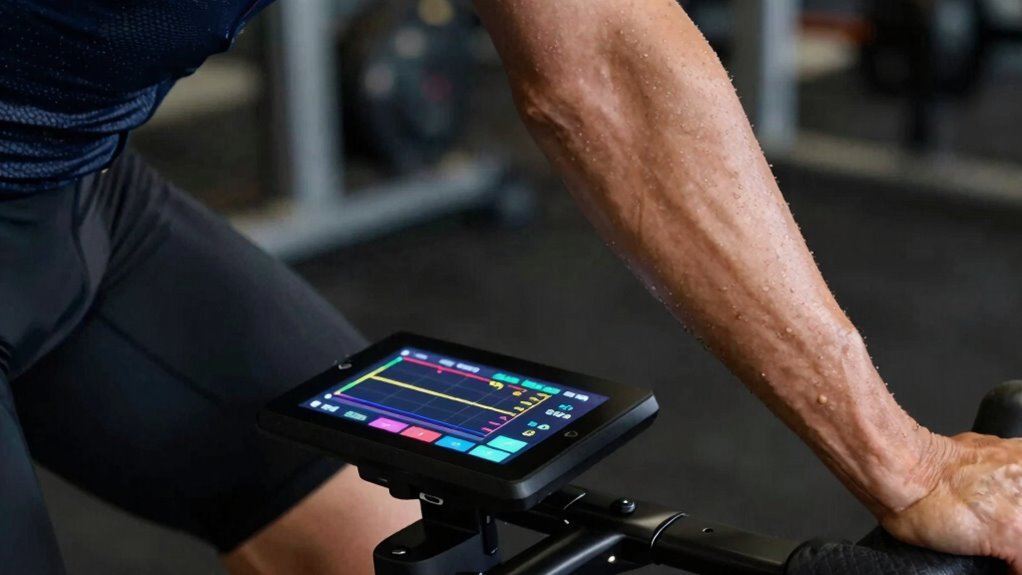
Monitoring your performance and adjusting based on these metrics can help prevent plateaus and overtraining. Tools like heart rate monitors, perceived exertion scales, and GPS tracking provide real-time data, but the real key is understanding how your body responds to different loads. If you notice persistent fatigue or soreness, it might be time to dial back and focus more on recovery strategies and nutrition planning. These numbers aren’t just digits; they’re indicators of your overall training health. When you learn to interpret and balance them, you set yourself up for sustained progress and improved performance.
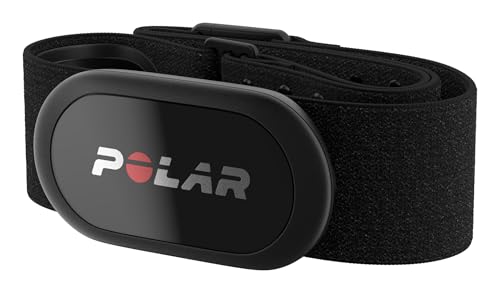
Polar H10 Heart Rate Monitor Chest Strap – ANT + Bluetooth, Waterproof HR Sensor for Men and Women, Black, M-XXL
WORKS WITH EVERYTHING: Polar HRM works with ALL HRM compatible Equipment.
As an affiliate, we earn on qualifying purchases.
As an affiliate, we earn on qualifying purchases.
Frequently Asked Questions
How Do Individual Differences Affect Training Load Interpretation?
You need to take into account personal variability and adaptive thresholds when interpreting training load metrics. Everyone responds differently to the same training intensity, so what’s high for one person might be moderate for another. Pay attention to how your body adapts over time, adjusting thresholds as you improve. This personalized approach helps prevent overtraining and ensures you’re training effectively, maximizing progress while minimizing injury risk.
Can Training Load Metrics Predict Injury Risk Accurately?
Ever wonder if your training load metrics can truly predict injury risk? While they offer insight into load variability, they aren’t foolproof. You must consider how athlete adaptation varies, making predictions complex. High or inconsistent loads may signal increased risk, but individual responses differ. Use metrics as a guide, not a crystal ball. Keep monitoring and listening to your body to better manage injury prevention.
What Is the Best Way to Combine Multiple Load Metrics?
You should use load normalization to standardize different metrics, making them comparable. Then, focus on metric integration by combining normalized data into a single, all-encompassing load score. This approach helps you see the overall training stress more accurately, reducing the risk of misinterpretation. Regularly review and adjust your combined metrics to guarantee they reflect your training goals and prevent overtraining or injury.
How Often Should Training Load Be Reassessed for Optimal Results?
How often should you reassess your training load? You should do it weekly or after significant training blocks to maintain ideal results. Why settle for guesswork when you can track progress? Regular reassessment helps you adjust training frequency and guarantee load consistency, preventing overtraining or stagnation. By staying proactive, you maximize gains and reduce injury risks, keeping your fitness journey on the right track.
Do Different Sports Require Different Training Load Monitoring Approaches?
Yes, different sports need tailored training load monitoring approaches because of training specificity and workload variability. For example, endurance sports focus on volume, while strength sports emphasize intensity. You should modify your metrics to reflect these differences, tracking relevant indicators like heart rate or power output, to guarantee your training is effective. Customizing your approach helps prevent overload and optimizes performance, keeping your training aligned with your sport’s specific demands.

LIVIKEY Fitness Tracker Watch with Heart Rate Monitor, Activity Tracker with Pedometer, Sleep Monitor, Calories & Step Counter, IP68 Waterproof Smart Watches for Women Men Fitness Watch for Sports
Heart Rate and Sleep Monitoring: The Fitness Tracker monitors your heart rate automatically all day, and you can…
As an affiliate, we earn on qualifying purchases.
As an affiliate, we earn on qualifying purchases.
Conclusion
Think of your training load as a delicate balancing act on a tightrope. The numbers that truly matter are the ones that keep you steady—your body’s signals, recovery, and progress—rather than just the raw data. Focus on these key metrics to stay centered and avoid falling into the trap of chasing every fluctuation. By listening to your body and understanding what’s essential, you’ll walk that tightrope with confidence toward your goals.

Borg's Perceived Exertion and Pain Scales
As an affiliate, we earn on qualifying purchases.
As an affiliate, we earn on qualifying purchases.
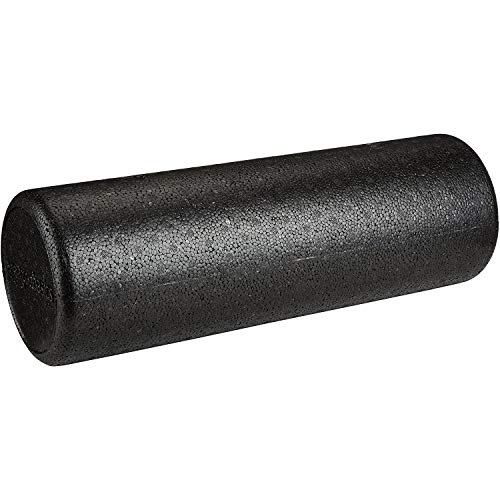
Amazon Basics High-Density Foam Roller for Exercise and Recovery, 18 Inches, Black
High-density foam roller in Black
As an affiliate, we earn on qualifying purchases.
As an affiliate, we earn on qualifying purchases.