When running, wrist-based heart rate monitors are convenient but often less accurate during intense activity because optical sensors can struggle with movement. Chest straps provide more reliable, real-time data using electrical signals and are considered the gold standard for accuracy. While wrist devices are improving, they may still lag behind in precision during high-impact workouts. To learn more about how each device performs in different scenarios, keep exploring.
Key Takeaways
- Chest straps generally provide more accurate and reliable heart rate data during high-intensity running due to electrical signal detection.
- Wrist-based monitors may experience decreased accuracy during running, especially with vigorous arm movement or sweat.
- Technological improvements are enhancing wrist monitor precision, narrowing the accuracy gap with chest straps.
- For serious training or precise pacing, chest straps are preferred over wrist devices for their consistent readings.
- Comfort and convenience make wrist monitors suitable for casual use, but chest straps remain the gold standard during intense workouts.
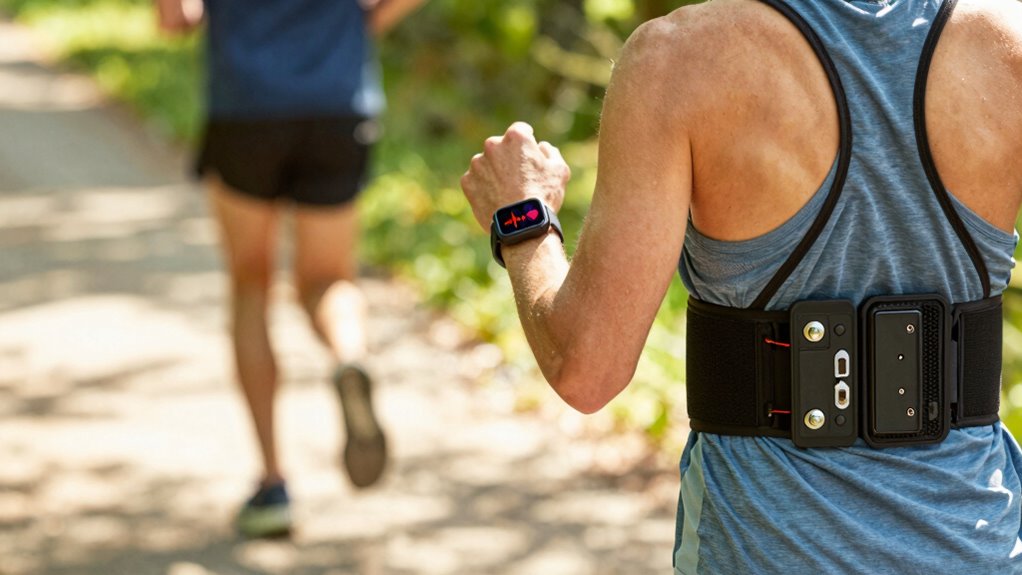
When it comes to monitoring your heart rate during workouts or daily activities, choosing the right device can make a significant difference. Whether you’re a serious athlete or someone who just wants to stay active, the type of device you use impacts your fitness tracking experience. Wrist-based heart rate monitors are popular for their convenience and ease of use. They are generally lightweight, comfortable, and don’t require any extra gear, making them ideal for everyday wear. Many fitness trackers and smartwatches now incorporate optical sensors that use light to measure blood flow, allowing you to check your heart rate directly from your wrist. This device comfort encourages consistent monitoring, which is essential for tracking progress and staying motivated. However, while wrist HR monitors excel in convenience, their accuracy, especially during high-intensity activities like running, can sometimes be compromised.
On the other hand, chest straps are often regarded as the gold standard for heart rate measurement, particularly when accuracy is a priority. They use electrical signals to detect your heart’s activity, providing real-time, precise data. During a run, this accuracy becomes especially valuable because it captures rapid fluctuations and provides a reliable picture of your exertion level. Many athletes prefer chest straps for their consistency, especially during interval training or long-distance runs where precise data can influence pacing and effort. The trade-off, however, is that chest straps can be less comfortable. They tend to be bulkier and may feel restrictive, which can affect your overall workout experience. Some may find them uncomfortable or cumbersome, especially during extended use or warmer weather.
When you’re choosing between wrist HR monitors and chest straps, consider your priorities—whether it’s device comfort or accuracy. If you’re just starting out or doing casual fitness tracking, a wrist-based monitor might be enough. It’s less obtrusive and easier to wear for longer periods, making it a good choice for daily activity monitoring. But if you’re serious about precision, especially during running, a chest strap is likely to give you more reliable data. Keep in mind that technological improvements continue to narrow the gap in accuracy for wrist-based devices, but for high-intensity or high-movement activities, chest straps still hold an advantage. Additionally, the technology used in wrist monitors is evolving to improve color accuracy, which can enhance overall measurement reliability. Ultimately, your decision hinges on balancing comfort, convenience, and how much accuracy matters to your fitness goals.
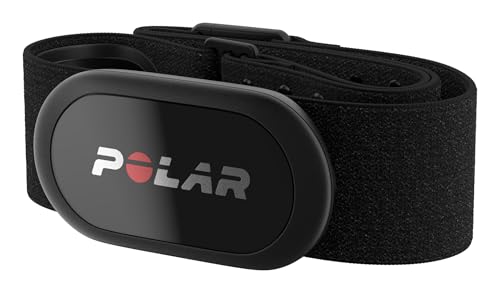
Polar H10 Heart Rate Monitor Chest Strap – ANT + Bluetooth, Waterproof HR Sensor for Men and Women, Black, M-XXL
WORKS WITH EVERYTHING: Polar HRM works with ALL HRM compatible Equipment.
As an affiliate, we earn on qualifying purchases.
As an affiliate, we earn on qualifying purchases.
Frequently Asked Questions
How Does Skin Tone Affect Wrist Heart Rate Accuracy?
Skin tone can impact sensor accuracy when measuring wrist heart rate. Darker skin tones may cause the sensor’s light to absorb differently, leading to less precise readings. You might notice fluctuations or slightly lower accuracy, especially during intense activity. To improve results, guarantee your device fits snugly and clean the sensor regularly. While skin tone plays a role, many modern sensors are improving in accuracy across diverse skin tones.
Do Activity Levels Influence Chest Strap Reliability?
Your activity level can influence chest strap reliability if the sensor placement isn’t secure or if the device isn’t properly calibrated. During intense movements, a loose chest strap may shift, causing inaccurate readings. Ensuring the strap fits snugly and calibrating your device regularly helps maintain accuracy regardless of activity level. So, stay mindful of sensor placement and calibration to get consistent, reliable heart rate data during all your workouts.
Can Environmental Factors Impact Wrist and Chest Strap Readings?
Environmental factors can definitely impact your wrist and chest strap readings. Poor sensor placement, like loose or uneven contact, reduces accuracy. Electromagnetic interference from devices like phones or other electronics can cause inconsistent data. To improve reliability, make certain your sensors are snug and properly positioned. Keep electronic devices away during workouts, and clean your sensors regularly. That way, you’ll get more accurate heart rate readings whether you’re using a wrist device or chest strap.
How Often Should I Calibrate My Heart Rate Monitor?
You should calibrate your heart rate monitor whenever you notice inconsistent readings or after changing the device or sensor placement. Regular calibration guarantees accuracy, especially if you’ve moved the sensor or experienced environmental changes. Keep your device updated with the latest firmware, as updates often improve sensor performance. Check the manufacturer’s guidelines for specific calibration intervals, but generally, doing it once every few months or after updates keeps your readings reliable.
Are There Differences in Accuracy During High-Intensity Exercise?
During high-intensity exercise, you might notice differences in accuracy between wrist HR monitors and chest straps because sensor placement affects signal quality. Chest straps generally stay more accurate because they maintain consistent contact and require proper device calibration. Wrist monitors can lag or fluctuate, especially during intense movement. To improve accuracy, make sure your device is well-calibrated and snugly fitted, and consider switching to a chest strap for more reliable readings during vigorous workouts.

USMECBL Fitness Trackers,Blood Oxygen Heart Rate Sleep Monitor,Smart Band 24/7 Health Monitoring,Calorie Pedometer Steps Counter Activity watchs/Notifications for iOS/Android
【10-14 Day Long Battery Life – Wear It Day and Night】Forget daily charging anxiety. A single, full charge…
As an affiliate, we earn on qualifying purchases.
As an affiliate, we earn on qualifying purchases.
Conclusion
So, which one truly counts when you’re pushing your limits? The wrist HR might seem convenient, but can you fully trust it during intense runs? Or does the chest strap hold the secret to pinpoint accuracy? The answer isn’t as clear-cut as you’d hope. Next time you lace up, ask yourself—are you risking precision for comfort? The truth might just surprise you. Stay tuned—you’ll want to know what comes next.
Polar H10 Heart Rate Monitor Chest Strap – ANT + Bluetooth, Waterproof HR Sensor for Men and Women, Black, M-XXL
WORKS WITH EVERYTHING: Polar HRM works with ALL HRM compatible Equipment.
As an affiliate, we earn on qualifying purchases.
As an affiliate, we earn on qualifying purchases.

Smart Watch Fitness Tracker with 24/7 Heart Rate, Blood Oxygen Blood Pressure Monitor Sleep Tracker 120 Sports Modes Activity Trackers Step Calorie Counter IP68 Waterproof for Andriod iPhone Women Men
【Superb Visual Experience & Effortless Operation】Diving into the latest 1.58'' ultra high resolution display technology, every interaction on…
As an affiliate, we earn on qualifying purchases.
As an affiliate, we earn on qualifying purchases.