TL;DR
A Fit&Well contributor with 12 years of training experience has shared a 30-minute lower-body workout built around single-leg exercises, squats and core control. The routine has two circuits and adjustable options, but the report does not provide independent testing or evidence that it is suitable for every person.
Fit&Well has published a 30-minute lower-body home workout from a contributor who says they have trained for 12 years, including for CrossFit and Olympic lifting competitions. The routine uses two circuits, with a focus on single-leg movements, balance and core control; the contributor says their current training approach changed after a bulging-disc diagnosis and rehabilitation.

Get workout gear delivered free with Prime
- Fast, free delivery on millions of items
- Prime Video, Amazon Music and more included
- Member-only deals all year
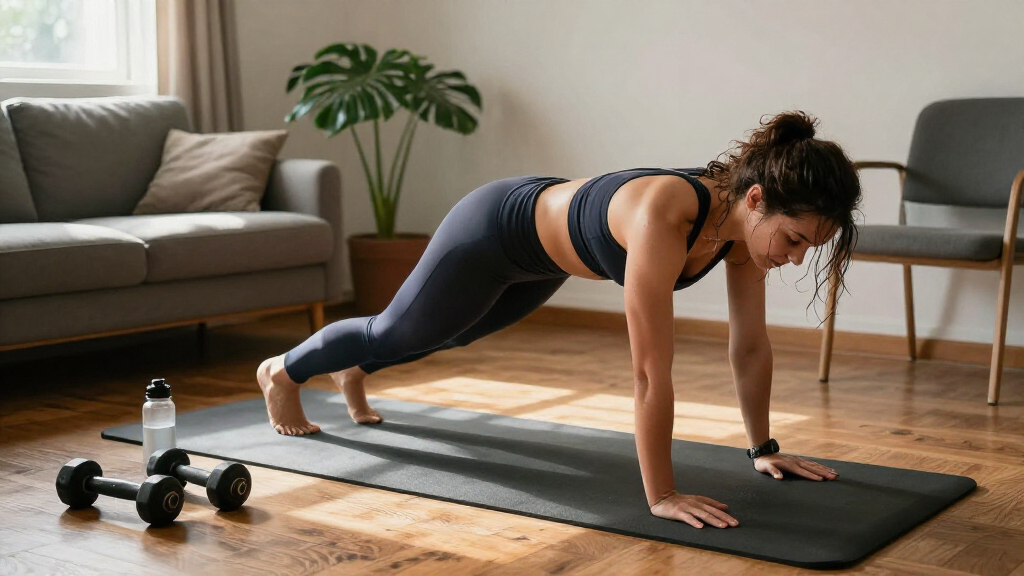
The workout begins with a two-round circuit: bear holds with shoulder taps for six repetitions per side, single-leg Romanian deadlifts for six per side, single-leg good mornings for eight to 10 repetitions, and wide squats for eight to 10 repetitions. The second circuit is performed for three rounds and includes toe-assisted single-leg squats and a single-leg Romanian deadlift into a lateral lunge, prescribed for five to six repetitions per side.
The report describes the movements as a way to combine lower-body work with balance and trunk stability. It offers easier or harder variations for some exercises: for example, a single-leg deadlift can be done with a shorter range or with the rear toes supported, while a light weight can add difficulty. The contributor also suggests doing the workout alongside an upper-body session during the week and gradually increasing exercise difficulty.
The article’s author says they previously trained five days a week while preparing for competitions and later took a year away from training followed by two years of rehabilitation. They now describe training three times a week for about 30 minutes per session. Those details are the contributor’s account; the supplied report does not present the routine as a medically prescribed program or provide clinical evidence for its effects.
A Shorter Routine Built Around Stability
The routine reflects a practical shift in the author’s training: from longer, high-frequency sessions toward shorter workouts adapted to their current capacity. For readers seeking a home session without gym equipment, the report provides a defined sequence, repetition ranges and some ways to scale difficulty.
Its emphasis on unilateral work—exercises performed mainly on one leg—also makes balance and control part of the session rather than focusing only on lifting a load. That may be relevant to people looking for a varied lower-body workout, but the author’s experience does not establish that the exercises prevent injury, treat back problems or suit everyone. People with pain, an existing injury or health concerns should seek qualified guidance before changing their training.
Products Worth Considering
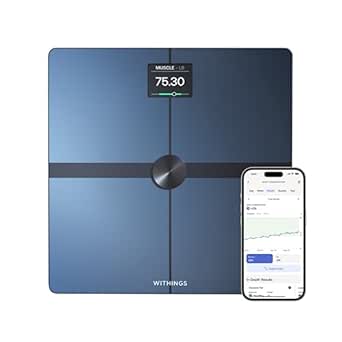
Withings Body Smart Accurate Scale for Body Weight, Fat Percentage and Body Composition

Levoit Vital 100S-P Air Purifier with Washable Pre-Filter

Withings ScanWatch Light Hybrid Smartwatch – White
As an affiliate, we earn on qualifying purchases.
Training After Back Rehabilitation
The contributor says their earlier routine involved five training days a week in preparation for CrossFit and Olympic lifting events. They also report earning Level 3 personal-trainer and yoga-therapy qualifications. After being diagnosed with a bulging disc in the lower back, they say they stopped training for a year and then spent two years in rehabilitation.
They describe their present program as three weekly sessions: one revisiting skills such as pull-ups and handstands, and two divided between upper- and lower-body work. The lower-body routine follows a separate upper-body workout the contributor had shared previously. The report presents this as their own current training practice, not as a general clinical recommendation.
“I now train three times a week, spending around 30 minutes or so on each session”
— Fit&Well contributor, in the report
Limits of the Workout Report
The supplied report does not specify its publication date, identify a clinical reviewer, or cite studies evaluating this exact sequence. It also does not state whether the contributor’s back injury has resolved, or whether a clinician approved each exercise. The claim that the routine supports stability and strength is presented as the contributor’s training rationale, not as a demonstrated medical outcome.
The workout is described as taking about 30 minutes, but the source does not give rest periods or explain how long transitions between exercises should take. Actual session length may vary. It is also not clear what equipment is needed for every variation, beyond references to a platform for the single-leg good morning and optional light weights.
How Readers Can Scale the Session
The report suggests completing two rounds of the first circuit and three of the second, with the listed repetitions for each movement. It recommends reducing the range of motion or using toe support to make certain single-leg exercises easier, and adding a light weight to increase difficulty where specified. Readers can use those options as starting points, while staying within their ability and stopping if a movement causes pain.
The author says the paired upper- and lower-body workouts can be repeated during the week and progressed gradually. The source does not announce a formal follow-up, provide a progression schedule, or set out a standard suitable for all fitness levels.
Key Questions
What exercises are in the 30-minute workout?
It includes bear holds with shoulder taps, single-leg Romanian deadlifts, single-leg good mornings, wide squats, toe-assisted single-leg squats, and a single-leg deadlift followed by a lateral lunge.
How is the routine organized?
The first circuit is performed for two rounds and the second for three rounds. The report gives repetition ranges for each exercise but does not specify rest times.
Is the workout intended for people with back injuries?
The contributor describes their own training after a bulging-disc diagnosis and rehabilitation, but the report does not say the routine treats or is safe for back injuries. Anyone with a current injury or pain should consult a qualified health professional before trying it.
Can the exercises be made easier or harder?
Yes. The report suggests shortening the range or using rear-toe support for a single-leg deadlift, performing a good morning on two feet, or adding a light weight to selected movements. It does not provide modifications for every exercise.
Source: fitandwell.com