
The best winter hiking boots balance warmth, waterproofing, traction, and walking comfort without feeling cumbersome. My best overall pick is the KEEN Revel IV High Polar for its winter-focused design, while the Merrell Coldpack 3 Thermo Mid suits hikers who want a more trail-oriented balance, and the Kenetrek Mountain Extreme 400 is aimed at demanding cold-weather outings. The main tradeoff is warmth versus weight and flexibility: heavily insulated boots can feel bulky on milder hikes, while lighter models may not suit long stretches in deep cold. Fit, socks, and the kind of terrain you hike matter as much as insulation claims. Read on for the full breakdown and advice on choosing the right pair for your conditions.

Get workout gear delivered free with Prime
- Fast, free delivery on millions of items
- Prime Video, Amazon Music and more included
- Member-only deals all year
Complete the kit

Key Takeaways
- The KEEN Revel IV High Polar is the clearest all-around winter pick in this lineup; the Merrell Coldpack 3 Thermo Mid offers a more trail-focused alternative, while the Kenetrek is aimed at harsher cold and demanding use.
- Insulation changes the boot’s best use. Heavier, warmer models suit cold, slower outings but can feel like too much on active hikes or mild winter days.
- Several Columbia Newton Ridge options are not interchangeable. The women’s waterproof boot and men’s boot offer a hiking-first approach, while the Newton Ridge Plus II Waterproof Hiking Shoe gives up ankle coverage.
- Value-focused NORTIV 8 and XPETI choices prioritize accessible winter utility, but buyers should pay close attention to fit, intended conditions, and support expectations.
- Waterproofing alone does not make a boot ready for snow. Upper height, traction, warmth, and compatibility with the socks you plan to wear separate winter-ready options from lighter hiking styles.
| KEEN Revel IV High Polar Waterproof Winter Boots for Men |  | Best for Deep Snow and Severe Cold | Fabric: Leather and mesh | Sole material: Rubber | Shaft height: Calf high | VIEW LATEST PRICE | See Our Full Breakdown |
| NORTIV 8 Men’s Waterproof Hiking Winter Snow Boots | 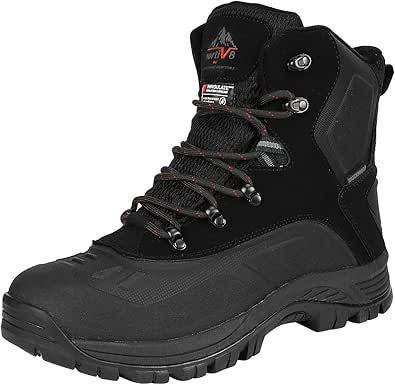 | Best Value-Style Pick for Everyday Winter Wear | Sole material: EVA and rubber | Shaft height: Ankle | Shaft circumference: 16 inches | VIEW LATEST PRICE | See Our Full Breakdown |
| Anjoufemme Waterproof Outdoor Hiking Boots for Women, Lightweight Snow and Winter Ankle Boots |  | Best Lightweight Pick for Mild Winter Walks | Shaft height: Ankle | Shaft circumference: 8.75 inches | Outer material: Polyurethane (PU) | VIEW LATEST PRICE | See Our Full Breakdown |
| Merrell Men’s Coldpack 3 Thermo Mid Waterproof |  | Best Lightweight Mid-Cut Trail Option | Upper: Waterproof full-grain leather and mesh | Sole material: Rubber | Shaft height: Mid | VIEW LATEST PRICE | See Our Full Breakdown |
| NORTIV 8 Men’s Hiking Winter Insulated Snow Boots |  | Best for Short Snowy Outings | Shaft height: Ankle | Shaft circumference: 12 inches | Upper material: Vegan leather | VIEW LATEST PRICE | See Our Full Breakdown |
| Columbia Men’s Newton Ridge Plus II Waterproof Hiking Boot |  | Best for Trail-Focused Winter Hikes | Shaft height: Ankle | Upper materials: Full-grain leather and mesh | Waterproof: Yes | VIEW LATEST PRICE | See Our Full Breakdown |
| XPETI Men’s Thermator Mid-Rise Lightweight Hiking Insulated Non-Slip Outdoor Boots |  | Best for Grip on Slippery Trails | Waterproof: Yes | Waterproof technology: XPETI-Dry membrane | Outsole: XPETI-GRIP rubber | VIEW LATEST PRICE | See Our Full Breakdown |
| Columbia Men’s Fairbanks Omni-Heat Snow Boots |  | Best for Everyday Cold-Weather Comfort | Shaft height: Ankle | Upper material: Cordura textile | Insulation: 200 g | VIEW LATEST PRICE | See Our Full Breakdown |
| Columbia Men’s Newton Ridge Plus II Waterproof Hiking Shoe |  | Best Lightweight Pick for Mild Winter Trails | Shaft height: Ankle | Shaft circumference: 1 inch | Construction: Full-grain leather and mesh | VIEW LATEST PRICE | See Our Full Breakdown |
| Columbia Men’s Firecamp Boot |  | Best for Cushioned, Insulated Day Hikes | Shaft height: Ankle | Outer material: Leather | Insulation: 200 g | VIEW LATEST PRICE | See Our Full Breakdown |
| Columbia Women’s Newton Ridge Plus Waterproof Hiking Boot |  | Best for Women’s All-Round Winter Hikes | Upper: Leather and suede | Waterproof: Yes | Midsole technology: TECHLITE | VIEW LATEST PRICE | See Our Full Breakdown |
| Kenetrek Men’s Mountain Extreme 400 Insulated Hiking Boots |  | Best for Rugged, Cold-Weather Loads | Upper: 100% full-grain leather | Waterproof membrane: Windtex | Insulation: 400-gram Thinsulate | VIEW LATEST PRICE | See Our Full Breakdown |
| Columbia Men’s Fairbanks Mid Hiking Boots |  | Best for Mild Winter Trail-to-Town Wear | Shaft height: Ankle | Waterproofing: OMNI-TECH | Impact absorption: TECHLITE | VIEW LATEST PRICE | See Our Full Breakdown |
| Columbia Men’s Burnsider Omni-Heat Infinity Hiking Boots |  | Best for Lightweight Cold-and-Wet Comfort | Shaft height: Ankle | Shaft circumference: 1 inch | Insulation: Omni-Heat Infinity | VIEW LATEST PRICE | See Our Full Breakdown |
| Oboz Andesite Mid Insulated B-Dry Men’s Hiking Boot |  | Best for Icy Winter Trails | Gender: Men’s | Upper: Oiled waterproof nubuck leather | Insulation: 200g PrimaLoft Bio | VIEW LATEST PRICE | See Our Full Breakdown |
| winter hiking boot | Shaft height | Sole material | Insulation |
|---|---|---|---|
| KEEN Revel IV High Polar Water | Calf high | Rubber | KEEN.WARM, rated to -40°F |
| NORTIV 8 Men’s Waterproof Hiki | Ankle | EVA and rubber | 200g |
| Anjoufemme Waterproof Outdoor | Ankle | Thermoplastic elastomers (TPE) | — |
| Merrell Men’s Coldpack 3 Therm | Mid | Rubber | 200g synthetic |
| NORTIV 8 Men’s Hiking Winter I | Ankle | — | — |
| Columbia Men’s Newton Ridge Pl | Ankle | Rubber | — |
| XPETI Men’s Thermator Mid-Rise | — | — | — |
| Columbia Men’s Fairbanks Omni- | Ankle | — | 200 g |
| Columbia Men’s Newton Ridge Pl | Ankle | Rubber | — |
| Columbia Men’s Firecamp Boot | Ankle | Rubber | 200 g |
| Columbia Women’s Newton Ridge | — | — | — |
| Kenetrek Men’s Mountain Extrem | 10 inches | — | 400-gram Thinsulate |
| Columbia Men’s Fairbanks Mid H | Ankle | Rubber | — |
| Columbia Men’s Burnsider Omni- | Ankle | Rubber | Omni-Heat Infinity |
| Oboz Andesite Mid Insulated B- | — | — | 200g PrimaLoft Bio |
More Details on Our Top Picks
KEEN Revel IV High Polar Waterproof Winter Boots for Men
For long outings in deep snow or bitter cold, the KEEN Revel IV High Polar offers the strongest cold-weather package in this group: KEEN.WARM insulation is rated to -40°F, and the calf-high waterproof build gives more coverage than the ankle-height NORTIV 8 options. Its KEEN.FREEZE outsole with 5mm lugs is designed to grip winter surfaces, while an external stability shank adds support on uneven ground. That combination makes it a more trail-oriented choice than the lighter Merrell Coldpack 3 Thermo Mid. The tradeoff is weight and stiffness: substantial insulation can feel cumbersome on milder walks, and the boot may need time to soften. Choose it for cold, snowy hikes, not for a lightweight everyday boot.
Pros:- KEEN.WARM insulation is rated to -40°F
- Calf-high waterproof design provides more snow coverage than ankle boots
- KEEN.FREEZE outsole has 5mm multi-directional lugs for winter traction
- External stability shank supports footing on uneven terrain
Cons:- Heavier than lower-cut, lighter-insulated options such as the Merrell Coldpack 3 Thermo Mid
- Stiff feel may take time to break in
- May be too warm and bulky for mild conditions or everyday use
Best for: Hikers who spend extended time in deep snow and need substantial insulation, calf-high coverage, and support on uneven winter trails
Not ideal for: People who want a lightweight, flexible boot for short walks or mild winter weather; its high insulation and supportive build add bulk
- Fabric:Leather and mesh
- Sole material:Rubber
- Shaft height:Calf high
- Waterproofing:KEEN.DRY breathable membrane
- Insulation:KEEN.WARM, rated to -40°F
- Outsole:KEEN.FREEZE rubber with 5mm multi-directional lugs
- Support:External stability shank
- Origin:Imported
Our verdict“Choose the Revel IV High Polar for demanding cold-weather hikes where deep-snow coverage and strong insulation matter more than low weight.”
NORTIV 8 Men’s Waterproof Hiking Winter Snow Boots
The NORTIV 8 is a practical choice for buyers who want insulated, waterproof ankle boots for winter errands and casual outdoor use without the taller, more specialized build of the KEEN Revel IV High Polar. Its 200g insulation is rated for conditions as low as -25°F, and the slip-resistant rubber outsole suits routine walks on snow-covered paths. A removable insole is easy to take out for airing or cleaning, a useful everyday detail the product information does not specify for the KEEN. The shorter shaft makes this pair less protective in deep snow, though, and the boot may feel bulky despite its ankle height. I’d favor it for mixed daily use rather than sustained hikes in severe cold.
Pros:- 200g insulation is rated for temperatures as low as -25°F
- Waterproof construction helps keep feet dry in winter conditions
- Slip-resistant rubber outsole is suited to everyday snowy outings
- Removable insole can be taken out for cleaning or airing
Cons:- Ankle-height shaft offers less snow protection than the KEEN Revel IV High Polar
- Bulky feel may be unwelcome on longer hikes
- Reported 16-inch shaft circumference may limit fit for some wider calves
Best for: Men seeking insulated waterproof boots for daily winter walks, routine outdoor activities, and occasional snow-covered trails
Not ideal for: Hikers who regularly cross deep snow or want a taller boot with trail-focused support and greater leg coverage
- Sole material:EVA and rubber
- Shaft height:Ankle
- Shaft circumference:16 inches
- Outer material:Faux leather and mesh
- Insulation:200g
- Lining:Insulated warm lining
- Features:Waterproof, slip-resistant, removable insole
Our verdict“Pick the NORTIV 8 for insulated daily winter use and easy insole care, but choose a taller boot for frequent deep-snow hikes.”
Anjoufemme Waterproof Outdoor Hiking Boots for Women, Lightweight Snow and Winter Ankle Boots
Among these five, the Anjoufemme is the clearest choice for women who prioritize a lightweight ankle boot for everyday walking and wet, muddy paths. Its breathable plaid lining and removable insole favor comfort in changeable weather, but the listing gives no insulation rating, so I would not treat it as a deep-cold hiking boot. Compared with the KEEN Revel IV High Polar, it sacrifices substantial warmth and higher shaft coverage in exchange for a less imposing design that can suit casual wear as well as outdoor use. The TPE sole is described as offering traction on wet and muddy surfaces, but the product information also warns that it may wear faster under heavy rough-terrain use. It fits mild winter outings better than prolonged snow hikes.
Pros:- Lightweight ankle-height design suits everyday walking
- Waterproof build and breathable lining are suited to changeable weather
- TPE sole is described as providing traction on wet and muddy ground
- Removable insole allows the interior to be aired or cleaned
Cons:- No insulation rating is provided, making its cold-weather limits unclear
- Ankle shaft offers less snow coverage than the KEEN Revel IV High Polar
- Sole may wear with heavy use on rough terrain
Best for: Women looking for a lightweight waterproof ankle boot for casual walks, muddy paths, and mild winter conditions
Not ideal for: Hikers facing prolonged freezing weather, deep snow, or rugged terrain where substantial insulation and a hard-wearing sole matter
- Shaft height:Ankle
- Shaft circumference:8.75 inches
- Outer material:Polyurethane (PU)
- Sole material:Thermoplastic elastomers (TPE)
- Lining:Breathable plaid fabric
- Insole:Removable
- Waterproofing:Waterproof
Our verdict“Choose the Anjoufemme for light, casual wet-weather walks, not for serious cold or frequent rough-trail hiking.”
Merrell Men’s Coldpack 3 Thermo Mid Waterproof
The Merrell Coldpack 3 Thermo Mid targets hikers who want winter protection without the bulk of a heavily insulated, calf-high boot. Its 200g synthetic insulation and SOLARCORE Aerogel insoles add warmth while keeping the design comparatively light, and the mid cut offers more coverage than the ankle-height NORTIV 8 boots. A waterproof membrane and Air Cushion heel are useful for cold, damp trails where foot comfort matters over repeated steps. Compared with the KEEN Revel IV High Polar, however, the Merrell has a much less extreme stated insulation level: no temperature rating is provided, and its shaft is shorter. It is the better fit for moderate winter hikes and everyday cold-weather wear, not for prolonged exposure in severe cold or deep snow.
Pros:- 200g synthetic insulation adds warmth without a high-cut, heavily insulated build
- SOLARCORE Aerogel insoles are designed for warmth and flexibility
- Waterproof membrane helps protect against wet winter conditions
- Merrell Air Cushion provides shock absorption at the heel
Cons:- No temperature rating is provided, unlike the KEEN Revel IV High Polar
- Mid shaft provides less coverage than a calf-high boot in deep snow
- Less suited to warm-weather wear because of its insulation
Best for: Men who hike on maintained winter trails and want a waterproof, insulated mid-cut boot with a lighter feel than high-cold models
Not ideal for: Hikers who need a stated severe-cold temperature rating, calf-high snow coverage, or protection for extended deep-snow travel
- Upper:Waterproof full-grain leather and mesh
- Sole material:Rubber
- Shaft height:Mid
- Shaft circumference:4 inches
- Insulation:200g synthetic
- Insole:SOLARCORE Aerogel
- Waterproofing:Waterproof membrane
- Heel feature:Merrell Air Cushion
Our verdict“Choose the Coldpack 3 Thermo Mid for moderate winter hikes when a waterproof, insulated boot with a lighter build is more useful than extreme-cold coverage.”
NORTIV 8 Men’s Hiking Winter Insulated Snow Boots
This NORTIV 8 is aimed at buyers who want plush warmth and cushioning for shorter winter outings, rather than a boot for repeated, extended exposure to wet snow. Its short plush lining with 3M thermal materials and thermal-insulated insole focus on warmth, while an EVA midsole softens each step. The gusseted tongue helps limit snow and moisture entering at the front. Its advertised waterproof duration is four hours static, a specific limitation that makes it a less dependable choice for all-day wet conditions than the Merrell Coldpack 3 Thermo Mid, which is described as having a waterproof membrane without a stated duration. The ankle-height shaft also leaves more room for snow to reach the top than the KEEN’s calf-high design. I’d choose it for shorter snowy walks, not prolonged hikes.
Pros:- Short plush lining and 3M thermal materials add warmth
- Thermal-insulated insole supports cold-weather comfort
- Gusseted tongue helps limit snow and moisture entry
- EVA midsole and anti-slip rubber outsole combine cushioning with grip
Cons:- Four-hour static waterproof duration is a stated limit for extended wet outings
- Ankle-height shaft gives less snow coverage than the KEEN Revel IV High Polar
- May feel heavy for hikers seeking a lightweight winter boot
Best for: Men who want plush-lined, cushioned boots for short winter walks and occasional snowy outdoor activities
Not ideal for: Hikers spending hours in wet snow or crossing deep drifts who need longer-lasting waterproof coverage and a taller shaft
- Shaft height:Ankle
- Shaft circumference:12 inches
- Upper material:Vegan leather
- Outer material:Polyurethane (PU)
- Lining:Short plush with 3M thermal materials
- Waterproof duration:4 hours static
- Midsole:EVA cushioned
- Outsole:Anti-slip rubber
- Design feature:Gusseted tongue
Our verdict“Choose this NORTIV 8 for cushioned, short snowy outings, but opt for a boot with more shaft coverage and no stated short waterproof duration for long wet hikes.”
Columbia Men’s Newton Ridge Plus II Waterproof Hiking Boot
The Newton Ridge Plus II boot is the strongest fit here for hikers who want a traditional, supportive boot for cold-season trails without choosing a heavily insulated snow boot. Its full-grain leather and mesh upper, waterproof construction, and OMNI-GRIP outsole suit wet paths and mixed terrain, while the ankle-height design keeps it less bulky than taller winter options such as the KEEN Revel IV High Polar. The tradeoff is that the supplied details do not specify insulation, so I would pair it with warm socks rather than rely on it for long stretches in deep cold. It may also need a break-in period and can feel heavier than minimalist footwear. Choose it for hikes where traction and waterproofing matter more than built-in warmth.
Pros:- Waterproof leather-and-mesh construction helps keep trail moisture out.
- OMNI-GRIP rubber outsole is designed for traction across varied terrain.
- Ankle-height profile offers more coverage than a low-cut shoe.
- Lace-up closure allows the fit to be adjusted around the foot.
Cons:- No insulation specification is provided, limiting confidence for very cold outings.
- May need a break-in period before longer hikes.
- Can feel heavier than minimalist hiking footwear.
Best for: Hikers covering wet, rugged trails in cool weather who prefer a leather-and-mesh ankle boot and can manage warmth with suitable socks.
Not ideal for: People hiking for hours in deep-freeze temperatures or through deep snow who need specified insulation and more leg coverage.
- Shaft height:Ankle
- Upper materials:Full-grain leather and mesh
- Waterproof:Yes
- Sole material:Rubber
- Traction system:OMNI-GRIP multi-terrain
- Closure:Lace-up
Our verdict“Pick this boot for wet, uneven winter trails when dependable traction and waterproofing matter more than built-in insulation.”
XPETI Men’s Thermator Mid-Rise Lightweight Hiking Insulated Non-Slip Outdoor Boots
The XPETI Thermator puts its emphasis on secure footing: its XPETI-GRIP outsole with 7 mm multi-directional lugs gives it a more specifically described lug pattern than the Columbia Newton Ridge Plus II boots in this lineup. A waterproof XPETI-Dry membrane and insulated design also make it a more winter-oriented choice than those uninsulated Newton Ridge models. The EVA midsole helps limit weight, and a rubber toe cap adds protection when trails are rough. Its tradeoffs are practical: waterproof materials may reduce breathability, and the bulkier design is less suited to casual wear. The product details do not state the insulation amount, so I would not assume it matches the warmth of the Columbia Fairbanks Omni-Heat Snow Boots, which specify 200 g insulation.
Pros:- XPETI-Dry membrane provides specified waterproof protection.
- 7 mm multi-directional outsole lugs offer a defined grip-focused tread design.
- EVA midsole provides lightweight support.
- Rubber toe cap helps protect against trail knocks.
Cons:- Waterproof construction may feel less breathable during strenuous hikes.
- Bulky styling is less versatile for casual use.
- Insulation amount is not specified, making cold-weather warmth harder to judge.
Best for: Hikers and campers who want waterproof, insulated footwear with pronounced lugs for muddy or slippery outdoor routes.
Not ideal for: Buyers who need a clearly stated insulation level for severe cold, prioritize breathability, or want a trim boot for everyday wear.
- Waterproof:Yes
- Waterproof technology:XPETI-Dry membrane
- Outsole:XPETI-GRIP rubber
- Lug depth:7 mm, multi-directional
- Midsole:EVA
- Protection:Rubber toe cap
- Closure:Lace-up
- Inner material:Mesh
Our verdict“Choose the Thermator for wet, slippery hikes where its lugged outsole and waterproof build matter more than a streamlined fit or documented insulation level.”
Columbia Men’s Fairbanks Omni-Heat Snow Boots
The Fairbanks Omni-Heat is the most clearly specified choice in this group for everyday winter warmth: it pairs 200 g insulation with a thermal-reflective lining and waterproof-breathable Omni-Tech construction. That gives it an advantage over the Newton Ridge Plus II, which lists waterproofing and trail traction but no insulation amount. The Cordura textile upper, Techlite cushioning, and Omni-Grip outsole suit a mix of wet walks, snow, and routine outdoor use without the bulk associated with taller winter boots. That ankle-height cut is also its main limitation: it offers less coverage than a mid-height boot such as the XPETI Thermator. Its 200 g insulation may not satisfy hikers facing extreme cold, and textile is a less rugged choice than full-grain leather for sustained rough-trail use.
Pros:- 200 g insulation and Omni-Heat lining provide specified cold-weather features.
- Omni-Tech construction is described as waterproof and breathable.
- Techlite cushioning supports comfort underfoot.
- Omni-Grip rubber outsole is designed for traction on wet, muddy, and snowy terrain.
Cons:- Ankle-height shaft offers less coverage than taller winter boots.
- 200 g insulation may not be warm enough for extreme cold.
- Cordura textile upper may be less rugged than full-grain leather on rough trails.
Best for: People who split winter wear between neighborhood walks and moderate outdoor trails and want specified insulation without a tall, bulky boot.
Not ideal for: Hikers who regularly face deep snow, extreme cold, or abrasive terrain and need greater shaft coverage or a tougher leather upper.
- Shaft height:Ankle
- Upper material:Cordura textile
- Insulation:200 g
- Waterproof technology:Omni-Tech
- Thermal lining:Omni-Heat
- Cushioning:Techlite
- Outsole:Omni-Grip rubber
Our verdict“Choose the Fairbanks for regular cold-weather outings when you want documented insulation, cushioning, and waterproofing in an ankle-height design.”
Columbia Men’s Newton Ridge Plus II Waterproof Hiking Shoe
Although the product title calls this a hiking shoe, its listed ankle shaft makes it a low-profile option rather than a truly low-cut shoe. It combines waterproof full-grain leather and mesh with OMNI-GRIP traction, making it suited to damp, relatively mild winter routes. Compared with the Columbia Men’s Newton Ridge Plus II Waterproof Hiking Boot, the supplied feature set is very similar; neither lists insulation, so this version is not a meaningful upgrade for deep cold. The appeal is its lighter, comfort-oriented design for mixed outdoor use, while the tradeoff is limited winter protection: the shaft circumference is listed as one inch, which may feel restrictive to some, and the details do not describe added warmth. I would choose it for maintained trails, not prolonged snow exposure.
Pros:- Waterproof full-grain leather and mesh construction helps manage wet conditions.
- OMNI-GRIP outsole is designed for traction on varied terrain.
- Lightweight midsole is described as comfortable for outdoor use.
- Lace-up closure allows an adjustable fit.
Cons:- No insulation is specified for cold-weather use.
- Listed one-inch shaft circumference may be narrow for some wearers.
- Ankle-height coverage is limited in deep snow.
Best for: Hikers who want a waterproof, traction-focused option for maintained trails in cool or mildly wintry conditions.
Not ideal for: People who need insulated footwear, a roomy shaft fit, or dependable coverage for deep snow and severe cold.
- Shaft height:Ankle
- Shaft circumference:1 inch
- Construction:Full-grain leather and mesh
- Waterproof:Yes
- Sole material:Rubber
- Traction system:OMNI-GRIP multi-terrain
- Closure:Lace-up
Our verdict“Pick this for damp, mild-winter hikes where a lighter waterproof build is more useful than insulation or snow-height coverage.”
Columbia Men’s Firecamp Boot
The Firecamp Boot takes a middle path between trail-focused waterproof boots and more specialized snow footwear. Its 200 g insulation gives it a clearer cold-weather advantage over the Newton Ridge Plus II models, while OMNI-TECH waterproofing, TECHLITE impact absorption, and OMNI-GRIP traction target wet, varied terrain. The leather outer offers a more substantial feel than the textile upper on the Columbia Fairbanks Omni-Heat, but the supplied specifications do not list a thermal-reflective lining like the Fairbanks does. An ankle-height shaft also limits protection in deep snow, and the description cautions that the insulation may not be enough for extremely wet or snowy conditions without added warmth. This is a sensible day-hike option for moderate winter weather, not a deep-winter specialist.
Pros:- 200 g insulation adds a defined layer of warmth.
- OMNI-TECH waterproof technology is designed for wet conditions.
- TECHLITE impact absorption supports comfort on longer outings.
- OMNI-GRIP outsole is designed for multi-terrain traction.
Cons:- Ankle-height shaft provides limited coverage in deep snow.
- May need additional warmth in extremely cold or snowy conditions.
- Potentially heavier than minimalist footwear.
Best for: Day hikers looking for an ankle-height leather boot with specified insulation, waterproofing, and cushioning for moderate winter conditions.
Not ideal for: People who hike in deep snow or extreme cold and need taller coverage or a more fully specified cold-weather lining.
- Shaft height:Ankle
- Outer material:Leather
- Insulation:200 g
- Waterproof technology:OMNI-TECH
- Impact absorption:TECHLITE
- Traction:OMNI-GRIP
- Sole material:Rubber
Our verdict“Choose the Firecamp for moderate winter day hikes when you want insulation and cushioning in a waterproof leather ankle boot.”
Columbia Women’s Newton Ridge Plus Waterproof Hiking Boot
The Newton Ridge Plus is a sensible pick for women who want a waterproof hiking boot for cold-season trails but do not need heavy insulation. Its leather-and-suede upper, reinforced toe and heel, and rubber Omni-GRIP outsole put durability and varied-terrain footing ahead of specialized snow features. Compared with the Oboz Andesite Mid, it has no listed insulation or ice-focused outsole, so it is better suited to cool, wet hikes than long outings in deep cold or on icy paths. The TECHLITE midsole and lightweight construction favor extended walking without the more substantial feel of the Kenetrek Mountain Extreme 400. The tradeoff is limited winter warmth: pair it with appropriate socks, and skip it if built-in insulation is a priority. Fit accuracy also matters, since the supplied information gives no special sizing guidance.
Pros:- Waterproof leather-and-suede construction helps shield feet from wet trail conditions.
- Omni-GRIP rubber outsole is designed for traction across varied terrain.
- TECHLITE midsole and lightweight build support comfortable extended walking.
- Reinforced toe and heel add protection in high-wear areas.
Cons:- No insulation is listed, limiting warmth in sustained cold.
- No ice-specific outsole feature is stated for slick winter surfaces.
- Accurate sizing is important, and the available product information offers little fit guidance.
Best for: Women looking for a lightweight, waterproof boot for wet, cool-weather hikes on mixed trails, with room to manage warmth through socks.
Not ideal for: Hikers who routinely face deep snow, prolonged subfreezing conditions, or slick ice and want dedicated insulation and winter-specific traction.
- Upper:Leather and suede
- Waterproof:Yes
- Midsole technology:TECHLITE
- Outsole technology:OMNI-GRIP rubber
- Interior:Mesh
- Reinforced areas:Toe and heel
- Closure:Lace-up
- Origin:Imported
Our verdict“Choose it for lightweight waterproofing on cool, mixed-terrain hikes, but pick the insulated Oboz Andesite Mid for colder or icier routes.”
Kenetrek Men’s Mountain Extreme 400 Insulated Hiking Boots
For demanding winter routes with a pack, the Mountain Extreme 400 emphasizes support and protection over an easy, flexible feel. Its 400-gram Thinsulate insulation, waterproof breathable Windtex membrane, 10-inch shaft, and 7mm nylon midsoles make it the most substantial choice here for cold conditions and uneven ground. Compared with the lighter Columbia Men’s Fairbanks Mid, it is better suited to heavy loads and rugged terrain, but its weight and stiff break-in make it less appealing for casual walks or short outings. It also lacks the named Vibram Arctic Grip ice-focused outsole found on the Oboz Andesite Mid, so warmth and support—not specialized ice traction—are its clearest strengths. I would reserve it for hikers who need that robust build and can tolerate a more demanding fit-in period.
Pros:- 400-gram Thinsulate insulation adds substantial cold-weather warmth.
- Full-grain leather and a waterproof breathable Windtex membrane support durable weather protection.
- 7mm nylon midsoles and supportive footbeds provide stability under heavier loads.
- High-traction rubber outsole is suited to rugged terrain.
Cons:- Heavier build can tire hikers who prefer lightweight footwear.
- Stiffness may require a meaningful break-in period.
- No ice-specific outsole technology is identified in the supplied specifications.
Best for: Experienced hikers carrying heavy packs on cold, rugged trails who value insulation, support, and durable leather construction.
Not ideal for: Casual winter walkers or hikers seeking a light, flexible boot that feels comfortable straight out of the box.
- Upper:100% full-grain leather
- Waterproof membrane:Windtex
- Insulation:400-gram Thinsulate
- Shaft height:10 inches
- Midsole:7mm nylon
- Footbed:Supportive footbed
- Outsole:High-traction rubber
- Origin:Imported
Our verdict“Pick the Kenetrek for cold, rugged hikes with a heavy pack, not for lightweight day hikes or quick winter walks.”
Columbia Men’s Fairbanks Mid Hiking Boots
The Fairbanks Mid suits hikers who want one ankle-height boot for wet winter trails and everyday wear, rather than a heavily insulated snow boot. Its OMNI-TECH waterproofing and breathable construction help manage damp conditions, while TECHLITE cushioning and OMNI-GRIP traction favor comfort across varied surfaces. Compared with the Kenetrek Mountain Extreme 400, this Columbia is the lighter, more casual choice, but it gives up the Kenetrek’s listed insulation and supportive 10-inch shaft. It also lacks the Oboz Andesite Mid’s named Arctic Grip outsole, making it a less specialized option for icy paths. The narrow listed shaft circumference may be a concern for some feet, and the available specs do not establish insulation, so this is best for cool, wet outings rather than prolonged exposure to severe cold.
Pros:- OMNI-TECH construction combines waterproofing with breathability for wet conditions.
- TECHLITE cushioning provides lightweight impact absorption.
- OMNI-GRIP outsole is designed for traction on multiple types of terrain.
- Ankle-height design and versatile styling suit trail and casual use.
Cons:- No insulation is listed, limiting suitability for prolonged cold-weather hikes.
- The stated 1-inch shaft circumference may not suit wider feet.
- No ice-specific outsole technology is identified.
Best for: Men who split time between damp, moderate winter hikes and casual daily wear, and prefer cushioning over a heavily insulated build.
Not ideal for: Hikers with wider feet or anyone who needs substantial built-in warmth and dedicated traction for icy, snowy routes.
- Shaft height:Ankle
- Waterproofing:OMNI-TECH
- Impact absorption:TECHLITE
- Traction technology:OMNI-GRIP
- Sole material:Rubber
- Shaft circumference:1 inch
- Construction:Waterproof and breathable
Our verdict“Choose the Fairbanks Mid for comfortable, damp-weather hikes and everyday wear, but opt for an insulated boot for colder or icier days.”
Columbia Men’s Burnsider Omni-Heat Infinity Hiking Boots
The Burnsider Omni-Heat Infinity makes the most sense for hikers who want added warmth without moving to a tall, rugged boot. Its Omni-Heat Infinity insulation is paired with OMNI-TECH waterproofing and TECHLITE cushioning, giving it a more cold-weather-specific setup than the uninsulated Columbia Men’s Fairbanks Mid. The ankle-height shaft keeps the profile closer to a day-hiking boot, but offers less coverage than the 10-inch Kenetrek Mountain Extreme 400 on deep-snow routes. The product data also describes traction across varied terrain without naming an ice-focused outsole, so I would not rank it ahead of the Oboz Andesite Mid for slick, icy trails. Its narrower listed shaft circumference may limit fit for some hikers, and its warmth-focused features could feel excessive on milder days.
Pros:- Omni-Heat Infinity technology adds warmth for cold-weather outings.
- OMNI-TECH construction provides waterproofing and breathability.
- TECHLITE cushioning helps absorb impact without a bulky feel.
- Rubber outsole is described as providing traction on varied terrain.
Cons:- Ankle-height shaft provides less coverage than a taller winter boot in deep snow.
- The listed 1-inch shaft circumference may not work for wider feet.
- No ice-specific outsole technology is identified in the provided specs.
Best for: Men seeking an ankle-height boot with added warmth and waterproofing for cold, wet day hikes on varied terrain.
Not ideal for: Hikers who need tall coverage in deep snow, have wider feet, or frequently cross slick ice and want named ice-specific traction.
- Shaft height:Ankle
- Shaft circumference:1 inch
- Insulation:Omni-Heat Infinity
- Waterproofing:OMNI-TECH
- Cushioning:TECHLITE
- Sole material:Rubber
- Origin:Imported
Our verdict“Choose the Burnsider for added warmth in a compact, waterproof hiking boot, but favor a taller or ice-focused model for deep snow and slick trails.”
Oboz Andesite Mid Insulated B-Dry Men’s Hiking Boot
The Andesite Mid is the most winter-specific choice in this group for hikers who need traction on ice and snow alongside waterproofing. Its Vibram Arctic Grip A.T. outsole uses XS Trek rubber, while 200g PrimaLoft Bio insulation adds warmth without the heavier 400-gram insulation level of the Kenetrek Mountain Extreme 400. The B-DRY system pairs a waterproof nubuck upper with moisture management, and the mid-cut design fits day hikes better than the Kenetrek’s taller shaft. Its insulation may be too warm for mild-weather outings, and the provided details do not list a shaft height measurement or weight for comparison. The advanced winter materials also make it a more specialized pick than the Columbia Men’s Fairbanks Mid, which is better aligned with damp, moderate conditions than icy routes.
Pros:- Vibram Arctic Grip A.T. outsole is designed for traction on ice and snow.
- 200g PrimaLoft Bio insulation adds winter warmth using recycled insulation material.
- B-DRY waterproof system is paired with a waterproof nubuck leather upper.
- O Fit insole incorporates Bloom Algae technology.
Cons:- Insulation may feel too warm during mild-weather hikes.
- Winter-focused outsole and insulation make it less versatile for warm seasons.
- The supplied specifications do not state boot weight or a measured shaft height.
Best for: Men who hike on icy or snowy trails and want dedicated traction, waterproofing, and moderate insulation in a mid-cut boot.
Not ideal for: Hikers in mild climates who need a year-round boot, or those who prefer a lighter, less specialized shoe for mostly dry trails.
- Gender:Men’s
- Upper:Oiled waterproof nubuck leather
- Insulation:200g PrimaLoft Bio
- Waterproofing:B-DRY waterproof system
- Outsole:Vibram Arctic Grip A.T., Vibram XS Trek rubber
- Insole:O Fit insole with Bloom Algae technology
- Style:Mid-cut hiking boot
Our verdict“Choose the Andesite Mid for icy and snowy day hikes, but select a less insulated boot if most of your walking is in mild weather.”

How We Picked
I ranked these boots by how well their designs match common winter hiking conditions: cold temperatures, wet snow, slush, uneven trails, and long periods on foot. I gave more weight to a balanced mix of winter warmth, waterproof protection, traction, and hiking comfort than to any single feature. I also considered practical differences such as boot height, insulation emphasis, and whether the design appears better suited to active trail walking or harsher, colder outings.
The ranking favors boots with a clear winter hiking purpose and a useful balance for a broad range of users. Specialized, heavily insulated choices rank well for specific cold-weather needs but lower for general use because warmth and bulk can limit versatility. Lighter hiking boots and lower-cut options remain useful for milder conditions, though they rank below models built for sustained snow and cold. Value-oriented options are included for buyers who want winter function without making premium construction their main priority; fit and the match between boot and conditions should guide the final choice.
| winter hiking boot | Sole material |
|---|---|
| KEEN Revel IV High Polar Water | Rubber |
| NORTIV 8 Men’s Waterproof Hiki | EVA and rubber |
| Anjoufemme Waterproof Outdoor | Thermoplastic elastomers (TPE) |
| Merrell Men’s Coldpack 3 Therm | Rubber |
| NORTIV 8 Men’s Hiking Winter I | — |
| Columbia Men’s Newton Ridge Pl | Rubber |
| XPETI Men’s Thermator Mid-Rise | — |
| Columbia Men’s Fairbanks Omni- | — |
| Columbia Men’s Newton Ridge Pl | Rubber |
| Columbia Men’s Firecamp Boot | Rubber |
| Columbia Women’s Newton Ridge | — |
| Kenetrek Men’s Mountain Extrem | — |
| Columbia Men’s Fairbanks Mid H | Rubber |
| Columbia Men’s Burnsider Omni- | Rubber |
| Oboz Andesite Mid Insulated B- | — |
Factors to Consider When Choosing Best Winter Hiking Boots
The right winter boot depends less on a single warmth label than on your pace, weather, terrain, and tolerance for bulk. These broader checks can help prevent a common mistake: buying the warmest-looking boot when a lighter, more supportive option would suit your hikes better.
Match Insulation to Your Pace and Conditions
Warmth needs vary with temperature, effort, and how long you stop along the trail. Fast hikers generate more heat than people moving slowly, snowshoeing, or waiting at exposed viewpoints, so the same insulation can feel comfortable to one person and stifling to another. A heavily insulated boot makes more sense for sustained cold and low-output outings, while moderate insulation can be easier to wear on active hikes or variable winter days. Do not choose by the coldest temperature you might encounter if most trips are milder. Consider whether you can add warmth with appropriate socks, but leave enough room for your toes to move. A tight boot can reduce comfort and warmth even when its insulation looks generous.
Check Fit With the Socks You Will Actually Wear
Winter footwear fit is a system: boot shape, sock thickness, and foot swelling over a long hike all affect comfort. Try boots later in the day when feet may be larger, and test them with the socks you expect to use outdoors. Your toes should not press against the front on downhill steps, but excessive space can let the foot slide and create rubbing. Pay attention to heel hold and instep pressure, not only the length printed on the size label. Thick socks are not a reliable fix for a boot that is too large or too narrow. If you use orthotics, check that they fit without lifting your heel or crowding your toes.
Separate Waterproofing From Snow Protection
A waterproof membrane can help with slush and wet trail conditions, but it does not automatically keep snow from entering over the collar. Boot height matters when you walk through deeper snow, and gaiters can add protection without requiring a taller, heavier boot. Think about where water or snow is most likely to get in on your usual routes: through the upper, over the cuff, or from prolonged contact with wet ground. Waterproof construction can also reduce ventilation, which may leave feet damp from sweat during hard climbs. For long winter days, managing moisture from both outside and inside the boot matters. Choose coverage for the snow depth you meet regularly rather than assuming every waterproof boot offers the same protection.
Prioritize Traction for Your Actual Trail Surface
Winter trails can shift between packed snow, loose powder, wet rock, mud, and ice, and no single outsole handles every surface equally well. A lugged hiking sole can provide useful grip on uneven ground, but it is not a substitute for dedicated traction aids on hard ice. If your route regularly includes icy slopes, plan for compatible microspikes or another suitable traction device rather than relying on boot tread alone. A stiffer sole may feel more stable underfoot but can be less comfortable on easy, rolling paths. Also consider how the tread will perform when snow packs into the lugs. Match the boot to the most demanding surface you encounter often, not just the trailhead conditions.
Balance Warmth, Weight, and Ankle Coverage
Extra insulation and taller uppers can improve comfort and snow coverage, but they often add weight and reduce the easy flex that makes long hikes feel natural. Lower or lighter designs may suit maintained trails and shallow snow, especially when mobility matters more than maximum coverage. Taller boots can be useful in deeper snow or when you want more protection around the ankle, though fit and break-in become more noticeable over full-day use. Do not assume ankle height alone prevents twists; stable footing, good fit, and appropriate trail choices still matter. If you carry a heavier pack, prioritize a secure feel and sole stability over the lightest possible boot. For short, casual winter walks, the extra bulk of a cold-weather specialist may not pay off.
Know When Premium Construction Is Worth It
Paying more can make sense when you hike often in severe cold, cover rough terrain, or need a boot built for repeated demanding use. For occasional outings on cleared or moderate trails, a more affordable winter-oriented option may meet your needs without the extra weight or specialized construction. Judge value by the fit you can achieve, the conditions the boot is designed to handle, and how often you will use it—not by insulation claims alone. Also factor in care: drying boots fully between outings and following the maker’s guidance for cleaning and waterproofing helps preserve performance. If you use winter boots only for short trips, versatility across everyday wear and hiking may matter more than extreme cold capability. Spend extra for a clear need, not simply for the most technical-sounding feature.
Frequently Asked Questions
Can I use a regular waterproof hiking boot for winter hiking?
Sometimes, but it depends on the cold, snow depth, and length of your outing. A waterproof hiking boot may handle wet trails while offering too little insulation or collar coverage for prolonged snow travel. On mild days and maintained paths, that lighter build can be more comfortable than a heavily insulated boot. For deeper snow, add gaiters or choose a taller design, and bring traction aids if the route is icy. Match the boot to the conditions you hike most often rather than expecting waterproofing to cover every winter need.
Should I size up for thick winter socks?
Do not size up automatically; first try the boot with the socks you plan to wear. You need enough room for toe movement and warmth, but excess space can let your foot slide and cause blisters on descents. Check heel hold, forefoot width, and pressure across the instep while walking on an incline if possible. If your usual size feels tight with winter socks, compare fit in a wider option or another model before choosing a longer size. A boot that fits well with your real hiking setup is more useful than one selected by a size rule.
Are insulated boots too warm for active winter hikes?
They can be, especially if you hike quickly, climb steep terrain, or travel in temperatures near freezing. Excess heat can lead to sweat, and damp socks may make feet feel colder during stops. A lighter or moderately insulated boot may suit high-output hikes better, while stronger insulation is helpful for slow movement, deep cold, or long breaks. Your pace and temperature range should guide the choice as much as the boot’s warmth claims. If conditions vary, breathable layers and spare dry socks can help manage moisture.
Do I still need traction devices with winter hiking boots?
Often, yes, if your route includes hard ice or steep frozen sections. Boot tread can help on snow and uneven ground, but it cannot guarantee secure footing on polished ice. Carry traction devices suited to your route and check that they fit the boot’s shape and sole. For hikes on packed snow without icy slopes, tread alone may be adequate, but surface conditions can change quickly. Make the decision based on the most slippery section you expect, not the appearance of the trail at the start.
Is a high boot always better for snow?
A taller upper can help keep snow out and provide more coverage, but it is not automatically the best choice for every winter hike. High boots may feel heavier or less flexible, while a lower boot can be comfortable on maintained trails with shallow snow. Gaiters can add coverage to a shorter boot when conditions call for it. Consider your typical snow depth, hiking pace, and preference for ankle movement. Fit and traction still matter; height alone does not make a boot suitable for icy or difficult terrain.
Conclusion
For one pair to cover a broad range of winter hikes, I would start with the KEEN Revel IV High Polar as the best overall choice. The NORTIV 8 Men’s Waterproof Hiking Winter Snow Boots are my value-oriented pick for buyers who want practical winter coverage without prioritizing premium construction, while the Kenetrek Mountain Extreme 400 makes the most sense for demanding outings in severe cold. Beginners who mainly hike maintained trails can look first at the Columbia Newton Ridge Plus II Waterproof Hiking Boot for a straightforward hiking-focused option, keeping its lighter winter protection in mind. For women seeking a dedicated hiking boot, the Columbia Women’s Newton Ridge Plus Waterproof Hiking Boot is the clearest fit in this group; for a lighter, lower-cut approach, the men’s Newton Ridge hiking shoe suits milder conditions. Choose the boot that matches your cold, snow depth, and pace rather than buying maximum insulation by default.