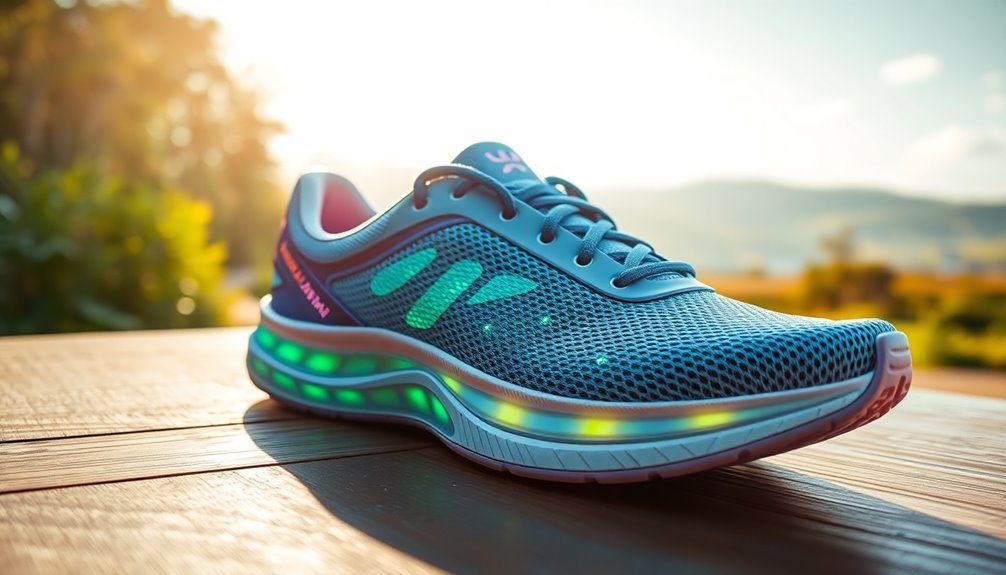

For runners who want a responsive ride and training features associated with smart cushioning, the ASICS GEL-NIMBUS 28 is my best overall pick for comfort-focused daily miles, while the Saucony Endorphin Pro 4 stands out for race-day propulsion. The PEAK Taichi King offers adaptive cushioning appeal for walking and mixed workouts. These shoes differ sharply in purpose: some prioritize soft protection, others a plated racing feel, and a few make broader claims about adaptive support without clear evidence of app connectivity or embedded sensors. Keep reading for the full comparison, including what each shoe can and cannot offer.

Get workout gear delivered free with Prime
- Fast, free delivery on millions of items
- Prime Video, Amazon Music and more included
- Member-only deals all year
Complete the kit


Key Takeaways
- ASICS GEL-NIMBUS 28 leads this lineup for cushioned daily running, while its comfort-first build is less suited to runners seeking a light, race-focused feel.
- Saucony Endorphin Pro 4 and New Balance FuelCell Supercomp Elite V5 are the plated performance choices; they make more sense for faster efforts than casual walking.
- Brooks Launch 10 is the straightforward, versatile option in a lineup with several specialized or broadly described shoes.
- PEAK Taichi King emphasizes adaptive cushioning across walking and training, but its smart-support language should not be mistaken for confirmed sensor tracking or app features.
- The lightweight casual sneaker and generic carbon plate shoe have less specific model information, so fit, construction, and return terms deserve extra scrutiny before choosing either.
| Saucony Men’s Endorphin Pro 4 Sneaker |  | Best for Race-Day Speed | Origin: Imported | Sole material: Rubber | Outer material: Mesh, knit | VIEW ON AMAZON | See Our Full Breakdown |
| Brooks Men’s Launch 10 Neutral Running Shoe |  | Best for Fast Workouts | Origin: Imported | Sole material: Rubber | Outer material: Canvas | VIEW ON AMAZON | See Our Full Breakdown |
| New Balance Men’s FuelCell Supercomp Elite V5 |  | Best for Long-Distance Racing | Origin: Imported | Sole material: Rubber | Outer material: Mesh | VIEW ON AMAZON | See Our Full Breakdown |
| Running Shoes for Men Lightweight Casual Walking Shoes Comfortable Breathable Tennis Sneakers |  | Best for Casual Walking | Sole material: Ethylene vinyl acetate (EVA) | Outer material: Fabric | Closure: Lace-up | VIEW ON AMAZON | See Our Full Breakdown |
| ASICS Men’s GEL-NIMBUS 28 Running Shoes |  | Best for Cushioned Daily Miles | Origin: Imported | Sole material: Rubber | Outer material: Polyurethane (PU) | VIEW ON AMAZON | See Our Full Breakdown |
| Unisex Carbon Plate Running Shoes |  | Best for Propulsion Training | Fit: Unisex; described as true to size | Plate: Carbon plate | Cushioning: High-rebound foam; over 70% rebound as described | VIEW ON AMAZON | See Our Full Breakdown |
| PEAK Men’s Comfortable Running Shoes Taichi King Adaptive Smart Cushioning Supportive Training Sneakers for Walking, Tennis, Fitness, Gym |  | Best for Multi-Sport Cushioning | Model: Taichi King | Upper: Fabric | Midsole: Breathable polymer and EVA foam with TAICHI adaptive cushioning | VIEW ON AMAZON | See Our Full Breakdown |
| smart running shoe | Sole material | Origin | Outer material | Intended use |
|---|---|---|---|---|
| Saucony Men’s Endorphin Pro 4 | Rubber | Imported | Mesh, knit | Racing and fast training runs |
| Brooks Men’s Launch 10 Neutral | Rubber | Imported | Canvas | Workouts and races |
| New Balance Men’s FuelCell Sup | Rubber | Imported | Mesh | — |
| Running Shoes for Men Lightwei | Ethylene vinyl acetate (EVA) | — | Fabric | Walking, casual wear, and workouts |
| ASICS Men’s GEL-NIMBUS 28 Runn | Rubber | Imported | Polyurethane (PU) | — |
| Unisex Carbon Plate Running Sh | Rubber | Imported | — | Road running, workouts, and everyday wear |
| PEAK Men’s Comfortable Running | Ethylene Vinyl Acetate | — | — | — |
More Details on Our Top Picks
Saucony Men’s Endorphin Pro 4 Sneaker
The Endorphin Pro 4 is the lineup’s race-focused choice, pairing a carbon fiber plate with responsive cushioning for runners prioritizing speed on race day and fast training sessions. Compared with the Brooks Launch 10, it brings a dedicated plate and a more specialized performance brief; that makes it a stronger fit for competitive efforts, while the Brooks is the simpler pick for lightweight workouts. Its breathable mesh and knit upper and rubber outsole support a lightweight feel with traction for long-distance running. The tradeoff is versatility: its race-oriented design may feel excessive for easy daily miles or casual wear, and the supplied product details do not establish a specific fit or weight. I’d choose it for speed-focused use, not as a do-everything shoe.
Pros:- Carbon fiber plate is designed to support race-day speed
- Responsive cushioning is intended to return energy during hard efforts
- Breathable mesh and knit upper suits high-intensity running
- Rubber outsole provides traction for long-distance runs
Cons:- Race-focused design may be less practical for casual or everyday wear
- A carbon-plated setup may not suit runners who want a versatile easy-run shoe
Best for: Runners training for races who want a carbon-plated shoe for fast sessions and race-day efforts
Not ideal for: Runners seeking one comfortable shoe for casual wear, easy recovery runs, and everyday use
- Origin:Imported
- Sole material:Rubber
- Outer material:Mesh, knit
- Inner material:Mesh
- Plate:Carbon fiber
- Intended use:Racing and fast training runs
Our verdict“Choose the Endorphin Pro 4 if race-day speed is your priority and you can dedicate a shoe to fast running.”
Brooks Men’s Launch 10 Neutral Running Shoe
The Launch 10 is the straightforward speed-session pick: its lightweight build, DNA cushioning, and secure fit suit workouts and races without the carbon plate called out for the Saucony Endorphin Pro 4 and New Balance FuelCell Supercomp Elite V5. That simpler setup may appeal to runners who want a responsive shoe for faster efforts without choosing one described as a dedicated plated racer. The engineered upper is intended to support comfort, while its heel-to-toe transitions suit a quick cadence. Its tradeoff is long-run support: the product details say it may not provide enough support for long-distance running. Canvas is also listed as the outer material, so buyers should weigh that against the mesh upper on the Saucony. I’d reserve the Launch 10 for workouts rather than make it the only shoe for every run.
Pros:- Lightweight build suits fast workouts
- DNA cushioning is described as responsive
- Secure fit supports running at quicker paces
- Designed to encourage efficient heel-to-toe transitions
Cons:- May not provide enough support for long-distance running
- Canvas outer material may wear faster than expected, according to the supplied product details
Best for: Neutral runners who want a lightweight shoe for speed workouts, short races, and quicker training days
Not ideal for: Runners who need a highly supportive shoe for long-distance training or prefer an explicitly mesh outer material
- Origin:Imported
- Sole material:Rubber
- Outer material:Canvas
- Closure:Lace-up
- Cushioning:DNA cushioning
- Intended use:Workouts and races
Our verdict“Pick the Launch 10 for lightweight speed sessions if you do not need the specialized carbon-plate setup of the Saucony or New Balance.”
New Balance Men’s FuelCell Supercomp Elite V5
The FuelCell Supercomp Elite V5 pairs race hardware with a long-distance focus. Its PEBA FuelCell foam, sport-specific carbon fiber plate, and rocker profile are designed to return energy and smooth the stride, while FantomFit bonded support adds structure to the lightweight upper. Compared with the Saucony Endorphin Pro 4, which is also framed around racing and fast training, the New Balance gives buyers more specific long-distance details, including its rocker and supportive upper. Those details make it a more targeted option for runners chasing efficiency over distance. The tradeoff is everyday practicality: the product description says it is built primarily for performance, and its cotton inner material may not suit every weather condition. I’d choose it for road or track speed work over casual wear.
Pros:- PEBA FuelCell foam is designed for energy return
- Sport-specific carbon fiber plate supports propulsion
- Rocker profile is designed to smooth heel-to-toe transitions
- FantomFit bonded support adds structure to the lightweight upper
Cons:- Performance-focused construction may be less suitable for everyday casual wear
- Cotton inner material may not suit all weather conditions
Best for: Long-distance road or track runners looking for a carbon-plated shoe with a rocker profile and supportive upper
Not ideal for: Runners who need a durable everyday casual shoe or want an inner material specified as mesh
- Origin:Imported
- Sole material:Rubber
- Outer material:Mesh
- Inner material:Cotton
- Midsole:FuelCell foam with PEBA
- Plate:Sport-specific carbon fiber
- Outsole:Solid rubber
- Upper:FantomFit bonded support
- Profile:Rocker
Our verdict“Choose the Supercomp Elite V5 for long-distance speed when its plated rocker design matters more than casual versatility.”
Running Shoes for Men Lightweight Casual Walking Shoes Comfortable Breathable Tennis Sneakers
This is the lineup’s casual comfort option, with a fabric upper, EVA sole, and a description that spans walking, casual wear, and workouts. That broad use case sets it apart from the Saucony Endorphin Pro 4 and Brooks Launch 10, both described around race pace and speed sessions. Its cushioning and breathable design are framed for all-day wear, while lace-up closure offers a familiar fit adjustment. Its limits are clear for runners seeking smart performance features: the provided specifications do not name a plate, connected tracking, or a specific cushioning system beyond the description’s “smart EVA foam.” It is also not water resistant, which rules it out for wet conditions. I’d pick it for walking and casual wear, not as a substitute for a specialized race shoe.
Pros:- EVA sole is described as cushioning for everyday comfort
- Fabric outer material supports a breathable design
- Lace-up closure allows familiar fit adjustment
- Intended for walking, casual wear, and workouts
Cons:- Not water resistant, so wet conditions are a poor fit
- Provided specs do not identify a carbon plate or specific running-performance technology
Best for: Buyers who want a lightweight lace-up for daily walking, casual wear, and occasional workouts in dry conditions
Not ideal for: Runners training for races or people who regularly run in wet weather and need water resistance
- Sole material:Ethylene vinyl acetate (EVA)
- Outer material:Fabric
- Closure:Lace-up
- Water resistance:Not water resistant
- Cushioning description:Smart EVA foam
- Intended use:Walking, casual wear, and workouts
Our verdict“Choose this pair for casual walking and dry-day versatility, not for race-focused performance like the Saucony or New Balance.”
ASICS Men’s GEL-NIMBUS 28 Running Shoes
The GEL-NIMBUS 28 puts cushioning and daily-run comfort ahead of race hardware. PureGEL and FF BLAST PLUS are paired with an OrthoLite X-55 sockliner, giving this model a more comfort-focused profile than the plated Saucony Endorphin Pro 4 or New Balance FuelCell Supercomp Elite V5. The engineered knit upper is described as breathable, and the hybrid rubber outsole combines grip and durability materials. Reflective details add visibility when running in lower light. The tradeoff is specialization: the supplied description emphasizes cushioning and grip, not a carbon plate or race-focused propulsion, so speed-focused buyers may prefer the Saucony or New Balance. The specs list polyurethane as the outer material while the description calls the upper engineered knit. I’d favor it for cushioned regular miles over racing.
Pros:- PureGEL and FF BLAST PLUS cushioning are built into the midsole
- OrthoLite X-55 sockliner is described as helping manage moisture
- Hybrid outsole materials are designed for grip and durability
- Reflective details support visibility in lower light
Cons:- No carbon fiber plate is listed in the supplied specifications
- Outer material is listed as polyurethane while the description identifies an engineered knit upper
Best for: Runners who prioritize cushioning, moisture management, and visibility for regular daily runs
Not ideal for: Racers seeking a shoe specified with a carbon fiber plate for propulsion
- Origin:Imported
- Sole material:Rubber
- Outer material:Polyurethane (PU)
- Closure:Lace-up
- Upper:Engineered knit
- Cushioning:PureGEL and FF BLAST PLUS
- Sockliner:OrthoLite X-55
- Outsole:HYBRID ASICSGRIP with ASICSGRIP rubber and AHARPLUS materials
- Reflective details:Yes
Our verdict“Pick the GEL-NIMBUS 28 for cushioned daily running and reflective details; choose the plated Saucony or New Balance for race-focused propulsion.”
Unisex Carbon Plate Running Shoes
The carbon plate gives this pair a more propulsion-focused role than the Brooks Men’s Launch 10, whose appeal is a simpler neutral running setup. Paired with high-rebound foam described as returning over 70% of energy, the plate is intended to support forward movement during road runs and workouts. The lightweight cushioning also absorbs impact, while the mesh upper can help air circulate as training heats up. An anti-slip rubber outsole adds grip across multiple surfaces. The tradeoff is a narrower use case: the product data centers on running and training, so I would choose the versatile PEAK Taichi King instead for walking, tennis, and gym sessions. The unisex, true-to-size fit description helps set expectations, though runners who need detailed fit guidance may want more information before choosing.
Pros:- Carbon plate is designed to support propulsion and stability
- High-rebound foam is described as providing over 70% rebound
- Lightweight cushioning helps absorb shock
- Breathable mesh upper and anti-slip rubber outsole suit active use
Cons:- Running and training focus may limit usefulness for other activities
- Product details provide little guidance on plate feel or fit beyond the true-to-size description
Best for: Road runners and workout-focused buyers seeking a carbon plate and high-rebound cushioning for training
Not ideal for: Buyers who want one pair for varied sports and casual wear, since its stated design focus is running and training
- Fit:Unisex; described as true to size
- Plate:Carbon plate
- Cushioning:High-rebound foam; over 70% rebound as described
- Upper:Mesh
- Outsole:Anti-slip RB rubber
- Sole material:Rubber
- Intended use:Road running, workouts, and everyday wear
- Origin:Imported
Our verdict“Choose this pair for carbon-plate-focused running workouts; pick the PEAK Taichi King if you need broader sport and walking use.”
PEAK Men’s Comfortable Running Shoes Taichi King Adaptive Smart Cushioning Supportive Training Sneakers for Walking, Tennis, Fitness, Gym
The TAICHI adaptive cushioning and support features give the PEAK Taichi King a broader activity brief than the Unisex Carbon Plate Running Shoes, which are framed around running and training. Its polymer and EVA foam midsole is designed to absorb shock, while a TPU heel and ankle guard and P-hold arch support add structure for walking, gym sessions, or tennis. The fabric upper is described as breathable and water-resistant, and the non-slip construction adds practical grip. That versatility makes this the more adaptable pick for an active routine, though its support system is a different proposition from the carbon-plate pair’s propulsion focus. Fit is the main caution: the product data says it may run narrow and sizing can be inconsistent, so buyers with wider feet or uncertain sizing may prefer a model with clearer fit guidance.
Pros:- TAICHI adaptive cushioning with polymer and EVA foam is designed for shock absorption
- TPU heel and ankle guard adds structure
- P-hold arch support provides additional support
- Breathable, water-resistant fabric and non-slip construction suit varied activities
Cons:- May run narrow, making the fit less suitable for wider feet
- Sizing may be inconsistent
- Multi-sport cushioning and support do not provide the carbon-plate propulsion focus of the Unisex Carbon Plate Running Shoes
Best for: Men who want one cushioned, supportive shoe for walking, gym workouts, tennis, and casual activity
Not ideal for: Runners with wide feet or buyers who need highly predictable sizing, given the stated narrow-fit and sizing concerns
- Model:Taichi King
- Upper:Fabric
- Midsole:Breathable polymer and EVA foam with TAICHI adaptive cushioning
- Sole material:Ethylene Vinyl Acetate
- Closure:Lace-up
- Water resistance:Described as water-resistant
- Grip:Described as non-slip
- Support features:TPU heel ankle guard and P-hold arch support
- Fit notes:May run narrow; sizing may be inconsistent
Our verdict“Choose the PEAK Taichi King for cushioned support across several activities if its potentially narrow fit works for you.”
How We Picked
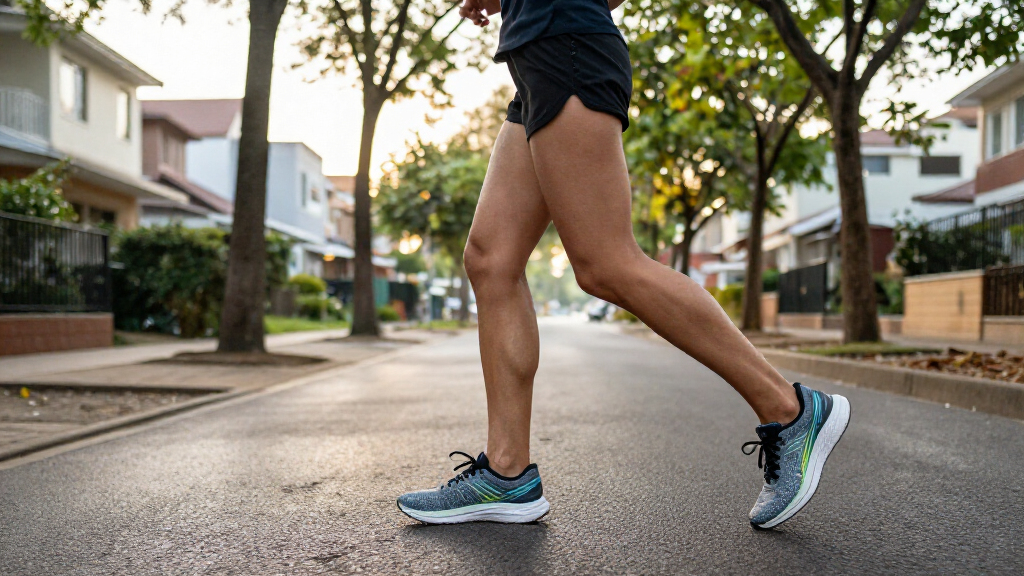
I ranked these shoes by how clearly their stated design serves a runner’s actual needs: cushioning for daily miles, propulsion for faster running, practical versatility, and the usefulness of the product information available. A plated racing shoe can rank highly for speed while still being a poor match for beginners or easy runs; I weighed that specialization against comfort and everyday usability. I also considered whether a shoe’s smart or adaptive claims point to identifiable technology. None of the supplied product names establishes app connectivity, sensors, or run-data tracking, so I treat “smart” here as a cushioning and support theme rather than a verified connected-shoe feature.
The ASICS GEL-NIMBUS 28 ranks first for broad comfort appeal, followed by the more speed-oriented Saucony Endorphin Pro 4 and the similarly specialized New Balance FuelCell Supercomp Elite V5. The Brooks Launch 10 earns a place for straightforward training versatility. The PEAK Taichi King may suit mixed activities, but its product name leaves more questions about how its adaptive support works. The casual sneaker and unbranded carbon plate option rank lower because their descriptions provide fewer concrete details for comparing running fit and performance.
| smart running shoe | Sole material | Outer material | Intended use | Upper |
|---|---|---|---|---|
| Saucony Men’s Endorphin Pro 4 | Rubber | Mesh, knit | Racing and fast training runs | — |
| Brooks Men’s Launch 10 Neutral | Rubber | Canvas | Workouts and races | — |
| New Balance Men’s FuelCell Sup | Rubber | Mesh | — | FantomFit bonded support |
| Running Shoes for Men Lightwei | Ethylene vinyl acetate (EVA) | Fabric | Walking, casual wear, and workouts | — |
| ASICS Men’s GEL-NIMBUS 28 Runn | Rubber | Polyurethane (PU) | — | Engineered knit |
| Unisex Carbon Plate Running Sh | Rubber | — | Road running, workouts, and everyday wear | Mesh |
| PEAK Men’s Comfortable Running | Ethylene Vinyl Acetate | — | — | Fabric |
Factors to Consider When Choosing Smart Running Shoes
Choosing a smart running shoe starts with what you mean by “smart”: a shoe that feels adaptive underfoot, or one that measures your run and connects to an app. The names in this roundup mostly describe cushioning, plates, and training use, so check the actual product listing for electronics before expecting tracking features. These broader checks can help prevent a mismatch even when two shoes sound similar.
Decide Whether You Need Connected Features
“Smart” can refer to adaptive cushioning, built-in sensors, or app-linked coaching, and these are not interchangeable. Before buying, look for explicit details about what is measured, how the data reaches your phone, and whether the shoe needs charging. If the listing only mentions cushioning or support, treat it as a conventional shoe with a design claim rather than a tracking device. Many runners already get pace and distance from a watch or phone, so shoe electronics may add little. Choose based on a specific data need, such as stride feedback, rather than the label alone.
Match Cushioning to Your Training
Soft cushioning can make easy miles feel more comfortable, but more softness is not automatically better for every runner or pace. A highly cushioned shoe may feel bulky during intervals, while a firmer, more responsive ride can feel less forgiving on long recovery runs. Think about the runs that make up most of your week, not only your fastest session. If you rotate shoes, reserve a specialized pair for the workouts it serves best. When choosing a single pair, favor a ride that remains comfortable across your typical distances and speeds.
Treat Carbon Plates as a Specific Tool
A carbon plate usually signals a shoe built around forward propulsion and faster running, not a universal upgrade. Plate stiffness and geometry can feel unfamiliar, especially when jogging slowly or turning sharply. Newer runners may gain more from a comfortable, stable fit and gradual training than from a race-oriented design. Avoid choosing a plated shoe solely because the material sounds advanced. If possible, try it at the pace and distance where you plan to use it, and keep a more relaxed pair for easy days.
Check Fit at the Distance You Run
A shoe that feels fine while standing can become uncomfortable after your feet swell during a run. Leave enough room at the toes, check that the heel stays secure, and notice whether the midfoot feels constricted. Try shoes later in the day or after activity, when your feet may be closer to their running size. Do not assume that two shoes in the same labeled size will fit alike; shape and upper materials vary. For unfamiliar or sparsely described models, confirm the return policy before relying on a brief indoor try-on.
Separate Running Shoes from Crossover Sneakers
Descriptions that emphasize walking, tennis, gym use, or casual wear may indicate a broader-purpose shoe rather than a dedicated road-running design. That versatility can be useful if you want one pair for errands and light exercise, but it may come with compromises in running-specific fit, grip, or ride. Consider the surface and movement you do most often: repeated road miles place different demands on a shoe than gym sessions or short walks. Look for clear details about the outsole and intended running use. If your training is mostly running, prioritize that fit over a longer list of activities.
Read Adaptive Support Claims Carefully
Terms such as adaptive cushioning and supportive fit can describe a feel, but they do not tell you how a shoe responds or what problem it addresses. Seek a clear explanation of the cushioning material, support structure, and any fitting guidance. Avoid treating a broad support claim as a substitute for comfort during movement. Runners with recurring pain or a specific fit concern can benefit from an in-person fitting and advice from a qualified clinician. The right shoe should feel secure and comfortable for your own stride, rather than promising to correct every issue.
Frequently Asked Questions
Do any of these shoes track my runs or connect to an app?
The product names provided do not confirm built-in sensors, GPS, or app connectivity for any of the seven shoes. In this lineup, “smart” is better read as a reference to cushioning or support unless a seller lists specific electronics and explains how they work. Check whether tracking requires a phone, watch, or separate subscription before buying. If your main goal is pace or distance data, a running watch or phone app may already cover it. Do not rely on the word “smart” alone as proof of connected features.
Should I choose a carbon plate shoe for everyday training?
A carbon plate shoe can suit faster workouts or race efforts, but its stiff, propulsive feel may be less comfortable at easy pace. The Saucony Endorphin Pro 4 and New Balance FuelCell Supercomp Elite V5 are the clear performance-oriented options in this group. For most weekly miles, a more relaxed daily trainer may feel easier to use and more versatile. Consider how often you run fast and whether you already have a comfortable shoe for easy days. If you are new to plated shoes, try them in a shorter session before using them for a long run.
Which option makes the most sense if I am new to running?
A beginner often benefits more from a comfortable, predictable fit than from a race-focused plate or a broad smart-support claim. The ASICS GEL-NIMBUS 28 is the comfort-first choice here, while the Brooks Launch 10 offers a simpler training option. Fit still matters more than the model name, so try both if available and walk or jog in them before committing. Start with manageable distances and increase training gradually; a shoe cannot replace that progression. If neither feels secure and comfortable, keep looking rather than choosing by reputation alone.
Can I use the PEAK Taichi King for both running and gym workouts?
Its product name presents it as a crossover option for walking, tennis, fitness, and gym use, alongside adaptive cushioning claims. That makes it worth considering for mixed, general activity, but the description does not establish how well it handles repeated road miles. Check for details about outsole grip, running fit, and the kind of support the shoe provides. If running is your main activity, compare its ride with a dedicated running model before deciding. If your use is varied and mostly low intensity, the broader stated purpose may be a better fit.
How should I judge a shoe with a generic product name and few details?
Look beyond a broad label such as “lightweight” or “carbon plate” and search for concrete information about fit, outsole, upper construction, and intended running distance. A sparse description makes it harder to tell whether a shoe is built for road running, casual wear, or occasional workouts. Verify the seller’s sizing guidance and return terms, then try the shoe indoors first if returns allow it. Do not assume a plate guarantees a race-ready ride or that a low weight guarantees comfort. When the details remain unclear, a better-documented model is easier to evaluate.
Conclusion
For the broadest comfort-focused recommendation, I would start with the ASICS GEL-NIMBUS 28; it is my best overall pick for runners who want cushioning for regular miles. The Brooks Launch 10 is my best value-style choice for someone seeking a straightforward training shoe, while the Saucony Endorphin Pro 4 is the best premium-style pick for faster efforts and race-day use. Beginners should compare the ASICS and Brooks by fit and comfort, rather than choosing a plated shoe for its technology alone. For mixed walking and gym use, the PEAK Taichi King is the lineup’s crossover option; for a carbon-plate focus, consider the New Balance or Saucony after checking fit and intended use. None of these product names confirms app-connected tracking, so verify that separately if run data is your main reason for shopping.