

“Comfortably hard” is when you’re pushing enough to challenge your breathing and muscles without feeling completely out of breath. You should breathe steadily, but talking in full sentences becomes difficult. Your heart rate is raised but sustainable, and you feel your muscles working. It’s a pace that pushes your limits just enough to build endurance, without causing burnout. Keep listening to your body signals, and you’ll discover how to stay in this zone more easily.
Key Takeaways
- It’s a pace where talking in full sentences is difficult but not impossible.
- Breathing becomes deeper and rhythmic, indicating moderate effort.
- Muscles feel engaged, and breathing feels labored yet controlled.
- Heart rate is elevated but sustainable for longer periods.
- Recognizing this zone helps build endurance without overexertion.

If you’re new to running, you’ve probably heard the term “comfortably hard” used to describe a certain effort level, but what does it really mean? It’s a phrase many runners toss around, but understanding it can make a big difference in how you approach your runs. Essentially, a comfortably hard effort is one where you’re working hard enough that talking in full sentences becomes difficult, but you’re not completely out of breath. It’s a sweet spot that helps you push yourself without overexerting, and it’s closely tied to your running pace and breathing techniques.
Your running pace during a comfortably hard effort is faster than your easy jog but not so intense that you’re sprinting. Think of a pace where, if someone asked you to hold a conversation, you’d struggle to respond in full sentences. You might find yourself gasping for air or taking quick, shallow breaths. Your breathing techniques come into play here—your breath should be deep, rhythmic, and controlled, rather than rapid and shallow. Focusing on steady, diaphragmatic breathing can help you maintain this effort longer and prevent you from becoming overly winded too quickly. Developing an awareness of your perceived exertion can further help in maintaining the right effort level, as it encourages tuning into your body’s signals instead of relying solely on external cues.
A comfortably hard pace is faster than easy jogging, with deep, rhythmic breathing and challenging conversation but manageable effort.
In practical terms, when you hit that comfortably hard zone, your body starts to feel the effort in your muscles, and your breathing becomes a little more labored. You’ll notice that you’re no longer able to talk easily, but you’re not gasping for air either. It’s a state where your heart rate is elevated, yet sustainable. If you’ve experienced that feeling of being just on the edge of exhaustion but still able to keep going, you’ve likely found your comfortably hard effort. It’s especially useful for interval training or building endurance because it pushes your aerobic system without risking burnout. Recognizing the body’s response during this effort can help you better tune into what your body needs.
Additionally, staying mindful of your breathing techniques can help you stay in this zone longer, especially as you build stamina. To find this zone, pay attention to how you breathe and your running pace. Use breathing techniques—like inhaling deeply through your nose and exhaling through your mouth—to stay calm and controlled. Adjust your pace accordingly if you notice yourself getting too breathless or too easy. As your fitness improves, what once felt comfortably hard will become easier, and you’ll learn to fine-tune your effort level more precisely. With consistent practice, you can also become more attuned to your body’s signals, making it easier to gauge your effort without constantly checking your watch. Understanding how your body’s responses change with increased fitness can help you progress more effectively. Mastering this effort level is key to making progress in your running and building confidence in your ability to sustain challenging, yet manageable, effort for longer periods.
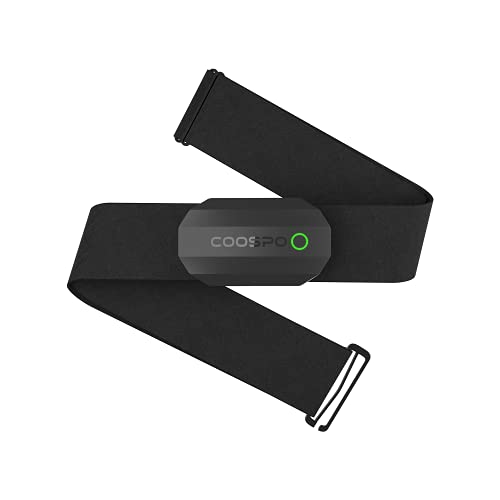
COOSPO Bluetooth Heart Rate Monitor Chest Strap H808S, ANT+ BLE HR Monitor Chest, HRM IP67 Waterproof, Use for Running Cycling Gym and Other Sports
- High-Precision Heart Rate Monitoring: ±1 BPM accuracy for real-time data
- Dual Wireless Connectivity: Bluetooth 4.0 & ANT+ support
- Wide Device Compatibility: Works with various fitness apps and devices
As an affiliate, we earn on qualifying purchases.
As an affiliate, we earn on qualifying purchases.
Frequently Asked Questions
How Can I Tell if I’M Pushing Too Hard or Not Enough?
You can tell if you’re pushing too hard or not enough by paying attention to your breathing techniques and mental focus. If your breathing becomes rapid or labored, you’re likely overexerting yourself. Conversely, if you feel relaxed and maintain steady breathing, you’re probably training at the right intensity. Staying mentally focused helps you gauge your effort, ensuring you stay in that ‘comfortably hard’ zone without risking burnout.
Does the ‘Comfortably Hard’ Pace Vary by Individual Fitness Level?
Think of your pace perception as a personalized trail, winding through different terrains. Your ‘comfortably hard’ pace varies with your fitness adaptation, much like how a trail becomes easier as you climb and strengthen. As you progress, you’ll notice this pace shifts, feeling more natural and sustainable. Your fitness level shapes this experience, making the ‘comfortably hard’ feel uniquely yours—challenging yet achievable, guiding your growth with each run.
How Long Should I Maintain a ‘Comfortably Hard’ Pace During Training?
You should maintain a ‘comfortably hard’ pace for about 20 to 30 minutes during training, depending on your fitness level. Use pacing strategies like monitoring your breathing—your breathing should be deep but controlled—and avoid holding your breath. Focus on staying consistent with your effort, and listen to your body to prevent overexertion. This helps improve endurance while keeping the workout challenging yet manageable.
Can ‘Comfortably Hard’ Effort Help Improve My Race Times?
Yes, running at a ‘comfortably hard’ effort can improve your race times by boosting endurance and speed. To maximize benefits, focus on proper breathing techniques—deep, rhythmic breaths—to stay steady. Also, practice hydration strategies to prevent fatigue and maintain performance during these runs. Incorporating these elements helps you sustain that effort comfortably, ultimately making you faster and more efficient in races.
How Do I Recover After Running at a ‘Comfortably Hard’ Intensity?
After running at a ‘comfortably hard’ intensity, you should prioritize proper recovery. Focus on nutrition strategies like replenishing carbs and protein to repair muscles and rehydrate. Use mental focus techniques, such as deep breathing or visualization, to relax your mind. Cool down with gentle stretching to prevent stiffness. Rest is essential, so give your body time to recover and avoid overtraining, ensuring you’re ready for your next workout.
Conclusion
Once you get the hang of the ‘comfortably hard’ feeling, running becomes your trusted sidekick in conquering new challenges. Remember, this sensation is like a fiery but manageable dragon — fierce yet controlled — helping you grow stronger with each stride. Embrace it, and watch your endurance skyrocket faster than a rocket shooting through the stratosphere. Before long, you’ll be cruising through runs with confidence, feeling unstoppable, and ready to take on any distance that comes your way.