To fit a hydration vest over your spring layers, start by adjusting the straps for a snug fit that prevents bouncing. Make sure it accommodates your layers without feeling tight. Test the accessibility of hydration sources, confirming bottles don’t shift during movement. Pay attention to comfort and even weight distribution across your back. As the weather changes, reassess your fit regularly for peak performance. There’s more to enhance your experience, so keep going for further insights.

Get workout gear delivered free — and shop member deals
- Fast, free delivery on millions of items
- Access to Prime Big Deal Days deals on October 6–7
- Prime Video, Amazon Music and more included
Key Takeaways
- Adjust the vest straps to accommodate different layers, ensuring a snug fit without shifting during movement.
- Choose lightweight, breathable materials for layers to minimize bulk under the vest.
- Reassess the vest’s fit after adding or removing layers to maintain comfort and stability.
- Practice accessing hydration sources while wearing layers to ensure convenience during runs.
- Monitor how the vest interacts with layers, adjusting positioning to avoid discomfort or pressure points.

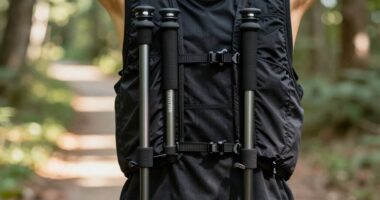
When you put on the vest, adjust the straps to guarantee a snug fit. The vest shouldn’t bounce or shift while you run. Check that it sits comfortably against your back, with the weight distributed evenly. If you feel any pressure points or rubbing, you may need to reconsider your layering techniques. Remember, your vest should enhance your run, not hinder it. Incorporating home exercise equipment can help strengthen your core and improve overall stability, which can contribute to a better fit and comfort when wearing your hydration vest. Proper layering techniques are essential to ensure the vest fits well and remains comfortable as you transition through changing layers. After you’ve secured the vest, take a moment to practice reaching for your hydration source. If you’re using a bladder, make sure the hose is easily accessible. For bottle packs, confirm the bottles fit snugly in their pockets but are still easy to pull out. This accessibility is vital when you’re on the move. Additionally, paying attention to proper fit adjustments can prevent discomfort during your run. To further optimize comfort, consider how clothing materials interact with the vest and your skin. Maintaining a consistent hydration schedule can also help you stay comfortable and prevent dehydration throughout your activity. Lastly, consider the weather. As spring can be unpredictable, you might need to adjust your layers throughout your run. If the sun comes out and temperatures rise, you may want to shed that insulating layer. In this case, double-check the hydration vest’s fit again after you’ve removed a layer. A well-fitted hydration vest will adapt to your changing attire, allowing you to focus on enjoying your run without worrying about discomfort or dehydration.
hydration vest with adjustable straps
As an affiliate, we earn on qualifying purchases.
As an affiliate, we earn on qualifying purchases.
Frequently Asked Questions
What Materials Are Best for Spring Layering With a Hydration Vest?
For spring layering with a hydration vest, focus on lightweight, breathable fabrics like merino wool, polyester, or nylon. These spring fabrics wick moisture and keep you comfortable during varying temperatures. Use layering techniques like starting with a fitted base layer, adding a lightweight long-sleeve shirt, and finishing with a windbreaker. This way, you can easily adjust your layers for warmth or ventilation while staying hydrated on the go. Happy spring adventures!
How Do I Clean My Hydration Vest After Use?
To clean your hydration vest after use, start by rinsing it with warm water to remove any residue. Use mild soap and a soft sponge for deeper cleaning, focusing on the bladder and tubes. For maintenance tips, air dry the vest completely before storing it to prevent mold. Avoid harsh chemicals and don’t machine wash—this preserves the materials. Regular cleaning keeps your gear fresh and ready for your next adventure!
Can I Use a Hydration Vest for Cycling?
Absolutely, you can use a hydration vest for cycling! These vests offer great benefits, like keeping your hands free while you ride and distributing weight evenly. With cycling hydration, you stay properly hydrated without fumbling for a water bottle. Just make sure your vest fits comfortably, allowing for movement but not too loose. Enjoy your ride while staying refreshed and focused—hydration’s key to performance!
What Should I Pack in My Hydration Vest Pockets?
What’s more essential than staying hydrated during your adventure? In your hydration vest pockets, pack your hydration essentials: energy gels, snacks, a small first-aid kit, and your phone. Organizing these items effectively will save you time—imagine reaching for a snack without fumbling around! Keep heavier items in the back pockets and lighter ones up front for easy access. With smart pocket organization, you’ll enjoy your journey even more.
How Do I Adjust My Hydration Vest for a Snug Fit?
To adjust your hydration vest for a snug fit, start by loosening all straps. Put on the vest and tighten the shoulder straps until they feel secure but not restrictive. Next, adjust the side and waist straps to eliminate any excess movement. Use hydration pack adjustments to guarantee the bladder sits comfortably against your back. Finally, check that everything is balanced, allowing for easy movement while keeping the vest snug and stable.
Conclusion
Just like a chameleon adapts to its surroundings, you can master the art of layering with your hydration vest. As the spring sun warms and the breeze shifts, embrace the flexibility of your gear. Adjust those straps, tuck in those layers, and let each run feel as effortless as a leaf dancing in the wind. With the right fit, you’ll not only stay hydrated but also glide through the season, ready for whatever nature throws your way.
Fall Picks
fall essentials
As an affiliate, we earn on qualifying purchases.