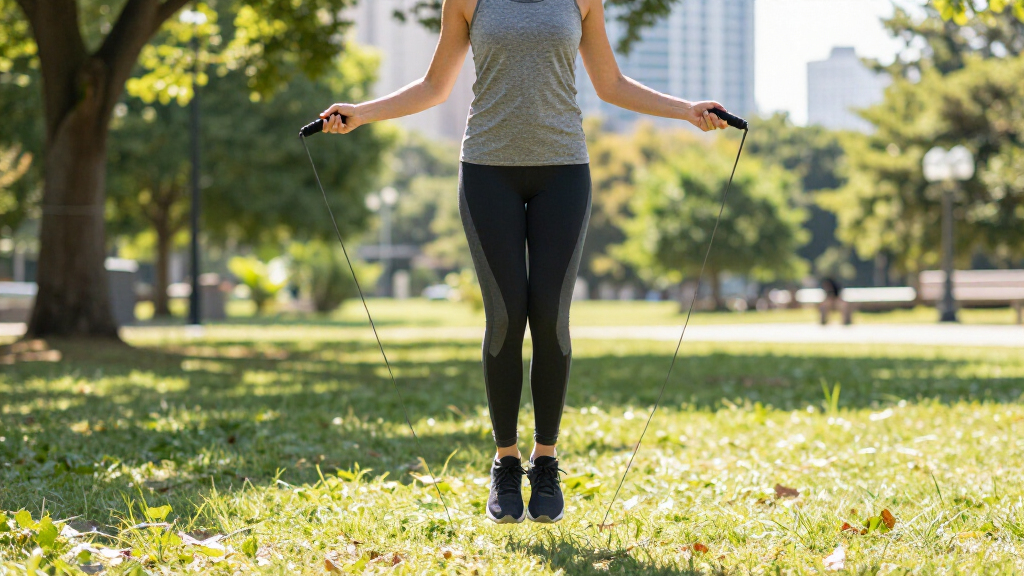

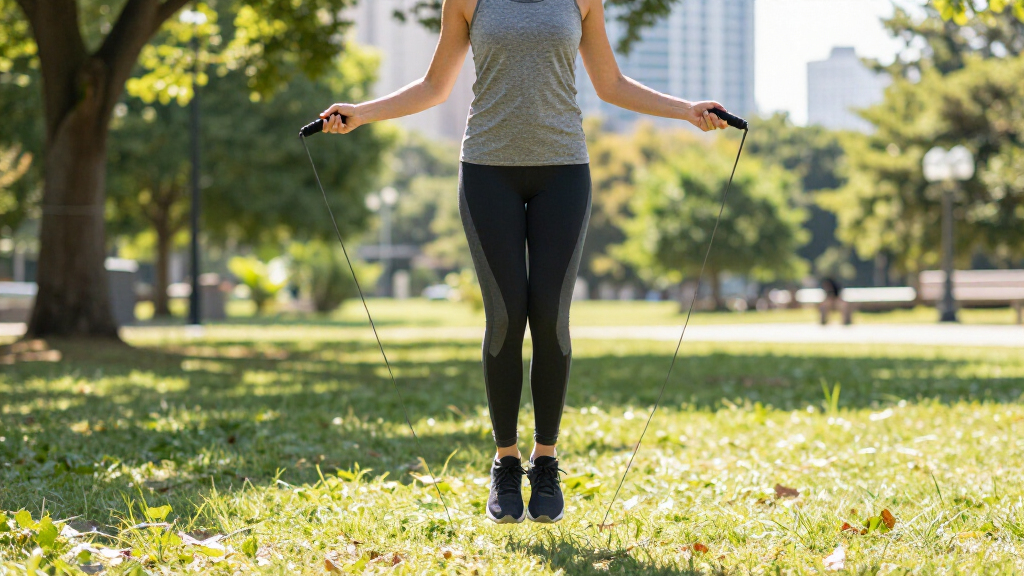
Shopping for compact jump ropes for cardio means balancing three things: portability, rotation quality, and how much you’re willing to spend. After comparing eight popular options, the SPORTBIT Adjustable Jump Rope stands out as the best overall pick thanks to its smooth ball-bearing rotation, tangle-resistant design, and easy length adjustment. For buyers on a tight budget, the Pack of 10 PVC Jump Ropes delivers unbeatable value per rope, while the Redify Wireless Cordless Jump Rope solves the low-ceiling problem entirely with its rope-free design. The main tradeoff in this category is durability and spin feel — cheap PVC ropes kink and slow you down, while premium beaded and steel-cable options cost more. Read on for the full breakdown of which rope earns its spot in your gym bag.
Complete the kit


Key Takeaways
- Ball bearings made the single biggest difference in this comparison — ropes with them (SPORTBIT, BOOMIBOO, Junkin, the steel-cable model) rotated smoothly at speed, while plain PVC ropes like the Elite Jumps 6mm required more wrist effort.
- Bulk packs aren’t just for gyms: the Pack of 10 and Junkin multi-packs work out cheaper per rope than any single purchase, making them the smart play for families or group workouts.
- The cordless Redify is the only option here usable in apartments, hotel rooms, or low-ceiling basements — but it sacrifices the timing feedback a real rope provides.
- Cable thickness creates a real cardio tradeoff: the Elite Jumps Core 5mm spins faster and is lighter, while the 6mm version is more durable and easier for beginners to feel.
- Tangle resistance separated the mid-tier from the budget tier — memory-coiled ropes that kink straight out of the box frustrated more than their low price justified.
| Pack of 10 PVC Jump Ropes for Cardio Fitness, Adjustable 9 Feet |  | Best for Families and Group Training | Material: PVC | Handle Material: Polypropylene plastic | Length: Adjustable up to 9 feet | VIEW LATEST PRICE | See Our Full Breakdown |
| Junkin Jump Ropes Bulk for Fitness with Ball Bearings |  | Best Overall | Length: 9 feet (adjustable) | Cable Material: Braided steel wire with PVC coating | Handle Material: Foam | VIEW LATEST PRICE | See Our Full Breakdown |
| Jump Rope with Ball Bearings, Adjustable Steel Cable, Foam Handles for Fitness & Workout |  | Best Value Single Rope | Cable Material: Steel wire with PVC coating | Bearings: Ball bearings | Handle Material: Foam with moisture-wicking properties | VIEW LATEST PRICE | See Our Full Breakdown |
| Redify Wireless Cordless Jump Rope for Fitness, Adjustable, Suitable for All Ages and Levels |  | Best for Small Spaces | Total Weight: 0.7 pounds | Handle Material: PP + EVA foam | Handle Weights: 80g weighted blocks each | VIEW LATEST PRICE | See Our Full Breakdown |
| Elite Jumps 6mm PVC Jump Rope, Adjustable Skipping Rope |  | Best for Beginners | Material: PVC | Cord Diameter: 6mm | Length: 10 feet | VIEW LATEST PRICE | See Our Full Breakdown |
| SPORTBIT Adjustable Jump Rope for Fitness and Exercise |  | Best for Beginners | Length: 118 inches | Adjustable: Yes | Material: Lightweight durable cable | VIEW LATEST PRICE | See Our Full Breakdown |
| BOOMIBOO Adjustable Jump Rope, Tangle-Free Speed Rope with Ball Bearings |  | Best Value Pick | Material: Steel wires with PVC coating | Length: 9.2 feet, adjustable | Handle: Foam, non-slip, moisture-wicking | VIEW LATEST PRICE | See Our Full Breakdown |
| Elite Jumps Core 5mm PVC Adjustable Skipping Rope |  | Best for Travel and Outdoor Workouts | Material: PVC with inner string core | Handle Material: Plastic | Cord Diameter: 5mm | VIEW LATEST PRICE | See Our Full Breakdown |
| compact jump ropes for cardio | Length | Material | Handle Material | Adjustable |
|---|---|---|---|---|
| Pack of 10 PVC Jump Ropes for | Adjustable up to 9 feet | PVC | Polypropylene plastic | Yes |
| Junkin Jump Ropes Bulk for Fit | 9 feet (adjustable) | — | Foam | Yes |
| Jump Rope with Ball Bearings | — | — | Foam with moisture-wicking properties | — |
| Redify Wireless Cordless Jump | — | — | PP + EVA foam | Yes |
| Elite Jumps 6mm PVC Jump Rope | 10 feet | PVC | — | Yes (snap-lock ends) |
| SPORTBIT Adjustable Jump Rope | 118 inches | Lightweight durable cable | — | Yes |
| BOOMIBOO Adjustable Jump Rope | 9.2 feet, adjustable | Steel wires with PVC coating | — | — |
| Elite Jumps Core 5mm PVC Adjus | Adjustable up to 10 feet | PVC with inner string core | Plastic | — |
More Details on Our Top Picks
Pack of 10 PVC Jump Ropes for Cardio Fitness, Adjustable 9 Feet
Most jump rope buyers need one rope; this set assumes you need ten. That makes it a niche but genuinely useful pick for households with multiple kids, coaches running classes, or anyone stocking a home gym for the whole family. Each rope adjusts up to 9 feet, so height differences across users aren’t a problem.
What you give up is refinement. Unlike the Junkin bulk set with ball bearings, these ropes use basic polypropylene handles and plain PVC cords, so rotation is slower and less consistent — fine for steady cardio, frustrating for speed work. Compared with the Elite Jumps 6mm PVC Rope, the cord here is thinner and lighter, which suits casual jumping but reduces feedback for serious training. For sheer value per rope, though, nothing else in this lineup comes close.
Pros:- Ten ropes at an extremely low per-unit cost
- Adjustable up to 9 feet for users of different heights
- Lightweight and easy to toss in a bag or car
- Color variety helps assign ropes to specific people
Cons:- No ball bearing system, so rotation is slower and can catch
- Thin PVC cord with no listed weight or thickness gives little feedback for technique work
Best for: Families, PE teachers, and group fitness leaders who need multiple ropes at a low per-unit price
Not ideal for: Solo buyers focused on speed or double-unders — one ball-bearing rope like the Junkin set will serve them better than ten basic ones
- Material:PVC
- Handle Material:Polypropylene plastic
- Length:Adjustable up to 9 feet
- Number of Ropes:10
- Adjustable:Yes
- Use Case:Group and family cardio fitness
Our verdict“Buy this only if you’re equipping several people at once; solo cardio jumpers should spend the same money on one better-engineered rope.”
Junkin Jump Ropes Bulk for Fitness with Ball Bearings
This is the pick I’d point most cardio buyers toward first, because it nails the balance the others trade away. The ball bearing system keeps the steel wire cable turning smoothly through long sessions, while the PVC-coated braided steel cord holds its arc far better than the plain PVC in the 10-pack — meaning fewer tangles and more consistent rhythm when your heart rate is the goal.
Compared with the Jump Rope with Ball Bearings (B09DF9NWC7), this one comes in a bulk format, which is odd for a performance rope, but it does lower the cost and gives you spares. The tradeoff: foam handles degrade with sweat over time, and you’ll need to set the length carefully on first use, since a badly crimped steel cable can kink. Once dialed in, it’s the smoothest all-around jumper here.
Pros:- Ball bearings deliver smooth, stable rotation for uninterrupted cardio sets
- Braided steel wire with PVC coating resists kinking and tangling
- Foam handles absorb sweat and stay grippy during hard sessions
- Adjustable 9-foot length fits most heights
Cons:- Foam handles wear down with heavy, sweaty use
- Steel cable needs careful initial length adjustment and can kink if done poorly
Best for: Regular cardio jumpers who want smooth, fast rotation at a reasonable price and don’t want to fuss with their equipment
Not ideal for: Raw beginners who jump slowly and occasionally — the steel cable stings badly on misses and costs more than a basic PVC rope
- Length:9 feet (adjustable)
- Cable Material:Braided steel wire with PVC coating
- Handle Material:Foam
- Bearings:Ball bearing system
- Weight:Lightweight
- Adjustable:Yes
Our verdict“The most well-rounded rope in this roundup for consistent cardio training — smooth, durable, and priced fairly for what it delivers.”
Jump Rope with Ball Bearings, Adjustable Steel Cable, Foam Handles for Fitness & Workout
If the Junkin bulk set is overkill, this single rope covers the same performance basics for less total spend. You still get ball bearings, a PVC-coated steel cable, and moisture-wicking foam handles — the three things that actually matter for steady cardio — without paying for ropes you’ll never use.
Where it falls short of the Junkin is consistency: this model has less documented detail on cable construction, and the steel cable runs heavy, which builds shoulder endurance but fatigues beginners faster than a light PVC rope like the 10-pack option. The moisture-wicking handles are a genuine edge over plain plastic grips on a humid day. Compared with the Redify cordless rope, this demands real ceiling clearance and space, but rewards you with actual rope timing and coordination work. For a budget solo cardio rope, it’s the smartest spend here.
Pros:- Ball bearings give tangle-free, consistent rotation
- Adjustable length fits the whole household on one rope
- Moisture-wicking foam handles resist slippage during sweaty sessions
Cons:- Steel cable feels heavy and tires shoulders during long beginner sessions
- Requires careful initial length adjustment to jump well
Best for: Budget-conscious solo buyers who want bearing-smooth rotation and durability without paying for extras
Not ideal for: Anyone with limited indoor space or low ceilings — the heavy steel cable needs room and punishes misses
- Cable Material:Steel wire with PVC coating
- Bearings:Ball bearings
- Handle Material:Foam with moisture-wicking properties
- Adjustable Length:Yes
- Tangle-Free:Yes
- Use Case:Home cardio, stamina, weight loss
Our verdict“The best value single rope in this lineup — buy it if you want 90% of the premium experience at a budget price.”
Redify Wireless Cordless Jump Rope for Fitness, Adjustable, Suitable for All Ages and Levels
The whole point of a compact cardio rope is portability, and the Redify takes that to its logical extreme: there’s no rope to trip over at all. Weighted handles with 80g blocks and a short silicone ball simulate the jumping motion, so you get the cardio stimulus in an apartment, a hotel room, or beside sleeping kids — places where every corded option here, including the Junkin and the Elite Jumps 6mm, would be impractical or dangerous.
The tradeoff is real, though. Because nothing arcs over your head, you lose the timing and coordination training that makes rope jumping distinct from plain jumping jacks. The weighted handles also fatigue forearms faster than expected, which some users will love as bonus resistance and others will find exhausting. At 0.7 pounds total, it’s the most packable option in the roundup, and the safest choice for kids — just know you’re buying convenience, not rope skills.
Pros:- Completely tangle-free and safe in cramped indoor spaces
- Weighted 80g handle blocks add upper-body resistance
- Lightweight at 0.7 pounds — the most travel-friendly pick here
- Safe enough for children and shared rooms
Cons:- No actual rope, so timing and coordination carryover is minimal
- Long-term durability of the ball-and-handle system is not well documented
Best for: Apartment dwellers, frequent travelers, and parents who need a tangle-free, tripping-proof cardio option in tight quarters
Not ideal for: Athletes training actual rope skills, double-unders, or boxing footwork — no cord means no real timing practice
- Total Weight:0.7 pounds
- Handle Material:PP + EVA foam
- Handle Weights:80g weighted blocks each
- Ball Material:Silicone
- Cordless:Yes
- Adjustable:Yes
Our verdict“Buy it for space-constrained cardio, skip it if rope skill is part of your training goal.”
Elite Jumps 6mm PVC Jump Rope, Adjustable Skipping Rope
A 6mm PVC cord strikes the sweet spot a lot of ropes miss: thick enough to hold its arc and give feedback on every miss, forgiving enough that a whip across the shins doesn’t ruin your session. That makes this the easiest rope in the lineup to learn on — steel cable models like the Junkin or the ball-bearing single rope punish beginners with stinging misses and unforgiving speed.
The snap-lock ends are smarter than the cut-and-crimp adjustment on steel ropes, letting you shorten the 10-foot cord and re-lengthen it later — useful in a shared household. The flip side: that thick cord struggles at high speeds, so once you progress to double-unders, the Junkin pulls ahead. Compared with the thinner-corded 10-pack, this rope gives far better feel for the same material. The 5-inch handles are longer than some prefer, but they aid grip for bigger hands.
Pros:- 6mm PVC cord holds its shape and gives clear feedback on timing errors
- Snap-lock ends allow quick, reversible length adjustment
- 10-foot length accommodates tall users often ignored by standard ropes
- Durable enough for both indoor and outdoor surfaces
Cons:- Thick cord slows rotation and limits high-speed technique work
- 5-inch handles feel long for small hands
Best for: Beginners and casual cardio jumpers who want forgiving feedback and easy, reversible length adjustment
Not ideal for: Speed jumpers and advanced athletes chasing double-unders — the thick cord drags at high tempo
- Material:PVC
- Cord Diameter:6mm
- Length:10 feet
- Handle Length:5 inches
- Adjustable:Yes (snap-lock ends)
- Suitable For:Beginners through advanced athletes
Our verdict“The friendliest learning rope in this roundup — ideal for your first months of cardio jumping, and worth replacing once you outgrow its speed.”
SPORTBIT Adjustable Jump Rope for Fitness and Exercise
Sportbit earns the beginner slot because it removes the two things that frustrate new jumpers most: tangled cables and punishing weight. The lightweight cord spins smoothly through its bearings, which matters when you’re still learning timing — a heavier steel cable like the BOOMIBOO’s punishes every misstep with a stinging shank. Compared to the Elite Jumps Core, this rope feels less rugged and won’t hold up to daily outdoor abuse on rough pavement, but that softness is exactly what newcomers need while footwork is still erratic. The tradeoff is permanence: resizing requires scissors, so a first-time adjustment is a one-way door. That’s fine for solo users, but a shared household with different heights would be better served by the bulk multi-pack options in this guide.
Pros:- Lightweight cord is forgiving on missteps, ideal for learning
- Smooth rotation bearings support faster spins as skill improves
- Adjustable length fits most heights
- Versatile enough for cardio, boxing, and HIIT routines
Cons:- Adjustment requires cutting with scissors, making it a permanent change
- No steel core, so it’s less durable for advanced speed work or outdoor surfaces
Best for: New jumpers and casual home-cardio users who want a forgiving, low-sting rope for their first few months of training
Not ideal for: Shared families or group classes — the cut-to-fit adjustment means the rope can’t easily be resized between users of different heights
- Length:118 inches
- Adjustable:Yes
- Material:Lightweight durable cable
- Handles:Comfortable grip handles
- Bearings:Smooth rotation bearings
- Suitable for:Men and women, all fitness levels
Our verdict“Buy this if you’re starting a jump rope habit and want gentle, tangle-resistant practice before committing to a steel-cable speed rope.”
BOOMIBOO Adjustable Jump Rope, Tangle-Free Speed Rope with Ball Bearings
For the price of a coffee, the BOOMIBOO delivers the performance features that usually cost more: ball bearings for fast, tangle-free spins and a PVC-coated steel cable that slices through the air noticeably faster than the Sportbit’s lightweight cord. The foam handles wick sweat better than the Elite Jumps Core’s bare plastic, which gets slick during long sessions. This is the pick for buyers who want genuine speed-rope performance on a budget. The tradeoff is the same one-wire problem: trimming for a fast, short cable means cutting, and the raw steel end can fray over time if not capped carefully. Compared with the single-purpose ropes here, its all-ages sizing makes it the strongest value per dollar, but serious freestyle jumpers will still outgrow it.
Pros:- Ball bearings deliver fast, smooth, tangle-free rotation
- PVC-coated steel cable is durable and built for speed
- Moisture-wicking foam handles stay grippy when sweating
- Adjustable up to 9.2 feet for kids and adults alike
Cons:- Excess rope must be cut for fast jumping, a permanent adjustment
- Steel cable can sting sharply on misses, especially for beginners
Best for: Budget-minded buyers and intermediate jumpers who want steel-cable speed and bearing smoothness without paying premium prices
Not ideal for: Freestyle or trick-focused jumpers — the stiff steel cable holds loops and shapes poorly compared to PVC ropes like the Elite Jumps Core
- Material:Steel wires with PVC coating
- Length:9.2 feet, adjustable
- Handle:Foam, non-slip, moisture-wicking
- Ball Bearings:Yes
- Tangle-Free:Yes
- Suitable for:Women, men, and kids
Our verdict“The smartest spend in this roundup if you want to progress from casual skipping to real speed work without buying twice.”
Elite Jumps Core 5mm PVC Adjustable Skipping Rope
The Elite Jumps Core is built for environments that destroy cheaper ropes. Its weather-resistant PVC cord with an inner string core shrugs off rough concrete and damp morning sessions, where the BOOMIBOO’s steel cable can kink and the Sportbit’s soft cord frays quickly. The 5mm diameter and flexible PVC also make it the better freestyle tool — it drapes and turns predictably for criss-cross moves that stiff steel handles poorly. That flexibility does cap its top-end speed compared to bearing-driven cables, so pure sprint-interval jumpers should lean toward the BOOMIBOO instead. The bare plastic handles are the weak point: without foam, they slip during heavy sessions, which the BOOMIBOO solves with its moisture-wicking grips. Still, for a rope that lives in a gym bag, nothing here matches its toughness.
Pros:- Weather-resistant cord holds up on outdoor pavement
- Flexible 5mm PVC is ideal for freestyle and coordination drills
- Fits users up to 6’4″ tall
- Lightweight and packable for travel workouts
Cons:- Slippery bare plastic handles when hands get sweaty
- Requires cutting the cord for a perfect fit
- Slower top-end rotation than steel speed cables
Best for: Travelers, outdoor trainers, and freestyle-oriented jumpers who need a rope that survives pavement, weather, and backpacks
Not ideal for: Sprint-interval and double-under specialists — the flexible PVC cord is slower than bearing-driven steel cables at maximum pace
- Material:PVC with inner string core
- Handle Material:Plastic
- Cord Diameter:5mm
- Length:Adjustable up to 10 feet
- Weather Resistance:Yes
- Suitable for:All ages, up to 6’4″ tall
- Training Focus:Cardio, coordination, and skill work
Our verdict“The pick for anyone whose cardio happens on driveways, hotel rooms, or park trails and who values durability and freestyle flow over raw speed.”
How We Picked
I evaluated each rope through the lens of cardio-focused, space-constrained use: how it performs during sustained jumping sessions, how easily it packs into a bag, and how well it holds up to regular use. Rotation quality came first — a rope with smooth ball bearings keeps rhythm steady during high-cadence intervals, while a sticky pivot breaks your cadence and kills your heart-rate momentum. Adjustability was the second filter, since a rope you can’t resize to your height becomes useless or even a trip hazard. I also weighed handle comfort during sweaty sessions, tangle resistance when stored in a bag, and durability of the rope material itself.
Price-per-value calculations shaped the final ordering. Bulk packs earned high marks not because any single rope is exceptional, but because the cost per unit is so low that imperfections become forgivable. Premium single ropes had to justify their price with noticeably better spin and build. Products are ranked by how well they serve a cardio buyer who wants a dependable rope today, not a collector’s piece — which is why a mid-priced, well-engineered adjustable rope took the top spot over both the cheapest and the most specialized options.
| compact jump ropes for cardio | Material | Handle Material | Adjustable | Suitable For |
|---|---|---|---|---|
| Pack of 10 PVC Jump Ropes for | PVC | Polypropylene plastic | Yes | — |
| Junkin Jump Ropes Bulk for Fit | — | Foam | Yes | — |
| Jump Rope with Ball Bearings | — | Foam with moisture-wicking properties | — | — |
| Redify Wireless Cordless Jump | — | PP + EVA foam | Yes | — |
| Elite Jumps 6mm PVC Jump Rope | PVC | — | Yes (snap-lock ends) | Beginners through advanced athletes |
| SPORTBIT Adjustable Jump Rope | Lightweight durable cable | — | Yes | Men and women, all fitness levels |
| BOOMIBOO Adjustable Jump Rope | Steel wires with PVC coating | — | — | Women, men, and kids |
| Elite Jumps Core 5mm PVC Adjus | PVC with inner string core | Plastic | — | All ages, up to 6’4" tall |
Factors to Consider When Choosing Compact Jump Ropes For Cardio
Beyond the individual reviews, a few category-wide factors will shape whether your rope becomes a daily cardio tool or a drawer relic. Here’s what I’d think through before clicking buy.Bearing vs. Fixed Pivot: Why Spin Quality Matters
The biggest performance gap in this category isn’t the rope material — it’s what’s inside the handles. Ball-bearing handles let the rope rotate freely while your wrists stay relaxed, which matters enormously during 10-plus minute cardio sessions where forearm fatigue would otherwise cut your workout short. Fixed-pivot ropes force your wrists to whip the rope around, burning out smaller muscles before your heart rate even climbs into the target zone. A common mistake is buying the cheapest rope available, finding jumping exhausting, and blaming the exercise rather than the equipment. If cardio endurance is the goal, spend the extra few dollars on bearings. The difference shows up within the first two minutes of continuous jumping.
Cable Material and Thickness
PVC ropes are affordable, lightweight, and forgiving when they clip your shins — but thin ones develop kinks and memory coils from being stuffed in a gym bag. Steel cable handles abuse and holds speed better, but a mis-timed whip stings enough to break your concentration mid-set. Thickness shifts the experience too: a 5mm cable moves faster through the air for elevated heart rates, while a 6mm rope is slower, more visible in your peripheral vision, and easier to control while learning. Neither is objectively better — the question is whether your priority is intensity or control. Beware ropes that don’t state their thickness at all; that omission usually signals an inconsistent product.
Adjustability and Fit
A rope that’s too long forces wider arm circles and sloppy timing; too short and every jump becomes a near-miss. The standard rule is stepping on the rope’s midpoint and pulling the handles up to armpit or sternum height. Most ropes here adjust by cutting excess cable and re-securing it with a set screw, which is permanent — measure twice before trimming. Families sharing one rope should favor cut-to-fit designs over sliding adjusters, which can slip under repeated use. Also check whether extra cable can be tucked back into the handle; a dangling tail whipping past your hands every rotation is a small annoyance that compounds fast over hundreds of jumps.
Cordless Ropes: When They Make Sense
Cordless designs replace the rope with short weighted tethers, letting you jump anywhere without clearance concerns — apartments, offices, hotel rooms. For pure cardio, they genuinely work: your legs and heart don’t know the difference. What you lose is timing feedback. A real rope forces honest rhythm; if you slow down, it catches your feet. With a cordless model, it’s easy to unconsciously shorten your hops and drop the workout intensity without realizing it. They’re also a poor fit for anyone practicing skills like crossovers or double-unders. Treat cordless as a supplement or a ceiling-constraint workaround, not a full replacement, unless portability is your absolute top priority.
Bulk Packs vs. Single Ropes
Multi-packs look like a gym-owner product, but the math often favors households too. When a 10-pack costs less than two single ropes, buying one for yourself and spares for family members — or backups for when a rope inevitably gets left at a hotel — justifies itself. The catch is uniformity: bulk ropes are built to a price, so expect basic pivots and stiffer PVC that kinks if stored coiled tightly. My advice: buy bulk if ropes will be used casually or shared, but buy one quality single rope if you jump several times a week and care about spin feel. Mixing both approaches — a bulk pack for the household plus one premium rope for your own sessions — is often the smartest split.
Portability and Storage Habits
‘Compact’ is the point of this category, but ropes differ in how they behave when packed. Coil a PVC rope tightly and it remembers that shape, arriving at your next workout with kinks that wobble the arc mid-air. Ropes that ship with a carry pouch or handle-mounted storage avoid this problem, and hanging a rope loosely between sessions preserves its straightness far better than balling it up. Handle length also affects packability — shorter handles fit side pockets of a backpack, while bulky foam grips eat space. If travel is your main use case, weigh a rope’s packed behavior as heavily as its jumping performance, because a kinked rope in a hotel room is a cardio session abandoned.
Frequently Asked Questions
Is a cordless jump rope as effective as a regular rope for cardio?
From a pure heart-rate perspective, yes — your calves, quads, and cardiovascular system respond to the jumping motion regardless of whether a cable is spinning. Studies on simulated rope jumping show comparable calorie burn when effort levels are matched. The real weakness is accountability: without a physical rope catching your feet, most people unconsciously reduce jump height and cadence over a session, quietly lowering the intensity. If you use a cordless model like the Redify, count your jumps or use a timer to keep yourself honest. Competitive or skill-focused jumpers should stick with a real rope, since timing mechanics can’t be practiced without one.
What length should my jump rope be if I’m between sizes?
Stand on the middle of the rope and pull the handles upward — reaching your sternum is the sweet spot for most cardio work, with armpit height for beginners who want more margin for error. If you’re between sizes, go slightly longer and trim gradually rather than cutting too much at once, because most adjustable ropes use a one-way cut-and-set-screw system that can’t be undone. Also account for your jumping style: faster, more experienced jumpers often prefer a shorter rope that passes closer to the head, while beginners benefit from the forgiveness of extra length. A rope that’s slightly too long causes occasional toe catches; one that’s too short causes constant failures and bad posture.
Are cheap bulk jump rope packs worth it, or will I regret them?
It depends entirely on usage frequency. For households with kids, group classes, or casual jumpers, bulk packs like the 10-pack or Junkin multi-pack deliver ropes at a fraction of single-rope pricing, and the modest quality is acceptable for occasional sessions. The regret comes with regular use: basic pivots, stiffer PVC that kinks, and less comfortable handles become genuinely annoying when you jump four or five times a week. A reasonable rule is that if you jump fewer than two sessions a week, buy bulk; if you jump more, one well-built bearing rope will outlast and outperform several cheap ones. Buying both — a bulk pack as backup plus one quality rope for daily use — covers every scenario for under the price of most fitness gadgets.
How do I stop my jump rope from tangling and kinking in my gym bag?
Kinks come from storing the rope coiled tightly in a small space, and they distort the rope’s arc mid-flight, causing wobbles and random catches. The fix is storage discipline: coil the rope in wide, loose loops around your hand, ideally secured with the handles or a small strap, rather than balling it up. Hanging the rope from a hook between sessions lets gravity pull residual kinks out overnight. If a rope arrives already coiled from shipping, stretching it — hanging it with a light weight attached for a day — usually restores straightness. Ropes with steel cables resist memory far better than pure PVC, which is worth remembering if your rope lives in a bag rather than a closet.
Do ball bearings actually matter for a cardio workout, or is that just marketing?
They matter, and the difference shows up faster than most marketing claims suggest. A fixed-pivot rope requires your wrists and forearms to drive every rotation, and those small muscles fatigue within a few minutes of continuous jumping — often before your cardiovascular system gets a proper workout. Ball bearings decouple the handle from the rope’s rotation, so momentum keeps the cable moving while your wrists merely steer. Over a 15-minute session, that means steadier cadence, more consistent heart rate, and far less grip fatigue. It’s not a luxury feature; for anyone whose goal is sustained cardio rather than occasional bursts, bearing handles are the single upgrade worth paying for.
Conclusion
Matching the right rope to your situation matters more than any single ‘best’ label. For the best overall, the SPORTBIT Adjustable Jump Rope combines bearing-smooth rotation, easy sizing, and tangle resistance at a mid-range price — the safest choice for most cardio buyers. The best value goes to the Pack of 10 PVC Jump Ropes, which costs less per rope than a coffee and covers a whole household with spares to spare. For the best premium experience, the Adjustable Steel Cable rope with ball bearings and foam handles offers the most durable build and fastest spin in the lineup.
Beginners should reach for the Elite Jumps 6mm PVC rope, whose thicker, slower cable is easier to see and time while coordination develops. For specific needs: the Redify Cordless solves low ceilings and apartment workouts, the Elite Jumps Core 5mm suits jumpers focused on speed and intensity, and the Junkin bulk pack fits group fitness settings. Whatever your pick, the rope you actually use beats the one sitting perfect in a drawer — buy the one that fits your space, budget, and schedule, and start jumping.