
TL;DR
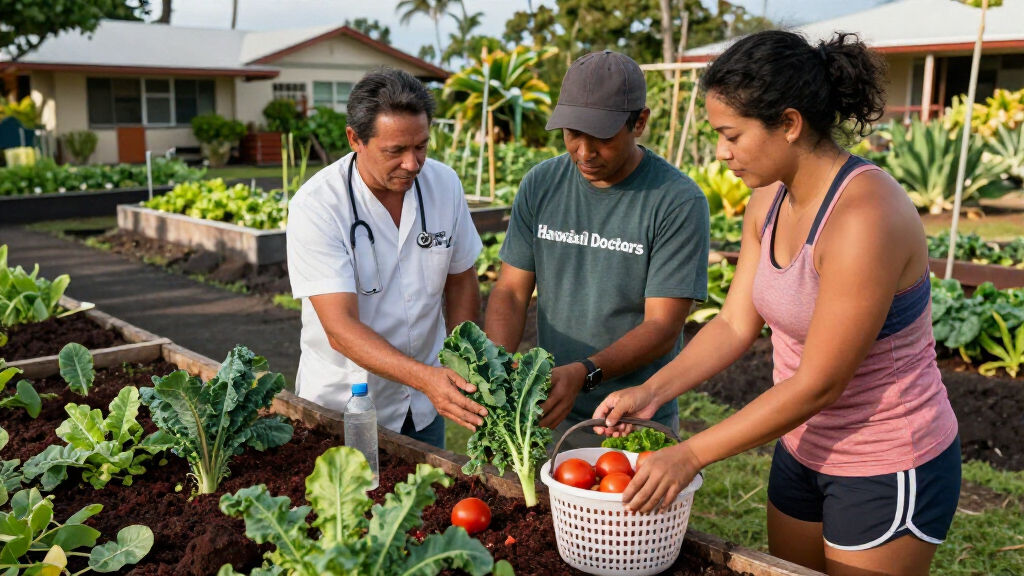
Hawaii plans to begin a Medicaid Food Is Medicine initiative in January, starting with nutrition education and food boxes for eligible patients. The program could reach more than 100,000 Medicaid residents, but its rollout will take three phases and local food sourcing is an aspiration, not a requirement.
Hawaii plans to begin a Medicaid Food Is Medicine program in January, offering eligible patients nutrition education and boxes of fresh food as part of a state initiative addressing diet-related health issues. The federally funded program could serve more than 100,000 residents who qualify for Medicaid, though the state’s rollout will occur in three phases.

Get workout gear delivered free with Prime
- Fast, free delivery on millions of items
- Prime Video, Amazon Music and more included
- Member-only deals all year
The first phase is expected to include nutrition education and prescription food boxes. Depending on the program, food may include fruit and vegetables as well as proteins such as ahi, beef, chicken and eggs. The source report describes these as potential food offerings; it does not provide a full eligibility list, enrollment schedule or details of how prescriptions will be issued.
The initiative is authorized through a Medicaid waiver under Section 1115 of the Social Security Act, which permits experimental and innovative health programs. Hawaii’s approach has been developed with health and advocacy groups, and is intended to address diet-related chronic conditions as well as food access among lower-income communities.
Organizers have set a goal for at least 15% of produce and protein to come from local sources. Jordan Smith, Food Is Medicine program manager at the Hawaii Good Food Alliance, told MedPage Today that this target is not binding and remains an aspiration. The report also describes possible economic benefits, including millions of dollars in local activity and nearly 1,000 jobs; these are projected outcomes, not guaranteed results.
Food Access Meets Medicaid Care
The program could give Medicaid patients access to nutritious food that may otherwise be unaffordable or difficult to obtain, while linking food support with health care. The need is substantial: according to the Hawaii Food Bank’s 2025 State of Food Security Report, one-third of state households report insufficient access to adequate, nutritious and affordable food. The report also says about half of Native Hawaiians and Pacific Islanders experience food insecurity.
Local sourcing could connect the health initiative with Hawaii’s agricultural sector, which advocates say needs support. Keeping the goal nonbinding reflects practical limits: building reliable supply chains across islands and coordinating health providers with food producers will take work. The program’s eventual effects on patient health, food security and local employment remain to be established through evaluation.
Products Worth Considering

Oral-B iO Deep Clean + Protect Rechargeable Electric Toothbrush, Black, iO Series 7
Philips Sonicare 6500 Rechargeable Electric Toothbrush with 2 Brush Heads, White

Bowflex SelectTech 840 Adjustable Kettlebell
As an affiliate, we earn on qualifying purchases.
Pilot Programs Inform the Rollout
The Medicaid initiative follows years of planning and pilot work. One pilot participant, Suzette Paio, received weekly produce and protein boxes for five months through a program run by the Food Basket, Hawaii’s food bank. MedPage Today reported that her average blood sugar had halved after a period of difficulty controlling it, while her husband, Moses Paio, lost more than 70 pounds. These are individual outcomes and do not establish what the statewide program will achieve for other participants.
A University of Hawaii team is conducting a five-year study on the program’s influence on hypertension at health centers across the islands. The report says data from pilots have encouraged advocates, but that more research is needed. In West Oahu, separate nutrition-focused health programs have operated since 2017, according to Alicia Higa, chief health equity officer at Waiʻanae Coast Comprehensive Health Center.
Hawaii will join at least a dozen states using Medicaid waivers for nutrition initiatives, according to the report. The state’s emphasis on local food reflects concerns about reliance on shipments from the mainland, as well as longstanding goals to strengthen local food production and address limited food access.
Enrollment and Results Still Undetermined
The report does not specify the exact January start date or year, how patients will qualify, how many people will receive food in the first phase, or how the later two phases will proceed. It also does not say whether food boxes will be delivered statewide or how long each participant can receive them.
The local sourcing target is voluntary, and the projected economic effects have not been confirmed. Pilot participants’ reported health changes are individual examples, not proof that the statewide program will produce the same outcomes. Research is ongoing, including the University of Hawaii’s five-year hypertension study.
The Three-Phase Launch
The state is scheduled to begin the first phase in January with nutrition education and prescription food boxes for eligible patients. The initiative is planned as a three-phase rollout, but the source report does not give dates or detailed plans for the remaining phases.
As the program develops, providers and partner organizations will need to clarify enrollment, food distribution and local procurement arrangements. Researchers are expected to gather further evidence through ongoing pilot evaluation and the University of Hawaii study; the report does not identify a specific date for a statewide assessment.
Key Questions
When will Hawaii’s Food Is Medicine program start?
The first phase is scheduled to begin in January. The source report does not specify the year or an exact launch date.
Who may be eligible for the food prescriptions?
The program is aimed at eligible Medicaid patients. The report says more than 100,000 Hawaii residents who qualify for Medicaid could be reached, but it does not provide detailed eligibility rules or enrollment instructions.
What food could participants receive?
Potential offerings include fresh fruit and vegetables and proteins such as ahi, beef, chicken and eggs. The first phase is described as including food boxes, but the report does not set out a final menu.
Will the food come from Hawaii farms?
Program partners aspire for at least 15% of produce and protein to be locally sourced. That target is not binding, and organizers say implementation remains a work in progress.
Has the program been shown to improve health?
Some pilot participants reported health changes, but those accounts do not establish the effect of the statewide program. A University of Hawaii team is conducting a five-year study on its influence on hypertension.
Source: medpagetoday.com