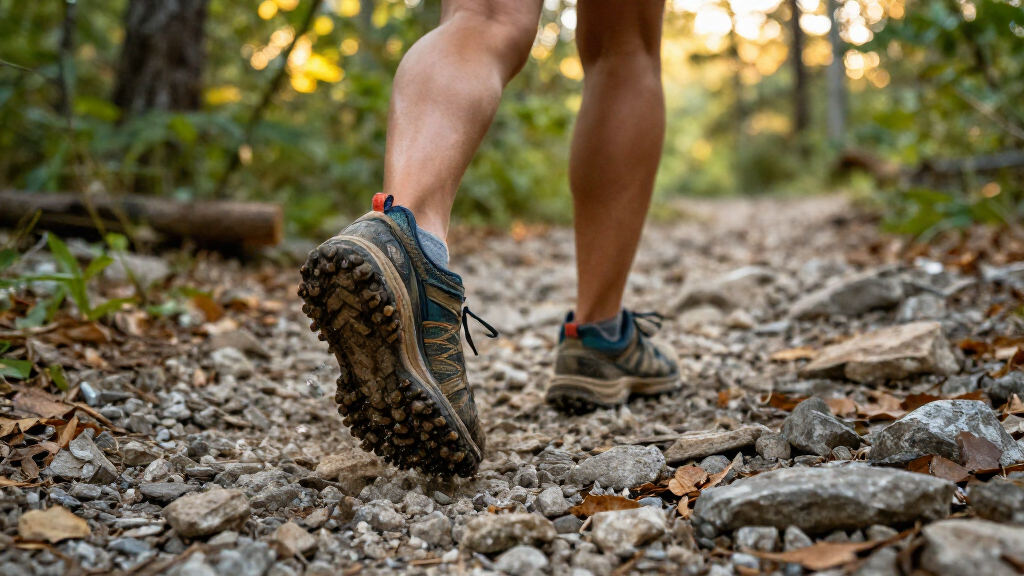
The best trail running shoes for most runners are the Brooks Women’s Cascadia 19, a balanced choice for varied trails; the Brooks Men’s Ghost Trail favors familiar, road-shoe-like cushioning, while the Salomon Men’s Speedcross stands out for soft, steep, or muddy ground. Choosing between them means weighing grip and protection against cushioning, flexibility, fit, and the surfaces you run most. This lineup also includes wide-fit and low-drop designs, plus more approachable options for everyday trail miles. I compare all 13 picks by their intended strengths and tradeoffs so you can match a shoe to your routes. Read on for the full breakdown and help narrowing your choice.

Get workout gear delivered free with Prime
- Fast, free delivery on millions of items
- Prime Video, Amazon Music and more included
- Member-only deals all year
Complete the kit



Key Takeaways
- The Cascadia 19 is my best overall pick because its all-around trail focus suits more varied routes than shoes built around a narrower specialty.
- Grip should follow your terrain: the Speedcross is the specialist to examine for soft or muddy trails, while an aggressive outsole may be unnecessary on firm, dry paths.
- Cushioning divides the lineup: the Caldera 8 targets runners seeking a more cushioned feel for longer outings, while the Peregrine 16 and Lone Peak models speak more to trail feel and route-specific preferences.
- Fit is a major point of separation: Altra‘s Lone Peak models offer a foot-shaped, zero-drop approach, and the ASICS GEL-VENTURE 11 comes in extra-wide sizing.
- There is no single winner for every runner: the Tektrel, 410v9, Terrex Tracefinder, and Nitrel V6 present more accessible everyday alternatives, but buyers should match their level of cushioning and traction to their trails.
| Brooks Women’s Cascadia 19 Trail Running Shoe |  | Best Overall for Varied Terrain | Cushioning: DNA LOFT v3 | Outsole: TrailTack Green rubber | Recycled outsole content: 25% | VIEW LATEST PRICE | See Our Full Breakdown |
| Altra Women’s Lone Peak 8 Trail Running Shoe |  | Best for Moderate Cushioning | Weight: 9.16 oz / 259 g | Midsole: Altra EGO | Outsole: MaxTrac | VIEW LATEST PRICE | See Our Full Breakdown |
| New Balance Men’s DynaSoft Tektrel Trail Running Shoes |  | Best for Trail-to-Road Versatility | Midsole: DynaSoft | Outsole: AT Tread rubber | Upper design: Lifestyle-inspired with regrind overlay | VIEW LATEST PRICE | See Our Full Breakdown |
| New Balance Men’s Fresh Foam 410v9 Trail Running Shoe |  | Best for Road-to-Trail Beginners | Midsole: Fresh Foam and BIO Foam | Outsole: AT Tread | Upper: Mesh | VIEW LATEST PRICE | See Our Full Breakdown |
| adidas Men’s Terrex Tracefinder Trail Running Shoes |  | Best for a Cushioned, Supportive Step | Weight: 12.2 oz (size 9) | Midsole drop: 10 mm | Stack height: 30 mm heel / 20 mm forefoot | VIEW LATEST PRICE | See Our Full Breakdown |
| ALTRA Men’s Lone Peak 8 Trail Running Shoe |  | Best for Natural Foot Movement | Outsole: MaxTrac with TrailClaw lugs | Outer material: Ripstop mesh | Inner material: Synthetic | VIEW LATEST PRICE | See Our Full Breakdown |
| Brooks Women’s Caldera 8 Ultra Trail Running Shoe |  | Best for Ultra-Distance Cushioning | Intended use: Ultra-distance trail running | Sole material: Rubber | Outer material: Nylon | VIEW LATEST PRICE | See Our Full Breakdown |
| Altra Men’s Experience Wild 2 Trail Running Shoes |  | Best for Cushioned, Balanced Footing | Platform: Balanced Cushioning | Toe box: FootShape | Cushioning: Highly cushioned midsole | VIEW LATEST PRICE | See Our Full Breakdown |
| Brooks Men’s Ghost Trail Running Shoe |  | Best for Rocky, Technical Routes | Outsole: TrailTack Green rubber | Lug depth: 3 mm | Midsole: Nitrogen-infused DNA LOFT v3 | VIEW LATEST PRICE | See Our Full Breakdown |
| New Balance Men’s DynaSoft Nitrel V6 Trail Running Shoe |  | Best for Trail-to-Everyday Versatility | Midsole: DynaSoft | Outsole: AT Tread | Sole material: Rubber | VIEW LATEST PRICE | See Our Full Breakdown |
| ASICS Men’s GEL-VENTURE 11 Extra Wide Trail Running Shoes |  | Best for Extra-Wide Feet | Upper: Mesh and synthetic fiber | Lining: Polyester | Sole material: Rubber | VIEW LATEST PRICE | See Our Full Breakdown |
| Salomon Men’s Speedcross Trail Running Shoes |  | Best for Muddy, Loose Trails | Upper: Welded, abrasion-resistant ripstop fabric with anti-debris mesh | Outsole: Mud Contagrip with deep, sharp lugs | Closure: Quicklace single-pull lace with stowable closure | VIEW LATEST PRICE | See Our Full Breakdown |
| Saucony Men’s Peregrine 16 Trail Running Shoe |  | Best for All-Terrain Traction | Model: Peregrine 16 | Sole material: Rubber with Vibram Megagrip | Outer material: Leather and mesh | VIEW LATEST PRICE | See Our Full Breakdown |
| trail running shoe | Outsole | Sole material | Upper | Inner material |
|---|---|---|---|---|
| Brooks Women’s Cascadia 19 Tra | TrailTack Green rubber | Rubber | Breathable, quick-drying air mesh with 3D print overlays | — |
| Altra Women’s Lone Peak 8 Trai | MaxTrac | Rubber | Ripstop mesh | Textile |
| New Balance Men’s DynaSoft Tek | AT Tread rubber | Rubber | — | Recycled material |
| New Balance Men’s Fresh Foam 4 | AT Tread | Rubber | Mesh | Mesh |
| adidas Men’s Terrex Tracefinde | Traxion rubber with lugged tread | — | Mesh and synthetic | — |
| ALTRA Men’s Lone Peak 8 Trail | MaxTrac with TrailClaw lugs | — | — | Synthetic |
| Brooks Women’s Caldera 8 Ultra | — | Rubber | Breathable, scratch- and snag-resistant materials | — |
| Altra Men’s Experience Wild 2 | — | Rubber | — | Polyester |
| Brooks Men’s Ghost Trail Runni | TrailTack Green rubber | — | Air mesh with 3D-printed toe cap and mudguard overlays | Nylon |
| New Balance Men’s DynaSoft Nit | AT Tread | Rubber | — | Cotton |
| ASICS Men’s GEL-VENTURE 11 Ext | — | Rubber | Mesh and synthetic fiber | — |
| Salomon Men’s Speedcross Trail | Mud Contagrip with deep, sharp lugs | — | Welded, abrasion-resistant ripstop fabric with anti-debris mesh | — |
| Saucony Men’s Peregrine 16 Tra | — | Rubber with Vibram Megagrip | — | — |
More Details on Our Top Picks
Brooks Women’s Cascadia 19 Trail Running Shoe
The Brooks Women’s Cascadia 19 is my strongest all-around pick here for runners who want cushioning and protection on changing trail surfaces. Its DNA LOFT v3 cushioning adds responsive comfort, while the articulated Trail Adapt system and Ballistic Rock Shield help manage uneven ground. Compared with the more road-to-trail-oriented New Balance Fresh Foam 410v9, the Cascadia is more specifically equipped for trail conditions, including a reinforced toe cap and mudguard. The TrailTack Green outsole is designed to grip wet and dry terrain, and the mesh upper can dry quickly. The tradeoff is its narrow focus: this shoe is built for trails rather than everyday mixed use, and the available details do not specify its weight or stack height.
Pros:- Responsive DNA LOFT v3 cushioning in the heel and forefoot
- Trail Adapt system and articulated rock shield support use on varied terrain
- TrailTack Green outsole is designed for wet and dry trail traction
- Quick-drying mesh upper, reinforced toe cap, and mudguard add breathability and protection
Cons:- Trail-specific design is less suited to regular road running
- Weight and stack height are not provided, making cushioning and heft harder to compare by specification
Best for: Trail runners who regularly encounter uneven, wet, or debris-covered routes and want cushioning with added underfoot and toe protection.
Not ideal for: Runners seeking one shoe for regular road use as well as trails, since its design is specifically trail-focused.
- Cushioning:DNA LOFT v3
- Outsole:TrailTack Green rubber
- Recycled outsole content:25%
- Stability system:Trail Adapt System with articulated Ballistic Rock Shield
- Upper:Breathable, quick-drying air mesh with 3D print overlays
- Protection:Reinforced toe cap and mudguard
- Sole material:Rubber
- Certification:Carbon neutral product
Our verdict“Choose the Cascadia 19 if varied trail conditions and protective features matter more than road versatility.”
Altra Women’s Lone Peak 8 Trail Running Shoe
The Altra Women’s Lone Peak 8 earns its place for runners who want a moderate, rather than plush, level of cushioning on trail outings. Its 25 mm stack height and Altra EGO midsole offer a defined balance: enough material underfoot for everyday trail miles without the more explicitly responsive, protective setup of the Brooks Cascadia 19. A ripstop mesh upper gives the Lone Peak a durable fabric choice, while the MaxTrac outsole supplies the rubber grip needed for trail use. The listed weight is 9.16 ounces, giving buyers a useful point of comparison with shoes in this group. The product details do not specify a rock plate, water protection, or other protective overlays, so runners facing sharp debris or persistently wet routes may prefer a shoe with clearer protection features.
Pros:- Altra EGO midsole provides moderate cushioning
- 25 mm stack height makes the underfoot profile clear
- MaxTrac rubber outsole is built for trail traction
- Ripstop mesh upper offers a durable material choice
Cons:- Product details do not specify a rock shield or reinforced toe protection
- Water resistance is not specified
- Moderate cushioning may feel less protective than the Brooks Cascadia 19 for rougher routes
Best for: Trail runners who prefer moderate cushioning and want a shoe with a stated weight and stack height for comparing fit and ride expectations.
Not ideal for: Runners who want plush cushioning or clearly specified rock, toe, or wet-weather protection for rough and exposed routes.
- Weight:9.16 oz / 259 g
- Midsole:Altra EGO
- Outsole:MaxTrac
- Cushioning:Moderate
- Stack height:25 mm
- Upper:Ripstop mesh
- Inner material:Textile
- Sole material:Rubber
Our verdict“Pick the Lone Peak 8 if you want a moderately cushioned trail shoe with a clearly stated stack height and weight.”
New Balance Men’s DynaSoft Tektrel Trail Running Shoes
The New Balance Men’s DynaSoft Tektrel is the most mixed-surface-minded option in this set: its AT Tread outsole is described for traction on and off the road, making it a practical choice for routes that connect pavement with trails. DynaSoft cushioning aims to pair a responsive feel with plush comfort, while aggressive lugs add grip beyond what a road shoe typically offers. That versatility separates it from the trail-focused Brooks Women’s Cascadia 19, whose protective systems and outsole are more clearly aimed at uneven terrain. The Tektrel’s lifestyle-inspired upper may also suit runners who want a less overtly technical look. Its corded eye row is intended to secure the foot, but that snug hold can feel restrictive; runners who need room to adjust their fit should be cautious.
Pros:- AT Tread rubber outsole is designed for on- and off-road traction
- DynaSoft midsole combines responsive performance with plush comfort
- Aggressive lugs add grip on trail surfaces
- Regrind overlay and corded eye row provide added durability and a secure hold
Cons:- Secure fit may feel restrictive to some wearers
- Product details do not specify water resistance or a rock shield
- Lifestyle-inspired construction is less trail-protection-focused than the Brooks Cascadia 19
Best for: Runners whose routes alternate between pavement, packed paths, and trails, and who value a secure fit with a casual-looking upper.
Not ideal for: Runners who prefer a relaxed-feeling fit or need clearly specified rock protection and weather protection for rugged trails.
- Midsole:DynaSoft
- Outsole:AT Tread rubber
- Upper design:Lifestyle-inspired with regrind overlay
- Closure detail:Corded eye row
- Inner material:Recycled material
- Sole material:Rubber
Our verdict“Choose the Tektrel for routes that mix road and trail, provided you are comfortable with a snug, secure fit.”
New Balance Men’s Fresh Foam 410v9 Trail Running Shoe
The New Balance Men’s Fresh Foam 410v9 is my pick for runners starting with uncomplicated trails and wanting a shoe that can also handle road stretches. Its AT Tread outsole is intended for both surfaces, while Fresh Foam and BIO Foam cushioning aim to soften the ride over uneven ground. That road-and-trail balance makes it a less specialized choice than the Brooks Women’s Cascadia 19, which adds a rock shield, mudguard, and reinforced toe protection for more demanding routes. The 410v9’s breathable mesh upper and adjustable laces keep the design straightforward, but the product details do not specify water resistance or added underfoot protection. Runners moving onto rocky, technical trails may want the Cascadia’s more explicit protective features instead.
Pros:- Fresh Foam and BIO Foam cushioning are designed for lightweight comfort and shock absorption
- AT Tread outsole is made for road and trail surfaces
- Breathable mesh upper supports airflow
- Lace-up closure allows fit adjustment
Cons:- Product details do not specify water resistance
- No rock shield or reinforced toe protection is listed
- Secure fit may require lace adjustment on technical terrain
Best for: Newer trail runners and mixed-route runners who want breathable cushioning for paths, light trails, and connecting road sections.
Not ideal for: Runners regularly covering rocky, technical, or wet trails who want specified underfoot protection or water resistance.
- Midsole:Fresh Foam and BIO Foam
- Outsole:AT Tread
- Upper:Mesh
- Inner material:Mesh
- Closure:Lace-up
- Sole material:Rubber
Our verdict“The 410v9 suits beginners and mixed-route runners, while technical-trail regulars will get more specified protection from the Cascadia 19.”
adidas Men’s Terrex Tracefinder Trail Running Shoes
The adidas Men’s Terrex Tracefinder is a fit for runners who want a cushioned step and a reinforced upper for ordinary off-road outings. Its LIGHTMOTION cushioning is paired with a lugged Traxion rubber outsole, giving it a different emphasis from the lighter-specified Altra Women’s Lone Peak 8, which lists moderate cushioning and a 25 mm stack height. The Tracefinder offers a 10 mm drop and a listed weight of 12.2 ounces in size 9, useful details for runners comparing geometry and heft. Mesh and synthetic materials support airflow while added reinforcement aims to improve durability. The stated weight may be a drawback for runners prioritizing a lighter shoe, and the product description does not name a rock shield or water-resistant treatment.
Pros:- LIGHTMOTION cushioning provides a soft step-in feel
- Lugged Traxion rubber outsole is designed for trail grip
- Reinforced mesh and synthetic upper adds support and durability
- 10 mm drop and listed weight provide useful comparison details
Cons:- Listed weight is 12.2 ounces in size 9, which may not suit runners seeking a lighter shoe
- Product details do not specify a rock shield or water-resistant treatment
- Trail-focused design offers less stated road versatility than the New Balance DynaSoft Tektrel
Best for: Runners who want a cushioned trail shoe with a reinforced upper, lugged outsole, and clearly stated drop for general off-road routes.
Not ideal for: Runners prioritizing a low listed weight or those who need specified rock protection or water resistance for technical, wet trails.
- Weight:12.2 oz (size 9)
- Midsole drop:10 mm
- Stack height:30 mm heel / 20 mm forefoot
- Cushioning:adidas LIGHTMOTION
- Outsole:Traxion rubber with lugged tread
- Upper:Mesh and synthetic
- Closure:Lace-up
- Recycled and renewable materials:At least 20%
Our verdict“Choose the Tracefinder if cushioning and reinforced upper support matter more to you than a lower listed weight.”
ALTRA Men’s Lone Peak 8 Trail Running Shoe
The Lone Peak 8 suits runners who want room for their toes and a zero-drop ride on varied trails. Its wide toe box gives toes space to spread, while the MaxTrac outsole and TrailClaw lugs are built for grip on dirt, gravel, and rock. Compared with the Brooks Men’s Ghost, which has a heel-locking fit and a 3 mm lug depth, this Altra makes a clearer commitment to a level platform and natural foot positioning rather than a more conventional fit.
The 25 mm stack and lightweight EGO midsole add cushioning without changing that low-profile feel. The tradeoff is personal preference: runners accustomed to a raised heel may find zero drop less comfortable, and the trail-focused tread is less suited to smooth everyday routes. Choose it for varied off-road running, not as an all-purpose road shoe.
Pros:- Wide toe box allows toes to spread during trail runs
- Zero-drop platform supports a level heel-to-forefoot position
- MaxTrac outsole with TrailClaw lugs is suited to varied trail terrain
- Breathable, abrasion-resistant ripstop mesh upper
Cons:- Zero-drop geometry may feel unfamiliar or uncomfortable to runners used to a raised heel
- Trail-focused tread is less appropriate for primarily smooth, paved routes
Best for: Trail runners who prefer a level heel-to-toe platform, a roomy toe box, and traction across dirt, gravel, and rocky paths
Not ideal for: Runners who prefer a raised heel or mainly run on paved and smooth surfaces
- Outsole:MaxTrac with TrailClaw lugs
- Outer material:Ripstop mesh
- Inner material:Synthetic
- Midsole:EGO
- Platform:Zero-drop
- Stack height:25 mm
- Toe box:Wide
- Shaft height:Ankle
Our verdict“Pick the Lone Peak 8 if a roomy toe box and zero-drop feel matter more to you than a conventional raised-heel ride.”
Brooks Women’s Caldera 8 Ultra Trail Running Shoe
The Caldera 8 is the distance-focused pick here: its plush nitrogen-infused DNA LOFT v3 cushioning is intended to soften repeated landings over long trail outings. Raised sidewalls and a widened outsole base add support on rugged ground, while flex grooves help the shoe move through each step. Compared with the Altra Men’s Lone Peak 8, which prioritizes a zero-drop platform and roomy toe box, the Caldera puts more emphasis on protective cushioning and stability features.
Its breathable upper is described as resistant to scratching and snagging, a useful match for brushy routes. That protection and high-stack feel come with a tradeoff: runners who like close ground feedback or a low-profile shoe may find it too substantial. Its stated ultra-distance focus also makes it less compelling for runners seeking one shoe mainly for short runs or varied everyday use.
Pros:- Nitrogen-infused DNA LOFT v3 cushioning is designed for long-distance comfort
- Raised sidewalls and a widened base support stability on rugged terrain
- Flex grooves allow the sole to move through the stride
- Breathable upper materials resist scratching and snagging
Cons:- High-stack cushioning may feel less connected to the trail than a low-profile shoe
- Its ultra-distance focus may be excessive for short runs or general everyday wear
Best for: Women trail runners prioritizing plush cushioning and a more supported feel for long-distance or ultra-distance outings
Not ideal for: Runners who prefer low-stack shoes with close ground feedback, or who mainly need a shoe for short, casual runs
- Intended use:Ultra-distance trail running
- Sole material:Rubber
- Outer material:Nylon
- Cushioning:Nitrogen-infused DNA LOFT v3
- Stability features:Raised sidewalls, widened outsole base, and flex grooves
- Upper:Breathable, scratch- and snag-resistant materials
- Origin:Imported
- Certification:Carbon Neutral
Our verdict“Choose the Caldera 8 for long trail distances when plush cushioning and added landing support matter more than a low-profile feel.”
Altra Men’s Experience Wild 2 Trail Running Shoes
The Experience Wild 2 pairs a cushioned midsole with Altra’s Balanced Cushioning platform, which keeps the heel and forefoot the same distance from the ground. That makes it a useful option for runners seeking a level platform but wanting cushioning underfoot. Its FootShape toe box also gives toes room to spread, echoing the Lone Peak 8, while the Lone Peak specifies a zero-drop platform, 25 mm stack, and MaxTrac outsole with TrailClaw lugs. Those listed details make the Lone Peak the more clearly specified choice for runners prioritizing defined trail traction and stack information.
The Experience Wild 2’s mesh upper and rubber sole are trail-oriented, but the product details do not describe its lug pattern, weather protection, or waterproofing. That leaves less guidance for buyers facing wet conditions or technical routes. It makes the most sense for runners drawn to a cushioned, level feel and roomy forefoot, rather than shoppers choosing by detailed outsole or weather specifications.
Pros:- Cushioned midsole adds underfoot padding for trail running
- Balanced Cushioning keeps heel and forefoot the same distance from the ground
- FootShape toe box gives toes room to spread
- Mesh upper and rubber sole are intended for trail use
Cons:- No waterproofing or specific weather protection is described
- The supplied product details do not specify lug design or depth
Best for: Men seeking a cushioned trail shoe with a level heel-to-forefoot platform and a roomy toe box
Not ideal for: Runners who need stated waterproofing or detailed lug specifications to choose shoes for wet or highly technical trails
- Platform:Balanced Cushioning
- Toe box:FootShape
- Cushioning:Highly cushioned midsole
- Sole material:Rubber
- Outer material:Mesh
- Inner material:Polyester
- Origin:Imported
Our verdict“Choose the Experience Wild 2 if you want a cushioned, level platform and roomy forefoot without needing stated waterproofing or detailed lug data.”
Brooks Men’s Ghost Trail Running Shoe
The Brooks Men’s Ghost is the most specifically described choice here for dry, rocky, and technical terrain. Its TrailTack Green rubber outsole with 3 mm lugs gives buyers concrete information about the tread, while the 3D-printed toe cap and mudguard overlays add protection from rocks and debris. A heel-locking design with adjustable midfoot lacing helps secure the fit. Compared with the New Balance Men’s DynaSoft Nitrel V6, which is positioned for both trail and everyday use, the Ghost is more squarely aimed at off-road running.
Nitrogen-infused DNA LOFT v3 cushioning is intended to soften landings without abandoning responsive movement, and the air mesh upper supports ventilation. The tradeoff is a narrower stated use case: the description focuses on dry, rocky, technical trails and gives less guidance about other conditions. Its trail-oriented build is also a poor match for runners seeking a road-first shoe.
Pros:- TrailTack Green rubber outsole has a specified 3 mm lug depth
- DNA LOFT v3 cushioning is designed for plush landings with responsive movement
- Heel-locking fit with adjustable midfoot lacing supports a secure hold
- 3D-printed toe cap and mudguard overlays help shield against trail debris
Cons:- The described terrain focus is dry, rocky, and technical, with limited guidance for other conditions
- Trail-oriented design is less suited to runners who mainly want a road shoe
Best for: Men running dry, rocky, technical trails who want cushioning, a secure heel fit, and protective toe and mudguard overlays
Not ideal for: Runners seeking a road-focused shoe or guidance on performance in conditions beyond the stated dry, rocky, and technical terrain
- Outsole:TrailTack Green rubber
- Lug depth:3 mm
- Midsole:Nitrogen-infused DNA LOFT v3
- Upper:Air mesh with 3D-printed toe cap and mudguard overlays
- Fit:Heel-locking design with adjustable midfoot lacing
- Outer material:Nylon
- Inner material:Nylon
- Origin:Imported
Our verdict“Pick the Ghost for dry, rocky trails if you want stated lug depth, protective overlays, and a heel-locking fit.”
New Balance Men’s DynaSoft Nitrel V6 Trail Running Shoe
The DynaSoft Nitrel V6 is the flexible-use pick: its AT Tread outsole is designed for traction on and off road, so it suits runners who mix trail outings with everyday routes. The DynaSoft midsole pairs plush cushioning with responsive performance, while an EVA foam insert and no-sew overlays support comfort and fit. Compared with the Brooks Men’s Ghost, whose 3 mm lugs and protective overlays target dry, rocky, technical trails, the Nitrel V6 makes a broader case for mixed surfaces rather than a specific technical terrain.
That versatility comes with less trail-specific information: the supplied details do not give lug depth or protective upper features like the Ghost’s toe cap and mudguard. The 6 mm drop may also be a change for runners accustomed to a zero-drop shoe such as the Altra Lone Peak 8. The listed rubber outer material may offer less breathability than mesh alternatives, so this is best for mixed use, not maximum ventilation.
Pros:- AT Tread outsole is designed for traction on and off road
- DynaSoft midsole balances plush cushioning with responsive performance
- EVA foam insert adds cushioning
- No-sew overlays are designed to support comfort and fit
Cons:- The supplied details do not state lug depth or trail-specific protective overlays
- Rubber outer material may be less breathable than mesh alternatives
- The 6 mm drop may not suit runners who prefer a zero-drop platform
Best for: Men who split their running between trails and everyday routes and want one shoe with a versatile outsole and cushioned ride
Not ideal for: Runners focused on technical, debris-heavy trails who want stated lug depth and protective overlays, or those who prioritize a mesh outer for breathability
- Midsole:DynaSoft
- Outsole:AT Tread
- Sole material:Rubber
- Outer material:Rubber
- Inner material:Cotton
- Drop:6 mm (approximate; manufacturing variances may occur)
- Insert:EVA foam
- Fit features:No-sew overlays
- Origin:Imported
Our verdict“Choose the Nitrel V6 if your runs move between trails and everyday surfaces and you value versatility over technical-trail detail.”
ASICS Men’s GEL-VENTURE 11 Extra Wide Trail Running Shoes
The extra-wide fit gives the GEL-VENTURE 11 a clear role among these trail shoes, while AMPLIFOAM PLUS cushioning and rearfoot GEL technology soften impact for everyday trail outings. Its breathable mesh upper and moisture-managing OrthoLite sockliner favor comfort over the debris-blocking protection of the Salomon Speedcross. Compared with the more trail-focused Speedcross, the ASICS is a better match for runners who want cushioning and room rather than deep lugs aimed at muddy ground. The tradeoff is fit uncertainty: this model runs small, so its extra width does not remove the need to check sizing carefully. Its molded rubber outsole is suited to trail use, but the provided details do not suggest the same aggressive mud grip as the Salomon’s deep-lug outsole.
Pros:- Extra-wide fit offers more room than standard-width options in this roundup.
- AMPLIFOAM PLUS cushioning and rearfoot GEL technology help absorb impact.
- OrthoLite Hybrid Max Lite sockliner supports breathability and moisture management.
- No-sew mesh upper details reduce bulky seams.
Cons:- Runs small, which can complicate choosing the right size.
- Its listed molded rubber outsole lacks the deep-lug mud focus of the Salomon Speedcross.
Best for: Trail runners who need an extra-wide shoe and prefer cushioned comfort for regular outings on moderate trails.
Not ideal for: Runners tackling frequent muddy, loose terrain who want deep-lug traction, or buyers who cannot account for a shoe reported to run small.
- Upper:Mesh and synthetic fiber
- Lining:Polyester
- Sole material:Rubber
- Cushioning:AMPLIFOAM PLUS midsole with rearfoot GEL technology
- Sockliner:OrthoLite Hybrid Max Lite
- Closure:Lace-up
- Fit:Extra wide; runs small
- Pronation:Neutral
Our verdict“Choose the GEL-VENTURE 11 if you need extra width and cushioned comfort more than aggressive traction for muddy trails.”
Salomon Men’s Speedcross Trail Running Shoes
When soft ground and mud are the main challenge, the deep, sharp Mud Contagrip lugs give the Speedcross a more specialized grip profile than the molded rubber outsole listed for the ASICS GEL-VENTURE 11. Its welded ripstop upper, anti-debris mesh, and abrasion-resistant construction also suit messy trails where grit and vegetation can be a nuisance. A Quicklace closure, Sensifit construction, and heel cradle work together to hold the foot securely, rather than prioritizing the extra-wide fit offered by the ASICS. That focus has limits: Salomon describes this shoe primarily for trail use, so it is a less natural choice for runners who want one pair for road miles too. Care is also less convenient, with hand washing only specified.
Pros:- Deep, sharp lugs and a high-adhesion outsole target muddy and loose terrain.
- Abrasion-resistant ripstop upper is designed to resist tearing.
- Anti-debris mesh helps keep trail grit and mud out.
- Quicklace closure, Sensifit construction, and heel cradle support a secure fit.
Cons:- Its trail-specific design is less suited to regular road running than more versatile options.
- Hand wash only, which makes cleanup less convenient.
Best for: Runners whose routes often include muddy, loose, or rugged ground and who want a secure fit that helps keep debris out.
Not ideal for: Runners seeking a trail-to-road shoe, or those who prefer machine-washable footwear and a less specialized outsole.
- Upper:Welded, abrasion-resistant ripstop fabric with anti-debris mesh
- Outsole:Mud Contagrip with deep, sharp lugs
- Closure:Quicklace single-pull lace with stowable closure
- Fit and support:Sensifit construction with heel cradle
- Care:Hand wash only
- Origin:Imported
Our verdict“Pick the Speedcross for muddy and loose routes where aggressive lug grip and a secure, debris-resistant fit matter more than road versatility.”
Saucony Men’s Peregrine 16 Trail Running Shoe
The Peregrine 16 pairs a Vibram Megagrip outsole with a protective rubber toe wrap, making it the strongest fit here for runners who want traction across varied terrain and some defense against rocks and debris. Its increased PWRRUN foam adds cushioning, while the high-strength mesh upper balances breathability with abrasion resistance. Compared with the Salomon Speedcross, which is aimed especially at muddy and loose surfaces, the Peregrine is described for all-terrain use rather than one dominant ground type. Its 4 mm heel-to-toe drop may suit runners who like a lower offset, but can feel unfamiliar to those used to a higher heel. Like the Speedcross, it is a specialized trail shoe, so it is not the natural pick for frequent road running.
Pros:- Vibram Megagrip outsole is designed for traction across varied terrain.
- Increased PWRRUN foam provides added cushioning.
- Rubber toe wrap helps protect against rocks and debris.
- High-strength mesh balances breathability with abrasion resistance.
Cons:- The 4 mm drop may feel too low for runners used to a higher heel offset.
- Its specialized trail design is less suited to regular road use.
Best for: Trail runners who move between varied surfaces and want strong outsole grip, added cushioning, and toe protection.
Not ideal for: Runners accustomed to a higher heel-to-toe drop or those looking for a shoe that can handle frequent road running.
- Model:Peregrine 16
- Sole material:Rubber with Vibram Megagrip
- Outer material:Leather and mesh
- Closure:Lace-up
- Midsole foam:PWRRUN
- Heel-to-toe drop:4 mm
- Gender:Men
- Origin:Imported
Our verdict“Choose the Peregrine 16 if you want a grippy, protective shoe for varied trails and are comfortable with a 4 mm drop.”
How We Picked
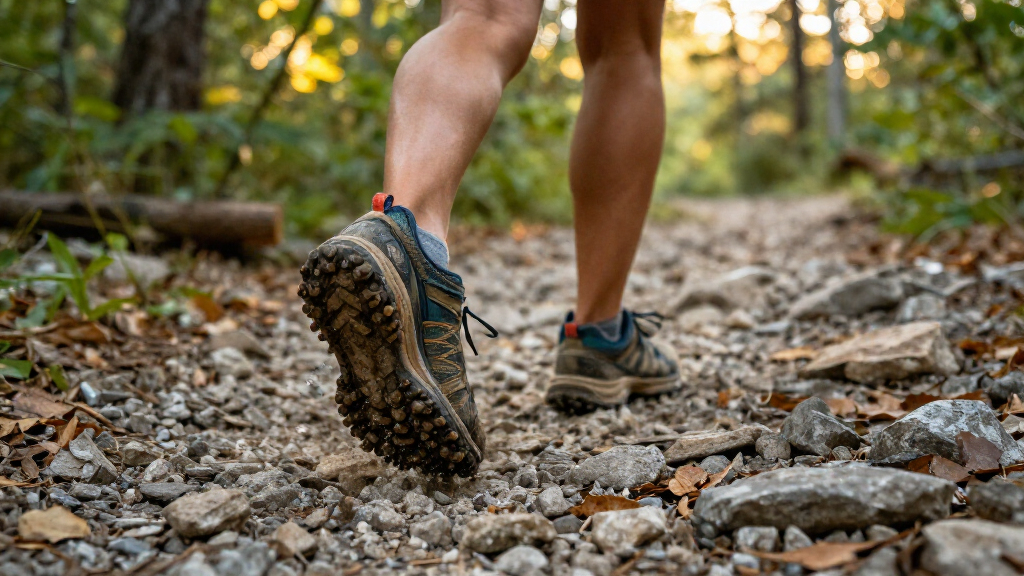
I ranked these shoes by how well their stated design priorities answer common trail-running needs: dependable traction, cushioning for the intended distance, underfoot protection, fit options, and versatility across surfaces. I also considered whether a shoe appears aimed at general trail use or a more specific job, such as muddy terrain, extra cushioning, a roomy toe shape, or wider sizing. Those distinctions matter because a feature that helps on one route can feel like excess on another.
The Cascadia 19 leads as the most balanced choice for a broad mix of trails, rather than because it dominates every category. More specialized options rank according to how clearly they serve their intended runner, while the more approachable daily-trail models earn a place for buyers who do not need a highly technical shoe. I do not treat men’s and women’s versions as interchangeable fit guarantees; model name, size range, and individual foot shape still matter. Since specifications and fit can vary by version, I focus the ranking on each shoe’s intended use and meaningful tradeoffs.
| trail running shoe | Sole material |
|---|---|
| Brooks Women’s Cascadia 19 Tra | Rubber |
| Altra Women’s Lone Peak 8 Trai | Rubber |
| New Balance Men’s DynaSoft Tek | Rubber |
| New Balance Men’s Fresh Foam 4 | Rubber |
| adidas Men’s Terrex Tracefinde | — |
| ALTRA Men’s Lone Peak 8 Trail | — |
| Brooks Women’s Caldera 8 Ultra | Rubber |
| Altra Men’s Experience Wild 2 | Rubber |
| Brooks Men’s Ghost Trail Runni | — |
| New Balance Men’s DynaSoft Nit | Rubber |
| ASICS Men’s GEL-VENTURE 11 Ext | Rubber |
| Salomon Men’s Speedcross Trail | — |
| Saucony Men’s Peregrine 16 Tra | Rubber with Vibram Megagrip |
Factors to Consider When Choosing Best Trail Running Shoes
Before choosing a pair, I would start with your routes and the fit your feet need, then weigh cushioning and protection against the freedom and ground feel you prefer. These decisions usually matter more than selecting a shoe simply because it is labeled for trail running.
Match Outsole Grip to Your Actual Trails
Trail surfaces range from hard-packed paths to loose gravel, wet roots, and deep mud, and one tread pattern cannot excel on all of them. On firm, dry routes, very prominent lugs can feel less smooth underfoot and may wear faster on pavement. Muddy or steep terrain calls for more bite and spacing that can shed debris, but aggressive tread is a poor trade if most of your runs are on compact paths. Think about the worst surface you encounter regularly, not the most dramatic trail you might visit once. If your route mixes trail and road, favor an outsole that can handle both instead of buying a specialist for a small portion of the run. The Speedcross represents the more terrain-focused end of this lineup; everyday options may make more sense on predictable paths.
Choose Cushioning for Distance and Ground Feel
More cushioning can soften repeated impact and feel welcome on long outings, but a thick, soft platform can reduce the close-to-ground sensation some runners want on uneven terrain. A firmer or lower-profile shoe can offer a more direct feel, though it may leave less room for comfort as mileage builds. Do not assume that a long-distance shoe is automatically right for every runner; pace, surface, and personal preference change how cushioning feels. Runners moving from road shoes may prefer a familiar cushioned ride, while experienced trail runners may favor a more connected feel. The Caldera 8 is positioned toward cushioned ultra-distance use, whereas the Lone Peak and Peregrine options appeal to different trail-feel preferences. If possible, compare shoes at the distance and pace you expect to run, not only during a short try-on.
Treat Fit as a Performance Feature
A shoe that feels secure at the heel but squeezes the forefoot can become a problem as feet swell during a run. Allow enough room in front of the toes for descents, while checking that the midfoot and heel do not slide on uneven ground. Foot-shaped designs, conventional toe boxes, and extra-wide options solve different fit problems; none is universally better. The Lone Peak models offer Altra’s foot-shaped, zero-drop approach, while the GEL-VENTURE 11 listing includes an extra-wide option. Do not choose a zero-drop shoe solely for toe space if your body is unaccustomed to that platform; the change in heel-to-toe geometry may call for gradual use. Try shoes with your trail socks and pay attention to downhill security as well as standing comfort.
Balance Protection Against Flexibility
Rock plates, reinforced uppers, and structured platforms can help shield feet from sharp debris and reduce the feeling of rough ground. That added protection may also make a shoe stiffer or less nimble, which can be tiring on smooth paths or limiting for runners who value flexibility. Consider whether your routes contain frequent sharp rocks, roots, or scree before prioritizing extra structure. For well-maintained dirt paths, a lighter, less protective shoe can feel more natural and versatile. For technical terrain, underfoot protection and a secure upper may matter more than shaving weight. The right balance depends on both the surface and how confidently you place your feet when running downhill.
Account for Road Miles and Everyday Use
Many runners reach the trail by running a mix of pavement, gravel, and dirt, so a shoe’s versatility can matter more than peak performance on one surface. A trail outsole with deep lugs may feel awkward on long paved connectors, while a mild tread can lack bite once the path turns slick. Estimate how much of your usual route is road and whether you can avoid those sections. Shoes such as the Ghost Trail, Tektrel, 410v9, and Nitrel V6 give this roundup more everyday-oriented choices alongside specialist models, but their suitability still depends on terrain and fit. A hybrid route does not automatically require a hybrid shoe; a road shoe may work for smooth park paths, while rougher ground calls for a trail-specific sole. Buy for the surface you run most often, not for a label alone.
Pay More Only for a Need You Can Name
A higher-tier or more specialized shoe makes sense when its extra cushioning, grip, protection, or fit option addresses a real limitation in your current setup. Paying for aggressive traction is hard to justify if your routes are dry and compact, just as a minimal design may not serve a runner who needs more cushioning for long days. Start with the problem you want the shoe to solve, then compare models that address it without adding features you will rarely use. For a first trail pair, versatility and a comfortable fit often matter more than technical extras. If you run several distinct terrains, a second pair can be more practical than asking one shoe to handle every condition. Do not use price as a shortcut for performance; match the shoe’s design to your route and running habits.
Frequently Asked Questions
Can I use trail running shoes on pavement?
Yes, but comfort depends on how much pavement and how aggressive the outsole is. Deep, widely spaced lugs can feel rougher and less smooth on hard surfaces than a mild trail tread. If your run includes only short road connectors, that compromise may be acceptable. For routes that are mostly pavement with occasional packed dirt, an everyday-oriented option in this lineup may suit you better than a muddy-terrain specialist. Check the outsole and ride feel against your regular route rather than assuming every trail shoe handles roads equally well.
Should I choose zero-drop shoes if I want more room for my toes?
A roomy toe shape and zero-drop geometry are related design choices in some models, but they solve different needs. A foot-shaped forefoot can give toes more space, while zero drop changes the height difference between heel and forefoot. If you have not run in zero-drop shoes before, switching suddenly may feel unfamiliar and place different demands on your lower legs. The Lone Peak models offer this combination, but the fit should still feel secure through the heel and midfoot. Choose based on both toe comfort and how you respond to the platform, and build mileage gradually if the geometry is new to you.
Do I need a different shoe for muddy trails and hard-packed paths?
Not always, but the compromise becomes more noticeable when one surface dominates your running. Aggressive lugs can provide more bite in soft ground, yet feel less fluid on firm paths; a milder outsole can be comfortable on hard-packed routes but struggle in mud. If you regularly run both, decide which surface poses the bigger safety or traction problem and choose around that need. The Speedcross is the specialist to compare for soft, muddy conditions, while more versatile choices suit mixed or predictable trails. A second pair is worth considering only if the terrain difference is frequent enough to affect your runs.
How much toe room should trail running shoes have?
Your toes should have space to spread and should not repeatedly strike the front of the shoe on descents, while the heel and midfoot remain held in place. Trail running adds downhill braking and uneven foot placement, so a fit that seems fine while standing can feel too short or loose in motion. Try the shoes with the socks you run in and check both uphill and downhill movement if you can. More room is not automatically better if your foot slides forward or sideways. If standard widths pinch, compare a foot-shaped design or the extra-wide GEL-VENTURE 11 rather than simply sizing up without checking heel security.
Is a cushioned trail shoe better for long-distance running?
Extra cushioning can make long outings feel more comfortable for some runners, but it is not a guarantee of a better fit or a more stable ride. A softer, taller platform may feel less direct on rocky or uneven ground, while a firmer shoe may be preferable to runners who want more trail feedback. Distance also interacts with pace, terrain, and individual comfort, so the same shoe can feel different on a short run and an all-day outing. The Caldera 8 is the lineup’s more cushioned ultra-focused option, but fit and stability should guide the decision. If you are unsure, compare the feel on the type of terrain and duration you run most often.
Conclusion
For the best overall balance, I recommend the Brooks Women’s Cascadia 19 as the broadest starting point for varied trail routes. For a value-minded everyday option, compare the New Balance DynaSoft Tektrel or Fresh Foam 410v9 and choose the one whose fit and ride suit your route; I would not select either without checking the outsole against your terrain. For a premium, long-distance cushioning focus, the Brooks Women’s Caldera 8 is the clearest fit in this lineup. For beginners, the Cascadia 19 is the most versatile place to start, while the Ghost Trail may appeal if you want a more familiar road-shoe feel. For specific needs, consider the Salomon Speedcross for soft or muddy trails, the ASICS GEL-VENTURE 11 for extra-wide sizing, or either Altra Lone Peak 8 for a foot-shaped, zero-drop design. My final choice would come down to fit first, then the terrain and cushioning you actually need.