TL;DR
Compact jump ropes are portable versions of traditional skipping ropes, but a good fit depends more on your height, grip, experience, and workout space than on gender. Beginners often find adjustable PVC or beaded ropes easier to control, while speed cables suit practiced jumpers. Start with short intervals, a clear space, and a forgiving surface; cordless models can help in tight rooms but feel different from a full rope.
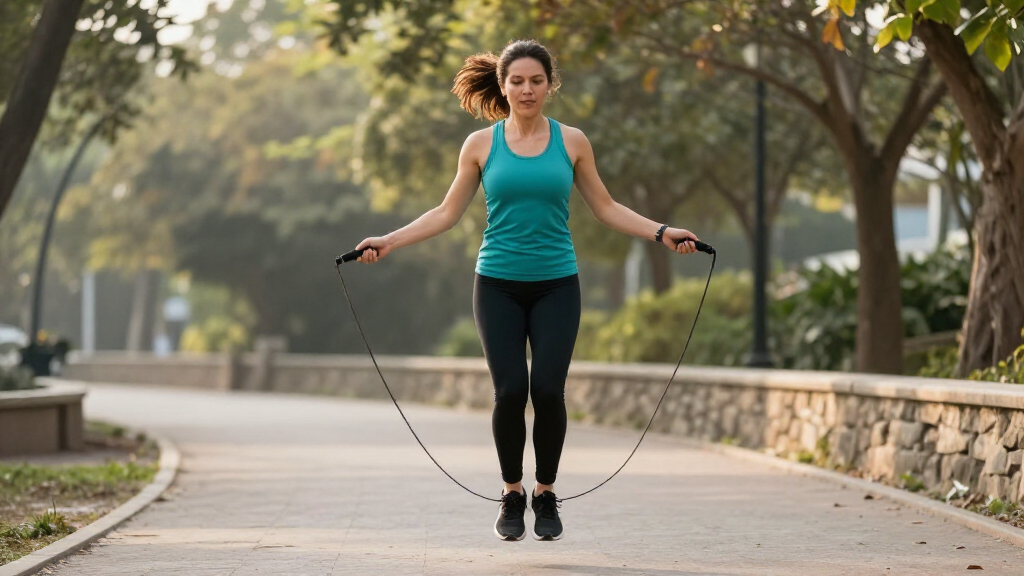
A jump rope can fit beside your water bottle in a gym bag, yet the wrong one can leave you clipping your toes every other turn. Compact jump ropes for women are portable versions of traditional skipping ropes, often made with adjustable cords or cables and handles that pack easily for home, the gym, or a suitcase.

Get workout gear delivered free with Prime
- Fast, free delivery on millions of items
- Prime Video, Amazon Music and more included
- Member-only deals all year
The “for women” label usually says more about color or marketing than how the rope works. Your height, grip, coordination, and workout plans matter more. A beginner doing a few gentle rounds in the living room needs a different feel from an experienced jumper practicing fast turns on a gym floor.
This guide will help you choose a rope that fits, compare common styles, and get started with a sensible routine. You’ll also learn where compact and cordless models have limits, so you can make room for movement without turning a small workout into a tangled mess.
Choose an adjustable rope and use the midpoint-to-armpit check as a starting length guide.
Try beaded or PVC styles for visible feedback; reserve thin speed cables for when your timing feels steady.
Check overhead and floor clearance before using a full rope indoors or while traveling.
Begin with brief rounds and build gradually, using supportive shoes and a suitable surface.
Treat cordless ropes as a space-saving alternative with different timing, and check product details before trusting performance claims.
Choose a Rope That Fits Your Height and Hands
Compact jump ropes for women should be selected by fit and comfort, not by the label on the packaging. Check that the length adjusts to your height and that the handles feel secure without making you squeeze hard. A simple starting check is to stand on the rope’s midpoint and bring both handles toward your armpits.
That armpit check gives you a useful first setting, not a rule carved in stone. Rope length changes how much timing room you have: extra length gives a new jumper more margin while learning to turn, but a rope that is too long can drag, slow the rhythm, and encourage large arm movements. A practiced jumper may shorten it for quicker, more compact turns. If your feet keep catching a rope that seemed fine in the store, adjust it a little at a time and test again; the problem may be fit rather than coordination.
Handle shape matters because your wrists repeat the same motion for every turn. If a grip is slick or too wide, you may compensate by squeezing harder, which can tire your hands and make relaxed wrist turns harder to maintain. Hold the handles as you would during a workout: relaxed, with your wrists doing most of the turning. A secure grip and easy adjustment matter more in practice than a flashy color or a long feature list.
Before you buy, check whether the rope can be shortened without special tools and whether the maker explains the adjustment process. Some models leave a long tail after trimming; others let you secure extra cord inside a handle. Trimming can create a better fit, but it may make the rope less convenient to share or readjust later. If you share a rope with a taller family member, a quick adjustment system can be more useful than a permanently shortened cord.
Products Worth Considering

Garmin Forerunner 265S GPS Running Smartwatch, 42 mm, Light Pink/Powder Gray

Levoit Vital 200S-P Smart Air Purifier for Large Rooms

Oura Ring 5 Smart Ring, Silver, Size 7
As an affiliate, we earn on qualifying purchases.
Pick a Rope Style That Matches Your Experience
Beginners often find beaded or PVC ropes easier to feel and control, while thin speed cables suit practiced jumpers who want quick turns. The difference is partly feedback: a rope with more visible movement and a distinct swish makes its path easier to track, so a beginner can connect wrist motion with the moment to hop. A light speed cable has less drag and can turn quickly, but it offers less visual warning and may sting if it catches your skin. That tradeoff makes speed a benefit only when your timing is already reliable.
Imagine learning in a quiet corner of the gym: a beaded rope gives you a clear swish as it passes, while a thin cable can seem to disappear between turns. With more feedback, it is easier to notice whether the rope is moving too slowly or your wrists are doing too much work. A beaded rope can feel heavier and louder, though, and may be less appealing for quiet indoor use. Once your timing feels steady, try a lighter cable for faster practice and see whether the added speed helps your workout.
To compare the common choices, consider both the movement you want and what the rope lets you feel while you learn:
| Rope style | What it feels like | Often suits |
|---|---|---|
| Beaded | Visible, audible turns with a distinct feel | Learning rhythm and control |
| PVC | Flexible, straightforward turns | General workouts and beginners |
| Thin speed cable | Quick turns with little visible feedback | Practiced jumpers and faster sessions |
| Cordless with weighted ends | No full cord sweeping around your body | Tight spaces or modified practice |
Style does not determine how effective your workout will be. Pace, technique, and consistency matter more than a rope’s speed claims. An adjustable PVC rope is a practical starting point because it offers a middle ground in feel and control. As your turns become predictable, you can decide whether the faster response of a cable is worth its smaller margin for timing errors.
Make a Compact Rope Useful at Home and on Trips
A compact rope works best when it is easy to pack and ready to use. Look for one that coils loosely without kinking and, if you travel often, includes a small pouch. Light handles take little space beside a pair of trainers, which makes it easier to fit a short workout into a hotel stay or a lunch break. A pouch also keeps the cord from tangling with other items, reducing setup friction when you have only a few minutes.
Portability does not remove the need for clearance. At home, check both the floor and the ceiling: a rope that clears your head in an open studio may strike a hanging light in a bedroom. On a trip, move a chair, check for nearby people, and take a few slow practice turns before you start hopping. This quick check reveals whether the rope can complete a full circle without hitting an obstacle; otherwise you may have to change rooms, shorten the session, or use a different movement.
Cordless versions use weighted end pieces instead of a full rope circling your body. They can help when a room is too small for a traditional rope, but they change the timing and feedback because there is no cord passing under your feet to cue each jump. Think of them as a way to practice movement in tight quarters, not an identical replacement. If your goal is to master full-rope rhythm, you will still need space for a regular cord.
Storage affects how long the rope stays usable. A tightly bent cable can develop kinks that interrupt smooth turns, while a loose coil is easier to unpack and use. For instance, keep it in its pouch beside your shoes rather than wrapping it tightly around a water bottle. That small habit protects the rope and makes it more likely that a travel workout starts with a usable cord instead of a frustrating tangle.
Start with Short Rounds and Let Your Timing Set the Pace
Start with brief, comfortable intervals and build them gradually as your timing and tolerance improve. Jumping rope can provide vigorous cardiovascular exercise and challenge coordination, but it is repetitive and impact-bearing. A compact rope changes how easily you can carry it, not the demands of repeated landings. Short rounds give you a chance to check your rhythm and how your body responds before fatigue makes it harder to keep your movements controlled.
- Clear your space. Check overhead lights, furniture, floor level, and room around you; collisions or an uneven surface can interrupt your rhythm.
- Practice turning the rope. Try a few wrist turns beside your body before adding jumps. This helps you learn the rope’s pace without adding impact at the same time.
- Begin with short rounds. Jump briefly, rest as needed, and stop while your form still feels controlled. If you start catching the rope or landing heavily, take a break rather than pushing through poor timing.
- Build slowly. Add time or rounds only when your body feels comfortable with your current routine. Changing one part at a time makes it easier to notice whether the added work feels manageable.
For example, a beginner might alternate a short jumping round with marching in place, then take a rest. The exact duration can vary; you do not need to hit a fixed daily number to make a start. Supportive athletic shoes and a level, moderately forgiving surface can make practice more comfortable. A mat may also help protect a thin cable from rough pavement, though it cannot remove the impact of jumping.
Notice how your body responds during and after a session. If you experience pain, leaking, heaviness, or pressure, stop and consider individualized guidance from a qualified clinician, especially if you have a pre-existing condition, balance concerns, or pregnancy-related questions. Those symptoms can be a sign that the activity or its current intensity is not a good fit; a lower-impact movement may suit you better on some days.
Check the Details Behind Product Claims Before You Buy
Check the rope’s adjustment, materials, handle design, and intended surface before relying on claims about speed, tracking, or workout results. These details affect whether the rope will fit, turn smoothly, and hold up to the place you plan to use it. An app connection or calorie estimate does not tell you whether the handles suit your hands or the cord clears your feet. Product features vary, so look for specific descriptions rather than treating a marketing label as proof.
Say you find two travel ropes online: one includes a pouch and spare cable, while another advertises tracking but gives little detail about replacement parts. If you expect to use it several times a week, the spare cable and clear adjustment instructions may have more practical value: they make it easier to keep using the rope if a cord wears out or needs a different length. Smooth swivels or bearings can support consistent turns, especially during frequent or faster sessions, but they cannot correct poor fit or timing.
Some models come with lightweight handles, adjustable cables, or cordless attachments. Each adds a different kind of convenience, and convenience is useful when it solves a problem you actually face. A person who jumps occasionally in a park may not need app features, while someone practicing speed work may value a smooth swivel. Look for a warranty and information on whether the cord suits pavement, a gym floor, or another surface; an unsuitable surface can wear a cord quickly or make turns less predictable.
Be cautious with promises about calorie burn, injury prevention, or body shaping. Jump rope can contribute to general activity and cardiovascular fitness, but weight change depends on broader factors such as food, total movement, and consistency. No rope selectively tones one body area. Fit and usability are better buying tests: if the rope adjusts easily and feels comfortable in your hands, you are more likely to use it regularly, which is more useful than a feature that looks impressive but does not fit your routine.
Frequently Asked Questions
Are jump ropes marketed for women different?
Often, the difference is styling or marketing. Your height, grip preference, rope style, and workout goals offer more useful buying guidance than gender.
What length jump rope should I choose?
Choose an adjustable rope and start by standing on its midpoint with the handles brought toward your armpits. Adjust from there based on your timing and jumping style.
Is a compact jump rope suitable for beginners?
Yes. Many beginners find an adjustable PVC or beaded rope easier to control than a thin speed cable, which can move quickly and sting if it strikes the skin.
Can I use a compact jump rope indoors or while traveling?
Usually, if the space has enough floor and overhead clearance. Check for lights, furniture, and people nearby before turning a full rope; a cordless model may fit tighter rooms, though its timing feels different.
How long should a beginner jump?
Begin with brief, comfortable intervals and rest as needed. Add time gradually when your technique and comfort hold steady; stop if you develop pain or other concerning symptoms.
Could jump rope aggravate my knees or pelvic floor?
Jumping involves repeated impact and may aggravate symptoms for some people. Stop if you notice pain, leaking, heaviness, or pressure, and seek guidance from a qualified clinician when you have symptoms or pre-existing concerns.
Conclusion
Choose a compact rope that fits your height, feels comfortable in your hands, and matches your current skill. Start with a clear space and a few controlled turns, then let your comfort guide how you build the session.
The best rope is the one you can pull from your bag, adjust in moments, and use without fighting the fit. Give it a little floor space, and let the rhythm follow.