Garmin running watches span simple GPS trackers to advanced training and triathlon models, so the right pick depends on how much guidance you want and how you plan to wear it. I rank the Forerunner 265 as the best overall choice for its balance of dedicated running tools, bright display, and everyday usability. The Forerunner 965 is the stronger fit for runners who want more advanced multisport features, while the Forerunner 165 keeps the focus on accessible running essentials. The main tradeoffs are size, training depth, battery priorities, and whether you want a running-first watch or a broader lifestyle smartwatch. Read on for the full comparison, including how the different sizes and color versions fit into the lineup.

Get workout gear delivered free with Prime
- Fast, free delivery on millions of items
- Prime Video, Amazon Music and more included
- Member-only deals all year
Complete the kit



Key Takeaways
- The Forerunner 265 is the most balanced pick: it offers a stronger running focus than the vívoactive 5 without requiring the advanced multisport commitment of the Forerunner 965.
- The Forerunner 965 earns its place through depth: its triathlon and advanced training orientation suits committed athletes, but casual runners may not need that extra complexity.
- The 265S is a fit choice, not a lesser training tier: it brings the 265 family’s core appeal in a smaller 42 mm case, while the standard 265 has a larger 46 mm profile.
- The Forerunner 165 and 55 serve different entry points: the 165 offers a more modern display-led experience, while the 55 is a simpler running-first option for buyers who want fewer extras.
- Color variants do not change the product’s role: the several 265, 265S, 70, 165, 55, and vívoactive 5 listings are primarily fit or style alternatives, not separate feature upgrades.
| Garmin Forerunner 265S GPS Running Smartwatch, 42 mm, Black/Amp Yellow |  | Best Compact Training Watch | Case size: 42 mm | Display: AMOLED touchscreen | Controls: Buttons and touchscreen | VIEW LATEST PRICE | See Our Full Breakdown |
| Garmin Forerunner 265 GPS Running Smartwatch, 46 mm, Black/Powder Gray |  | Best All-Around Running Watch | Case size: 46 mm | Display: 1.3-inch AMOLED touchscreen | Navigation: GPS and multi-band GNSS with SatIQ | VIEW LATEST PRICE | See Our Full Breakdown |
| Garmin Forerunner 70 GPS Running Smartwatch, 43 mm, Black |  | Best for Multi-Sport Variety | Case size: 43 mm | Display: AMOLED touchscreen with button controls | GPS: Built-in GPS | VIEW LATEST PRICE | See Our Full Breakdown |
| Garmin Forerunner 70 Running Smartwatch, 43 mm, Tidal Blue |  | Best for Adaptive Coaching | Case size: 43 mm | Display: AMOLED touchscreen | GPS: Built-in GPS; supports GLONASS and Galileo | VIEW LATEST PRICE | See Our Full Breakdown |
| Garmin Forerunner 965 GPS Running and Triathlon Smartwatch, 47 mm, Black/Powder Gray |  | Best Premium for Triathlon and Navigation | Case size: 47 mm | Display: AMOLED touchscreen | Case material: Titanium | VIEW LATEST PRICE | See Our Full Breakdown |
| Garmin vívoactive 5 GPS Smartwatch, 42 mm, Orchid |  | Best for Running and Everyday Wellness | Display: AMOLED | Case size: 42 mm | Battery life: Up to 11 days in smartwatch mode | VIEW LATEST PRICE | See Our Full Breakdown |
| Garmin Forerunner 265 GPS Running Smartwatch, 46 mm, Whitestone/Tidal Blue |  | Best for Advanced Training Guidance | Display: AMOLED touchscreen | Case size: 46 mm | Battery life: Up to 13 days in smartwatch mode; up to 20 hours in GPS mode | VIEW LATEST PRICE | See Our Full Breakdown |
| Garmin Forerunner 265S GPS Running Smartwatch, 42 mm, Whitestone/Neo Tropic |  | Best Compact Training Watch | Display: AMOLED touchscreen | Case size: 42 mm | Item weight: 39 g | VIEW LATEST PRICE | See Our Full Breakdown |
| Garmin Forerunner 165 GPS Running Smartwatch, 43 mm, Black |  | Best for Newer Runners | Display: AMOLED touchscreen | Case size: 43 mm | Battery life: Up to 11 days in smartwatch mode; up to 19 hours in GPS mode | VIEW LATEST PRICE | See Our Full Breakdown |
| Garmin Forerunner 165 GPS Running Smartwatch, 43 mm, Whitestone |  | Best Simple Daily Running Pick | Display: AMOLED touchscreen | Case size: 43 mm | Item weight: 1.38 oz | VIEW LATEST PRICE | See Our Full Breakdown |
| Garmin Forerunner 70 GPS Running Smartwatch, 43 mm, Cool Lavender |  | Best for Guided Training | Case size: 43 mm | Display: AMOLED touchscreen with button controls | GPS: Built-in; GPS, GLONASS, and Galileo | VIEW LATEST PRICE | See Our Full Breakdown |
| Garmin Forerunner 55 GPS Running Watch, Black |  | Best Value for Core Run Tracking | Model: 010-02562-00 | GPS: Built-in GPS | Battery life: Up to 2 weeks in smartwatch mode; up to 20 hours in GPS mode | VIEW LATEST PRICE | See Our Full Breakdown |
| Garmin vívoactive 5 GPS Smartwatch, 42 mm, Ivory |  | Best for Everyday Fitness and Running | Case size: 42 mm | Display: AMOLED touchscreen | Battery life: Up to 11 days in smartwatch mode; up to 5 days with always-on display | VIEW LATEST PRICE | See Our Full Breakdown |
| Garmin vívoactive 5 GPS Smartwatch, 42 mm, Black |  | Best for a Black AMOLED Daily Wear | Case size: 42 mm | Display: AMOLED touchscreen | Display resolution: 390 x (remaining value not provided) | VIEW LATEST PRICE | See Our Full Breakdown |
| Garmin Forerunner 55 GPS Running Smartwatch, Black |  | Best Button-Operated Running Watch | Display: 1.04 inches | Weight: 37 g | Dimensions: 1.65 x 1.65 x 0.47 inches | VIEW LATEST PRICE | See Our Full Breakdown |
| Garmin running watch | Display | Battery life | Water resistance | Case size |
|---|---|---|---|---|
| Garmin Forerunner 265S GPS Run | AMOLED touchscreen | Up to 15 days in smartwatch mode; up to 24 hours in GPS mode | 50 meters | 42 mm |
| Garmin Forerunner 265 GPS Runn | 1.3-inch AMOLED touchscreen | Up to 13 days in smartwatch mode; up to 20 hours in GPS mode | 50 meters | 46 mm |
| Garmin Forerunner 70 GPS Runni | AMOLED touchscreen with button controls | Up to 13 days in smartwatch mode; up to 23 hours in GPS mode | 50 meters | 43 mm |
| Garmin Forerunner 70 Running S | AMOLED touchscreen | Up to 13 days in smartwatch mode; up to 23 hours in GPS mode | 50 meters | 43 mm |
| Garmin Forerunner 965 GPS Runn | AMOLED touchscreen | Up to 23 days in smartwatch mode; up to 31 hours in GPS mode | 50 meters | 47 mm |
| Garmin vívoactive 5 GPS Smartw | AMOLED | Up to 11 days in smartwatch mode | 50 meters | 42 mm |
| Garmin Forerunner 265 GPS Runn | AMOLED touchscreen | Up to 13 days in smartwatch mode; up to 20 hours in GPS mode | 50 meters | 46 mm |
| Garmin Forerunner 265S GPS Run | AMOLED touchscreen | Up to 15 days in smartwatch mode; up to 24 hours in GPS mode | 50 meters | 42 mm |
| Garmin Forerunner 165 GPS Runn | AMOLED touchscreen | Up to 11 days in smartwatch mode; up to 19 hours in GPS mode | 50 meters | 43 mm |
| Garmin Forerunner 165 GPS Runn | AMOLED touchscreen | Up to 11 days in smartwatch mode; up to 19 hours in GPS mode | 50 meters | 43 mm |
| Garmin Forerunner 70 GPS Runni | AMOLED touchscreen with button controls | Up to 13 days in smartwatch mode; up to 23 hours in GPS mode | 50 meters | 43 mm |
| Garmin Forerunner 55 GPS Runni | — | Up to 2 weeks in smartwatch mode; up to 20 hours in GPS mode | 50 meters | — |
| Garmin vívoactive 5 GPS Smartw | AMOLED touchscreen | Up to 11 days in smartwatch mode; up to 5 days with always-on display | 50 meters | 42 mm |
| Garmin vívoactive 5 GPS Smartw | AMOLED touchscreen | Up to 11 days in smartwatch mode | — | 42 mm |
| Garmin Forerunner 55 GPS Runni | 1.04 inches | — | 50 meters | — |
More Details on Our Top Picks
Garmin Forerunner 265S GPS Running Smartwatch, 42 mm, Black/Amp Yellow
The Forerunner 265S brings the training guidance and multi-band GPS of the larger Forerunner 265 into a 42 mm case, making it the clearest fit here for runners who want a smaller watch without giving up advanced run tools. Its AMOLED touchscreen is paired with physical buttons, so run controls remain accessible when touch input is inconvenient. Personalized workouts and recovery insights can help runners adjust sessions around their training, while 30-plus activity profiles add room for other sports. Compared with the Forerunner 70, the 265S has multi-band GNSS for more advanced positioning support; the 70 offers more activity profiles. The tradeoff is battery: GPS use is rated for up to 24 hours, and smartphone-dependent safety features need a compatible phone and network coverage.
Pros:- Compact 42 mm case is a better fit for smaller wrists than the 46 mm Forerunner 265.
- AMOLED touchscreen and physical buttons offer two ways to operate the watch.
- Multi-band GNSS with SatIQ supports positioning accuracy while managing GPS use.
- Personalized workouts and recovery insights add training guidance beyond basic run tracking.
Cons:- GPS battery life is up to 24 hours, well below its smartwatch-mode figure.
- Safety and tracking features require a compatible smartphone and network coverage.
Best for: Runners with smaller wrists who want multi-band GPS, adaptive workout guidance, and a bright AMOLED display in a compact case.
Not ideal for: Runners prioritizing the longest GPS sessions or safety features that work independently of a paired smartphone and network coverage.
- Case size:42 mm
- Display:AMOLED touchscreen
- Controls:Buttons and touchscreen
- GPS:Built-in multi-band GNSS with SatIQ technology
- Activity profiles:30+
- Battery life:Up to 15 days in smartwatch mode; up to 24 hours in GPS mode
- Water resistance:50 meters
- Case and band:Fiber-reinforced polymer case; silicone band
- Color:Black/Amp Yellow
Our verdict“Choose the Forerunner 265S if you want the 265’s advanced training approach in a more wrist-friendly 42 mm size.”
Garmin Forerunner 265 GPS Running Smartwatch, 46 mm, Black/Powder Gray
The Forerunner 265 is the balanced pick for runners who want a bright display, substantial training feedback, and multi-band GPS without moving up to the larger, map-equipped Forerunner 965. Its 46 mm case gives the AMOLED screen more room than the 265S, though it may feel oversized on smaller wrists. Personalized workout suggestions, HRV status, and training readiness help put a run in the context of recovery rather than treating every session alike. SatIQ supports multi-band positioning while balancing battery use, which suits varied routes and regular training. Compared with the Forerunner 70, the 265 adds multi-band GNSS and a more detailed training-readiness feature set, while the 70 provides more activity profiles. The main compromise is GPS endurance: the 265 is rated for up to 20 hours in GPS mode, and safety assistance depends on a paired phone and network coverage.
Pros:- AMOLED display and physical buttons combine clear visuals with tactile controls.
- Training readiness and HRV status add context to workout and recovery decisions.
- Multi-band GNSS with SatIQ balances positioning support and battery use.
- More than 30 activity profiles support training beyond running.
Cons:- The 46 mm case is larger than the Forerunner 265S and may not suit smaller wrists.
- GPS battery life is rated for up to 20 hours.
- Incident detection and assistance require a compatible paired smartphone and network coverage.
Best for: Regular runners who want training-readiness and HRV insights, multi-band GPS, and an AMOLED screen in a full-size watch.
Not ideal for: Small-wristed runners seeking a compact case, or athletes who need built-in maps and longer GPS runtime.
- Case size:46 mm
- Display:1.3-inch AMOLED touchscreen
- Navigation:GPS and multi-band GNSS with SatIQ
- Sensors and metrics:Optical heart rate sensor, HRV status, training readiness
- Activity profiles:30+
- Battery life:Up to 13 days in smartwatch mode; up to 20 hours in GPS mode
- Water resistance:50 meters
- Connectivity:Bluetooth, USB, Wi-Fi
- Color:Black/Powder Gray
Our verdict“Pick the Forerunner 265 if you want an advanced daily running watch and prefer its larger display to the 265S’s compact fit.”
Garmin Forerunner 70 GPS Running Smartwatch, 43 mm, Black
The Forerunner 70 earns its place for runners who also want a broad selection of activities: its 80-plus profiles exceed the 30-plus offered by the Forerunner 265 models. Adaptive Garmin Coach plans, workout and recovery insights, and wrist-based heart rate tracking cover the essentials for building a routine, while the AMOLED screen and buttons keep it approachable for everyday use. Its 43 mm case sits between the 42 mm 265S and 46 mm 265, giving buyers another size option. The tradeoff is positioning: this model lists built-in GPS, while the 265 and 265S offer multi-band GNSS with SatIQ for more advanced satellite support. It also lacks the Forerunner 965’s full-color maps. Live location sharing requires a connected smartphone and network access, and health metrics are estimates rather than medical measurements.
Pros:- More than 80 activity profiles offer broader sport coverage than the Forerunner 265 models.
- Adaptive Garmin Coach plans tailor training suggestions to performance and recovery.
- Tracks pace, distance, heart rate, sleep, stress, and training readiness.
- Up to 13 days of smartwatch-mode battery life supports regular wear between charges.
Cons:- Built-in GPS does not list the multi-band GNSS available on the Forerunner 265 and 965.
- Live location sharing requires a paired smartphone and network connectivity.
- Health and training metrics are estimates.
Best for: Runners who cross-train across several activities and want adaptive coaching, core training metrics, and a moderate-size case.
Not ideal for: Runners who need multi-band GPS, full-color maps, or health measurements for medical use.
- Case size:43 mm
- Display:AMOLED touchscreen with button controls
- GPS:Built-in GPS
- Activity profiles:80+
- Battery life:Up to 13 days in smartwatch mode; up to 23 hours in GPS mode
- Water resistance:50 meters
- Connectivity:Bluetooth
- Compatibility:Android and iOS smartphones
- Case and band:ABS case; silicone band
Our verdict“Choose the Forerunner 70 if cross-training coverage and adaptive coaching matter more to you than multi-band GPS or built-in maps.”
Garmin Forerunner 70 Running Smartwatch, 43 mm, Tidal Blue
The Tidal Blue Forerunner 70 is a coaching-centered option for runners who want adaptive plans alongside sleep, activity, and recovery tracking. Like the Black Forerunner 70, it has more than 80 activity profiles and up to 23 hours of GPS battery life; its distinction is the same practical formula in a different color, not a different GPS or training tier. Built-in GPS and wrist-based heart rate make it suited to routine outdoor runs, while the 43 mm case keeps it between the compact Forerunner 265S and larger Forerunner 265. Compared with those 265 models, this watch offers more listed activity profiles but does not specify multi-band GNSS. That makes it a better match for varied recreational training than for runners who prioritize advanced satellite positioning. Safety and location sharing rely on a paired phone and network coverage, and its metrics are estimates.
Pros:- Adaptive Garmin Coach plans offer personalized workout suggestions.
- More than 80 profiles cover running and a wide range of other activities.
- Tracks sleep, recovery, training readiness, distance, and heart rate.
- Up to 13 days of smartwatch-mode battery life and 23 hours in GPS mode.
Cons:- Listed GPS support is built-in GPS with GLONASS and Galileo, not multi-band GNSS like the Forerunner 265.
- Safety and location-sharing features require a paired smartphone and network coverage.
- Health and training metrics are estimates.
Best for: Runners who want adaptive coaching and broad activity tracking in a 43 mm watch, and prefer the Tidal Blue finish.
Not ideal for: Runners focused on multi-band GPS, detailed mapping, or safety and location features independent of a smartphone.
- Case size:43 mm
- Display:AMOLED touchscreen
- GPS:Built-in GPS; supports GLONASS and Galileo
- Activity profiles:80+
- Battery life:Up to 13 days in smartwatch mode; up to 23 hours in GPS mode
- Water resistance:50 meters
- Connectivity:Bluetooth
- Memory:512 MB
- Color:Tidal Blue
Our verdict“Choose this Forerunner 70 if adaptive coaching and its Tidal Blue finish appeal more than the Forerunner 265’s multi-band GPS.”
Garmin Forerunner 965 GPS Running and Triathlon Smartwatch, 47 mm, Black/Powder Gray
The Forerunner 965 is the most capable choice here for runners who need more than run tracking: its full-color maps, multi-band GPS, and multisport profiles make it better suited to unfamiliar routes and triathlon sessions than the Forerunner 265. A titanium bezel keeps the 47 mm watch lightweight, while the AMOLED display and physical buttons provide both a clear overview and tactile control. Training readiness, running dynamics, and wrist-based running power add detail for athletes who use metrics to shape structured training. Those extras are less compelling for someone who mainly wants straightforward daily runs; the smaller Forerunner 265S is easier to wear and still offers multi-band GPS and training guidance. The 965’s larger case may not suit smaller wrists, and its health and training metrics are estimates. GPS battery life is rated for up to 31 hours, below its smartwatch-mode figure.
Pros:- Full-color maps support route guidance on unfamiliar runs.
- Multi-band GNSS and multisport profiles suit demanding running and triathlon training.
- Running dynamics and wrist-based running power provide added training data.
- Titanium bezel keeps the 47 mm case lightweight, with up to 31 hours of GPS battery life.
Cons:- The 47 mm case is larger than the Forerunner 265 and 265S.
- Its advanced mapping and multisport tools may be unnecessary for everyday recreational running.
- Health and training metrics are estimates, and GPS battery life is shorter than smartwatch-mode battery life.
Best for: Committed runners and triathletes who use maps, multisport profiles, and advanced running metrics on long or unfamiliar routes.
Not ideal for: Casual runners who want a smaller, simpler watch, or athletes who do not need mapping and multisport features.
- Case size:47 mm
- Display:AMOLED touchscreen
- Case material:Titanium
- Navigation:Built-in GPS, multi-band GNSS, full-color maps
- Sports profiles:Running, triathlon, duathlon, brick workouts, swimrun, and customizable multisport
- Training features:Training readiness, suggested workouts, training status, running dynamics, wrist-based running power
- Battery life:Up to 23 days in smartwatch mode; up to 31 hours in GPS mode
- Water resistance:50 meters
- Band and color:Silicone band; Black/Powder Gray
Our verdict“Choose the Forerunner 965 if you will use its maps and multisport tools; otherwise, the Forerunner 265 is a more focused running pick.”
Garmin vívoactive 5 GPS Smartwatch, 42 mm, Orchid
I’d choose the vívoactive 5 when running is part of a broader fitness routine rather than the sole priority. Its AMOLED display, more than 30 sports apps, sleep tracking, music storage, and Garmin Pay make it more of an everyday smartwatch than the training-focused Forerunner 265. Built-in GPS covers outdoor runs, while up to 11 days in smartwatch mode means less frequent charging between workouts. The tradeoff is that it lacks the Forerunner 265’s listed multi-band GNSS and its training-readiness and race-planning emphasis. Health readings are estimates, and music played without a phone requires wireless headphones. I’d pick this for varied activity tracking and daily convenience, but runners who want detailed structured-training guidance should compare it with the Forerunner 265.
Pros:- Bright AMOLED display and built-in GPS suit daily wear and outdoor runs.
- More than 30 sports apps cover activities beyond running, including wheelchair activities.
- Up to 11 days of smartwatch battery life reduces charging frequency.
- Music storage, Garmin Pay, and smartphone notifications add everyday utility.
Cons:- Does not list the Forerunner 265’s multi-band GNSS or running-focused training features.
- Health metrics are estimates rather than exact measurements.
- Phone-free music listening requires wireless headphones.
Best for: Runners who also want a colorful everyday smartwatch for varied sports, sleep tracking, payments, and stored music.
Not ideal for: Race-focused runners who want multi-band GNSS and the training-readiness and race-planning tools listed for the Forerunner 265.
- Display:AMOLED
- Case size:42 mm
- Battery life:Up to 11 days in smartwatch mode
- GPS:Built-in GPS
- Sports apps:More than 30
- Water resistance:50 meters
- Case material:Fiber-reinforced polymer
- Color:Orchid
Our verdict“Choose the vívoactive 5 if you want one smartwatch for casual running and a wide range of everyday fitness and wellness features.”
Garmin Forerunner 265 GPS Running Smartwatch, 46 mm, Whitestone/Tidal Blue
The Forerunner 265 is my pick for runners who want training feedback to shape what they do next, not just record a workout. Its training readiness, recovery insights, adaptive daily suggestions, and race planning give it a more coaching-oriented role than the vívoactive 5, which leans further into general wellness and everyday smartwatch features. Multi-band GNSS with SatIQ is another meaningful distinction for runners who prioritize location tracking. The 46 mm case gives the display room, but it may feel like too much watch for buyers seeking a compact fit; the 42 mm Forerunner 265S is the natural alternative. Battery life reaches up to 13 days in smartwatch mode and 20 hours in GPS mode. Training metrics are estimates, and safety features need a compatible phone and network coverage.
Pros:- Training readiness, recovery insights, and adaptive suggestions support day-to-day workout decisions.
- Multi-band GNSS with SatIQ is designed for more capable satellite tracking.
- AMOLED touchscreen combines with button controls for flexible operation.
- Up to 20 hours of battery life in GPS mode supports extended training sessions.
Cons:- The 46 mm case may feel oversized compared with the 42 mm Forerunner 265S.
- Health and training metrics are estimates, not exact measurements.
- Safety and tracking features require a compatible paired smartphone and network coverage.
Best for: Committed runners who want adaptive workouts, recovery and readiness insights, race-planning features, and multi-band satellite tracking.
Not ideal for: Runners with smaller wrists or those who prefer a lighter, more compact watch; the 42 mm Forerunner 265S may suit them better.
- Display:AMOLED touchscreen
- Case size:46 mm
- Battery life:Up to 13 days in smartwatch mode; up to 20 hours in GPS mode
- GPS:Built-in multi-band GNSS with SatIQ
- Activity profiles:More than 30
- Water resistance:50 meters
- Connectivity:Bluetooth, USB, Wi-Fi
- Color:Whitestone/Tidal Blue
Our verdict“Choose the Forerunner 265 if training guidance and multi-band tracking matter more than a compact case or broad lifestyle features.”
Garmin Forerunner 265S GPS Running Smartwatch, 42 mm, Whitestone/Neo Tropic
For runners who want the Forerunner 265’s training approach in a smaller package, the Forerunner 265S makes the strongest case in this group. Its 42 mm case and 39 g weight are easier to wear than the 46 mm Forerunner 265, while it retains multi-band GNSS, personalized workout suggestions, and race guidance. It also lists up to 15 days of smartwatch battery life and up to 24 hours in GPS mode, exceeding the larger 265’s listed battery figures. The compromise is that the compact size may not suit anyone who prefers a larger screen, and its training and health insights remain estimates. Like the Forerunner 265, safety features depend on a compatible phone and network coverage. I’d favor this over the Forerunner 165 when satellite tracking and more advanced training tools are the priority.
Pros:- Compact 42 mm case and 39 g weight suit runners who dislike bulky watches.
- Multi-band GNSS with SatIQ supports more capable satellite tracking.
- Personalized workout suggestions and race guidance add structure to training.
- Up to 15 days in smartwatch mode and 24 hours in GPS mode.
Cons:- The smaller case may be less appealing to runners who prefer a larger screen.
- Health and training metrics are estimates rather than exact measurements.
- Incident detection and assistance require a compatible paired smartphone and network coverage.
Best for: Runners with smaller wrists who want personalized training and race guidance, multi-band GNSS, and a lightweight watch.
Not ideal for: Buyers who want a larger display or a simpler running watch; the Forerunner 165 offers a less advanced training proposition.
- Display:AMOLED touchscreen
- Case size:42 mm
- Item weight:39 g
- Battery life:Up to 15 days in smartwatch mode; up to 24 hours in GPS mode
- Navigation:Built-in GPS; multi-band GNSS with SatIQ
- Activity profiles:More than 30
- Water resistance:50 meters
- Color:Whitestone/Neo Tropic
Our verdict“Choose the Forerunner 265S if you want advanced training features in a lighter, smaller watch than the Forerunner 265.”
Garmin Forerunner 165 GPS Running Smartwatch, 43 mm, Black
The Forerunner 165 is the straightforward pick for runners who want useful guidance without moving up to the Forerunner 265’s more advanced training feature set. Its adaptive training plans, wrist-based heart rate tracking, built-in GPS, and recovery insights offer a practical foundation for building a routine. The 43 mm AMOLED watch also keeps buttons alongside the touchscreen, so workouts do not depend on touch controls alone. Compared with the 265, it lists more than 25 activity profiles rather than more than 30 and does not list multi-band GNSS or training readiness. That makes it a more focused choice, not the one I’d pick for runners seeking the richest training analysis. Battery life reaches up to 11 days in smartwatch mode. Safety features need a connected phone and network coverage, and Garmin Pay availability varies by country and payment network.
Pros:- Adaptive training plans help recreational runners establish a consistent routine.
- Built-in GPS and wrist-based heart rate monitoring track core running data.
- AMOLED touchscreen and physical buttons provide two ways to operate the watch.
- Up to 11 days of smartwatch battery life between charges.
Cons:- Does not list multi-band GNSS or training readiness found on the Forerunner 265.
- Safety and assistance features require a paired smartphone and network coverage.
- Garmin Pay depends on supported countries and payment networks.
Best for: Newer or recreational runners who want built-in GPS, adaptive training plans, and recovery insights in a manageable feature set.
Not ideal for: Experienced runners who want multi-band GNSS, training-readiness insights, or the broader listed activity profile count of the Forerunner 265.
- Display:AMOLED touchscreen
- Case size:43 mm
- Battery life:Up to 11 days in smartwatch mode; up to 19 hours in GPS mode
- GPS:Built-in
- Activity profiles:More than 25
- Storage:4 GB
- Water resistance:50 meters
- Color:Black
Our verdict“Choose the Forerunner 165 if you want a capable, approachable running watch and do not need the Forerunner 265’s more advanced training tools.”
Garmin Forerunner 165 GPS Running Smartwatch, 43 mm, Whitestone
This Whitestone Forerunner 165 fills the same practical running-watch role as the Black version: built-in GPS, wrist-based heart rate, adaptive workout guidance, and a bright AMOLED screen with button controls. I’d treat the two color options as equivalent for training; the choice is about appearance, not a different feature set. Against the Forerunner 265S, this model gives up listed multi-band GNSS and some of the more advanced training emphasis, but keeps the core tools many everyday runners need. Its 43 mm case and up to 11 days of smartwatch battery life make it a balanced daily option. The tradeoffs are limited differentiation from the Black Forerunner 165 and phone dependence for safety features. Garmin Pay support also varies by location and payment network, so I wouldn’t choose it on that feature alone.
Pros:- Built-in GPS and wrist-based heart rate cover core run tracking.
- Adaptive workout guidance and recovery insights support regular training.
- AMOLED touchscreen is paired with traditional button controls.
- Up to 11 days in smartwatch mode and 19 hours in GPS mode.
Cons:- Does not list the multi-band GNSS features of the Forerunner 265S.
- Safety and tracking features require a compatible paired smartphone and network coverage.
- Garmin Pay depends on supported countries and payment networks.
Best for: Everyday runners who want core GPS and training guidance in a light-colored 43 mm watch without the Forerunner 265S’s advanced feature set.
Not ideal for: Buyers who need multi-band GNSS or advanced training insights, or who want a feature difference from the Black Forerunner 165.
- Display:AMOLED touchscreen
- Case size:43 mm
- Item weight:1.38 oz
- Battery life:Up to 11 days in smartwatch mode; up to 19 hours in GPS mode
- GPS:Built-in
- Activity profiles:More than 25
- Water resistance:50 meters
- Color:Whitestone
Our verdict“Choose this Whitestone Forerunner 165 if you want the Black model’s everyday running features in a different color, not a different training package.”
Garmin Forerunner 70 GPS Running Smartwatch, 43 mm, Cool Lavender
The Forerunner 70 suits runners who want more coaching than a basic GPS watch provides, without stepping up to the more training-focused Forerunner 265. Its personalized plans and suggested workouts use performance and recovery information to help shape what to do next, while sleep, stress, and training-readiness tracking add context to daily training. The bright AMOLED touchscreen with button controls gives it a more vivid, flexible interface than the Forerunner 55, and its 80-plus activity profiles reach well beyond running. The tradeoff is that its health and training numbers are estimates, not clinical measurements. Live location sharing also depends on a paired phone and network coverage, so it is not a standalone safety feature. I’d choose it for adaptive guidance and a polished display, not for advanced race analytics.
Pros:- Built-in GPS tracks pace and distance during runs.
- Suggested workouts and training plans adapt to performance and recovery.
- Tracks sleep, stress, energy, and training readiness.
- AMOLED display, button controls, and more than 80 activity profiles offer a flexible everyday experience.
Cons:- Health and training metrics are estimates rather than medical measurements.
- Live location sharing requires a paired smartphone and network coverage.
- Runners wanting more advanced training and race features may prefer the Forerunner 265.
Best for: Runners who want adaptive workout suggestions, recovery context, and a bright display in a lightweight watch.
Not ideal for: Racers seeking deeper performance and course tools, or runners who need live location sharing without a paired phone.
- Case size:43 mm
- Display:AMOLED touchscreen with button controls
- GPS:Built-in; GPS, GLONASS, and Galileo
- Battery life:Up to 13 days in smartwatch mode; up to 23 hours in GPS mode
- Water resistance:50 meters
- Activity profiles:More than 80
- Band material:Silicone
- Color:Cool Lavender
Our verdict“Choose the Forerunner 70 if adaptive training guidance and an AMOLED display matter more to you than advanced race tools.”
Garmin Forerunner 55 GPS Running Watch, Black
The Forerunner 55 is the straightforward pick for runners who care most about reliable run tracking and training prompts. Its built-in GPS, wrist-based heart rate, pace guidance, and suggested workouts cover the essentials without the AMOLED interface or broader activity menu of the Forerunner 70. That simpler approach may suit runners who prefer a focused watch and long stretches between charges: it offers up to two weeks in smartwatch mode and 20 hours with GPS. It also tracks activities such as cycling, pool swimming, and HIIT, so it is not limited to road running. The compromises are its more basic feature set and a few phone-dependent functions: Connect IQ downloads require compatible smartphone apps, and heart-rate readings are not medical measurements. Compared with the vívoactive 5, this is more running-centered but less of an all-day smartwatch.
Pros:- Built-in GPS records distance, pace, and route.
- Suggested workouts reflect training history, fitness level, and recovery time.
- Up to two weeks of battery life in smartwatch mode.
- 50-meter water resistance and varied activity profiles support training beyond running.
Cons:- Wrist-based heart-rate monitoring is not a medical device.
- PacePro is not compatible with on-device courses.
- Downloading Connect IQ content requires compatible smartphone apps.
Best for: New and recreational runners who want GPS, guided workouts, pace support, and long battery life without a feature-heavy interface.
Not ideal for: Buyers who prioritize an AMOLED screen, music storage, Garmin Pay, or a broad set of smartwatch features.
- Model:010-02562-00
- GPS:Built-in GPS
- Battery life:Up to 2 weeks in smartwatch mode; up to 20 hours in GPS mode
- Water resistance:50 meters
- Connectivity:Bluetooth
- Activity profiles:Running, cycling, track run, virtual run, pool swim, Pilates, HIIT, and breathwork
- Band material:Silicone
- Compatible devices:Android and iOS smartphones
Our verdict“Pick the Forerunner 55 for dependable run essentials and long battery life; choose the vívoactive 5 for a richer smartwatch experience.”
Garmin vívoactive 5 GPS Smartwatch, 42 mm, Ivory
The vívoactive 5 makes more sense for someone who runs as part of a varied fitness routine than for a runner seeking a dedicated training instrument. It pairs built-in GPS and a bright AMOLED touchscreen with more than 30 sports apps, sleep coaching, HRV status, and recovery information. Music storage and Garmin Pay make it a more capable everyday companion than the run-focused Forerunner 55, while its wheelchair activity support broadens its appeal beyond typical running-watch lineups. The tradeoff is a shorter battery ceiling: it reaches up to 11 days in smartwatch mode, or up to five days with the display always on, compared with the Forerunner 55’s two-week smartwatch claim. Its health metrics are estimates, too. I’d favor this model for mixed workouts and smartwatch conveniences, but runners focused on training plans may prefer the Forerunner 70.
Pros:- Bright AMOLED touchscreen makes everyday information easy to view.
- More than 30 sports apps include running and wheelchair activities.
- Sleep coaching, HRV status, Body Battery, and recovery information add wellness context.
- Music storage, smart notifications, and Garmin Pay extend its usefulness beyond workouts.
Cons:- Battery life falls to up to five days with the always-on display.
- Health and recovery metrics are estimates.
- Its broader smartwatch focus offers less run-specific guidance than the Forerunner 70.
Best for: Fitness-minded buyers who run alongside other activities and want sleep insights, music storage, notifications, and Garmin Pay.
Not ideal for: Runners who want a watch centered on structured run coaching or who need the longest smartwatch battery life.
- Case size:42 mm
- Display:AMOLED touchscreen
- Battery life:Up to 11 days in smartwatch mode; up to 5 days with always-on display
- GPS:Built-in
- Water resistance:50 meters
- Sports apps:More than 30, including walking, running, cycling, swimming, golf, and wheelchair activities
- Health features:Heart rate, stress, sleep, HRV status, Body Battery, nap detection, workout benefit, and recovery time
- Additional features:Music storage, smart notifications, and Garmin Pay
Our verdict“Choose the vívoactive 5 if running is one part of a broader fitness routine and smartwatch features matter as much as training.”
Garmin vívoactive 5 GPS Smartwatch, 42 mm, Black
This black vívoactive 5 is the understated choice for buyers who want a GPS fitness smartwatch that works across workouts and the rest of the day. Its 42 mm AMOLED display, sleep coaching, nap detection, music storage, and Garmin Pay give it a broader daily role than the Forerunner 55, which keeps its emphasis on running basics and guided workouts. More than 30 sports apps make it suitable for mixed training, including wheelchair activities. The main limitation is the same one that applies to the Ivory vívoactive 5: this is a color variant, not a different training platform, and the supplied details do not list a complete display resolution. Health metrics are estimates, so I would treat them as guidance rather than medical data. Choose this version for its black finish; compare the Forerunner 70 instead if adaptive running plans are the deciding factor.
Pros:- AMOLED display and black finish suit everyday wear.
- More than 30 sports apps support running and a range of other activities.
- Music storage and Garmin Pay add useful phone-free conveniences.
- Sleep coaching and nap detection provide wellness tracking beyond workouts.
Cons:- Health metrics are estimates rather than clinical measurements.
- The provided product information does not specify the complete display resolution.
- The Forerunner 70 offers more directly run-focused adaptive guidance.
Best for: Buyers who want a black, everyday Garmin fitness watch for running, cross-training, sleep insights, and smartwatch conveniences.
Not ideal for: Runners seeking detailed run-focused coaching, or shoppers who need a fully specified display resolution before choosing.
- Case size:42 mm
- Display:AMOLED touchscreen
- Display resolution:390 x (remaining value not provided)
- Battery life:Up to 11 days in smartwatch mode
- GPS:Built-in
- Connectivity:Bluetooth, USB, and Wi-Fi
- Weight:1.31 ounces
- Dimensions:1.7 x 1.7 x 0.43 inches
- Sports apps:More than 30
Our verdict“Choose this vívoactive 5 for a black AMOLED fitness smartwatch with broad daily features, not for specialized run coaching.”
Garmin Forerunner 55 GPS Running Smartwatch, Black
This Forerunner 55 is a fit for runners who prefer a compact, button-operated watch and want the core tools for planning and tracking runs. It supports GPS, GLONASS, and Galileo, which gives it multiple satellite systems for recording pace, distance, and routes, plus free race training plans and daily workout suggestions. Its 1.04-inch display and physical controls are a clear contrast with the AMOLED touchscreen on the Forerunner 70: less visual polish, but no touchscreen interface to rely on. Compared with the other Forerunner 55 listing, this product data specifies 17 activity profiles and its dimensions, while omitting a battery-life figure. That makes it harder to compare endurance claims from the provided details. It is a focused run watch rather than a feature-rich smartwatch, and the silicone band and resin case keep materials simple.
Pros:- Supports GPS, GLONASS, and Galileo satellite navigation.
- Includes 17 activity profiles and free race training plans.
- Tracks heart rate, pace, distance, sleep, steps, and calories.
- 50-meter water resistance supports swimming and wet-weather use.
Cons:- Uses button input rather than a touchscreen.
- Product details do not provide a battery-life figure.
- Silicone band and resin case use straightforward materials rather than more premium finishes.
Best for: Runners who want physical-button controls, multi-satellite GPS, and race-training features in a compact watch.
Not ideal for: Buyers who want an AMOLED touchscreen, music or payment features, or a stated battery-life figure for comparison.
- Display:1.04 inches
- Weight:37 g
- Dimensions:1.65 x 1.65 x 0.47 inches
- Satellite systems:GPS, GLONASS, and Galileo
- Activity profiles:17
- Water resistance:50 meters
- Connectivity:Bluetooth
- Band and case materials:Silicone band; resin case
- Package contents:Watch, charging cable, and documentation
Our verdict“Pick this Forerunner 55 if you value physical controls and multi-satellite run tracking over a vivid screen or smartwatch extras.”
How We Picked
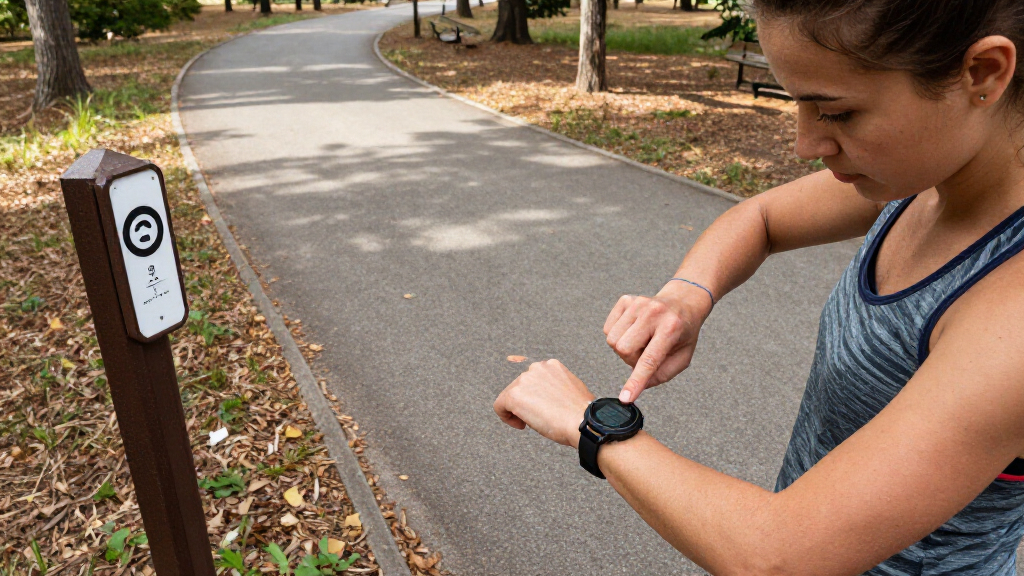
I ranked these Garmin running watches by how well each model supports its likely buyer, weighing running and training features, ease of use, case size, and usefulness beyond workouts. I gave priority to watches that offer a clear balance for regular runners, while recognizing that advanced training tools only add value when a buyer will use them. I also treated size and comfort as practical performance factors: a watch that suits a smaller wrist or feels appropriate for daily wear may be a better match than a larger model with more features.
The order reflects role and tradeoffs, not color or listing count. The Forerunner 265 leads as the broadest fit for many runners; the 965 ranks as the premium specialist, and the 165 and 55 sit lower as more focused entry options. The vívoactive 5 is included for buyers who want a capable everyday smartwatch with GPS and activity tracking, though it is less running-centered than the Forerunner line. Repeated models in different colors or case sizes are treated as variants rather than distinct performance upgrades.
| Garmin running watch | GPS |
|---|---|
| Garmin Forerunner 265S GPS Run | Built-in multi-band GNSS with SatIQ technology |
| Garmin Forerunner 265 GPS Runn | — |
| Garmin Forerunner 70 GPS Runni | Built-in GPS |
| Garmin Forerunner 70 Running S | Built-in GPS; supports GLONASS and Galileo |
| Garmin Forerunner 965 GPS Runn | — |
| Garmin vívoactive 5 GPS Smartw | Built-in GPS |
| Garmin Forerunner 265 GPS Runn | Built-in multi-band GNSS with SatIQ |
| Garmin Forerunner 265S GPS Run | — |
| Garmin Forerunner 165 GPS Runn | Built-in |
| Garmin Forerunner 165 GPS Runn | Built-in |
| Garmin Forerunner 70 GPS Runni | Built-in; GPS, GLONASS, and Galileo |
| Garmin Forerunner 55 GPS Runni | Built-in GPS |
| Garmin vívoactive 5 GPS Smartw | Built-in |
| Garmin vívoactive 5 GPS Smartw | Built-in |
| Garmin Forerunner 55 GPS Runni | — |
Factors to Consider When Choosing Garmin Running Watches
Choosing among Garmin running watches is easier when I separate training needs from lifestyle preferences. A longer feature list does not automatically make a watch a better match: the right choice depends on the data you will use, how it fits, and whether running is your main reason for wearing it.
Match Training Depth to Your Routine
Start with how often you run and what decisions you want the watch to help you make. If you mainly need GPS pace, distance, and basic workout tracking, an entry-oriented Forerunner may cover your routine without adding menus you rarely open. Runners who follow structured plans or track training progression may get more from the 265 family’s broader running focus. Triathletes and athletes balancing several sports have a stronger case for the 965’s added depth. A common mistake is choosing the most advanced model because it sounds future-proof, then ignoring the extra tools. I would pay for deeper metrics only when they answer questions you regularly have about training or recovery.
Choose the Case Size Before the Color
Garmin offers several watches here in different case sizes, and that choice affects comfort every day, not just appearance. The 265S is the smaller 42 mm option beside the 46 mm Forerunner 265, while the 965 has a larger 47 mm case. A compact watch may sit more comfortably on a smaller wrist and feel less intrusive during sleep, though some buyers prefer a bigger display for quick glances. Try to judge fit by case dimensions and wrist comfort rather than assuming a smaller model is less capable. Color names can make variants look like separate products, but they do not signal a change in training tier. Prioritize fit first; choose the finish afterward.
Decide Whether Running or Daily Smartwatch Use Comes First
A running-first watch and a general-purpose smartwatch can both track activity, but they put different emphasis on the experience. The Forerunner models are the clearer starting point when workout controls and running information are the main reason for buying. The vívoactive 5 is more appealing when everyday activity tracking and broader smartwatch use matter alongside occasional runs. That difference can matter more than a long checklist of shared functions: the watch you enjoy wearing between workouts is more likely to become part of your routine. Avoid buying a lifestyle-oriented model solely because it tracks GPS if you expect dedicated training guidance. Conversely, runners who want a simpler daily companion may not benefit from paying for specialist multisport features.
Think About Display Readability and Interface
Display preference affects how quickly you can check pace, workout steps, and notifications while moving. A bright, vivid screen can make information easier to read at a glance, but it is only useful if the watch’s layout and controls feel clear to you. If you rely on large data fields or want to review metrics mid-run, compare screen size and interface style before deciding between compact and standard cases. Smaller cases can improve fit, yet leave less room for information on screen. Do not treat a display feature as a substitute for learning whether the menus suit your habits. If possible, compare the watches in person or examine interface images before committing.
Set a Sensible Feature Ceiling
More features can create more settings, alerts, and data to interpret, so decide what you will actually use over a typical training week. A beginner may benefit more from a straightforward watch that makes pace and distance easy to access than from a device built around advanced multisport analysis. At the other end, a dedicated athlete may outgrow a basic model once training becomes more structured. Think about your next year of running, but do not pay for a hypothetical future routine that has not taken shape. The 165 and 55 offer different ways into the Forerunner range, while the 265 and 965 reward buyers with clearer training ambitions. The best feature set is the one that supports a real habit rather than adding complexity for its own sake.
Separate Model Differences From Listing Variants
This lineup contains repeated models in different colors, including multiple Forerunner 265, 265S, 70, 165, 55, and vívoactive 5 listings. Those options can help you find a finish you like, but they should not be treated as independent upgrades when comparing capabilities. The meaningful differences are the model family, case size, and intended use—not whether a watch is black, ivory, or blue. Check the exact product name and dimensions before ordering, especially when comparing 265 with 265S. This avoids spending time ranking colorways as if they changed the training experience. Once you have chosen the model and fit, select the color that works for you.
Frequently Asked Questions
Should I choose the Forerunner 265 or the Forerunner 965?
I would choose the Forerunner 265 if I wanted a balanced running watch for regular training without making advanced multisport features the priority. The Forerunner 965 makes more sense for committed athletes who expect to use its broader running and triathlon focus. The 965’s larger 47 mm case may also feel less suitable if you prefer a compact watch. For a runner who does not need specialist training depth, the 265 is the more straightforward fit. If triathlon or multi-sport planning is central to your routine, the 965 is easier to justify.
Is the Forerunner 265S a good choice for a smaller wrist?
The 265S is the smaller 42 mm option in the 265 family, compared with the standard model’s 46 mm case. That makes it a sensible place to start if larger watches feel bulky or sit awkwardly on your wrist. The choice is mainly about fit and screen size, not a different color or training tier. A smaller display may show less information at once, so consider how much you rely on reading metrics mid-run. If the 265S feels comfortable and its screen works for your needs, its smaller case is a meaningful benefit rather than a compromise in category role.
Which Garmin watch makes the most sense for a new runner?
I would begin by comparing the Forerunner 165 and Forerunner 55. The 165 suits someone who wants a more current display-led experience while building a running habit, whereas the 55 is a simpler running-first choice for buyers who prefer fewer extras. The better pick depends on whether screen experience and broader features matter to you or whether basic run tracking is enough. A beginner does not need to buy the most advanced model to start training consistently. Pick the watch whose controls and information feel easy to use on a normal run.
Should I buy a vívoactive 5 or a Forerunner if I run several times a week?
Choose a Forerunner if running workouts and training information are the main reason you want a watch. The vívoactive 5 is a stronger match when general activity tracking and everyday smartwatch use share equal importance with running. Running several times a week does not automatically mean you need a specialist model; it depends on whether you want a running-centered interface and training tools. If you follow structured workouts or care about progression, compare the Forerunner options first. If your runs are one part of a broader active routine, the vívoactive 5 may feel like a better daily companion.
Do the different colors of the same Garmin model have different features?
The color variants listed here are not presented as separate feature upgrades. A black Forerunner 265 and a Whitestone/Tidal Blue Forerunner 265 belong to the same model family, just as the different 165 and vívoactive 5 finishes are style choices. The important exception to watch for is case size: the 265 and 265S are different sizes, so confirm the full model name before buying. Compare model number and dimensions rather than inferring capabilities from the color description. Once those match, choose the finish you prefer.
Conclusion
For most runners, I recommend the Forerunner 265 as the best overall because it balances a dedicated running focus with everyday usability. The Forerunner 165 is my value-minded pick for runners who want a more accessible entry into the Forerunner line, while the Forerunner 55 is best for beginners who want a simpler running-first watch. Choose the Forerunner 965 as the premium option if advanced running and triathlon needs make its extra depth useful. For a smaller wrist, look at the Forerunner 265S; for buyers who want more general smartwatch use alongside GPS activity tracking, consider the vívoactive 5. Match the model to your training routine first, then settle on case size and color.
Black Friday Picks

Withings Body Scan Smart Scale with Segmental Body Composition and ECG, Black
As an affiliate, we earn on qualifying purchases.