
TL;DR

Get workout gear delivered free with Prime
- Fast, free delivery on millions of items
- Prime Video, Amazon Music and more included
- Member-only deals all year
Foldable yoga mats offer a lightweight, space-saving alternative to traditional mats, ideal for travel and small spaces. Advances in materials and folding mechanisms make them more durable and versatile than ever. Choosing the right one depends on your activity level, comfort needs, and eco priorities.
Imagine unrolling your yoga mat in a tiny hotel room or squeezing it into a crowded backpack. That’s the magic of a compact foldable yoga mat. They’re not just for convenience—they’re transforming how and where people practice.
If you’re tired of lugging around bulky mats or struggle with storage, these space-saving designs could change your practice game. You’ll learn what makes a good foldable mat, the latest innovations, and how to pick the perfect one for your style.
Choose eco-friendly materials like TPE or recycled rubber for durability and sustainability.
A folded size under 12 inches is ideal for small storage and travel convenience.
Thinner mats (1.5-3mm) balance portability with enough cushioning for most practices.
Look for textured, non-slip surfaces especially if practicing in heated or humid environments.
Regularly wipe or wash your foldable mat to keep it clean and odor-free.
What Makes a Foldable Yoga Mat Stand Out from Regular Ones?
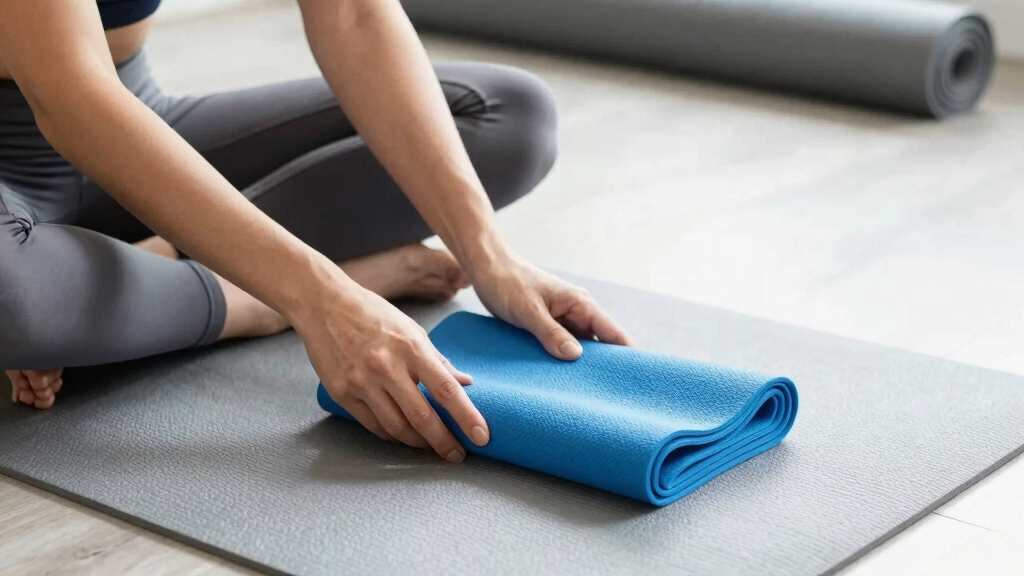
Foldable yoga mats are designed to be lightweight, compact, and easy to carry. Unlike traditional thick mats, they fold into smaller sections, fitting into backpacks or even a purse. Imagine a mat that folds into three or four panels, like a portable book.
For example, a traveler might fold their mat into a tiny rectangle, slipping it into carry-on luggage without adding weight or bulk. The key is the material and design—they balance flexibility with grip and durability.
While traditional mats prioritize thickness and cushioning, foldable mats focus on convenience without sacrificing too much comfort. The trade-off? Slightly thinner layers, but often enough for daily practice or quick sessions on the go.
Deeply understanding this distinction helps practitioners weigh what matters most—whether it’s maximum cushioning or ultimate portability—and choose accordingly. A thinner, foldable mat might compromise some comfort but vastly improves ease of transport, making it ideal for frequent travelers or those with limited storage space. Conversely, some premium foldable options now incorporate advanced cushioning layers, narrowing this gap and offering a balanced compromise.
Products Worth Considering

Oral-B iO Series 3 Rechargeable Electric Toothbrush for Adults, Black, with 2 Brush Heads and Travel Case

Oral-B iO Series 5 Rechargeable Electric Toothbrush with Travel Case and 3 Brush Heads, Black

Garmin Forerunner 165 GPS Running Smartwatch, 43 mm, Black
As an affiliate, we earn on qualifying purchases.
How Do You Pick the Best Foldable Yoga Mat? 5 Key Tips
- Material matters: Look for eco-friendly options like TPE or recycled rubber for durability and safety. These materials not only reduce environmental impact but also influence the mat’s grip, flexibility, and lifespan. For instance, natural rubber provides excellent grip but may be heavier, while TPE offers a lightweight alternative with good durability.
- Thickness and cushioning: Aim for 1.5-3mm if you want a balance of portability and comfort. Thinner mats are easier to fold but may offer less joint protection, so consider your practice style. If you have sensitive joints or practice high-impact poses, choosing a slightly thicker foldable mat or adding extra padding can prevent injuries and discomfort.
- Grip and slip resistance: Textured surfaces or non-slip coatings prevent accidents, especially when sweaty. This is crucial because a slippery mat can lead to injuries, particularly during dynamic or hot yoga. Some foldable mats incorporate specialized surface treatments that enhance grip even when moist, which is a significant safety feature.
- Ease of folding and unfolding: Check if the design folds smoothly without creases that weaken the material over time. Good folding mechanisms preserve the integrity of the mat and ensure longevity. Poor folding can create weak points or cracks, reducing the lifespan and performance of your mat.
- Size when folded: Make sure the folded mat fits your bag or storage space comfortably. Beyond just fitting, consider how compact it becomes—some designs fold into very small, manageable sizes that are ideal for travel or tight storage. This ensures your mat remains portable without sacrificing convenience or ease of use.
For instance, a yoga enthusiast might prioritize grip and eco-friendliness because they practice hot yoga outdoors or in heated studios. A frequent traveler may lean toward ultra-light, compact options with quick setup. Understanding these trade-offs helps you select a mat that aligns with your specific practice needs and lifestyle.
Comparison Table: Foldable vs. Traditional Yoga Mats
| Feature | Foldable Yoga Mat | Traditional Yoga Mat |
|---|---|---|
| Portability | High — folds into small sections, fits in bags | Low — rolls up into a large, bulky cylinder |
| Weight | Typically 2-4 pounds | Often 4-6 pounds or more |
| Thickness | 1-3mm, designed to fold without damage | 3-6mm, for extra cushioning |
| Durability | Depends on material quality; high-grade last longer | Generally durable, thicker layers |
| Comfort for Joints | Moderate; thinner mats may be less cushioned | Better cushioning due to thickness |
Understanding these differences helps practitioners weigh the importance of portability against comfort and durability. For example, frequent travelers may prioritize lightweight, compact options even if they sacrifice some cushioning, while studio practitioners might prefer thicker, more cushioned mats for longer sessions. Recognizing these trade-offs ensures you choose a mat that best fits your practice environment and lifestyle.
Latest Innovations Making Foldable Yoga Mats Better Than Ever
The newest foldable yoga mats feature multi-panel designs that fold seamlessly, like an accordion. Some include built-in handles or straps for even easier carrying. Recent materials also focus on being eco-friendly—think biodegradable blends or recycled plastics.
Innovations like anti-slip surface treatments and added cushioning mean you can get a stable, comfortable practice anywhere. Plus, some models come with pocket compartments for keys or phone, turning your mat into a mini travel station.
For example, a student traveling abroad might choose a foldable mat with a handle, so it’s easy to carry between classes, hostel, or park — combining style, function, and sustainability.
These innovations not only improve usability but also reflect a growing emphasis on sustainability and user convenience. The ability to fold seamlessly without damaging the material extends the lifespan of your mat, while eco-friendly materials reduce environmental impact. Additional features like integrated handles and pockets address practical needs, making the foldable mat more than just portable—it’s a versatile accessory that adapts to modern lifestyles.
What Should You Know Before Buying? Common Concerns Answered
Many wonder, are foldable mats durable enough? The answer depends on material quality. High-grade TPE or natural rubber can last years, even with frequent folding and unfolding. However, lower-quality options may develop cracks or weaken at fold lines over time, compromising safety and longevity. Recognizing the importance of material quality helps prevent premature replacement and ensures consistent performance.
Concerned about comfort? Thinner models may lack padding, but many incorporate extra layers or cushioning for joint safety. For high-impact styles, choosing a slightly thicker foldable mat or adding a portable cushion can make a significant difference in joint protection and overall comfort.
Worried about cleaning? Most are easy—simply wipe with a damp cloth or mild soap. Some can even be machine washed or have removable covers for convenience. Proper maintenance prolongs the lifespan and maintains hygiene, which is vital for health and odor control.
Price-wise, expect to pay between $20 and $80+. Budget options work well for occasional practice, but investing in a higher-quality model often yields better durability, grip, and eco-friendly features, making it a worthwhile long-term investment for dedicated yogis.
Frequently Asked Questions
Are foldable yoga mats as durable as traditional mats?
Durability varies with material quality. High-grade options made from TPE or natural rubber can last several years, even with frequent folding. Cheaper models might wear out faster, so check reviews and material specs before buying. Prioritizing quality ensures your investment withstands the rigors of regular folding and unfolding without compromising safety and comfort over time.
How do I choose the best foldable yoga mat?
Focus on material, thickness, grip, size when folded, and eco-friendliness. Consider your practice style—hot yoga needs better grip, while travel calls for compactness. Testing the mat or reading detailed reviews helps identify models that balance durability, comfort, and portability, ensuring a reliable experience tailored to your needs.
Can foldable mats provide enough cushioning for joint protection?
Thinner mats (1.5-3mm) may offer less padding, but many incorporate extra layers or cushioning. For high-impact or restorative styles, opt for models with added padding or a thicker fold. Recognizing the limitations and trade-offs allows you to select a mat that protects your joints while maintaining portability.
Are foldable yoga mats suitable for all types of yoga?
Yes, but for styles like high-impact or restorative yoga, a thicker, more cushioned mat might be better. Foldable mats excel in portability and quick setup, making them ideal for travel or quick practice sessions. Understanding your practice’s demands helps in choosing a model that offers the right balance of comfort and convenience.
How do I clean and maintain a foldable yoga mat?
Most can be wiped down with a damp cloth and mild soap. Some are machine washable or have removable covers. Regular cleaning prevents odors and dirt buildup, ensuring your mat remains hygienic and prolongs its lifespan, which is especially important given the folding and unfolding stresses.
Conclusion
Compact foldable yoga mats turn your practice into a portable experience without sacrificing safety or style. They’re perfect for busy lives, travel, and small spaces—making yoga more accessible than ever.
Pick one that matches your needs, and you’ll find yourself unrolling a yoga sanctuary wherever you go. Isn’t it time your mat moved as freely as your practice?