

TL;DR
Health officials confirm a rise in cyclosporiasis cases across multiple US states, linked to contaminated salads and produce. The outbreak highlights ongoing food safety concerns, with investigations ongoing.
Health authorities have confirmed an increase in cases of cyclosporiasis across multiple US states, with investigations pointing to contaminated produce as the likely source. This outbreak underscores ongoing concerns about food safety and the need for vigilance in produce handling and inspection.
According to the Centers for Disease Control and Prevention (CDC), at least 200 cases of cyclosporiasis have been reported nationwide in the past month, with the majority linked to salads and fresh vegetables. The CDC and state health departments are actively investigating the outbreak, focusing on food distribution chains and recent consumer reports.
Health officials have identified contaminated produce—including pre-packaged salads and fresh vegetables—as the probable source, though no single supplier has been definitively linked. The outbreak has prompted recalls of certain salad mixes and increased testing of produce at multiple points in the supply chain.
Symptoms of cyclosporiasis typically include diarrhea, stomach cramps, nausea, and fatigue, and can last for several weeks if untreated. The CDC advises consumers to wash produce thoroughly and to be cautious with raw vegetables, especially during outbreaks.
Implications for Food Safety and Public Health
This outbreak highlights persistent vulnerabilities in the safety of fresh produce, emphasizing the importance of strict hygiene and inspection protocols. It also raises awareness about cyclosporiasis as an ongoing public health concern, especially during peak salad season. The rising number of cases could lead to increased regulatory scrutiny and reinforce the need for improved traceability in the food supply chain, ultimately protecting consumers from future outbreaks.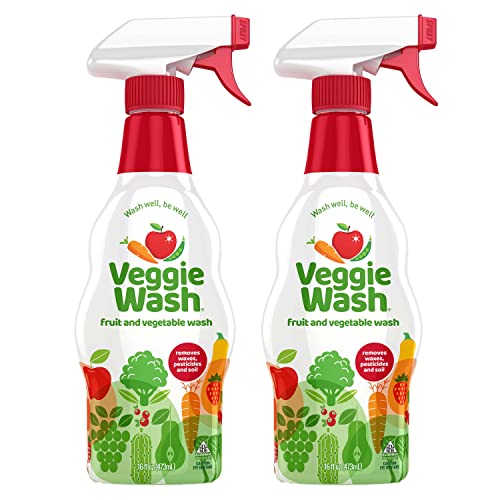
Veggie Wash Fruit and Vegetable Wash, 16 Fluid Ounce, Pack of 2
- Effective Cleaning: Removes wax, soil, chemicals, residues
- No Aftertaste: Breaks down waxes without scent or taste
- Safe & Natural: Kosher, Vegan, plant-based ingredients
As an affiliate, we earn on qualifying purchases.
As an affiliate, we earn on qualifying purchases.
Recent Cyclosporiasis Cases and Food Safety Measures
Since 2018, there has been a steady rise in cyclosporiasis outbreaks linked to imported produce, especially leafy greens and berries. The CDC has issued multiple alerts over the past year regarding contaminated salads and pre-packaged vegetables, which are often associated with outbreaks.
In the current outbreak, health agencies have traced cases to multiple states, including Indiana, Ohio, and Illinois. The CDC has emphasized that Cyclosporiasis is caused by the parasite Cyclospora cayetanensis, which is transmitted through ingestion of contaminated food or water. The parasite is resistant to standard washing procedures, making detection and prevention challenging.
Previous outbreaks have led to recalls and increased testing, but the persistent occurrence suggests ongoing issues with agricultural water quality and supply chain oversight. The current surge follows similar patterns seen in past years, raising questions about the effectiveness of current safety protocols.
“We are actively investigating the sources of this outbreak and urge consumers to take precautions when handling fresh produce.”
— Dr. Anne Schuchat, CDC Deputy Director
Unconfirmed Links and Ongoing Investigations
While authorities have identified contaminated produce as the likely source, no specific supplier or farm has been definitively linked to the cases. The investigation is ongoing, and it is unclear whether the contaminated produce was imported or domestically grown. Additionally, the full scope of the outbreak and its potential future spread remain uncertain.
Next Steps in Outbreak Control and Public Guidance
Health agencies will continue testing and tracing food sources, with updates expected as more information becomes available. Consumers are advised to wash raw produce thoroughly, avoid pre-packaged salads during the outbreak, and stay informed through official health alerts. Further recalls and safety inspections are anticipated as investigations progress.
Key Questions
What are the main symptoms of cyclosporiasis?
Symptoms typically include diarrhea, stomach cramps, nausea, bloating, and fatigue. Symptoms can last for several weeks if untreated, but most people recover with appropriate treatment.
How is cyclosporiasis transmitted?
The parasite Cyclospora cayetanensis is transmitted through ingestion of contaminated food or water, especially raw produce like salads and vegetables.
Can washing produce prevent infection?
Washing produce thoroughly can reduce contamination but may not eliminate the parasite entirely. During outbreaks, health officials recommend avoiding certain raw vegetables and salads unless properly prepared.
Are there specific foods to avoid during this outbreak?
Consumers are advised to avoid pre-packaged salads and raw vegetables linked to the outbreak, as identified by health authorities. Always follow official guidance for safe food handling.
What should I do if I experience symptoms?
If you experience symptoms such as diarrhea or stomach cramps, consult a healthcare provider promptly. Treatment typically involves antibiotics, and early diagnosis can prevent complications.
Source: google-trends