
TL;DR

Get workout gear delivered free — and shop member deals
- Fast, free delivery on millions of items
- Access to Prime Big Deal Days deals on October 6–7
- Prime Video, Amazon Music and more included
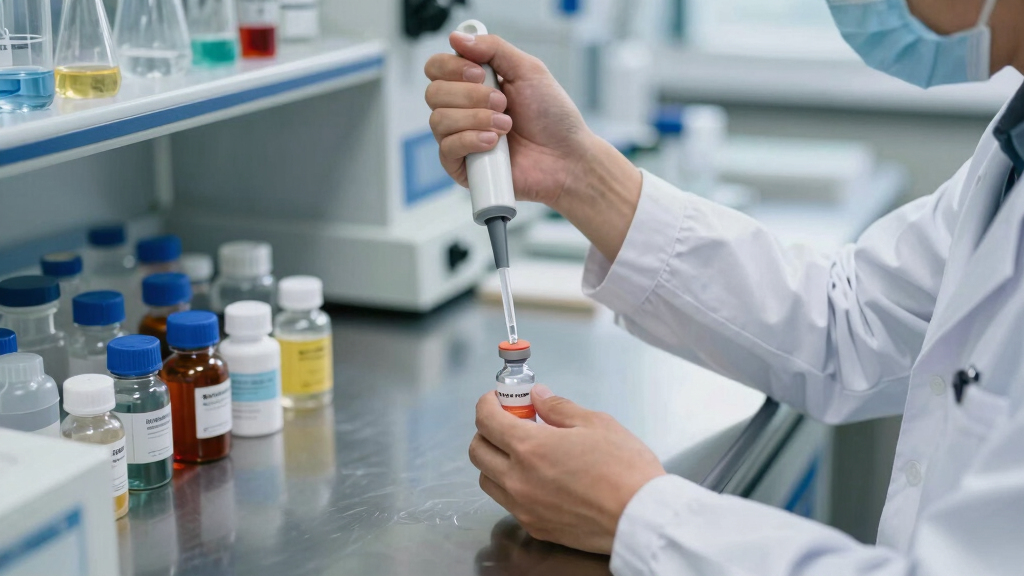
Gavi has authorized a $180 million investment to support vaccine manufacturing in Africa. This move aims to strengthen local production capabilities and improve pandemic resilience on the continent.
Gavi, the Vaccine Alliance, has approved a $180 million fund to support the development of vaccine manufacturing facilities across Africa. This decision aims to bolster local production capacity and reduce reliance on imports, enhancing pandemic preparedness and immunization coverage on the continent.
The funding was approved during Gavi’s recent board meeting, with the goal of establishing and expanding vaccine manufacturing plants in several African countries. The initiative is expected to support the production of COVID-19 vaccines, as well as other essential immunizations such as vaccines for meningitis, yellow fever, and other diseases prevalent in the region.
Officials from Gavi stated that the investment is part of a broader strategy to strengthen health systems and improve vaccine access. The funds will be allocated over the next three years, with specific projects in Nigeria, Senegal, and South Africa already identified as initial beneficiaries. The initiative also includes technical support and capacity-building components to ensure sustainable operations.
While the approval is confirmed, details regarding the exact timeline for project implementation and the specific facilities to be funded are still emerging. Gavi emphasized that the funding aims to address existing gaps in vaccine manufacturing capacity in Africa, which currently depends heavily on imports from Asia and Europe.
Why Local Vaccine Production in Africa Matters
This funding represents a significant step toward increasing vaccine self-sufficiency in Africa, which has historically faced challenges in accessing affordable and timely immunizations. By supporting local manufacturing, Africa could reduce delays in vaccine supply during health emergencies and lower costs in the long term. Additionally, strengthening regional capacity can help mitigate supply chain disruptions experienced during the COVID-19 pandemic, improving overall health security and pandemic readiness.
The initiative aligns with global efforts to promote equitable vaccine access, especially as the world continues to grapple with COVID-19 variants and other emerging infectious diseases. For African nations, this move could foster economic growth through the development of a vaccine manufacturing sector and create jobs, while also improving health outcomes.
As an affiliate, we earn on qualifying purchases.
Background on Vaccine Manufacturing in Africa
Currently, Africa’s vaccine manufacturing capacity is limited, with most countries relying on imports from Europe, Asia, and North America. The continent produces only a small fraction of its vaccines domestically, which has led to delays and higher costs during health crises like the COVID-19 pandemic.
In recent years, efforts have been underway to build local manufacturing capabilities, supported by international organizations, governments, and private partners. Notable projects include the establishment of vaccine plants in South Africa and Nigeria, but progress has been slow and funding remains a challenge. Gavi’s new $180 million commitment is one of the largest single investments aimed at accelerating these efforts.
Prior to this, Gavi has provided funding for vaccine procurement and distribution, but this is its first significant investment directly targeting manufacturing infrastructure in Africa.
“This investment marks a pivotal moment in Africa’s journey toward vaccine self-reliance and health sovereignty.”
— Dr. Seth Berkley, Gavi CEO
Details Still Pending on Implementation Timeline
While the approval is confirmed, specific timelines for project rollouts, the locations of new facilities, and the scale of production are still being finalized. It is also unclear how the funds will be distributed among participating countries and what the operational challenges might be.
Further information is expected in the coming months as Gavi and partner governments develop detailed plans for project execution.
Next Steps for Vaccine Manufacturing Expansion
Gavi will likely release detailed project plans and timelines in the next quarter. Countries involved are expected to begin preparatory work, including infrastructure development and capacity building. Monitoring and evaluation frameworks will also be established to track progress and ensure sustainability of the new manufacturing facilities.
International partners and private sector stakeholders may also join efforts to support technology transfer and workforce training, critical for long-term success.
Key Questions
Which African countries will benefit from the funding?
Initial projects are planned in Nigeria, Senegal, and South Africa, with potential for additional countries to participate as plans develop.
What types of vaccines will be produced locally?
The focus will be on COVID-19 vaccines, as well as other essential vaccines such as meningitis, yellow fever, and potentially other regional health priorities.
How will this funding improve vaccine access in Africa?
By establishing local manufacturing, Africa can reduce reliance on imports, decrease delays in vaccine supply, and lower costs, especially during emergencies.
Are there risks associated with building vaccine manufacturing capacity?
Potential challenges include infrastructure development, technical expertise, regulatory compliance, and ensuring long-term financial sustainability. These are being addressed through technical support and capacity-building efforts.
Source: google-trends
Halloween Picks
halloween
As an affiliate, we earn on qualifying purchases.