
TL;DR

Get workout gear delivered free with Prime
- Fast, free delivery on millions of items
- Prime Video, Amazon Music and more included
- Member-only deals all year
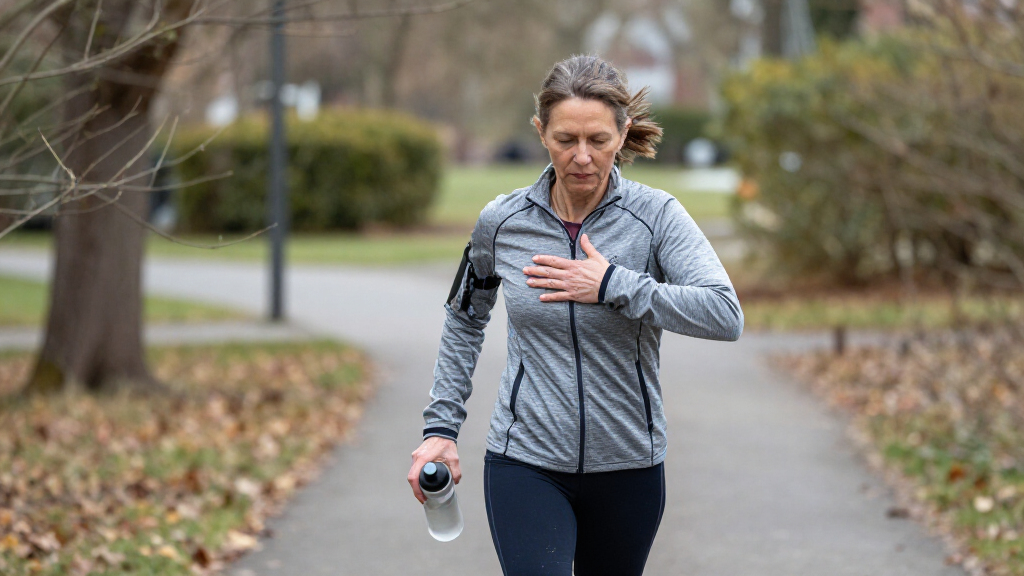
Cardiologist Roy Jogiya identifies new chest discomfort, breathlessness during familiar activities and persistent or irregular palpitations as symptoms that should not automatically be blamed on menopause. He advises emergency care for possible heart attack symptoms and medical assessment for new or recurring changes. Menopause-related cardiovascular changes can develop gradually, but the source report does not establish that any one symptom is caused by menopause or heart disease.
A Fit&Well report featuring cardiologist Roy Jogiya highlights three symptoms women should not automatically attribute to menopause: new chest discomfort, unusual breathlessness during everyday activity, and persistent or irregular heartbeats. Jogiya, chief medical advisor at Heart Research UK, says the symptoms may need medical assessment because changes in heart health can overlap with menopause symptoms, while some signs can indicate an emergency.
Jogiya says falling estrogen levels during menopause can be associated with changes in LDL cholesterol, blood pressure, abdominal fat and insulin resistance. He also cautions that these changes happen gradually and that aging contributes, so menopause is not the only possible explanation for cardiovascular changes. The report does not present an independent study or new clinical data; it relays the cardiologist’s advice.
The first warning sign is new chest pressure or discomfort, including sensations that might be mistaken for indigestion. Jogiya says a heart attack in women can also involve breathlessness, nausea, sweating, unusual fatigue, or discomfort in the jaw, back or upper abdomen. He warns against waiting for the dramatic, severe chest pain often associated with heart attacks. The report advises calling emergency services if a heart attack is suspected, even if the person is unsure.
The other symptoms are becoming unexpectedly breathless doing familiar activities or exercise, and experiencing an irregular or racing heartbeat that does not settle. Jogiya says palpitations can be common during menopause and are often harmless, but persistent or irregular beats—especially alongside chest pain, breathlessness or faintness—warrant assessment. A clinician may use an electrocardiogram or a portable heart monitor to investigate a possible rhythm problem, according to the report.
Recognizing Symptoms Beyond Menopause
The advice matters because menopause symptoms and possible cardiac symptoms can overlap. Hot flashes, anxiety and disrupted sleep may make a heartbeat more noticeable, but a new or worsening symptom should not be dismissed as hormonal without considering other causes. The source does not say that these symptoms prove heart disease; it emphasizes seeking appropriate evaluation rather than self-diagnosing.
Jogiya identifies people with high blood pressure, diabetes, high cholesterol, a smoking history, obesity or a strong family history of early heart disease as having particular risk factors. He also names premature menopause and pregnancy-related conditions, including pre-eclampsia, gestational diabetes and hypertension during pregnancy, as markers that may be overlooked. These are reasons to discuss personal risk with a health professional, not a diagnosis on their own.
Products Worth Considering

Withings BPM Connect Wi-Fi and Bluetooth Blood Pressure Monitor

Philips Sonicare 5950 Rechargeable Electric Toothbrush with 2 Brush Heads, Pink

Garmin Venu® 3 Premium Fitness Smartwatch 45mm Black
As an affiliate, we earn on qualifying purchases.
Menopause and Cardiovascular Changes
The report places the symptom guidance within the cardiovascular changes that may accompany menopause. Jogiya says estrogen helps maintain healthy blood vessels and regulate cholesterol; as levels fall, some cardiovascular risk factors may change. He also notes that aging contributes, and the report offers no figures showing how much risk changes for an individual or how menopause compares with other factors.
For prevention, Jogiya recommends aiming for 150 minutes of moderate exercise each week, adding strength training, eating a diet centered on vegetables, whole grains, nuts and olive oil, and limiting saturated fat and salt. He also advises checking blood pressure, cholesterol and blood sugar so potential problems can be identified. These are general recommendations in the report; personal plans may vary according to health and circumstances.
“Menopause isn’t just a reproductive milestone; it’s a cardiovascular one, too.”
— Dr. Roy Jogiya, chief medical advisor at Heart Research UK, as quoted by Fit&Well
Symptoms Do Not Confirm a Diagnosis
The report provides expert guidance, not diagnostic criteria or a research finding. It does not establish that menopause causes a particular episode of chest discomfort, breathlessness or palpitations, nor does it quantify any individual woman’s risk. Those symptoms can have more than one cause; only a clinical assessment can help determine what is happening.
It is also unclear from the supplied report when the article was published, whether Jogiya’s comments were independently reviewed, or what additional details might apply to a particular patient. The report says clinicians may use an electrocardiogram or portable monitor for suspected rhythm problems but does not specify which test or treatment is appropriate for each case.
When to Seek Medical Care
Call local emergency services for suspected heart attack symptoms, including new chest pressure—especially with sweating, nausea or breathlessness—or palpitations accompanied by chest pain, shortness of breath, faintness or fainting. The report also lists severe breathlessness, collapse and signs of stroke as emergencies. Do not wait for symptoms to become severe if a heart attack is suspected.
Arrange a medical assessment for new or recurring palpitations, reduced exercise tolerance, recurrent dizziness or unexplained breathlessness, and seek urgent advice if symptoms are worsening. Women can also discuss blood pressure, cholesterol, blood sugar and relevant personal or pregnancy history with their clinician. The source report sets out no upcoming study, policy change or scheduled milestone; the next step for an individual is guided by symptoms and professional assessment.
Key Questions
Which three symptoms does the cardiologist say women should not ignore?
New chest discomfort, unexpected breathlessness during familiar activity, and persistent or irregular palpitations are the three symptoms highlighted by Roy Jogiya in the Fit&Well report.
Are palpitations during menopause always a sign of heart disease?
No. Jogiya says palpitations are common during menopause and often harmless. He advises assessment for persistent or irregular heartbeats, particularly when they occur with chest pain, breathlessness or faintness.
When should someone call emergency services?
The report advises calling emergency services if a heart attack is suspected, including for new chest pressure or discomfort, particularly with sweating, nausea or breathlessness. Palpitations with chest pain, shortness of breath, faintness or fainting also warrant emergency help.
What checks does the report recommend discussing with a clinician?
Jogiya recommends checking blood pressure, cholesterol and blood sugar. For suspected heart-rhythm problems, the report says a clinician may use an electrocardiogram or portable heart monitor.
Source: fitandwell.com