Muscle cramps happen when involuntary contractions cause sudden pain and tightness, often due to electrolyte imbalances or nerve overstimulation. You can reduce cramps by staying well-hydrated, replenishing minerals like potassium, magnesium, and calcium, and avoiding excessive exertion. Stretching before and after activity also helps relax muscles and nerves. If you want to understand the most effective prevention methods and why cramps occur, there’s more to explore beneath the surface.
Key Takeaways
- Muscle cramps are caused by electrolyte imbalances, dehydration, and nerve overstimulation leading to involuntary contractions.
- Electrolytes like sodium, potassium, calcium, and magnesium are vital for proper nerve-muscle communication.
- Nerve overstimulation from intense activity or injury can trigger cramps even at rest.
- Prevention includes maintaining hydration, replenishing electrolytes, stretching, and avoiding overexertion.
- Proper recovery and balanced nutrition help reduce the likelihood of muscle cramping.

Muscle cramping is a sudden, involuntary contraction that causes tightness and pain in a muscle. It often strikes without warning, leaving you startled and uncomfortable. One leading theory behind these cramps involves an imbalance in electrolyte levels, which are essential minerals like sodium, potassium, calcium, and magnesium. These electrolytes help transmit nerve signals and regulate muscle contractions. When their levels are off—due to dehydration, excessive sweating, or inadequate nutrition—they can disrupt the smooth communication between your nerves and muscles. This disruption can cause your muscles to respond erratically, resulting in cramping.
Muscle cramps often result from electrolyte imbalances disrupting nerve and muscle communication.
Another common explanation points to nerve overstimulation. Your nerves control muscle movement by sending electrical signals, and when these signals become overly active or misfire, muscles can involuntarily contract. Overstimulation might happen after intense physical activity, especially if you push yourself too hard or don’t allow enough recovery time. It can also occur if nerve pathways are irritated or compressed, such as in cases of nerve impingement or underlying neurological conditions. When nerves are overstimulated, they can send exaggerated signals to your muscles, leading to cramping even if your muscles appear rested.
Understanding these mechanisms helps you grasp why keeping your electrolyte balance in check is crucial. During prolonged exercise or hot weather, you lose substantial amounts of sodium and potassium through sweat. If you don’t replenish these minerals, your muscles might become more prone to cramping. Drinking fluids with electrolytes or eating foods rich in these minerals can help restore balance and reduce cramp frequency. Additionally, staying well-hydrated supports normal nerve and muscle function, preventing the conditions that lead to nerve overstimulation. Regular maintenance of your equipment, such as projectors and audio systems, can also help prevent technical issues that may cause frustration.
Preventing cramps also involves paying attention to your activity levels and recovery. Overexertion can cause your nerves to become overstimulated, so pacing yourself during workouts and incorporating proper warm-up and cool-down routines are key. Stretching muscles before and after exercise can help keep the nerves and muscles more relaxed and less likely to cramp. If you notice frequent or severe cramps, it might be worth consulting a healthcare professional to rule out underlying nerve or electrolyte issues. They may recommend specific tests or treatments to address persistent problems.
In essence, maintaining a balanced intake of electrolytes, staying hydrated, and managing your activity intensity can considerably reduce your risk of muscle cramps. By understanding how electrolyte imbalance and nerve overstimulation contribute to these sudden contractions, you can take proactive steps to keep your muscles healthy and cramp-free. Proper power management for your electronic devices ensures they operate smoothly and reduces the risk of technical failures during your activities.
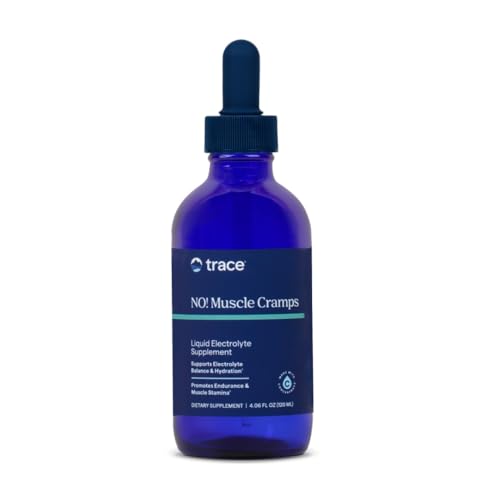
Trace Minerals NO! Muscle Cramps – Supplement for Healthy Muscle Function – Liquid Supplement – Electrolyte Balance – Endurance & Energy – Sugar-Free – 4.06 fl oz (60 Servings)
Supplement for Healthy Muscle Function: Trace Minerals NO! Muscle Cramps is designed to support electrolyte balance, energy, and…
As an affiliate, we earn on qualifying purchases.
As an affiliate, we earn on qualifying purchases.
Frequently Asked Questions
Can Dehydration Alone Cause Muscle Cramps?
Dehydration alone can contribute to muscle cramps, but it’s usually not the only factor. When you’re dehydrated, your electrolyte balance gets disrupted, affecting nerve signals and muscle function. This imbalance, combined with muscle fatigue from overuse or strain, increases your cramp risk. Staying well-hydrated and maintaining electrolyte levels help prevent cramps, especially during intense activity or hot weather.
Are Certain Medications Linked to Increased Cramping Risk?
Yes, certain medications can increase your risk of cramps due to medication side effects or drug interactions. For example, diuretics, statins, and some antidepressants are known to cause muscle cramps in some people. If you’re experiencing frequent cramps, check with your healthcare provider to see if your medications might be contributing. Adjustments or alternatives can often reduce this risk and help keep your muscles comfortable.
Do Supplements Help Prevent Muscle Cramps Effectively?
Supplements can help prevent muscle cramps by supporting electrolyte balance and reducing muscle fatigue. If you’re prone to cramps, taking magnesium, potassium, or calcium supplements might improve your chances of avoiding them. Guaranteeing proper hydration and maintaining electrolyte levels keeps your muscles functioning smoothly. However, always consult a healthcare professional before starting new supplements to ensure they’re appropriate for your specific needs and won’t interfere with medications.
How Does Sleep Quality Influence Muscle Cramping?
Imagine your muscles as dancers, perfectly synchronized with your circadian rhythm. Poor sleep quality, especially from sleep deprivation, throws this harmony off, increasing the risk of cramps. When you disrupt your circadian rhythm, your body struggles to repair and relax muscles properly, making cramping more likely. Prioritizing restful sleep helps your muscles stay calm and supple, reducing cramp chances and keeping your body in rhythm.
Are There Specific Sports More Prone to Cramping?
You’re more likely to experience cramping in endurance sports like running, cycling, and tennis, where prolonged activity leads to electrolyte imbalances and muscle fatigue. These sports put your muscles under sustained stress, increasing the risk of cramping. To reduce this, stay hydrated, maintain electrolyte balance, and listen to your body’s signals. Proper warm-up and regular stretching also help prevent cramps during these high-demand activities.

Nutricost Potassium (99 mg) Magnesium (210 mg) Citrates, 240 Capsules – Non-GMO, Gluten Free
210mg of Magnesium (from Magnesium Citrate) per Serving
As an affiliate, we earn on qualifying purchases.
As an affiliate, we earn on qualifying purchases.
Conclusion
Imagine your muscles as a busy city’s traffic system, where signals must flow smoothly. When cramping strikes, it’s like a sudden traffic jam—often caused by dehydration or fatigue. Staying well-hydrated and stretching regularly keeps the traffic flowing freely. Remember, even professional athletes experience cramps, but they know prevention is key. By understanding these theories, you can keep your muscles running smoothly, avoiding those disruptive jams and maintaining your active lifestyle with confidence.

Theraworx Relief for Muscle Cramps Roll-On Fast-Acting Muscle Spasm, Leg Soreness with Magnesium Sulfate – 2.5 oz – 1 Count
Helps relieve muscle cramps, spasms, & post-cramp soreness
As an affiliate, we earn on qualifying purchases.
As an affiliate, we earn on qualifying purchases.

POWERADE Electrolyte Enhanced Zero Sugar Grape Sports Drink, 20 Ounce (Pack of 8)
50% more electrolytes* versus the leading sports drink
As an affiliate, we earn on qualifying purchases.
As an affiliate, we earn on qualifying purchases.