Many people skip proper treadmill calibration, even though it’s vital for accurate distance readings. Default settings often don’t account for manufacturing variations, belt slippage, or wear and tear, causing discrepancies over time. Regularly measuring a known distance and recalibrating the machine can make a big difference. If you want to make certain your workouts are accurately tracked, knowing how to set up your treadmill correctly is essential — keep going to discover how.
Key Takeaways
- Many users neglect treadmill calibration, leading to inaccurate distance readings despite the device’s convenience.
- Proper calibration involves running a known distance and adjusting the console settings accordingly.
- Using external tools like measuring wheels or GPS devices helps verify and correct treadmill distance measurements.
- Regularly recalibrating the treadmill ensures consistent accuracy, especially as belt wear and slippage occur over time.
- Skipping calibration procedures can cause misjudged progress, affecting training plans and workout effectiveness.
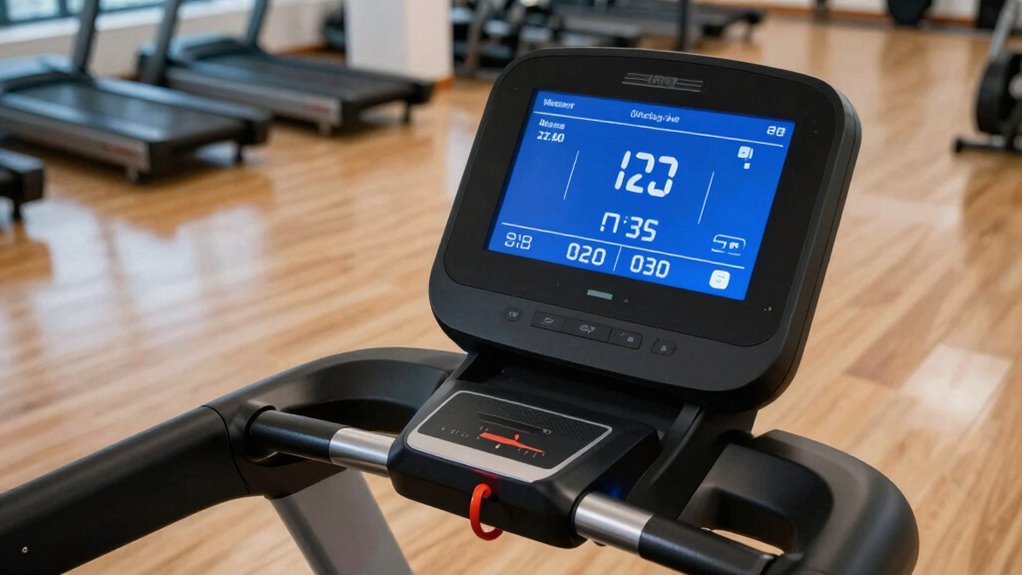
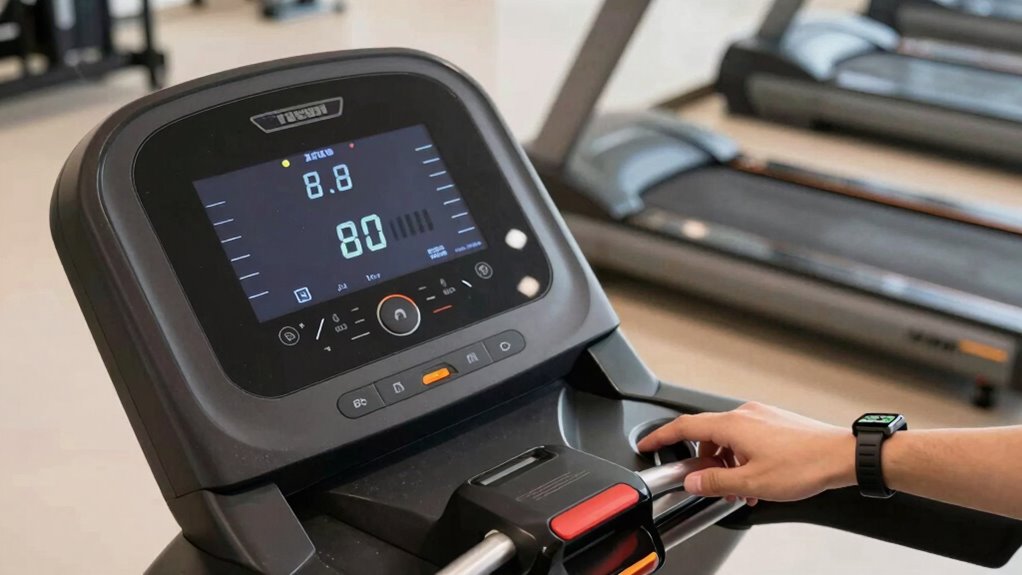
Many runners rely on treadmill displays to track their distance, but these readings can often be inaccurate. Despite the convenience, treadmill screens don’t always provide precise measurements. To get a true sense of your workout, it’s essential to understand calibration methods and user measurement techniques that can help enhance accuracy. Most people skip this critical setup step, assuming the treadmill’s default settings are enough, but neglecting calibration can lead to misleading data and hinder progress.
Calibration methods involve adjusting the treadmill’s internal sensors or software to match real-world measurements. Many modern treadmills have built-in calibration options accessible through the console or settings menu. These often require you to run a known distance or follow specific instructions to recalibrate the machine. If your treadmill lacks an automatic calibration feature, manual calibration becomes necessary. You might need to input a known distance, such as a measured track or outdoor run, to match the treadmill’s readings. These methods help correct discrepancies caused by manufacturing tolerances or wear and tear. Proper calibration procedures are essential to maintain accuracy over time.
User measurement techniques are equally important. Instead of relying solely on the treadmill’s display, you can measure your actual distance using external tools. For instance, you can mark a known distance on a track or measure a specific route with a measuring wheel or a GPS device. Once you know the true distance, you can run on the treadmill and compare the display reading to your measurement. If there’s a difference, you can manually adjust your treadmill’s settings or simply keep this in mind for more accurate tracking. Some runners also use smartphone apps or wearable devices to supplement treadmill data, providing a more reliable estimate of the distance covered.
Many people make the mistake of assuming that the treadmill’s factory settings are accurate enough, but this isn’t always the case. Over time, factors like belt slippage, motor wear, and calibration drift can cause discrepancies. Regularly performing calibration checks or user measurements ensures you’re getting the most precise data possible. It’s especially helpful if you’re training for a race or trying to track your progress accurately. Taking a few extra minutes to calibrate or measure can save you from frustration and give you confidence in your workout data.
In the end, neglecting these setup steps can lead to overestimating or underestimating your distance, which impacts your training plans and progress tracking. By understanding calibration methods and using user measurement techniques, you can considerably improve the accuracy of your treadmill readings. It’s a simple but often overlooked step that ensures your workouts are tracked correctly, helping you reach your fitness goals more effectively.

Treadmill Adjustment Tool, Universal Hex Allen Wrench, Black and Blue
UNIVERSAL COMPATIBILITY: Specially designed hex wrench tool that fits 99% of iFit treadmills for easy adjustments and maintenance….
As an affiliate, we earn on qualifying purchases.
As an affiliate, we earn on qualifying purchases.
Frequently Asked Questions
How Often Should I Calibrate My Treadmill for Accurate Distance?
You should calibrate your treadmill every three to six months to guarantee accurate distance readings. Regular calibration is a key maintenance tip that keeps your machine running smoothly. If you notice inconsistencies or odd readings, it’s a good idea to check and recalibrate sooner. Consistent calibration helps maintain accuracy, so make it part of your routine maintenance to get the most reliable workout data every time.
Does User Weight Affect Treadmill Distance Readings?
Just like a car’s speedometer can be thrown off by weight, your user weight can affect treadmill distance readings. Heavier users may cause the treadmill to overestimate distance, while lighter users might see underestimations. Proper treadmill calibration helps minimize this effect, ensuring accurate readings regardless of your weight. Regular calibration is essential, especially if multiple users with varying weights use the treadmill frequently.
Are There Specific Treadmill Brands Known for Better Accuracy?
Some treadmill brands, like NordicTrack and Life Fitness, are known for better accuracy due to their strong brand reputation and precise technology. To maintain this accuracy, you should follow proper maintenance routines, such as regular calibration and belt checks. Investing in reputable brands and keeping your treadmill well-maintained guarantees more reliable distance readings, helping you track your progress accurately and avoid discrepancies during workouts.
Can Running Speed Impact Distance Measurement Accuracy?
Yes, your running speed can impact distance measurement accuracy. Faster paces may challenge the treadmill’s sensor precision, leading to discrepancies. Proper pace calibration ensures the treadmill accurately tracks your speed, especially at higher intensities. When sensors aren’t well-calibrated, the distance you see might be off. To improve accuracy, make sure your treadmill’s sensors are functioning correctly and calibrated regularly, especially if you notice inconsistent distance readings during your runs.
How Do Treadmill Settings Influence Distance Accuracy?
Like a well-tuned jukebox, your treadmill’s settings greatly influence distance accuracy. You need to regularly perform the calibration process, ensuring the treadmill sensor is functioning correctly. If the settings are off or haven’t been adjusted, your distance measurements will be skewed. Proper setup, including inputting your correct stride length and checking sensor alignment, guarantees more precise readings, helping you track your progress like a true 21st-century athlete.
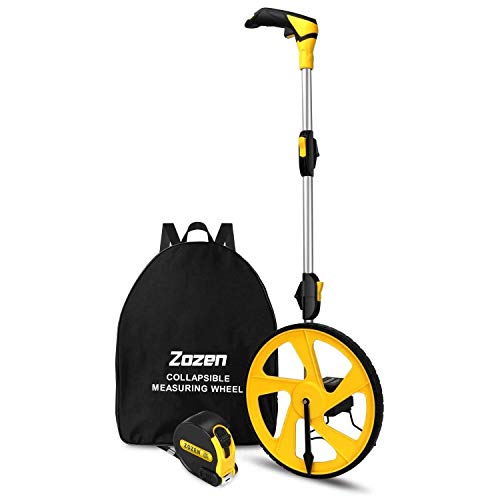
Zozen Measuring Wheel in Feet and Inches, Mechanical/Double Collapsible/One Key to Reset/Kickstand to Keep Stand/Starting Point Arrow and Cloth Carrying Bag, 0-9,999 Ft Measure Wheel.
📏【9999.11 Maximum Capacity】– U.S. Measuring units, Measures in feet and inches. Measure distance wheel against a usual tape…
As an affiliate, we earn on qualifying purchases.
As an affiliate, we earn on qualifying purchases.
Conclusion
Remember, a little setup goes a long way. If you skip calibrating your treadmill, you might be chasing false goals or underestimating your progress. Always check the settings and verify your machine is accurate before hitting your stride. After all, Rome wasn’t built in a day, and neither is reliable workout data. Take the time now, and you’ll run smarter, not harder, every time. Your future self will thank you for it.

Parsonver Smart Watch for Men Women GPS, 10-Day Battery Fitness Tracker with Bluetooth Calling, 100+ Sports Modes, Heart Rate, Sleep Monitor, Step Counter, Activity Tracker for Android & iPhone, Black
【BUILT-IN GPS, COMPASS & LED FLASHLIGHT – GO ANYWHERE, PHONE-FREE】Leave your phone behind and step into real adventure…
As an affiliate, we earn on qualifying purchases.
As an affiliate, we earn on qualifying purchases.
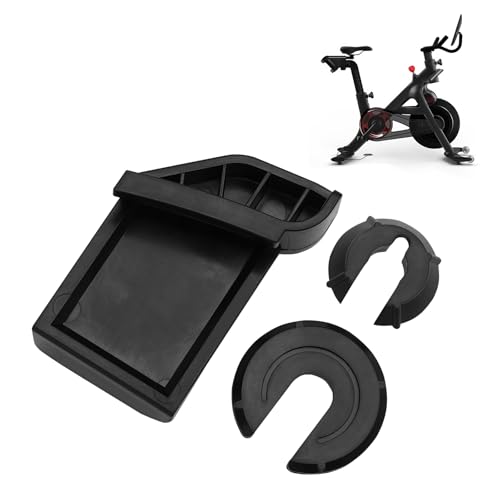
YIBEICO Calibration Kit for Peloton Indoor Exercise Bikes Indoor Cycling Bike Calibration Accessory Kit
FUNCTION: Calibration the resistance of your exercise bikes to provide you with a satisfactory riding experience
As an affiliate, we earn on qualifying purchases.
As an affiliate, we earn on qualifying purchases.