TL;DR
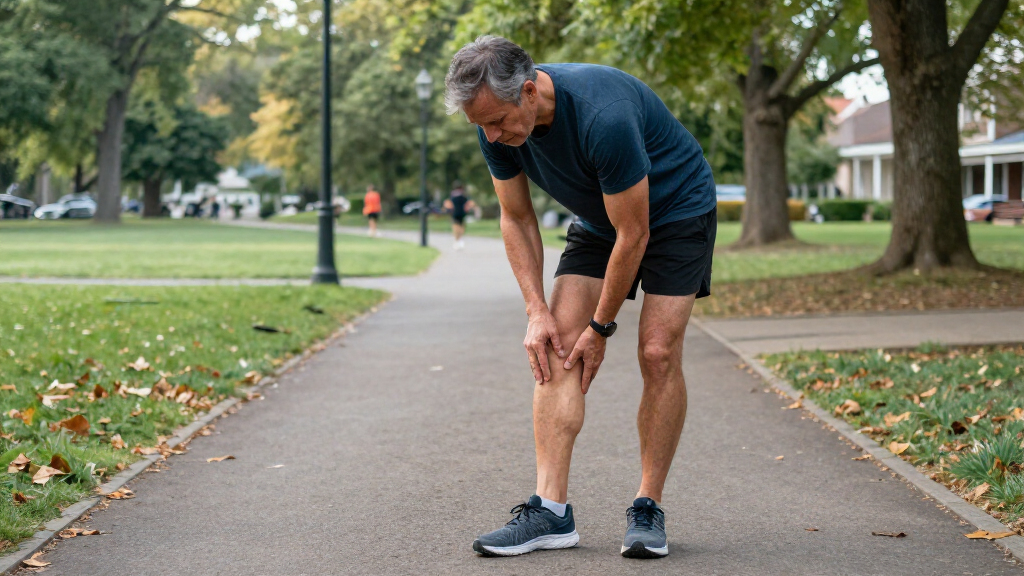
A 2022 systematic review found an association between calf circumference and mortality risk: each 1 cm increase was linked to an average 5% lower risk of death. Experts cited in Fit&Well say this does not prove that larger calves cause longer life; calf size may reflect overall muscle mass, while calf contractions help move blood toward the heart.
A 2022 systematic review found that each additional 1 cm of calf circumference was associated with an average 5% lower risk of death, according to a Fit&Well report. The finding does not show that building larger calves makes people live longer: experts quoted in the report say calf size may instead serve as a marker of broader muscle mass and health.

Get workout gear delivered free with Prime
- Fast, free delivery on millions of items
- Prime Video, Amazon Music and more included
- Member-only deals all year
The report cites the review as evidence of a link between calf circumference and longevity, but it does not provide the review’s sample size, participant characteristics, or follow-up period. The reported 5% figure is an average association, not a personal prediction or a measured benefit from calf exercises. Without those study details, readers cannot tell how the estimate applies to particular groups.
Physical therapist Kara McKeown of Cape Concierge Physical Therapy cautions against interpreting the finding as proof that large calves are protective. She says calf circumference may indicate a person’s overall strength and muscle mass. The report says the researchers considered calf circumference a useful muscle measure because the area contains a relatively high amount of lean mass compared with some other measurement sites, including the thigh and upper arm.
McKeown says stronger muscles support bone strength, metabolism and glucose sensitivity, factors she links to lower mortality risk. That explanation concerns the potential value of overall muscle health, not a demonstrated effect of calf size alone. The report’s practical takeaway is to focus on full-body strength training rather than trying to enlarge calves as a way to improve longevity.
Calf Size Is a Clue, Not a Prescription
The distinction matters because a body measurement can be associated with health without being a direct cause of it. Treating calf size as a longevity target could lead readers to focus on one visible feature while overlooking overall strength, activity and health. The report does not establish a calf circumference that people should aim for, nor does it show that calf-focused workouts reduce mortality.
There is a separate reason calves matter: their contractions assist circulation. Podiatrist Dr. Mikel Daniels, founder of WeTreatFeet Podiatry, explains that contracting calf muscles squeeze veins in the area and help move blood upward against gravity. Walking naturally engages the muscles, but this assisting action does not make calves a substitute for the heart or a treatment for cardiovascular disease.
For readers, the evidence supports a measured conclusion: regular movement and strength-building may contribute to general health, while calf size alone cannot tell someone how long they will live. A reported population-level association should not be used to diagnose an individual’s health or predict their personal outcome.
Products Worth Considering

Garmin Forerunner 165 GPS Running Smartwatch, 43 mm, Black

Garmin Forerunner 265S Running Smartwatch, 42 mm, Whitestone/Neo Tropic

Levoit Vital 200S-P Smart Air Purifier for Large Rooms (Up to 1875 sq ft)
As an affiliate, we earn on qualifying purchases.
How the Calves Assist Circulation
The nickname “second heart” refers to the calf muscles’ role in helping return blood toward the upper body. When the muscles contract, they compress veins running through them; movement such as walking repeatedly activates this mechanism. The phrase describes assistance to circulation, not a second organ performing the heart’s work.
Daniels says the effect should not be overstated: targeted calf training does not directly lower blood pressure or prevent cardiovascular events, according to his comments in the report. He also says studies linking weaker calf-pump function with higher mortality show correlation, not causation. Movement, circulation and activity levels may be connected, making it difficult to attribute an observed risk difference to calf function alone.
The Fit&Well report therefore separates two ideas often blended together: calf contractions have a mechanical role in blood flow, while calf circumference may function as a marker associated with muscle mass and mortality. Neither point establishes that increasing calf size itself extends life.
“The research doesn’t show that chunky calves help you live longer; rather, they serve as a reliable indicator of your overall body strength and muscle mass.”
— Kara McKeown, physical therapist at Cape Concierge Physical Therapy
What the Calf Measurement Cannot Prove
The supplied report does not include enough detail about the 2022 review to assess its methods, participant population or how the 5% estimate was calculated. It also does not say whether the association holds equally across ages, sexes or health conditions. The figure should be understood as an average reported association, with its precise scope unclear from the material provided.
Most importantly, the evidence described does not establish cause and effect. It remains unclear how much calf circumference independently predicts mortality after accounting for other aspects of muscle mass, health and activity. The report also gives no validated calf-size threshold for assessing longevity and no evidence that deliberately increasing circumference changes an individual’s risk.
Daniels’ comments likewise do not establish that calf exercise prevents heart or circulation disease. The report supplies no clinical guidance for people with swelling, pain, unusual changes in leg size or diagnosed cardiovascular conditions; those symptoms and circumstances call for advice from a qualified health professional rather than interpretation of circumference alone.
Focus on Movement and Strength
The report recommends full-body strength training as a way to build and maintain muscle, rather than treating calf enlargement as a longevity intervention. Walking also contracts the calves and supports everyday movement. People starting or changing an exercise routine should build activity at a manageable pace and seek professional guidance if they have existing health conditions or concerns about pain, swelling or circulation.
No further study results, clinical recommendations or follow-up announcements are provided in the source material. For now, the practical message is limited: calf circumference may be a health marker in population research, and calf contractions assist blood flow, but neither point shows that bigger calves cause a longer life.
Key Questions
Does having larger calves mean you will live longer?
No. The cited 2022 review found an association between calf circumference and mortality risk, but the report does not show that larger calves cause longer life or predict an individual’s lifespan.
What does the reported 5% figure mean?
The report says each additional 1 cm in calf circumference was linked to an average 5% lower risk of death in the review. It is a reported population-level association, not a guaranteed reduction for any one person; the supplied material does not give the review’s methods or full participant details.
Why are calves called a second heart?
When calf muscles contract, they squeeze veins in the area and help move blood upward toward the heart against gravity. The nickname describes an assisting pump; calves do not replace the heart.
Can calf exercises prevent heart disease or lower blood pressure?
The report does not support that conclusion. Daniels says targeted calf training does not directly lower blood pressure or prevent cardiovascular events. People with cardiovascular concerns should seek guidance from a qualified health professional.
What exercise does the report recommend?
It points readers toward full-body strength training rather than focusing only on calf size. Walking also uses the calf muscles. Anyone with pre-existing conditions or concerning leg symptoms should get professional advice before changing their routine.
Source: fitandwell.com