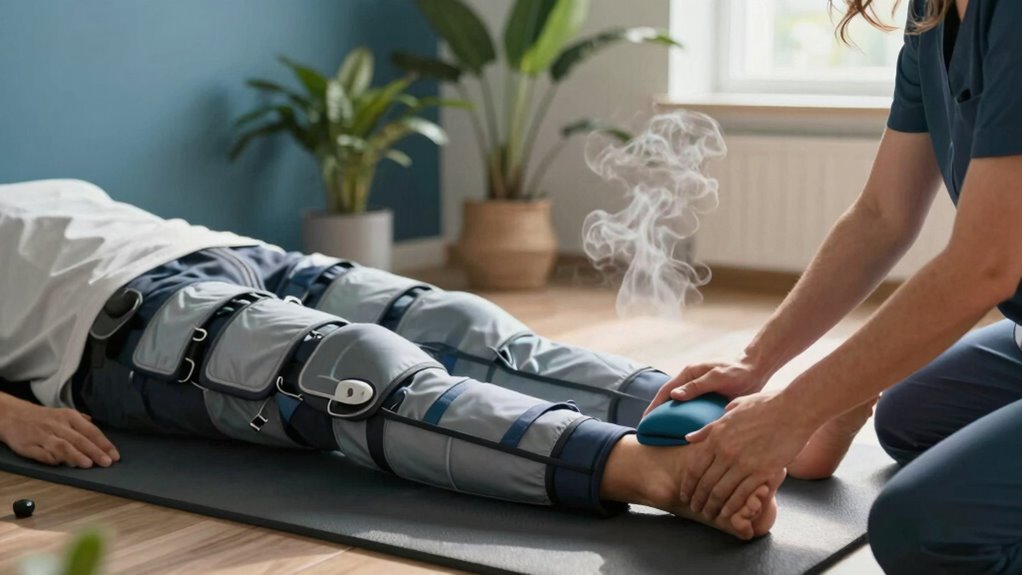

To alleviate leg fatigue, start by applying heat with a warm towel or heating pad to relax your muscles and improve circulation. Next, use compression garments during and after your workouts to enhance blood flow and reduce soreness. Choose the right fit for comfort and effectiveness. Pair heat with compression for a thorough recovery strategy. By following these techniques, you can optimize your recovery and performance—there’s much more to explore to enhance your results!

Get workout gear delivered free — and shop member deals
- Fast, free delivery on millions of items
- Access to Prime Big Deal Days deals on October 6–7
- Prime Video, Amazon Music and more included
Key Takeaways
- Apply heat therapy using a warm towel or heating pad to relax muscles and alleviate tension in fatigued legs.
- Use compression garments during and after workouts to enhance circulation and support muscle recovery from fatigue.
- Combine heat application with compression to maximize blood flow and reduce soreness in tired legs.
- Monitor the fit of compression garments to ensure comfort without excessive pressure, promoting effective recovery.
- Incorporate hydration and rest alongside heat and compression for optimal muscle healing and performance recovery.
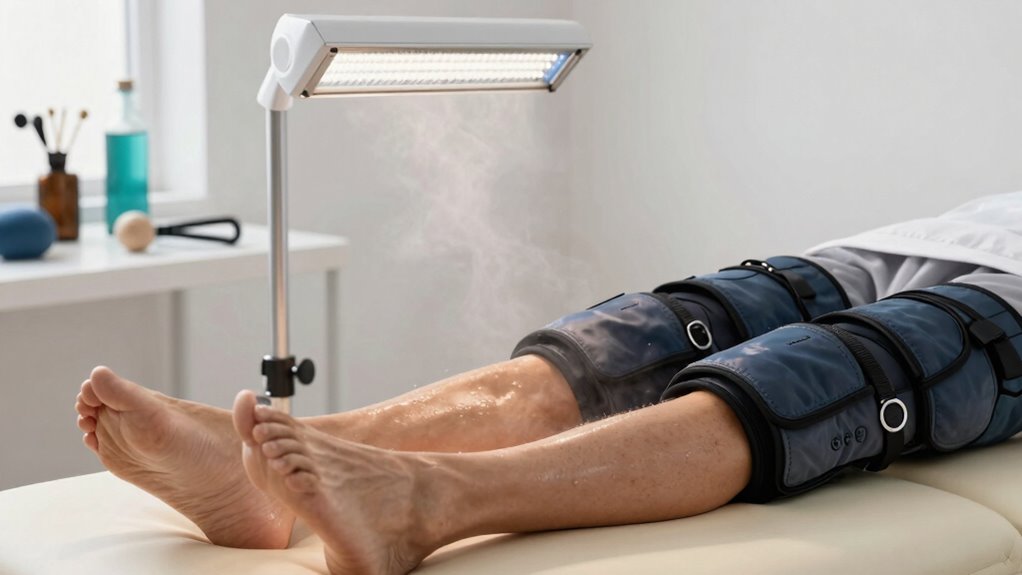
When your legs feel heavy and fatigued, using heat and compression can make a world of difference. You might not realize how effective these methods are for muscle recovery, but they can greatly enhance your post-workout care routine. By incorporating heat therapy and compression garments into your regimen, you can promote circulation improvement, which is essential for fatigue relief.
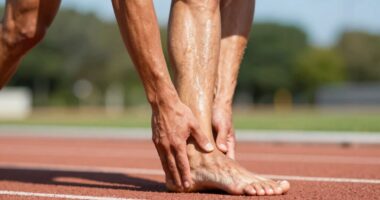
Start by applying heat to your legs. Whether you choose a warm towel, heating pad, or a warm bath, the heat penetrates your muscles, helping them relax. This not only alleviates tension but also boosts blood flow, aiding in circulation improvement. You’ll notice that as the warmth seeps into your muscles, any tightness or soreness begins to dissipate. It’s an excellent way to prepare your legs for further activity or to unwind after a long day. Incorporating circulation improvement techniques can further maximize recovery benefits, especially when combined with proper hydration and rest. Additionally, using techniques that promote muscle recovery can optimize your overall healing process.
Applying heat to your legs relaxes muscles, alleviates tension, and improves circulation, making it perfect for recovery or relaxation.
Once you’ve utilized heat therapy, it’s time to integrate compression garments. These fitted pieces, like socks or sleeves, apply pressure to your legs, which helps your blood circulate more efficiently. By wearing compression garments during and after your workout, you can enhance muscle recovery and greatly reduce the risk of injury. You’ll feel the difference as the compression aids in flushing out lactic acid and other metabolic waste from your muscles. This process is key for effective fatigue relief, especially after intense physical activities. Additionally, using recovery techniques can help reduce inflammation and speed up healing. Recognizing the importance of proper recovery methods can further support your health and performance.
As an affiliate, we earn on qualifying purchases.
Frequently Asked Questions
Can Heat Therapy Be Used Before Exercise for Leg Fatigue?
Yes, heat therapy can be used before exercise for leg fatigue. Applying heat helps increase blood flow, which can warm up your muscles and improve flexibility. This pre workout benefit makes it easier to perform movements and reduces the risk of injury. Just remember to apply heat for about 15-20 minutes prior to your workout. It’s a great way to prepare your legs and enhance your performance!
How Long Should I Use Compression Garments?
You should aim for a compression duration of 30 minutes to 2 hours for ideal usage. This timing allows your muscles to benefit from the support without causing discomfort. If you’re recovering after exercise, wearing them longer can help reduce swelling. Just listen to your body—if you feel any tightness or pain, it’s best to take them off. Finding the right balance will enhance your recovery and overall comfort.
Is Ice Treatment Effective for Leg Fatigue?
Yes, ice treatment can be effective for leg fatigue. When you apply ice, it helps reduce inflammation and numbs the area, providing relief. Try using ice application for 15-20 minutes after intense activity to speed up recovery. Incorporating this into your recovery techniques can enhance your overall leg health. Remember to wrap the ice in a cloth to avoid frostbite, and listen to your body’s signals for the best results.
Are There Any Risks of Using Heat Therapy?
Yes, there are risks with heat therapy. You might experience heat sensitivity, which can lead to skin burns if you’re not careful. It’s essential to monitor the temperature and duration of your treatment. Always test the heat on a small area first. If you’re using heat packs, make sure they’re not too hot to avoid any accidents. Listen to your body; if it feels uncomfortable, it’s time to stop and reassess your approach.
What Are the Signs I Need Medical Help for Leg Fatigue?
If you experience severe pain, swelling, or persistent fatigue in your legs, it’s time to seek medical help. Watch for symptoms like sudden numbness, weakness, or changes in skin color, as these could indicate serious conditions. If leg fatigue follows unusual exertion or accompanies shortness of breath, it’s also concerning. Understanding the causes of leg fatigue can help you monitor symptoms effectively and decide when to consult a healthcare professional.
Conclusion
Incorporating heat and compression into your routine can greatly relieve leg fatigue. You might worry it’s too time-consuming, but even a quick 15-minute session can make a world of difference. Just imagine how much better you’ll feel with relaxed muscles and improved circulation. So, don’t hesitate to give these methods a try; your legs will thank you after that long day. Invest a little time, and you’ll reap the rewards of refreshed, energized legs!
Halloween Picks
halloween
As an affiliate, we earn on qualifying purchases.