
To maximize recovery on back-to-back long run weekends, slip into recovery boots right after your first run. Wear them for 30 to 60 minutes to enhance compression and flush out lactic acid. Don’t forget to hydrate and refuel during this time. Before your second run, make sure you warm up your muscles, even if you’ve been using the boots. Regular use throughout the week will help keep your legs fresh. There’s more to discover about optimizing your recovery!

Get workout gear delivered free with Prime
- Fast, free delivery on millions of items
- Prime Video, Amazon Music and more included
- Member-only deals all year
Key Takeaways
- Slip into recovery boots immediately after your first long run for optimal compression therapy and muscle recovery.
- Wear the recovery boots for 30 to 60 minutes to effectively flush out lactic acid and metabolic waste.
- Stay hydrated and refuel with essential nutrients while using the boots to enhance recovery.
- Prioritize a warm-up before your second long run to ensure muscles are primed and ready for performance.
- Incorporate recovery boots regularly during the week to keep legs fresh and improve overall performance for multiple long runs.
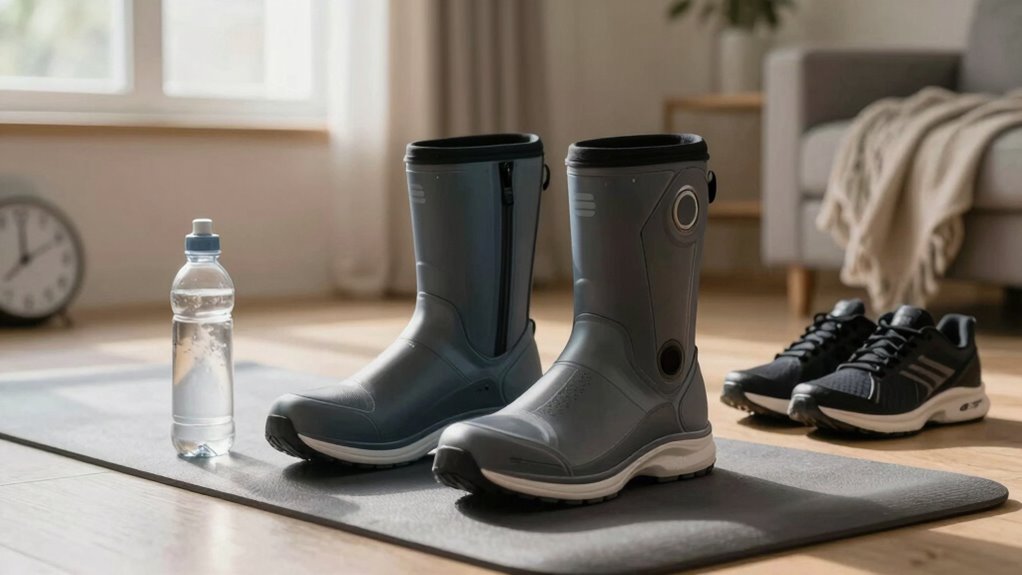
Recovery boots are a game-changer for athletes and fitness enthusiasts alike. If you’ve ever tackled back-to-back long run weekends, you know how vital recovery can be. These boots help you enhance your recovery timing, guaranteeing you’re ready to hit the ground running again. By using them effectively, you can maximize the compression benefits they offer and minimize muscle soreness.
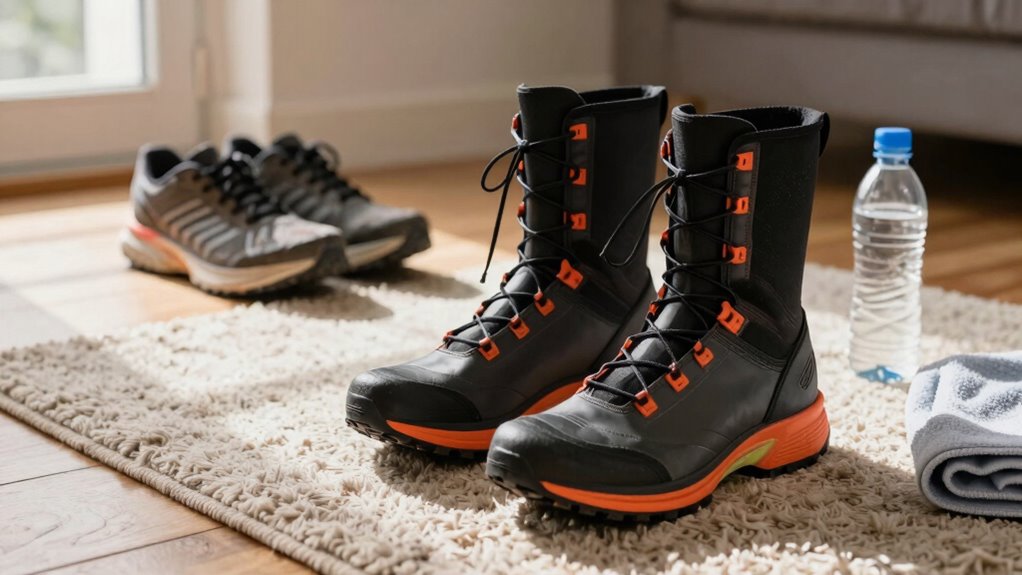
Once you finish your first long run, slip into your recovery boots as soon as possible. The sooner you start, the better your recovery timing will be. You’ll want to wear them for about 30 to 60 minutes. This period allows the compression to stimulate blood flow, flushing out lactic acid and other metabolic waste from your legs. You’ll feel a gentle squeeze as the boots work their magic, and that’s when you know they’re doing their job.
After the first run, take some time to hydrate and refuel. You’ve just put your body through a lot, and it needs proper nutrients to recover. While you’re resting and refueling, keep those boots on. This way, you’re not only enjoying your downtime but also reaping the compression benefits that will help you feel fresh for the next day’s run. Incorporating compression therapy into your routine can further enhance your recovery process. Using recovery boots during rest and recovery periods can speed up your healing and reduce fatigue.
On the day of your second long run, don’t skip the warm-up. Even though you’ve used the recovery boots, your muscles still need to be primed for action. A good warm-up will guarantee they’re ready to perform at their best. After you finish the second run, repeat the process. Get back into those recovery boots right away. This time, aim for another 30 to 60 minutes of compression therapy to boost your recovery.
It’s also beneficial to incorporate these boots into your routine during the week. If you’re training for a race or just trying to improve, using recovery boots regularly can help keep your legs feeling fresh. This will improve your overall performance, especially when you have multiple long runs scheduled. Incorporating home exercise equipment like recovery boots into your routine can significantly enhance your recovery and performance.
As an affiliate, we earn on qualifying purchases.
Frequently Asked Questions
Can I Use Recovery Boots After Other Types of Workouts?
Absolutely, you can use recovery boots after other types of workouts! They offer great post-workout benefits, helping to enhance muscle recovery regardless of your exercise routine. Whether you’ve just finished strength training, cycling, or high-intensity interval training, slipping into those boots can boost circulation and reduce soreness. Just remember to relax and enjoy the process; your muscles will thank you for the extra care!
How Long Should I Wear Recovery Boots for Optimal Results?
For ideal duration, wear recovery boots for 20 to 60 minutes after your workout. This time frame maximizes recovery benefits by promoting circulation and reducing muscle soreness. You’ll feel the difference, especially after intense sessions. Make it a part of your routine, and you might notice quicker recovery times, allowing you to tackle your next workout with renewed energy. Just listen to your body and adjust the duration as needed!
Are Recovery Boots Safe for Everyone to Use?
Yes, recovery boots are generally safe for most people. While some might worry about potential discomfort or contraindications, following safety guidelines can minimize risks. Many user experiences highlight the benefits, like reduced soreness and enhanced recovery. However, if you have specific health concerns or conditions, it’s wise to consult a healthcare professional before using them. Overall, when used correctly, recovery boots can be a great addition to your recovery routine.
Can I Sleep in Recovery Boots Overnight?
You shouldn’t sleep in recovery boots overnight. While they offer great sleep benefits during shorter sessions, prolonged use can lead to discomfort or restricted blood flow. Instead, use them as a recovery technique after your runs for 15 to 30 minutes. This way, you’ll reap the benefits without the risk. Focus on incorporating them into your routine post-exercise to enhance recovery and aid muscle relaxation effectively.
How Do I Clean and Maintain My Recovery Boots?
To clean and maintain your recovery boots, start by unplugging them and removing any detachable parts. Use a damp cloth for the outer boot materials, wiping away dirt or sweat. For deeper cleaning, follow the manufacturer’s instructions on washing techniques—often, gentle soap and water do the trick. Avoid harsh chemicals or submerging them in water. Regularly check for wear and tear to guarantee they stay in top shape for your recovery sessions.
Conclusion
As you slip into your recovery boots, imagine wrapping your legs in a gentle, soothing embrace, like a warm hug from a loved one after a long day. Each pulse of air rejuvenates your muscles, washing away fatigue like a tide retreating from the shore. With every session, you’re not just easing soreness; you’re nurturing your body, preparing it to conquer the next challenge. So, kick back, relax, and let your recovery journey begin anew.
Fall Picks
fall essentials
As an affiliate, we earn on qualifying purchases.